



Progress in Human Capital Management Strategies for SMEs: Insights from FORVAL's Research
Human Capital Management Strategies for SMEs
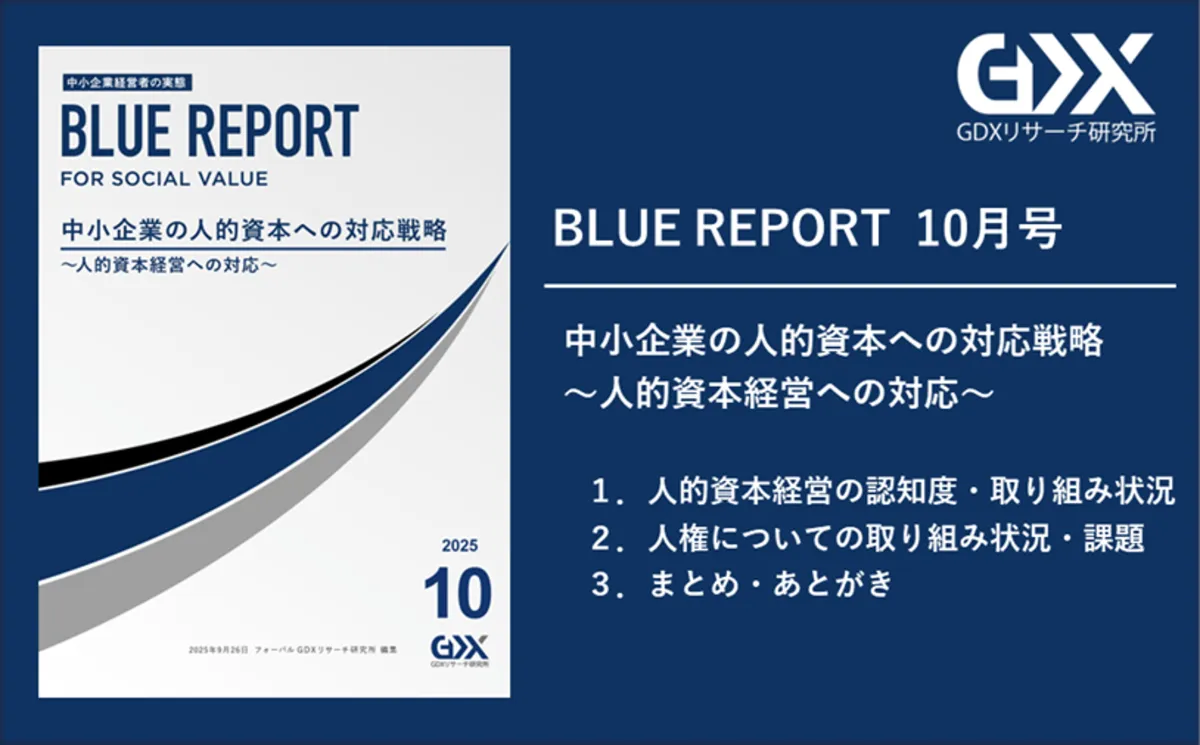
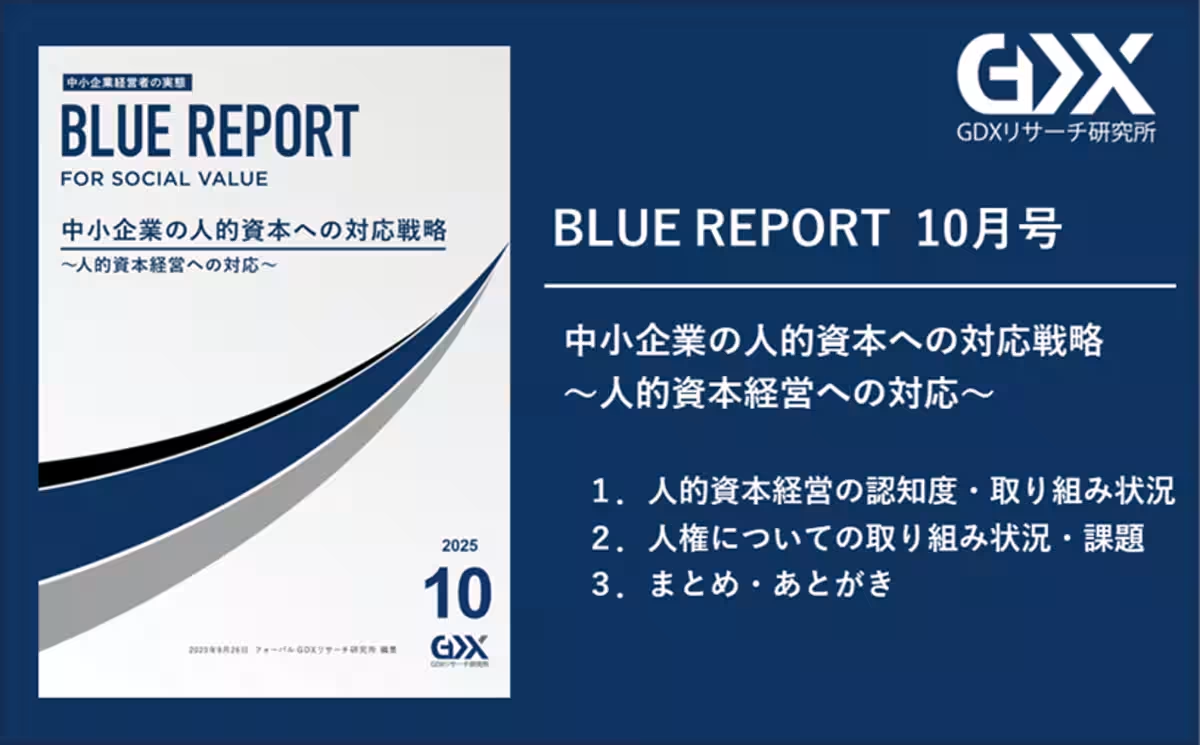
The Human Capital Management (HCM) approach has recently gained significant attention, particularly since it is being recognized as vital for enhancing long-term corporate value. The concept of viewing talent as an asset and maximizing its value was highlighted in a report published by FORVAL GDX Research Institute, titled "BLUE REPORT October 2025". This report revealed key insights into how small and medium-sized enterprises (SMEs) in Japan are increasingly adopting HCM practices, with awareness levels and implementation rates showing promising growth.
Key Findings from the BLUE REPORT
The report surveyed a range of SME owners to gauge their awareness and engagement with HCM. The findings are as follows:
1. Awareness of HCM Practices
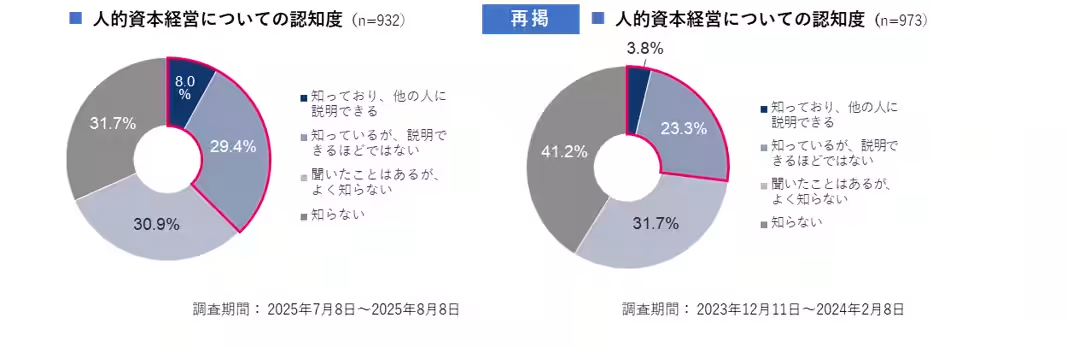
Close to 37.4% of SMEs recognize and understand the principles of HCM, a notable increase from previous surveys. The specifics reveal that 8.0% can articulate the concept clearly, while 29.4% are aware but struggle to explain it sufficiently. This is a significant increase from just 27.1% noted in earlier research. Moreover, the percentage of SMEs that are completely unaware of HCM has decreased by 31.7%.
2. Implementation of HCM Initiatives
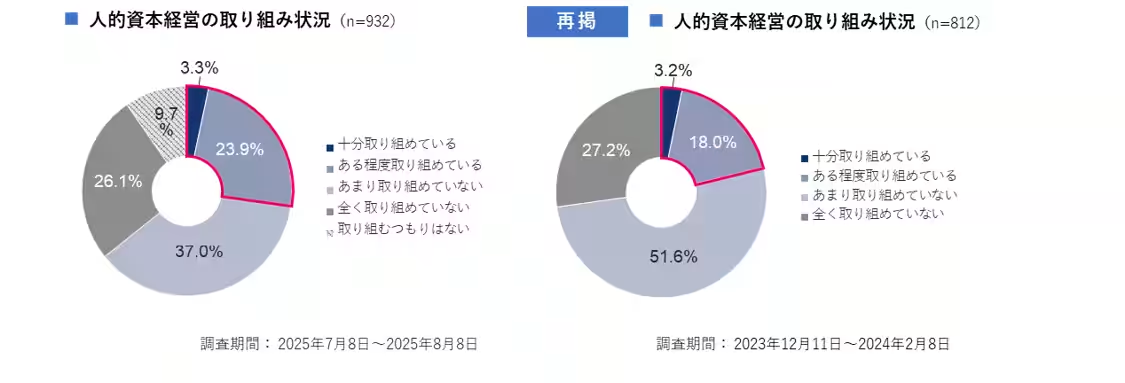
Among those surveyed, 27.2% of SMEs reported actively engaging in HCM, with 3.3% indicating they are thoroughly implementing it and 23.9% stating that they are implementing it to some extent. This uptick in engagement reflects a direct correlation with the growing recognition of the benefits of HCM practices.
3. Perceived Benefits of HCM Initiatives
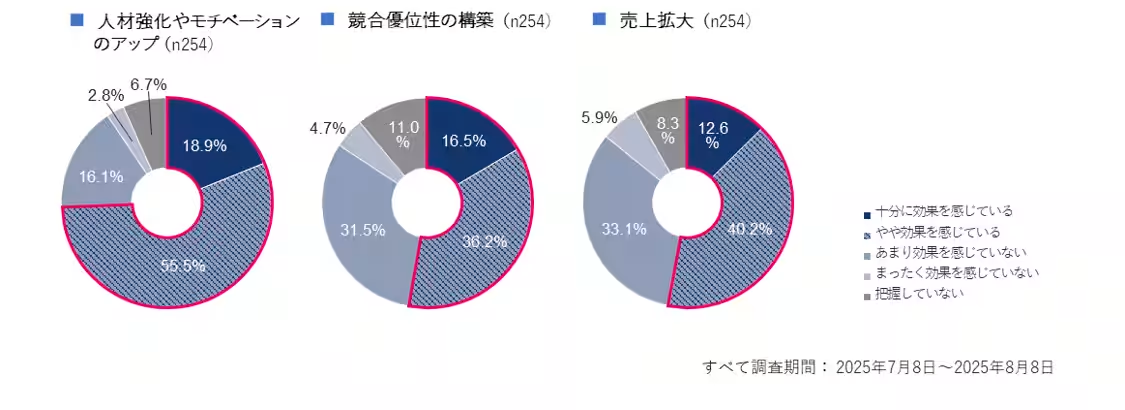
More than half of the companies that have recently adopted HCM measures reported positive outcomes. Specifically, 74.4% acknowledged improvements in workforce motivation and capability. Approximately 52.7% noted enhanced competitive advantages, while 52.8% experienced sales growth, further validating the effectiveness of strategic HCM practices in driving business performance.
The Importance of HCM for SMEs
Given that SMEs constitute over 99% of Japan's corporate landscape, their growth and adaptation play a crucial role in the country's overall economic vitality. HCM is not just a passing trend but is viewed as an essential strategy for SMEs wishing to modernize and compete effectively in the rapidly evolving business environment. The acknowledgment from political leaders—including Prime Minister Kishida's mention of HCM in past addresses—has contributed to this growing awareness.
Furthermore, despite the clear benefits, SMEs face challenges when implementing HCM. Common concerns include limitations related to time, financial resources, and a lack of specialized personnel. Therefore, it is imperative for SMEs to integrate HCM into their corporate strategies actively, fostering an organizational commitment to overcome these barriers and leveraging their unique strengths such as flexibility in management and a closer relationship between leaders and frontline employees.
Recommendations for Effective HCM Adoption
To reap the dividend from HCM practices, SMEs should consider taking a structured approach:
- - Immediate Implementation: Start small and progressively integrate HCM practices into operational processes.
- - Focus on Employee Engagement: Utilize digital tools to enhance employee engagement and monitor their wellbeing, paving the way for a more motivated workforce.
- - Promote Diversity and Inclusion: Implement comprehensive policies to foster diversity and prevent discrimination and harassment, which can contribute to a more vibrant organizational culture.
As SMEs gear up to recognize and implement HCM strategies, it is vital they see these efforts not merely as compliance but as investments in future growth and sustainability. The evidence suggests that SMEs can greatly benefit from treating their workforce as integral assets to be developed and nurtured.
Conclusion
The findings derived from the BLUE REPORT underscore a steadfast commitment among SMEs to adopt innovative HCM strategies, demonstrating a tangible shift in mindset regarding human capital. While there are challenges ahead, addressing these with determination and thoughtfulness will be crucial to the long-term success of each SME. For further insights and detailed observations, visit the full report here.
The FORVAL GDX Research Institute aims to support SMEs in harnessing the power of Green and Digital transformation, ensuring their growth through effective research and guidance, contributing positively to Japan's economy.

Topics Business Technology)
【About Using Articles】
You can freely use the title and article content by linking to the page where the article is posted.
※ Images cannot be used.
【About Links】
Links are free to use.