



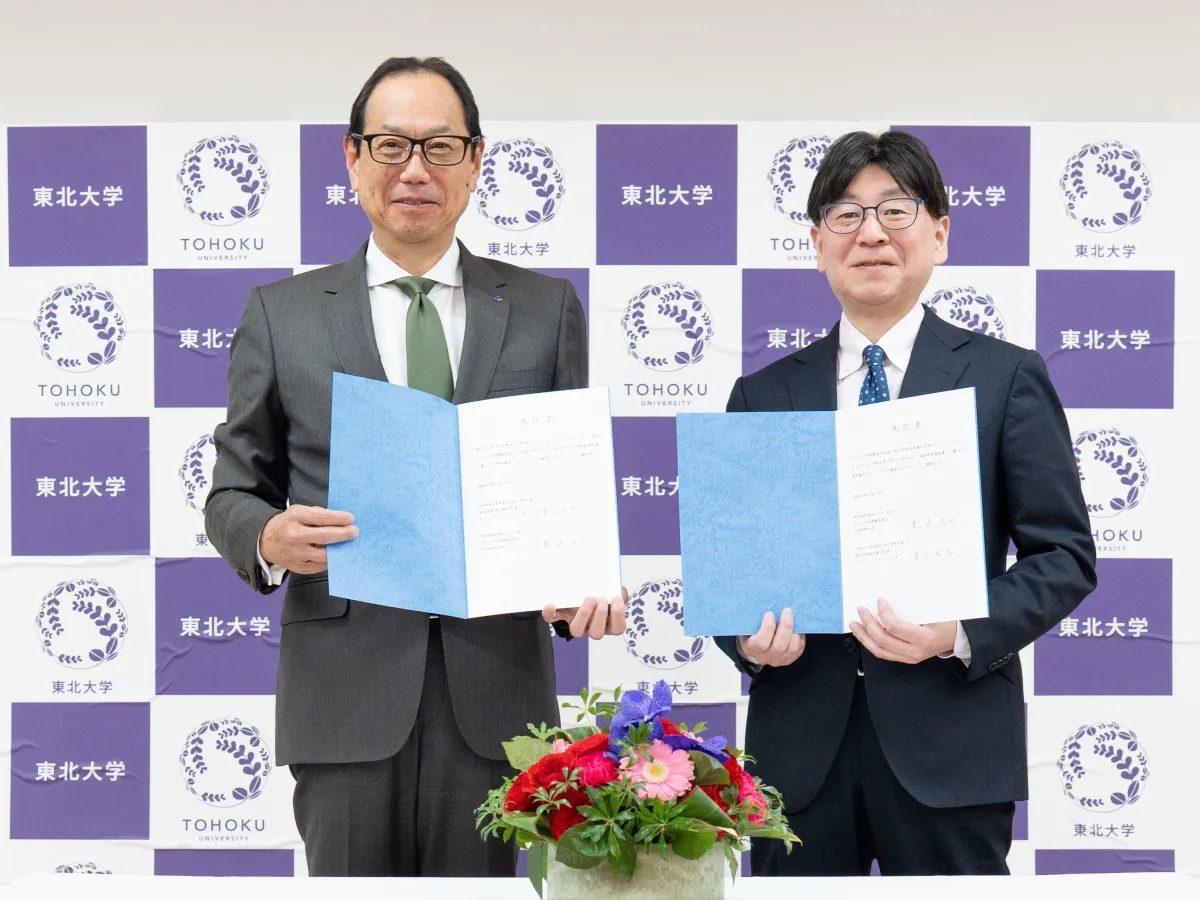
Tohoku University and ADSOL NISSHIN Launch Joint Research for AI Data Platforms
Joint Research Between Tohoku University and ADSOL NISSHIN
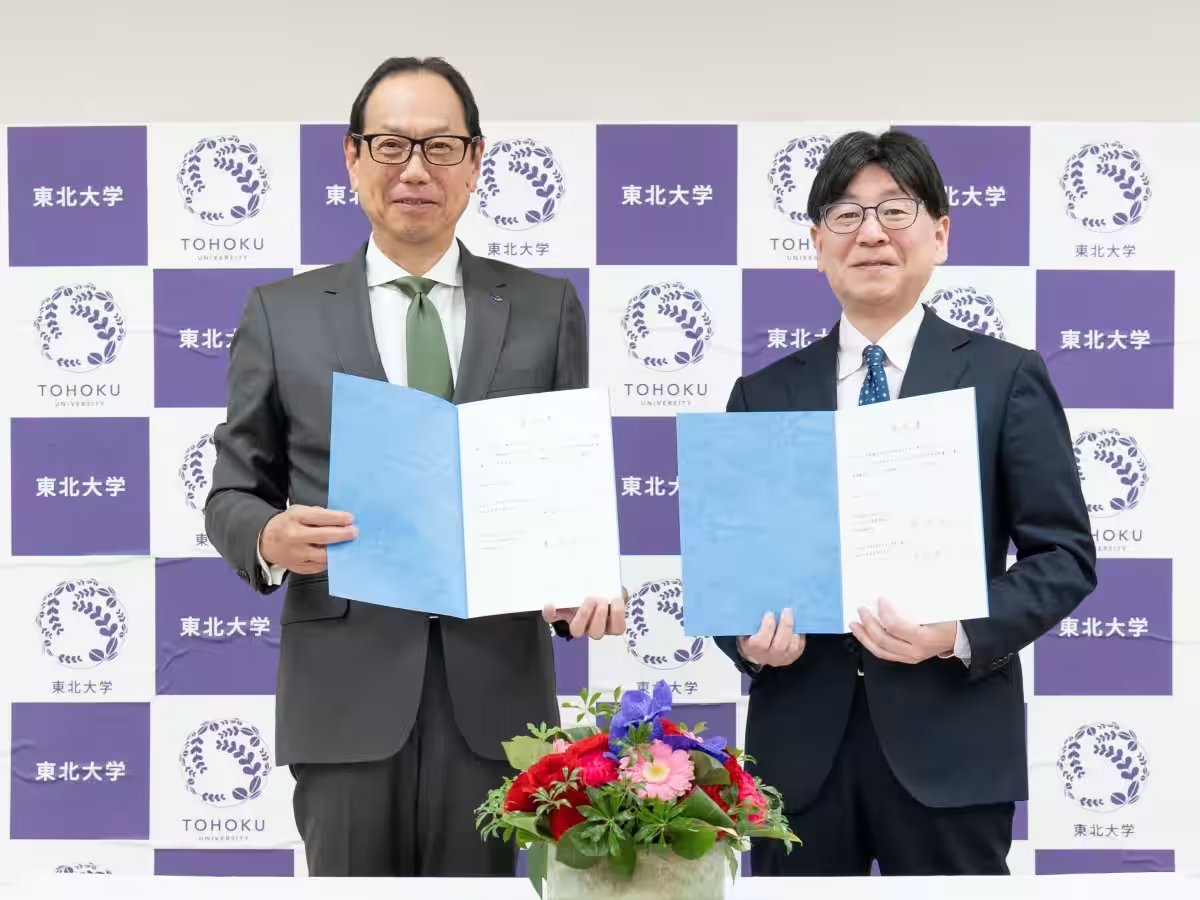
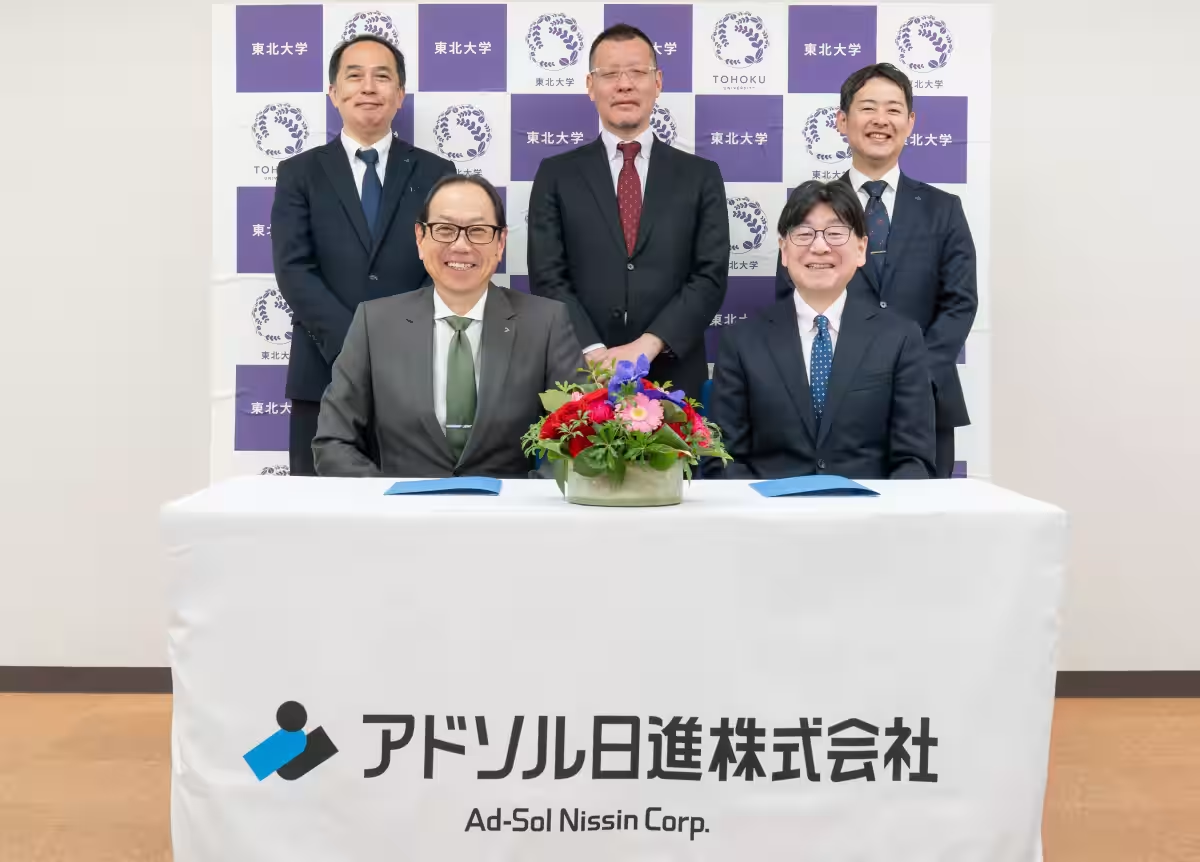
Tohoku University's Cyber Science Center and ADSOL NISSHIN, based in Tokyo, are excited to announce the commencement of their joint research project themed "AI New Era Data Platform," set to begin in April 2026. The collaboration aims to fuse the strengths of both institutions to enhance how data is managed and utilized in the age of AI.
Background of the Joint Research
As digitalization progresses and AI becomes more prevalent, the need for efficient data management and high-quality data processing has become apparent. Recognizing the necessity for a robust data infrastructure, the Cyber Science Center will collaborate with ADSOL NISSHIN to create a platform that not only supports vast data handling but will also contribute towards a more advanced societal infrastructure.
Dr. Takaki Nakamura, a professor at Tohoku University’s Cyber Science Center, leads this initiative from the academic side, leveraging his research focused on an 'information value-driven data infrastructure.' This approach allocates resources and processing methods based on the perceived value of the data, ensuring both speed and reliability in data handling.
ADSOL NISSHIN brings extensive practical experience from their work in social infrastructure, including urban planning and disaster resilience. Their knowledge of data management, AI technologies, and practical applications in real-world settings will be key to the study's success.
Overview of the Research
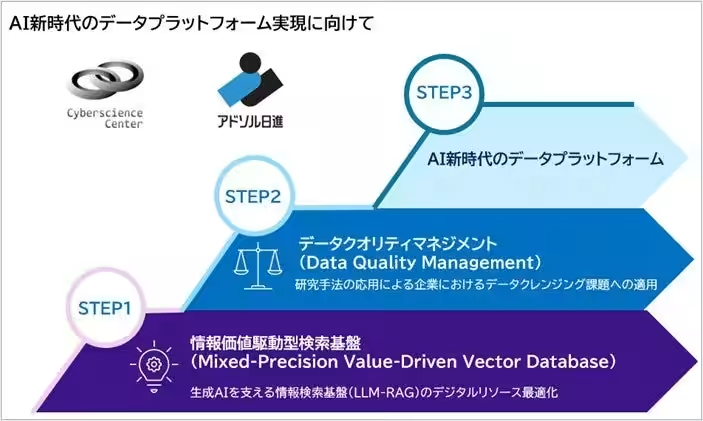
The collaborative project will unfold in two main steps:
1. Information Value-Driven Search Infrastructure: This step involves creating an optimized digital resource framework to support data retrieval in generative AI applications. This will focus on reducing database capacity while improving search accuracy through techniques like vector index compression, mixed precision techniques for efficient data chunking, and structured data flattening for enhanced precision.
2. Data Quality Management: This phase will address the challenges that enterprises face in data cleansing by ensuring data reliability and performance for generative AI applications. This includes improving timeliness and validity of data to expand the range of questions AI can accurately answer, thereby minimizing inaccuracies or 'hallucinations' in AI responses.
Expected Outcomes
The partnership aims not only to refine data processing capabilities but also to contribute significantly to societal challenges, such as carbon neutrality and digital inclusion. It will enable the design of a data infrastructure that aligns with the need of large-scale data processing, fostering an environment where AI can thrive in practical applications.
Dr. Takuo Suganuma, director of Tohoku University’s Cyber Science Center, expressed the importance of this collaboration, stating that it combines academic expertise with practical insights. He envisions this joint endeavor leading to innovative outcomes that can reshape how data is utilized in society, thereby realizing the goals of a digital and sustainable future.
ADSOL NISSHIN's CEO, Toshiaki Shinozaki, emphasizes that this research aligns with their vision of ‘Smart Infrastructure/Smart Life,’ and seeks to create a sustainable society through the innovative use of technology in urban and social frameworks.
Conclusion
The collaboration between Tohoku University and ADSOL NISSHIN could well mark a significant step forward in the digital transformation of society. Their joint efforts are poised not just to enhance technical capabilities but also to create valuable social impacts, paving the way for future innovations in data-driven research and applications, as their partnership reinforces the integration of advanced technologies into practical frameworks.
With the research slated to begin in April 2026, all eyes will be on this collaboration as it seeks to redefine the capabilities of AI and establish a pioneering data platform for the new digital age.
Topics Consumer Technology)

【About Using Articles】
You can freely use the title and article content by linking to the page where the article is posted.
※ Images cannot be used.
【About Links】
Links are free to use.