



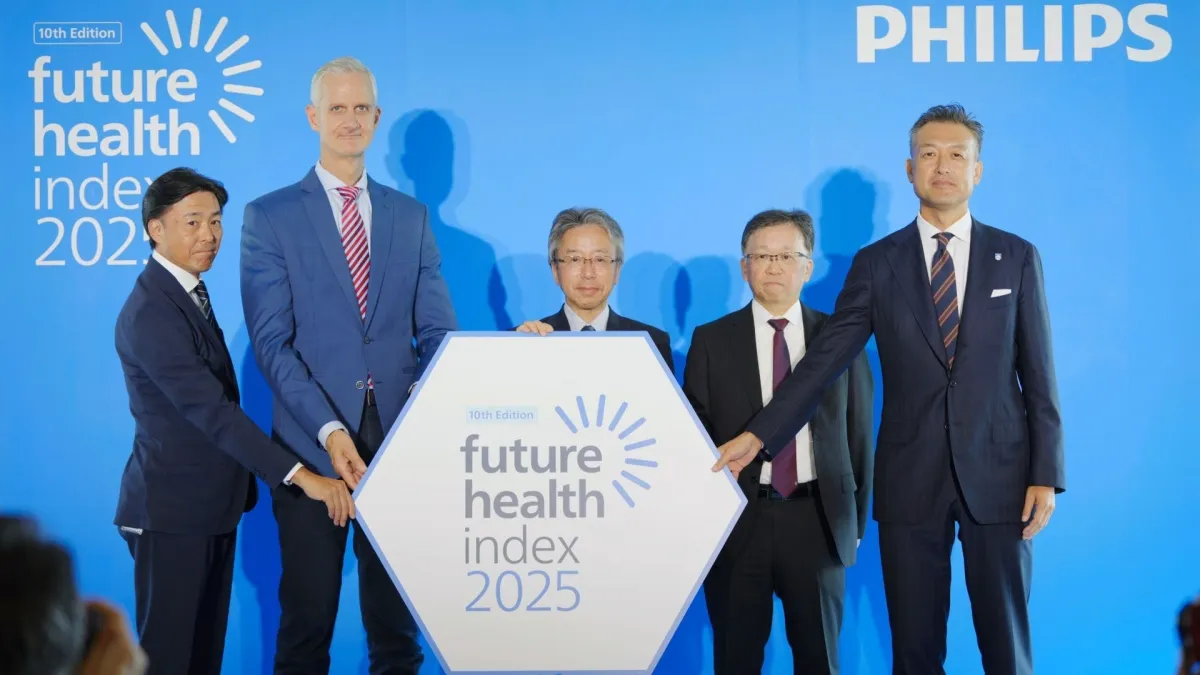
Philips Japan Holds Seminar on Emergency Medical Response Amid Disasters
Philips Japan's Press Seminar on Emergency Medical Response
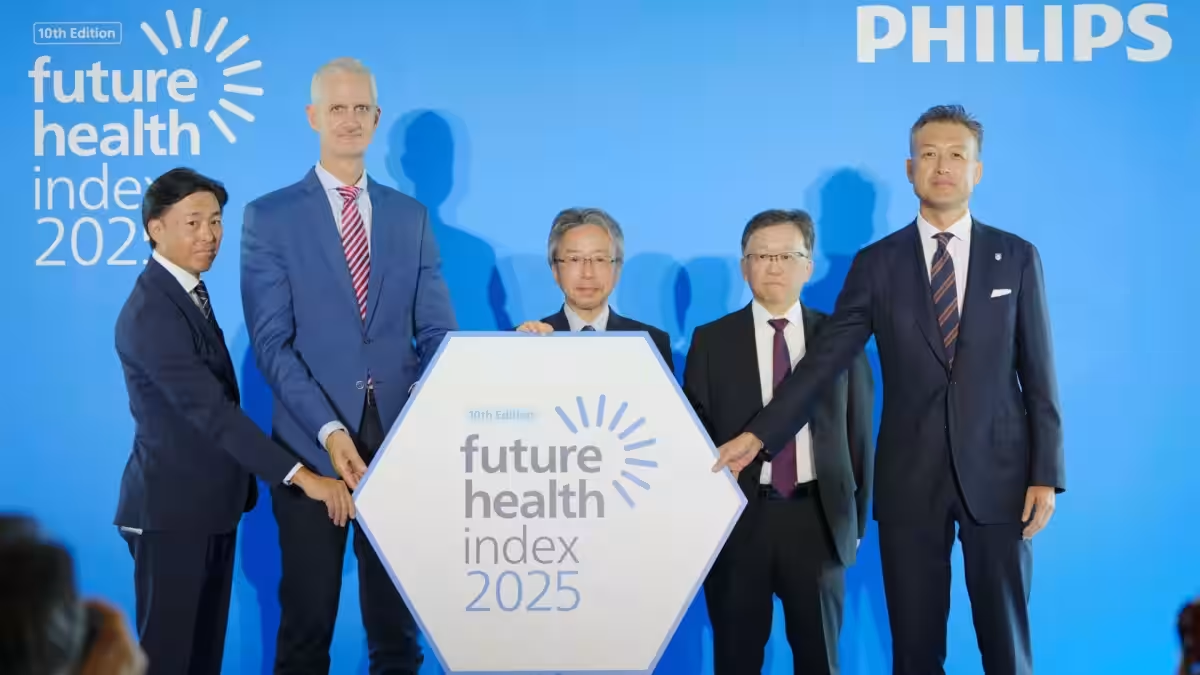
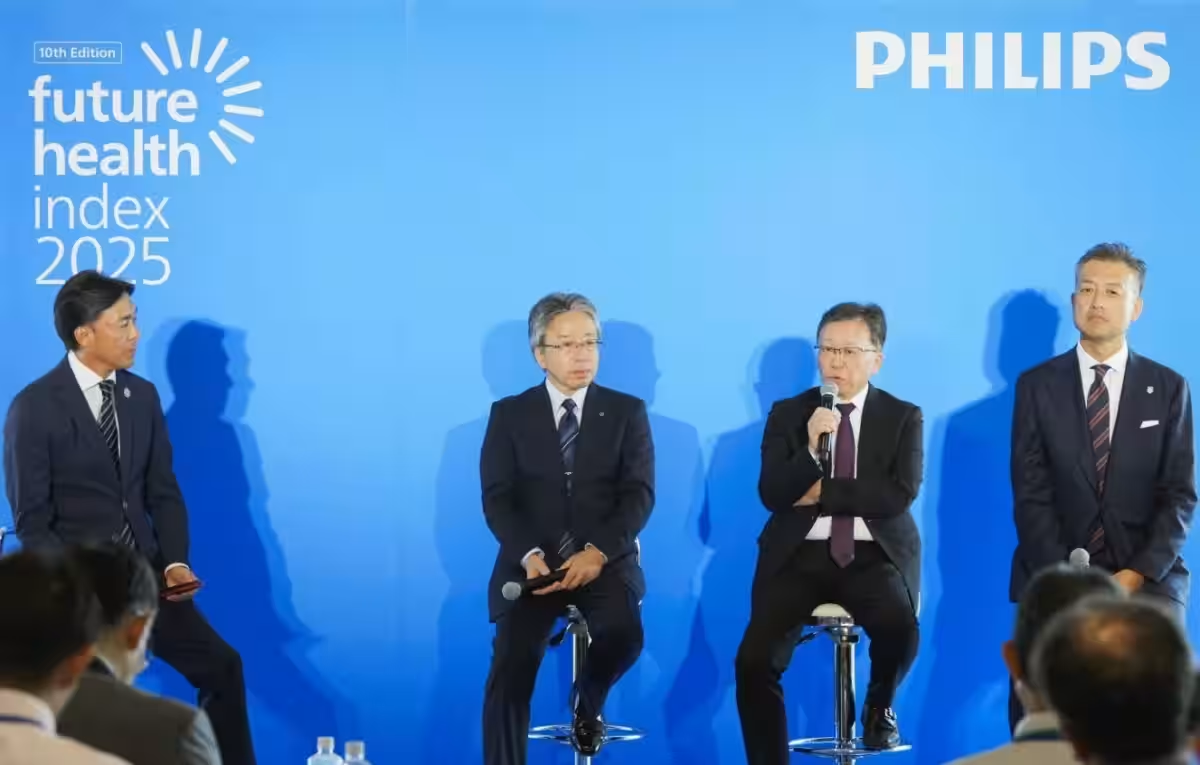
On September 30, 2025, Philips Japan, under the leadership of CEO Jasper Asuermans Westlink, hosted a press seminar titled "Medical Care That Doesn't Stop Even in Emergencies" at its headquarters in Azabudai. This event commemorated the release of the "Philips Future Health Index 2025 Japan Edition" (FHI2025). The seminar was supported by the Embassy of the Kingdom of the Netherlands and the Japan Electronics and Information Technology Industries Association (JEITA).
In recent years, Japan has faced various natural disasters, including earthquakes and floods, prompting the government to prepare for the establishment of a disaster management agency by 2026. As a result, the preparedness for emergency medical care, along with the restructuring of healthcare facilities' business continuity plans, has become an urgent priority. During the seminar, experts and healthcare professionals gathered to discuss specific initiatives in emergency medical care, focusing on the necessary medical equipment and the challenges of its promotion.
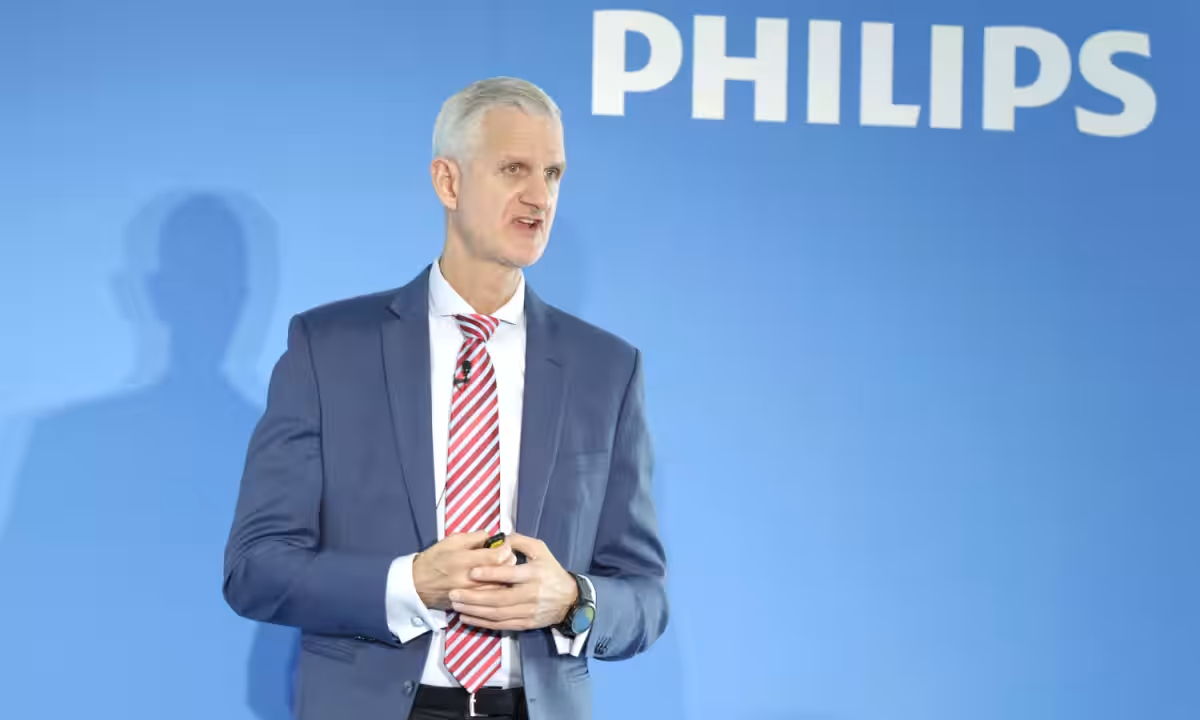
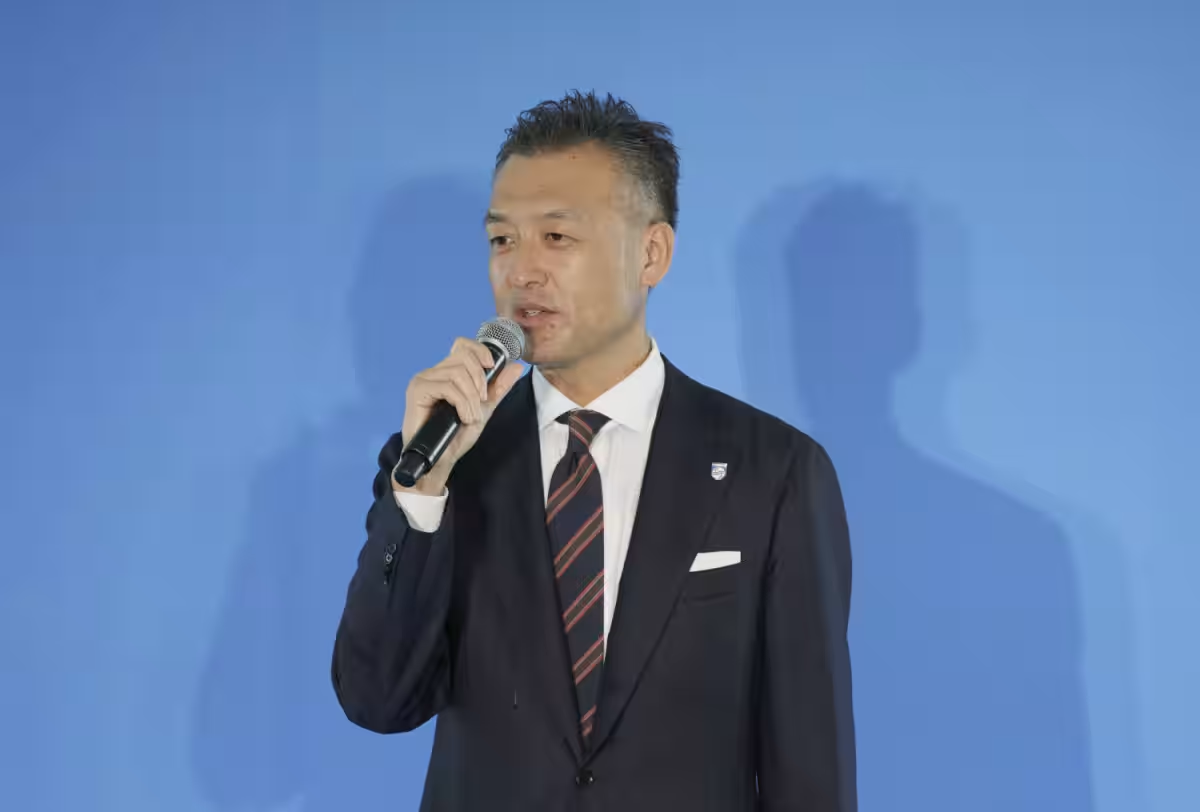
Opening Remarks By Jasper Asuermans Westlink
Jasper Asuermans Westlink's opening remarks included an overview of Philips' philosophy, business scope, and future outlook. He elaborated on the FHI2025 findings, which revealed that the acceptance of AI and technology within domestic healthcare settings remains comparatively low. A significant gap exists in the perception between healthcare professionals and patients, with the former generally more open to using AI technologies, whereas patients showed skepticism and caution. However, the seminar revealed that if doctors adequately explain the use of AI, 84% of patients respond positively.
Building on these insights, Jasper emphasized the importance of fostering mutual understanding regarding the use of technology in healthcare. He reaffirmed Philips' mission to connect Japan's future healthcare with AI, positioning the company as a leading healthcare provider. He noted that effectively leveraging technology would enhance healthcare efficiency, increase dialogue time with patients, and invigorate preventive health measures, thus improving both the quality and efficiency of care. This endeavor is not merely about technology provision, but also about addressing societal challenges, especially in the context of emergency medical services.
Panel Discussion on Emergency Medical Care
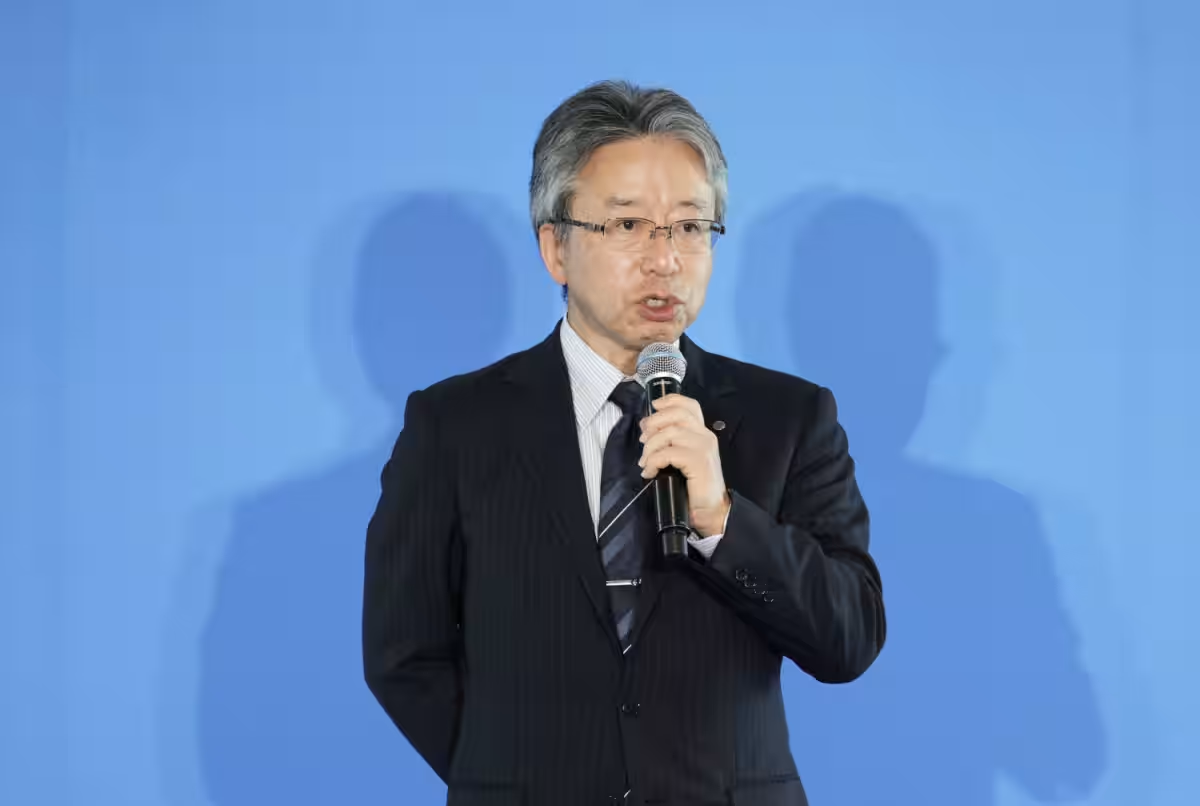
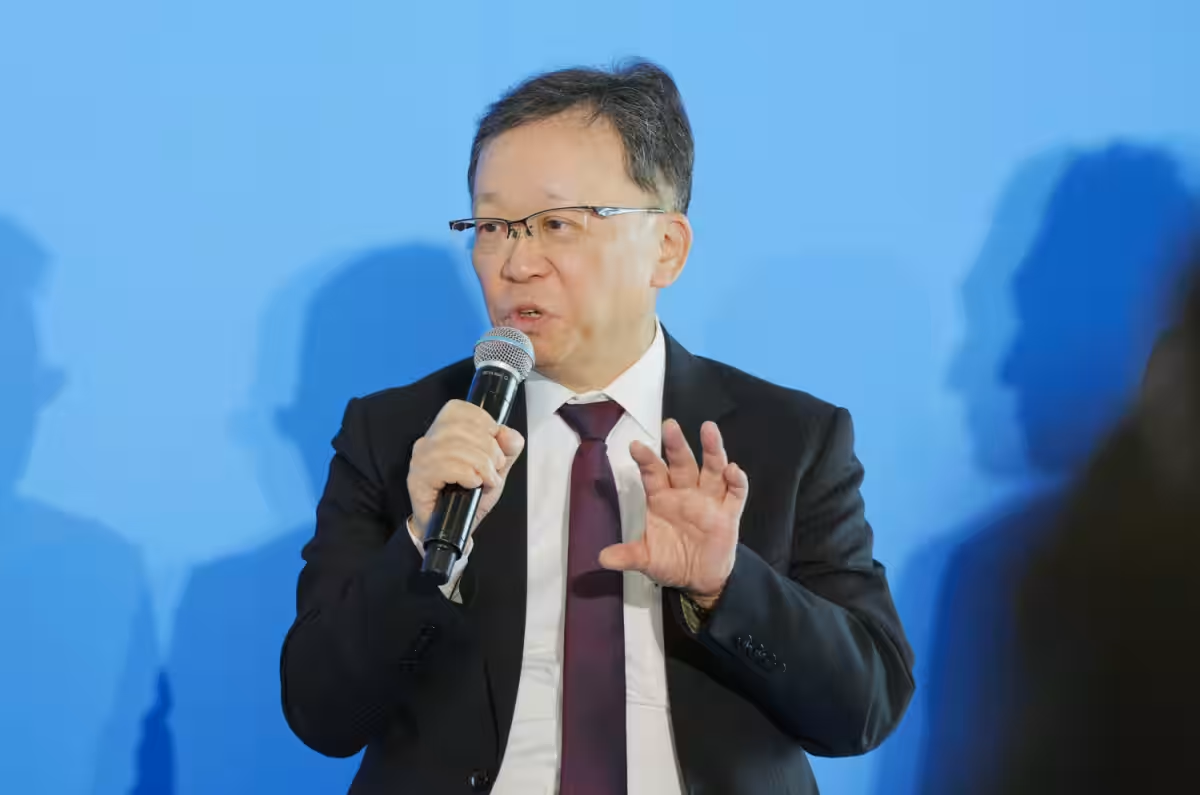
Following Jasper's speech, a talk session commenced, focusing on the theme "Medical Care That Doesn't Stop Even in Emergencies." Nobusaku Ueda, a representative from the Japanese Red Cross Society, discussed the challenges related to anticipatory actions and resilient community healthcare. He shared examples from the Great East Japan Earthquake in 2011, emphasizing the significance of preparedness through prediction-based measures, risk mitigation, and a structured cycle of disaster response. Moreover, he mentioned data indicating that many earthquake-related deaths resulted from poor living conditions in evacuation centers, highlighting the necessity of improving environments through adequate facilities.
Next, Hiroshi Kadohara from Philips' Precision Diagnosis division addressed disaster preparedness specifically related to the installation and infrastructure of medical equipment. He also pointed out the risks posed by tsunami and river flooding, noting that positioning equipment on higher floors is effective but often difficult due to weight and infrastructure constraints. The company's helium-free MRI, "BlueSeal," offers solutions to these challenges, being both lighter and eliminating the need for quenching pipes.
Takahiko Naruse from Kasugai Municipal Hospital shared their disaster preparedness initiatives, noting that the hospital is expected to act as a regional medical hub during emergencies due to its robust foundation. He emphasized their focus on adopting "BlueSeal," enhancing disaster drills, and incorporating digital transformation strategies in disaster responses.
Conclusions and Future Directions
The seminar concluded with a panel discussion moderated by Jun Iwata, focusing on enhancing temporary medical frameworks during emergencies. The participants shared insights on the importance of collaboration and communication among healthcare facilities and local governments to ensure efficient resource utilization during crises. This open dialogue underlined the need for a collaborative approach whereby healthcare equipment manufacturers like Philips engage actively with healthcare facilities during emergencies.
Ultimately, this seminar provided valuable insights into the challenges and advancements in disaster medical care, highlighting the importance of preparedness, technology adoption, and collaboration in saving lives during critical times. Philips strives to create comprehensive solutions with the vision of "Better care for more people," ensuring that every life saved counts. The company remains committed to developing products and solutions to support either emergency rescue activities or home care environments.
Event Summary
- - Title: Commemorative Seminar for the Release of Philips Future Health Index 2025 Japan Edition: "Medical Care That Doesn't Stop Even in Emergencies"
- - Date: September 30, 2025, 1:00 PM - 3:00 PM
- - Venue: Philips Japan Headquarters, Sakurapark, Azabudai
- - Address: 1-3-1 Azabudai Hills Mori JP Tower 15th Floor, Minato-ku, Tokyo, Japan
- - Speakers: Jasper Asuermans Westlink (CEO, Philips Japan), Hiroshi Kadohara (Precision Diagnosis Division), Nobusaku Ueda (Japanese Red Cross Society), Takahiko Naruse (Director, Kasugai Municipal Hospital)
Topics Health)
【About Using Articles】
You can freely use the title and article content by linking to the page where the article is posted.
※ Images cannot be used.
【About Links】
Links are free to use.