



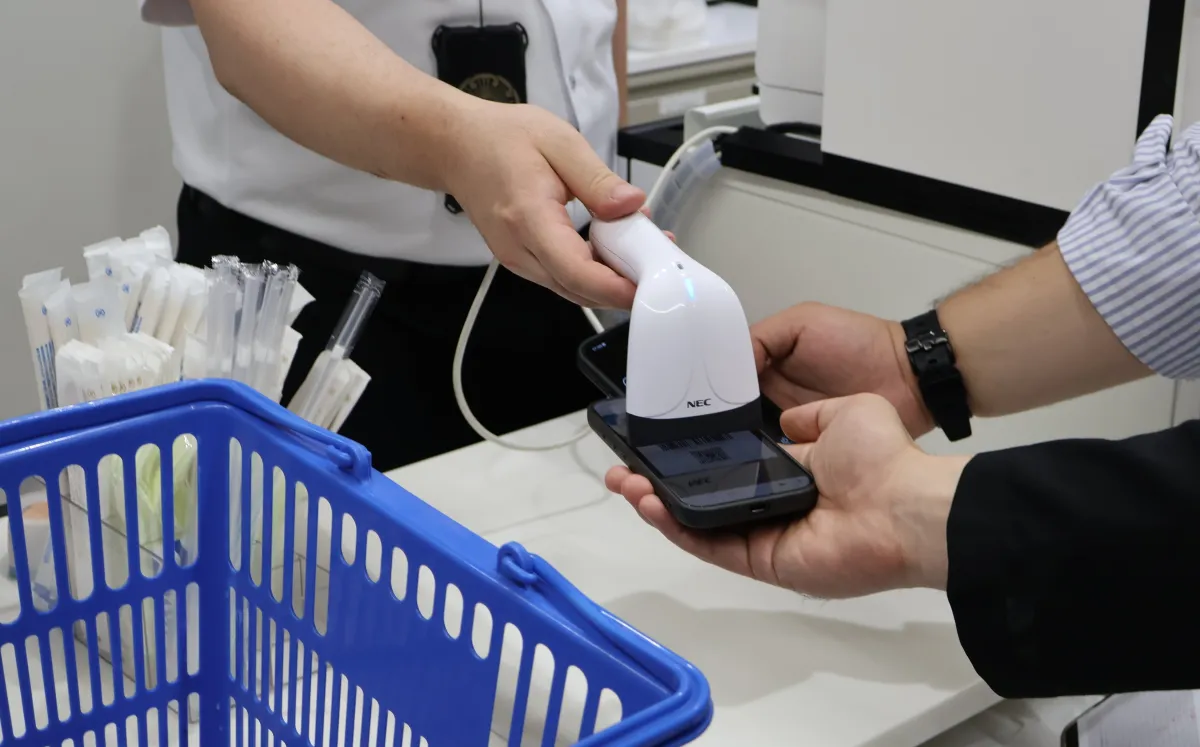
Lawson and Netstars Collaborate on In-Store Stablecoin Payment Pilot
Lawson's In-Store Stablecoin Payment Experiment
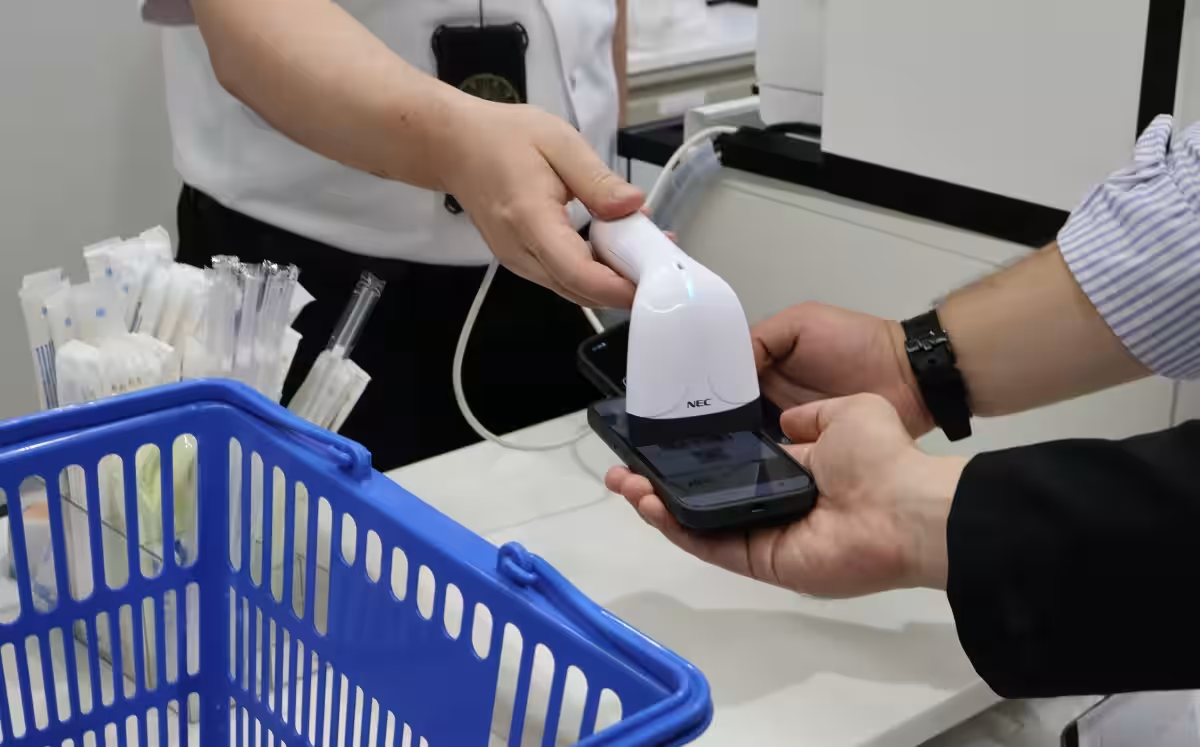
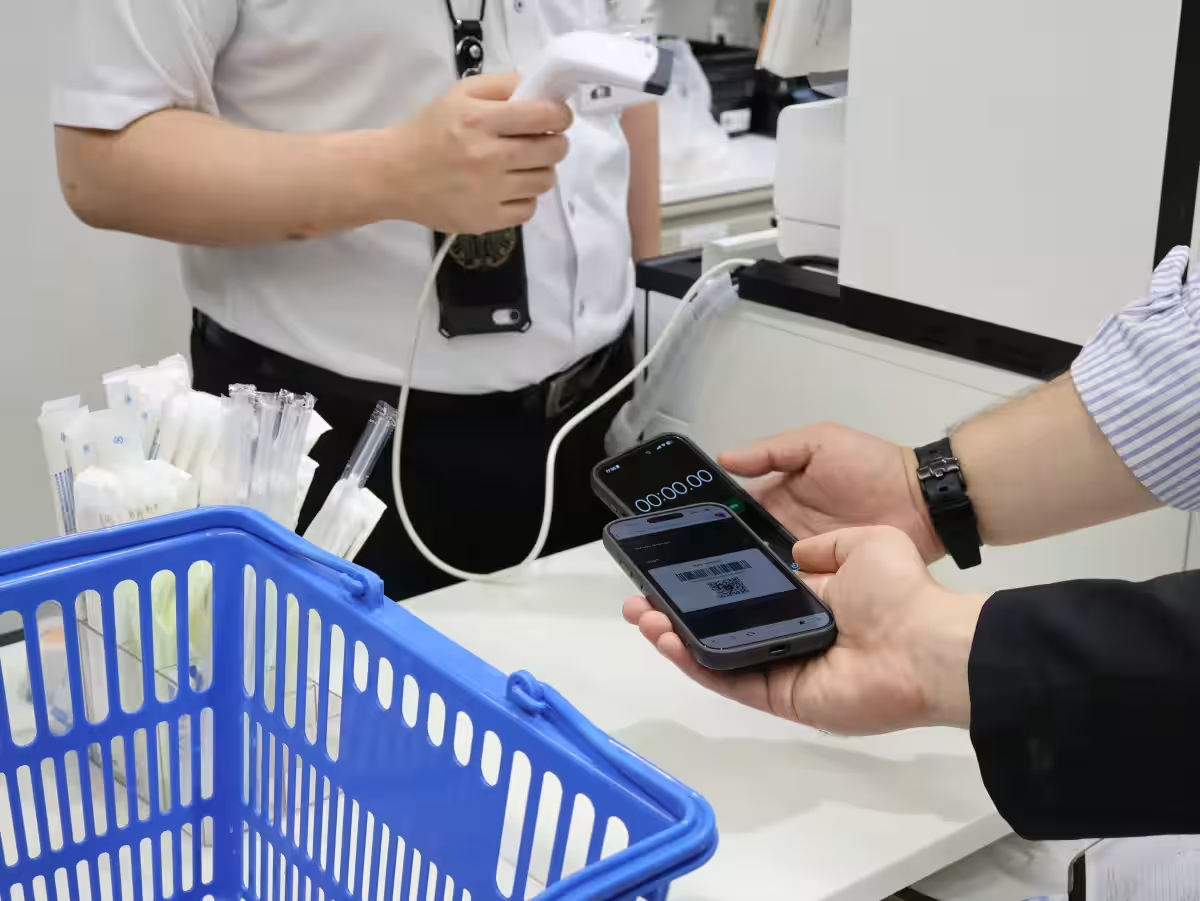
On August 17, 2026, Lawson, in collaboration with Netstars, conducted a landmark pilot program for its 'Stablecoin Pay' service at its Ohsaki Atrium location. This initiative explores the integration of stablecoins in retail environments by utilizing Netstars' cashless payment gateway named 'StarPay'. The pilot included a preliminary experiment conducted earlier on August 3, 2026, which laid the groundwork for this more extensive testing phase.
What are Stablecoins?
Stablecoins are digital currencies that maintain a stable value by being pegged to traditional currencies, such as the US dollar or the Japanese yen. This stability plays a critical role in enhancing the usability of digital currencies for everyday transactions. The current experiment focused on three types of stablecoins: USDC, USDT, and JPYC, facilitating in-store payments at the convenience store level. By integrating these stablecoins with existing point-of-sale (POS) systems, Netstars aims to assess their operational impact, transaction speed, and overall user experience in real-world retail scenarios.
Significance of the Experiment
Analyzing the viability of stablecoin payments in convenience stores is crucial in pushing forward the adoption of digital currencies for daily purchases. Convenience stores, known for their high volume of quick transactions, require payment methods that are not only efficient but also user-friendly. By examining transaction times and operational effects during the pilot, the experiment hopes to determine how seamlessly stablecoin payments can be incorporated without disrupting existing operations.
Key Features of the Experiment
The pilot involved connecting Lawson's existing POS systems with the StarPay payment gateway to test stablecoin transactions in a real-world environment. The primary goals included:
- - Evaluating transaction speeds during busy periods.
- - Assessing the impact on store operations and accounting workflows.
- - Understanding customer usability and the ease of conducting stablecoin transactions.
Lawson is committed to adapting a diverse range of payment methods to meet customer demands. The ongoing effort is part of a broader strategy to prepare for the era of digital currencies, where efficient and varied payment options will become the norm.
Future Outlook
Netstars is also advancing its 'StarPay' multi-cashless payment gateway to support various payment options both domestically and internationally. The initiative reflects a significant step towards bridging the gap between Web2 and Web3 financial ecosystems, paving the way for a multi-coin, multi-wallet, and multi-chain payment architecture. After recently commercializing the 'Stablecoin Pay' service, interest from businesses eager to adopt stablecoin transactions has surged.
The experiment at the Ohsaki Atrium not only explores the feasibility of stablecoin payments but also seeks to establish a framework for everyday use across diverse retail settings. By leveraging insights gained from the pilot, Netstars aims to address potential challenges, enhancing the social implementation of stablecoin payments in physical stores.
Experiment Overview
- - Experiment Date: August 17, 2026 (with preliminary tests done on August 3)
- - Participants: Representatives from Netstars, Lawson, and other stakeholders
- - Supported Stablecoins:
- USDT (operating on Solana, Morph, and Polygon chains)
- JPYC (operating on Polygon chain)
- - Supported Wallet: MetaMask
- - Focus of Testing: Integration effectiveness of stablecoins with in-store POS systems, examining factors such as transaction speed, operational efficiency, and customer experience. The results will help address challenges and enhance improvements for broader societal application.
In summary, Lawson and Netstars' stablecoin payment experiment represents an ambitious forward-thinking initiative, aiming to integrate digital currencies into everyday transaction landscapes. The success of this trial may herald a new era for cashless transactions in Japan, setting the stage for increased stability and convenience in the digital payment space.
Topics Consumer Products & Retail)
【About Using Articles】
You can freely use the title and article content by linking to the page where the article is posted.
※ Images cannot be used.
【About Links】
Links are free to use.