



FelicitySolar Engages in ENF Trade TV Debate on LFP vs Sodium-Ion Batteries
FelicitySolar Joins the Discussion on ENF Trade TV
On November 20, 2025, FelicitySolar, a global frontrunner in off-grid energy storage solutions, took part in an important dialogue on ENF Trade TV. This discussion spotlighted the increasingly heated debate surrounding lithium iron phosphate (LFP) and sodium-ion battery technologies. With the global energy storage market experiencing unprecedented growth, understanding battery chemistry options has become vital for investors and end-users alike.
The Global Energy Storage Market Surge
Currently, the international energy storage market is on a meteoric rise, particularly in North America and Europe. The adoption of energy storage systems in residential and commercial settings is primarily driven by escalating electricity costs, the need for diversified energy sources, and ambitious carbon emissions reduction targets. As of 2025, LFP batteries represented over 60% of newly deployed energy storage systems worldwide, underscoring their reliability, established supply chains, and cost-competitive structures. In contrast, sodium-ion batteries are gaining traction for their abundant raw materials and potentially lower costs.
Technical Comparison: LFP vs. Sodium-Ion Batteries
1. Energy Density
Sodium-ion batteries typically offer energy densities ranging from 100-160 Wh/kg, whereas LFP systems can achieve values between 160-200 Wh/kg. The higher energy density allows LFP systems to store more electrical energy in less space, making them the preferred choice for both residential and commercial applications.
2. Thermal Stability and Safety
Safety remains a top priority in both residential and commercial environments. Although sodium-ion battery chemistry exhibits decent characteristics, LFP batteries lead the industry in thermal stability, ensuring safer operation under heavy loads and extreme conditions.
3. Low-Temperature Performance
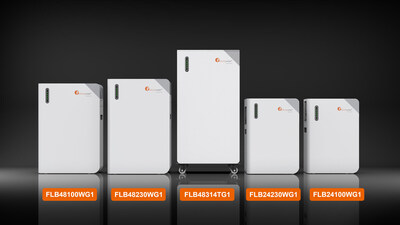
Sodium-ion systems perform admirably in low temperatures, maintaining solid output power at -20℃. However, LFP batteries are quickly closing this gap. FelicitySolar’s FLB series products are equipped with optional heating modules that maintain battery efficiency in cold climates, making them suitable for harsher environmental conditions.
4. Cycle Life and Return on Investment (ROI)
LFP batteries offer 4000-8000 charge cycles, compared to sodium-ion batteries with 1000-3000 cycles. The rated cycle life of Felicity Solar's FLB batteries falls between 6000-8000, providing long-term reliability, reduced replacement costs, and higher ROI for homeowners and commercial entities alike.
5. Long-Term Storage Performance
LFP batteries feature a low self-discharge rate (~3%), making them ideal for energy storage needs over time or for backup power. The higher self-discharge rate of sodium-ion batteries may limit their effectiveness when systems remain inactive for extended periods.
6. Environmental Impact
Sodium-ion batteries eliminate the need for critical raw materials, relying on abundant sodium resources, but they possess higher unit production costs. LFP batteries, composed of iron and phosphate, provide benefits such as low-emission manufacturing and stable raw material supplies, enabling sustainable large-scale production.
Conclusion
As North America and Europe introduce incentives for energy storage systems in residential and commercial applications, LFP batteries are well-positioned to meet the growing demand. Sodium-ion battery technologies, while promising for low-cost applications, are still emerging and their full potential will depend on further validation of their parameters and specific application requirements.
LFP technology remains a cornerstone of reliable energy storage. Innovations like the optional heating modules in FelicitySolar’s FLB series ensure optimal battery performance even in low temperatures, making them ideal for both residential and commercial users. While sodium-ion batteries hold future potential, LFP technologies continue to deliver proven value today.
For more information, visit FelicitySolar.
Topics Energy)
【About Using Articles】
You can freely use the title and article content by linking to the page where the article is posted.
※ Images cannot be used.
【About Links】
Links are free to use.