



The Rise of Generative AI in Engineering: Challenges and Training Responsibilities
The Rise of Generative AI in Engineering: Challenges and Training Responsibilities
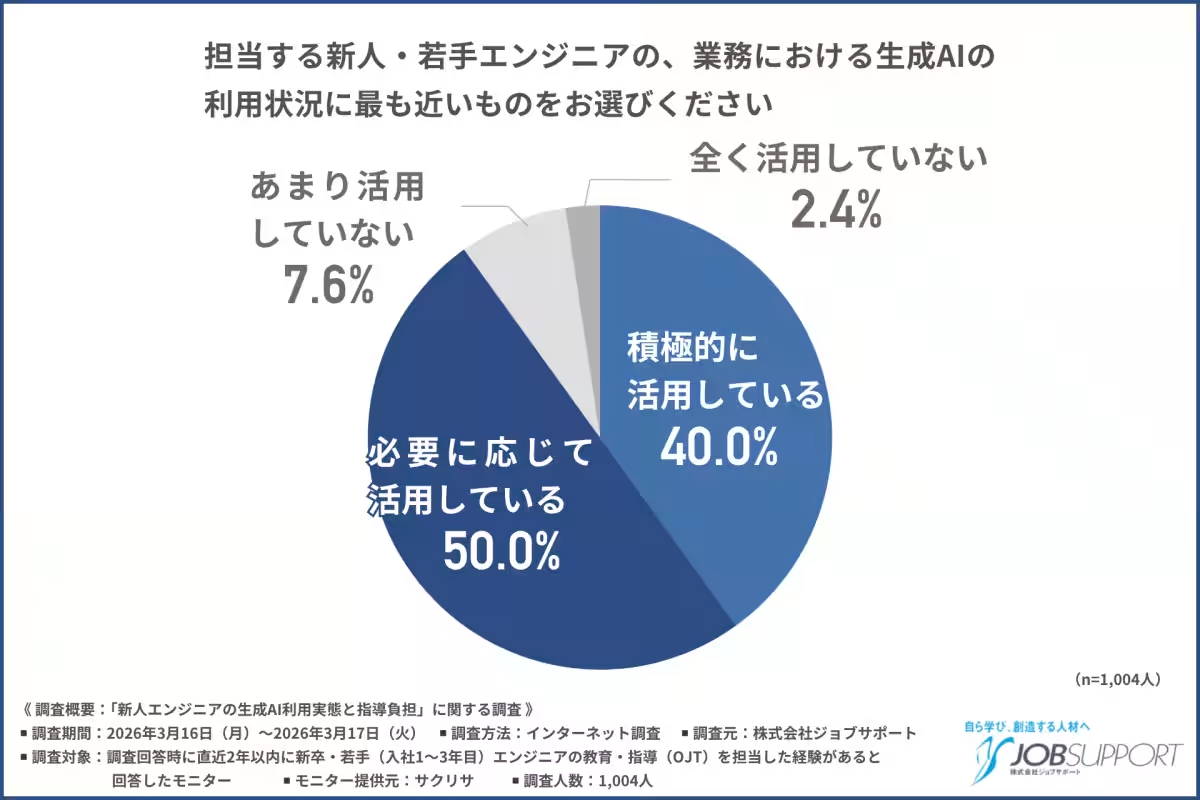
In today's tech-driven landscape, the integration of Generative AI into engineering practices has become increasingly prevalent. A recent survey by Job Support, conducted among 1,004 individuals responsible for on-the-job training (OJT) of fresh engineers, reveals alarming trends about the impact of this advanced technology on training burdens. With approximately 90% of new engineers actively using Generative AI in their work, it raises essential questions regarding the foundational skills necessary for their success.
Survey Insights
The survey was carried out from March 16 to March 17, 2026, targeting those responsible for the development of new engineers within their first three years of employment. Although the advantages of Generative AI in streamlining tasks are apparent, the results show significant concerns regarding the practitioners’ abilities to leverage this technology effectively. The findings underline a persistent lack of autonomy and fundamental knowledge among new engineers, which is exacerbated in the age of Generative AI.
Frequency of AI Utilization
When asked about the AI usage patterns among their trainee engineers, 40% of respondents indicated that these engineers are actively utilizing AI tools, while 50% claim they use them as required. This highlights that a substantial majority of new engineers are reliant on these technologies in their daily tasks.
Challenges Encountered
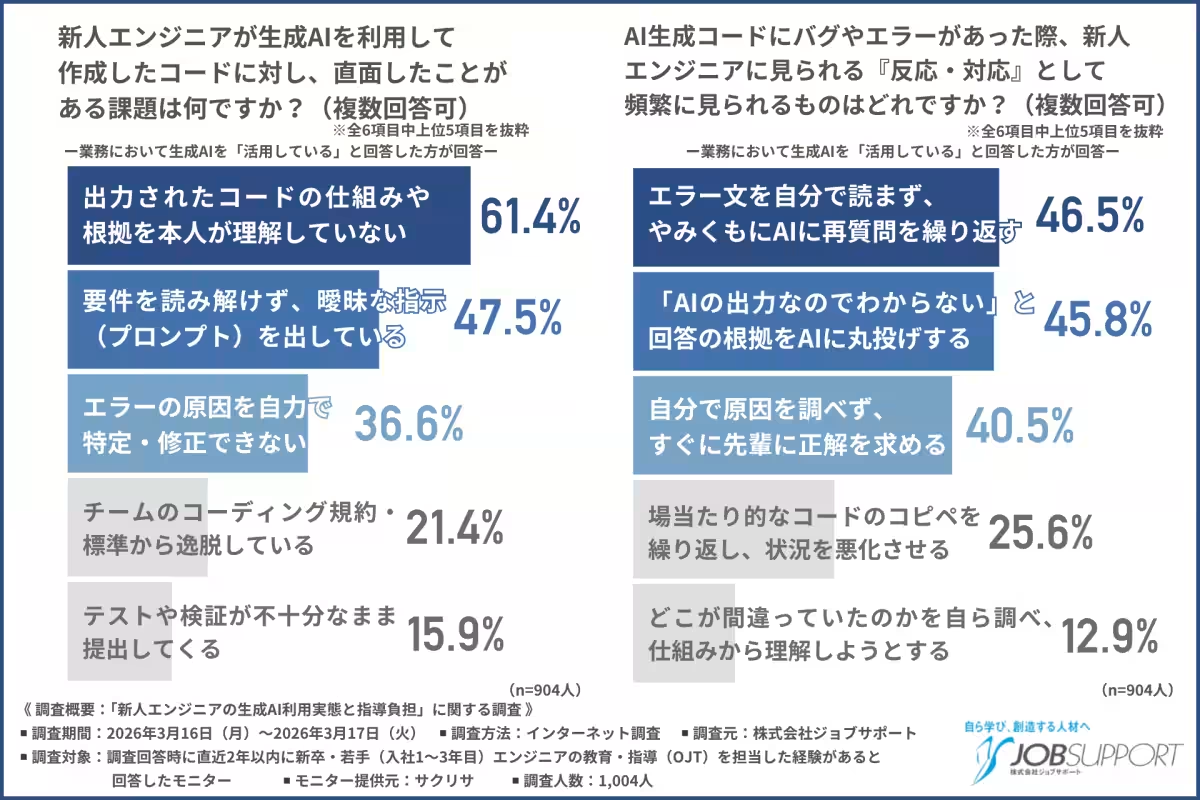
However, despite this heavy reliance, the survey unveiled that 61.4% of respondents observed trainees lacked a solid understanding of the logic and reasoning behind the codes generated by AI. Additionally, significant numbers pointed to issues such as unclear prompts (47.5%) and an inability to diagnose or rectify errors independently (36.6%). These statistics suggest that while Generative AI is a powerful tool, it cannot replace the need for a sound understanding of programming fundamentals.
Impact on Training Load
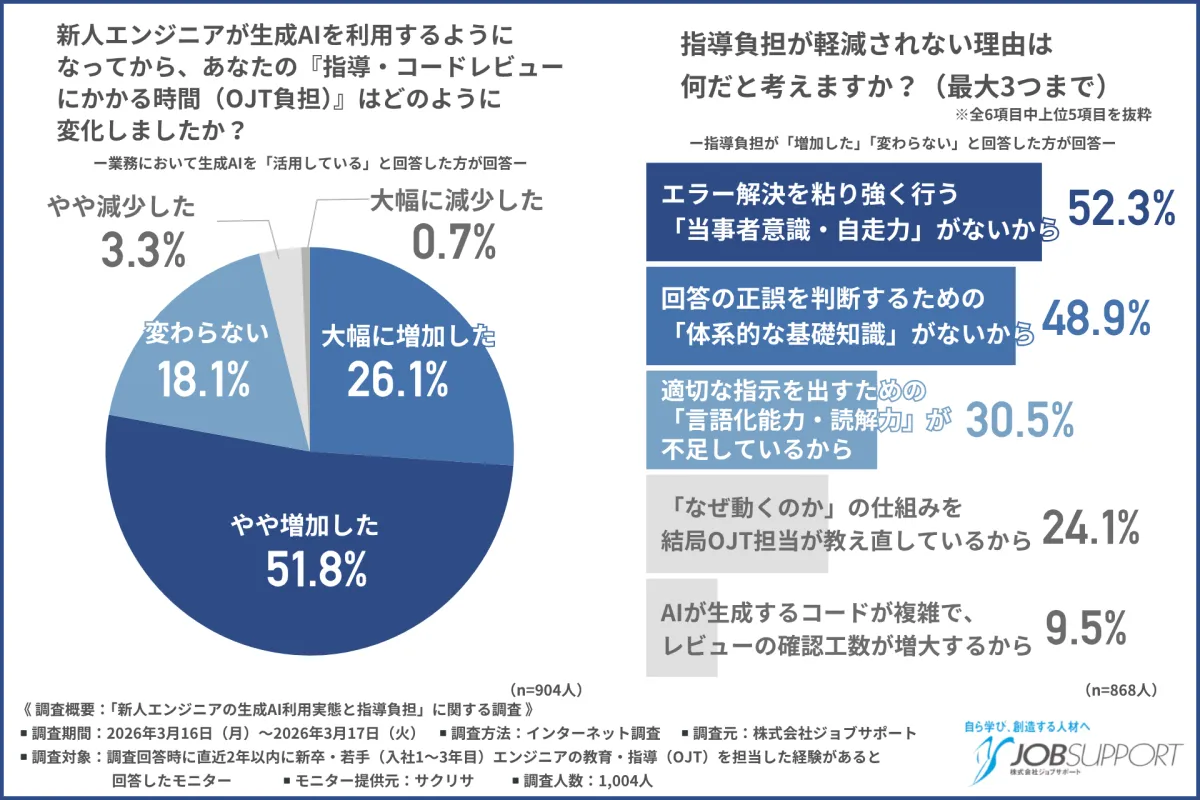
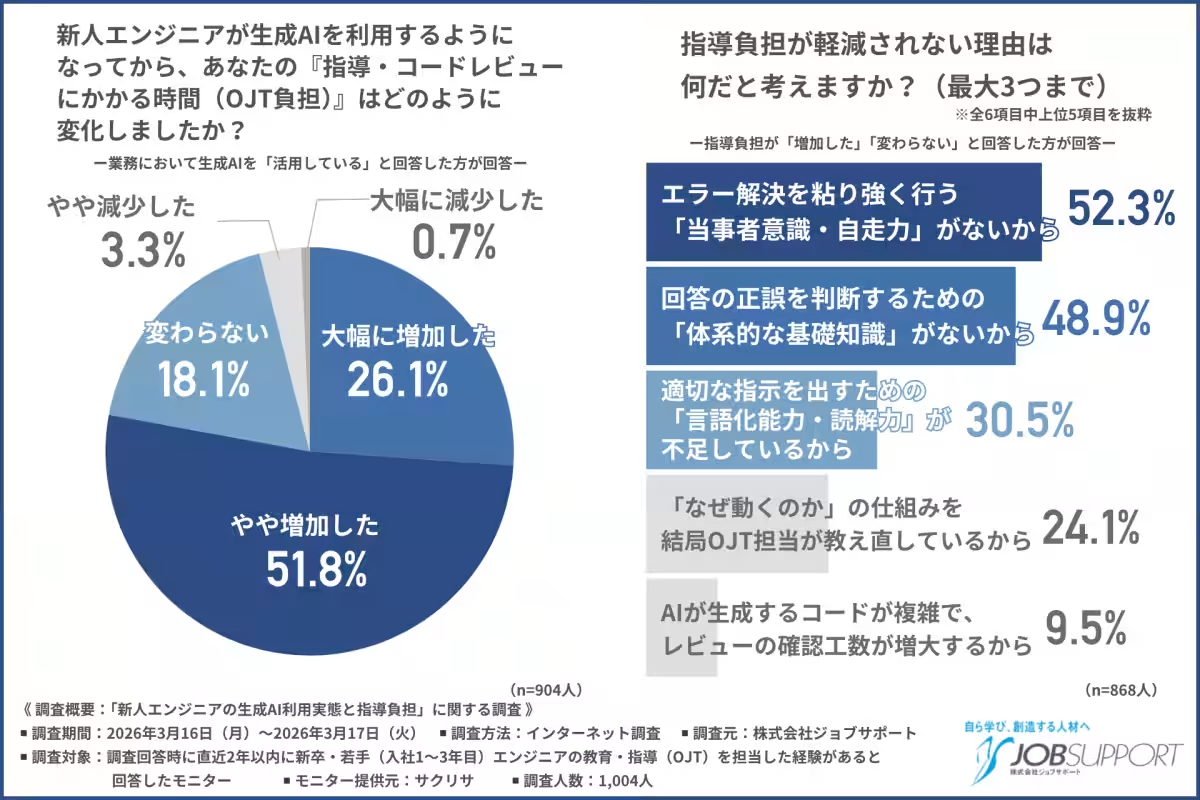
A critical aspect of the survey focused on how the introduction of AI tools has altered the OJT responsibilities for mentors. With almost 80% of respondents reporting an increase in training burdens, it's clear that the transition to AI-assisted coding has not alleviated the need for thorough oversight. Many employers are now spending more time rectifying misconceptions and fundamental gaps in knowledge rather than solely focusing on advancement and innovation.
Underlying Causes for Increased Burden
Survey respondents identified a lack of self-driven problem solving (52.3%) and inadequate base knowledge (48.9%) as primary reasons for the escalating OJT responsibilities. Furthermore, the study highlighted a critical shortcoming: many new engineers struggle to articulate clear prompts necessary for the AI to function effectively (30.5%). This points to an urgent need for training that develops both language skills and reading comprehension.
Training Recommendations
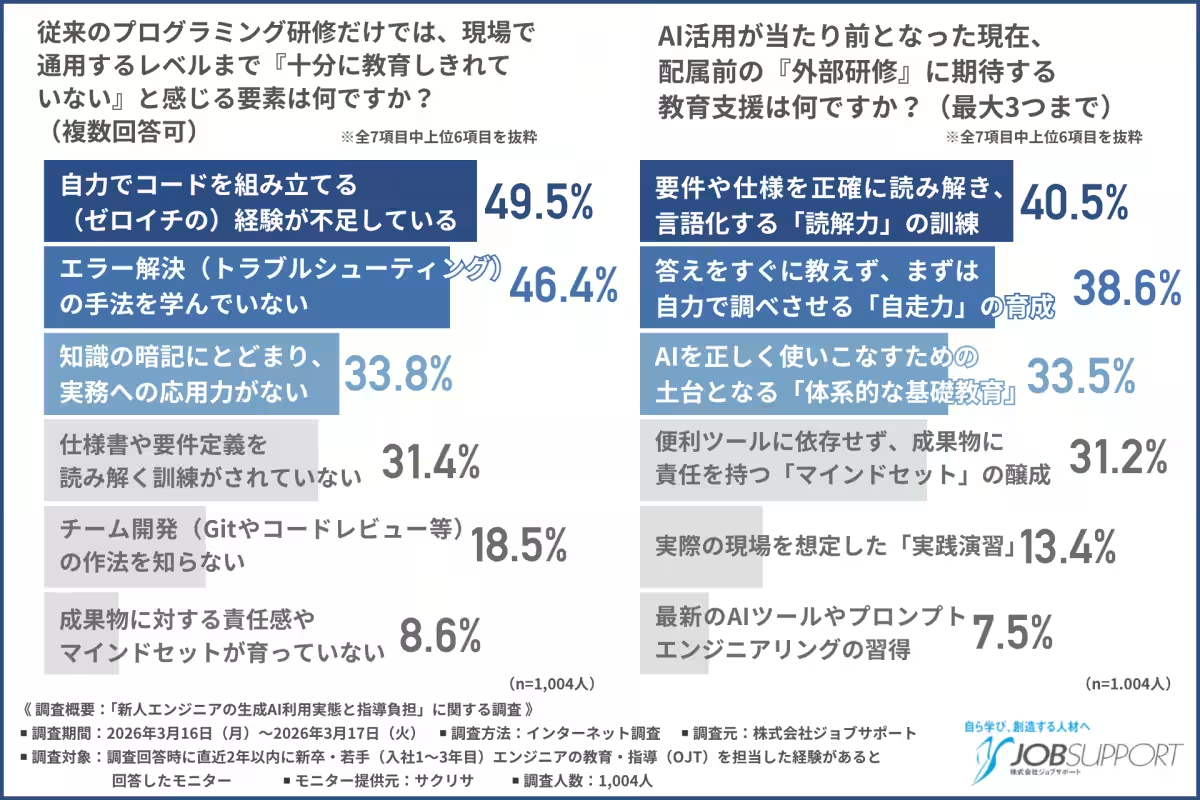
Given the situation, the survey sought to identify expectations for training programs designed for new hires, especially in context of AI proficiency. The majority indicated a need for developing reading comprehension skills (40.5%), fostering self-reliance in problem resolution (38.6%), and establishing a robust foundational education in relevant technical skills (33.5%). These findings stress the importance of a comprehensive educational system that does not merely focus on the mechanics of coding but also nurtures critical thinking and autonomy.
Conclusion: Preparing Engineers for the Future
The emergence of Generative AI brings a new set of challenges that demand reevaluation of training methodologies. Companies like Job Support recognize the need for an educational approach that prioritizes both the understanding of programming fundamentals and the cultivation of soft skills, such as critical thinking and problem-solving.
As the workforce adapts to these changes, it's crucial for employers to emphasize the importance of foundational knowledge and personal initiative. By doing so, they can ensure that new engineers are not just consumers of automated solutions, but knowledgeable, capable professionals who can thrive in and contribute to the evolving tech landscape.
For more insights and detailed data about AI usage and its implications in engineering training, interested parties can access the full white paper published by Job Support through their official website.

Topics Business Technology)
【About Using Articles】
You can freely use the title and article content by linking to the page where the article is posted.
※ Images cannot be used.
【About Links】
Links are free to use.