



Exploring the Benefits and Challenges of Teleworking in Rural and Suburban Areas
The Rise of Teleworking in Rural and Suburban Areas
In a groundbreaking survey conducted by LASSIC, a leading figure in promoting flexible work styles, insights have been gathered from 1,004 teleworkers regarding their experiences in rural and suburban areas. The report outlines the key benefits and challenges faced by these workers, with significant data revealing their perspectives on telework.
Benefits of Teleworking in Rural Areas
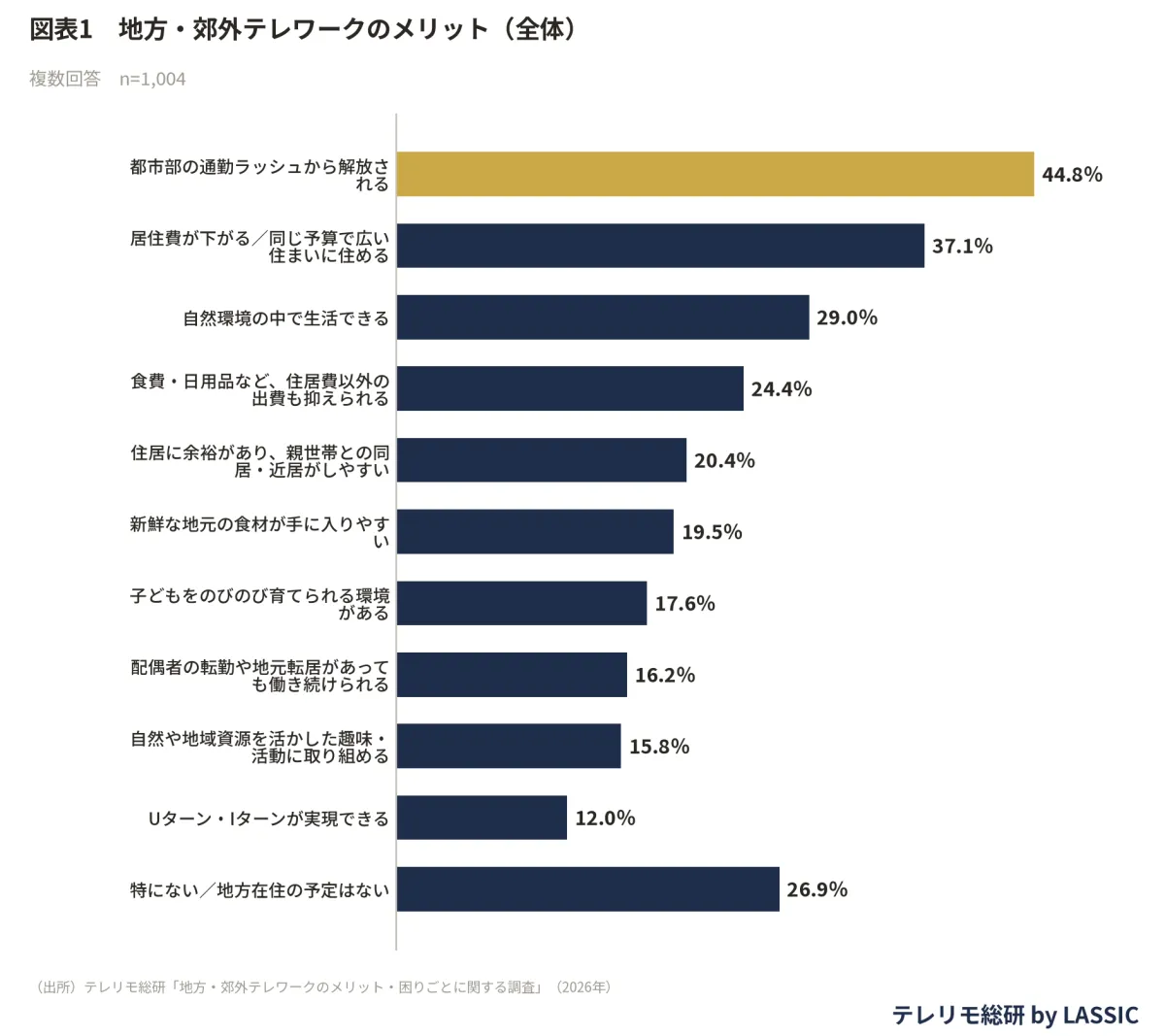
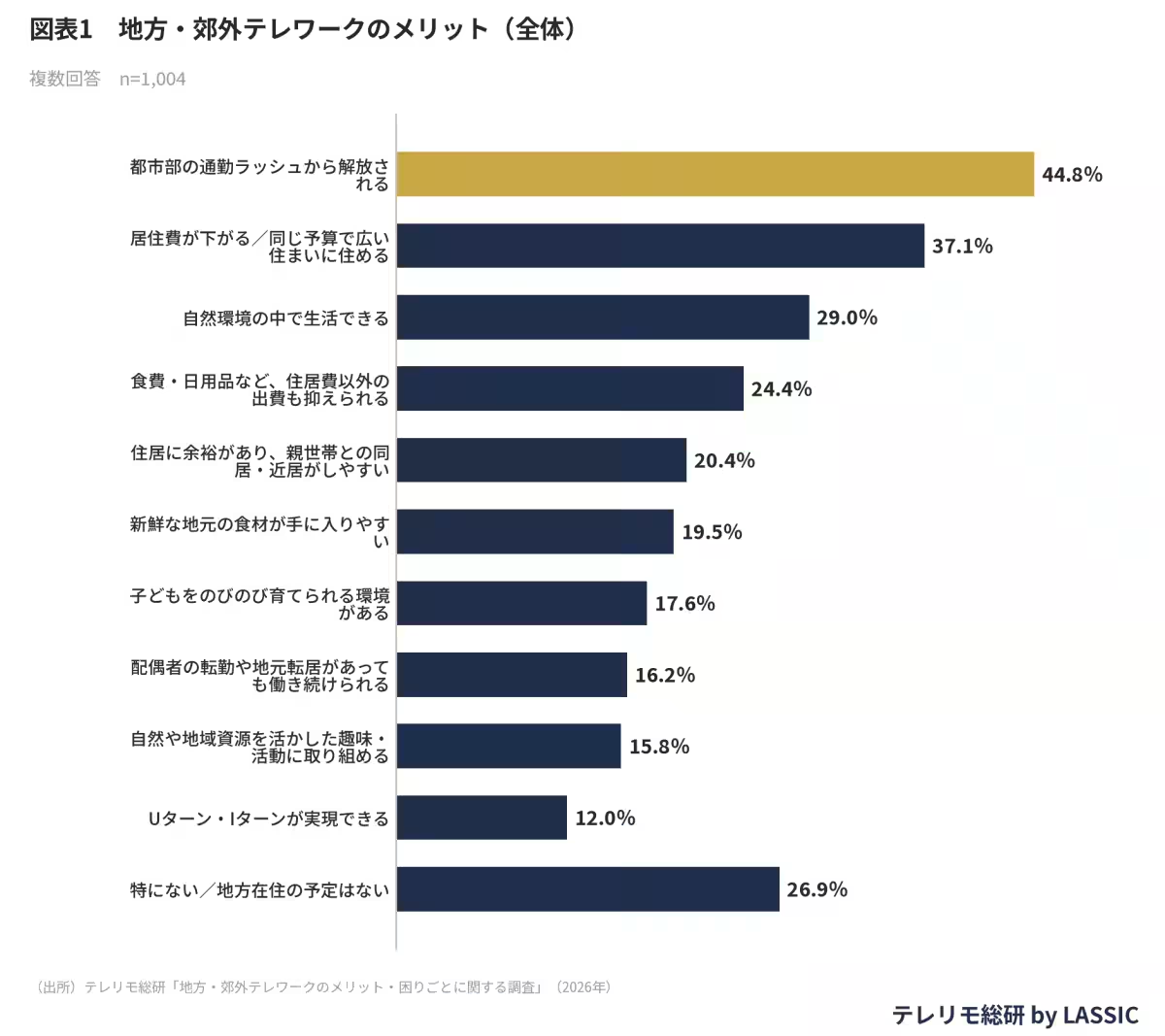
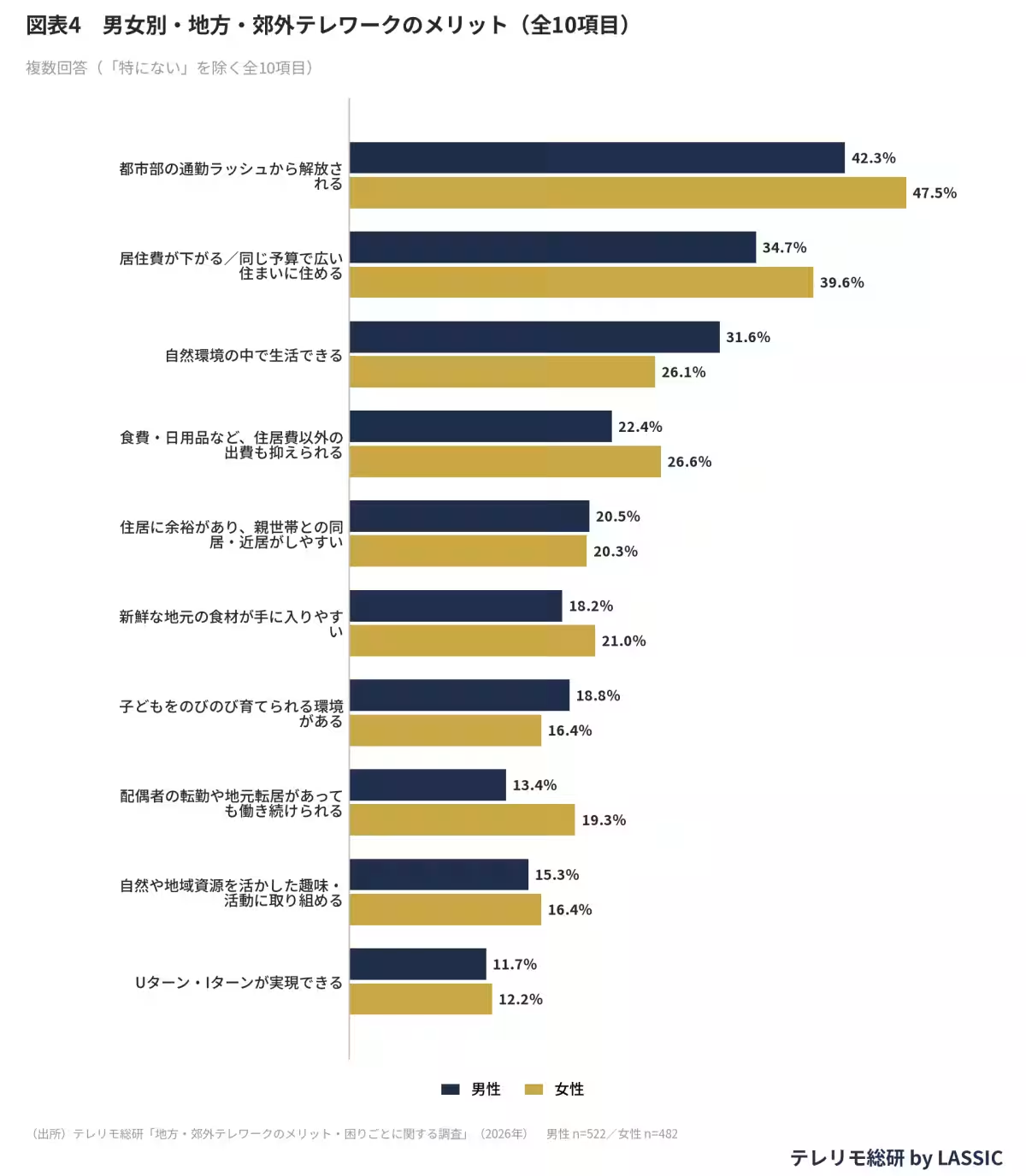
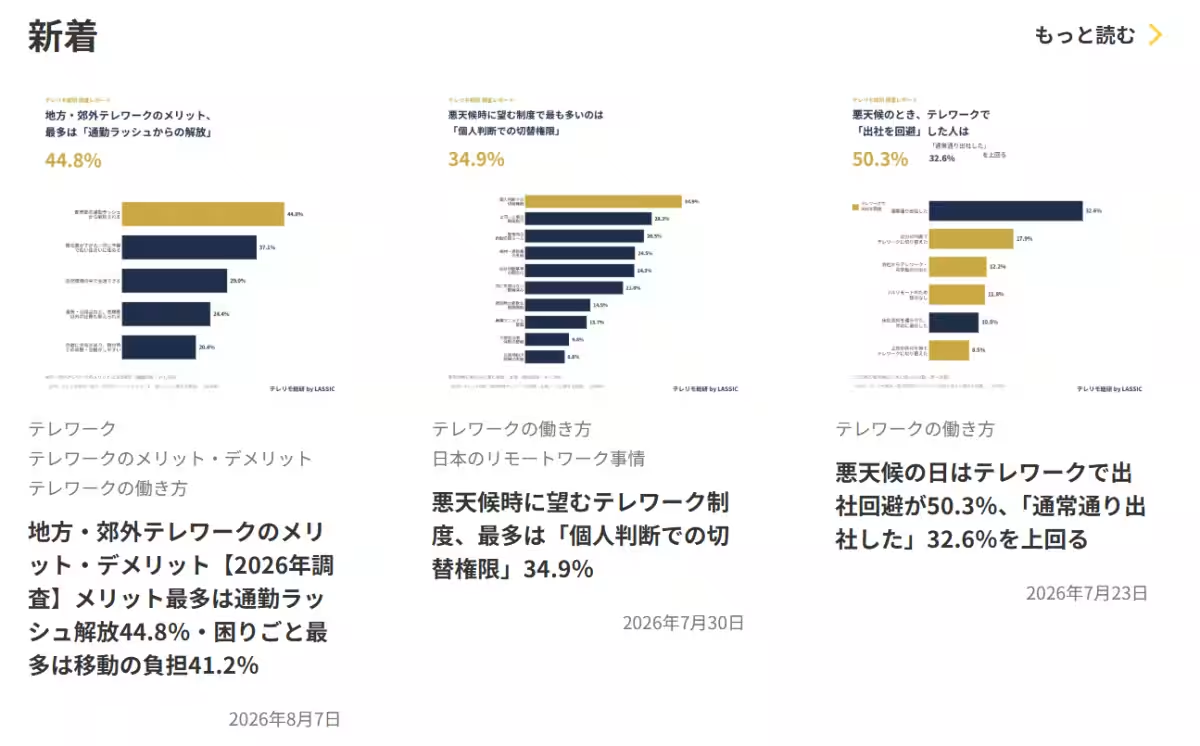
One of the standout findings from the survey suggests that nearly 44.8% of respondents appreciate the escape from the urban commuting frenzy, making it the most cited advantage of rural teleworking. The flexibility to avoid long daily commutes is considered a game-changer, allowing employees to save time and reduce stress.
Moreover, 37.1% of participants noted that relocating to rural or suburban areas enables them to enjoy lower housing costs or sometimes even more spacious accommodation for the same budget. This financial benefit resonates strongly, especially among those seeking better living conditions without the hefty price tag associated with urban living.
Another noteworthy advantage, highlighted by 29.0% of respondents, is the ability to live amidst nature, contributing positively to their overall well-being. Alongside reduced costs, many also find that expenses on food and everyday necessities tend to be lower in these regions, as indicated by 24.4% of the survey participants.
The report also shows that people can better accommodate their families, with 20.4% stating that living in spacious homes allows easier interaction with their families, including elderly parents.
Challenges Faced by Teleworkers in Suburban Settings
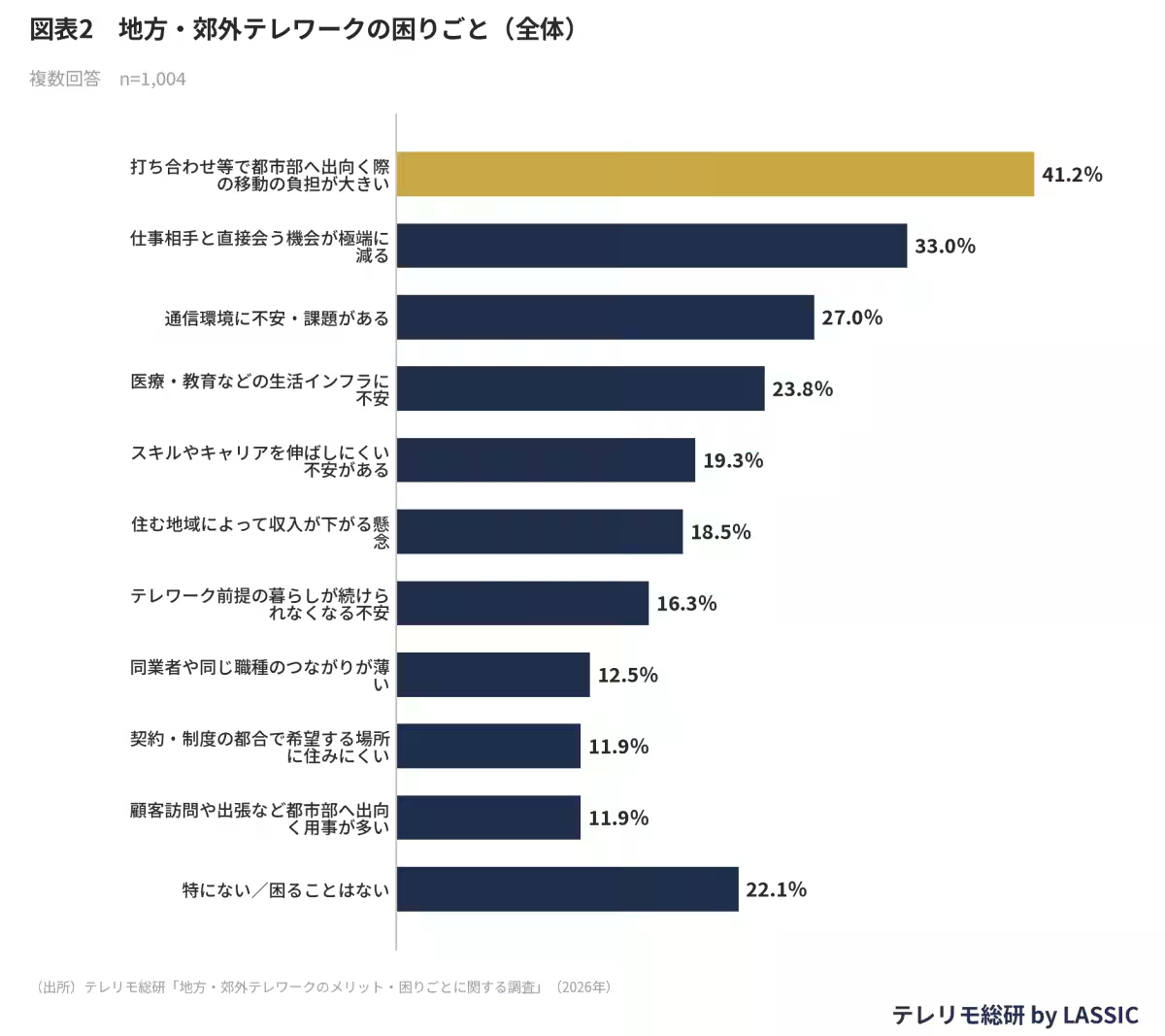
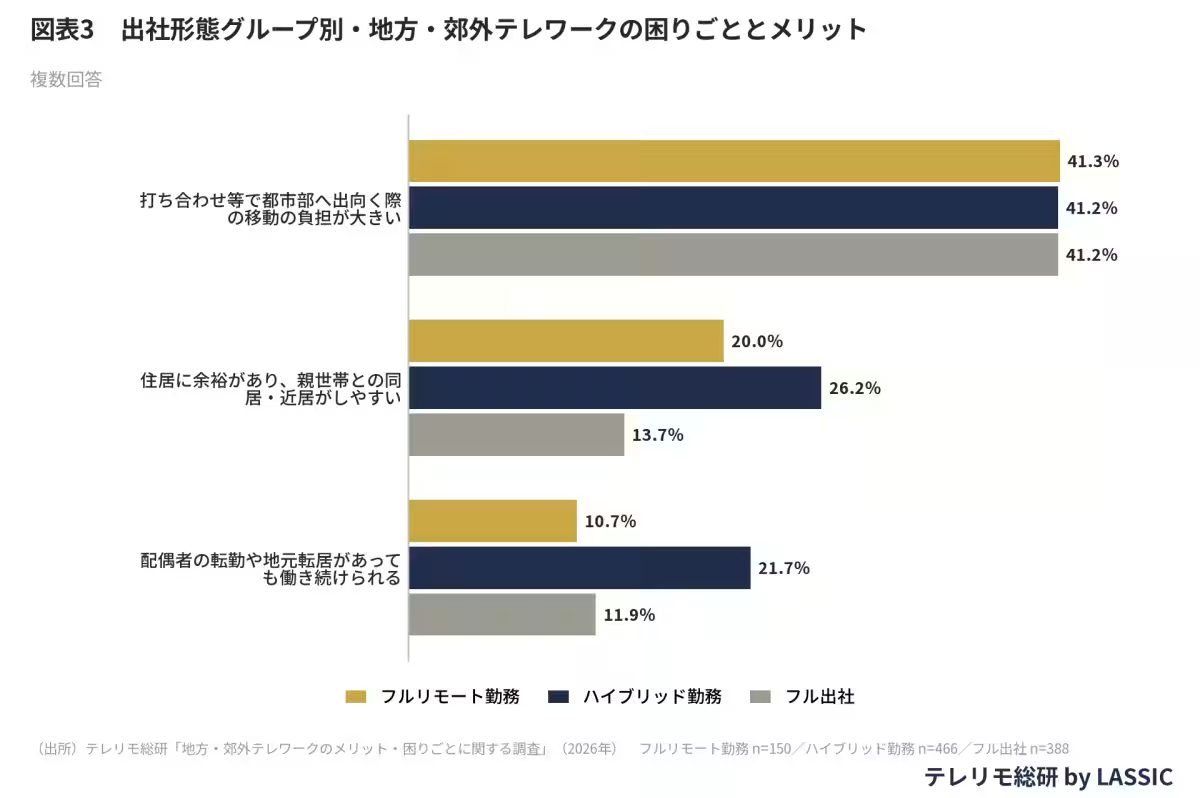
Despite the appealing benefits, the survey also uncovered considerable challenges associated with teleworking in rural areas. Most prominently, 41.2% of respondents expressed concerns about the burdens of traveling to urban centers for meetings and collaborations. This issue appears consistent across various work arrangements, including full remote, hybrid, and full office attendance, where the figures hover around 41.2–41.3%.
A significant 33.0% of teleworkers shared that they face a decrease in direct interactions with colleagues or clients, which can potentially hinder networking opportunities and collaborations. Furthermore, concerns regarding telecommunication infrastructure and access were cited by 27.0% of participants, emphasizing the necessity for reliable internet connections in rural settings. Additionally, 23.8% fear the adequacy of vital services such as healthcare and education in their regions, with these concerns being particularly pronounced among the older demographic.
Generational Perspectives on Teleworking Challenges
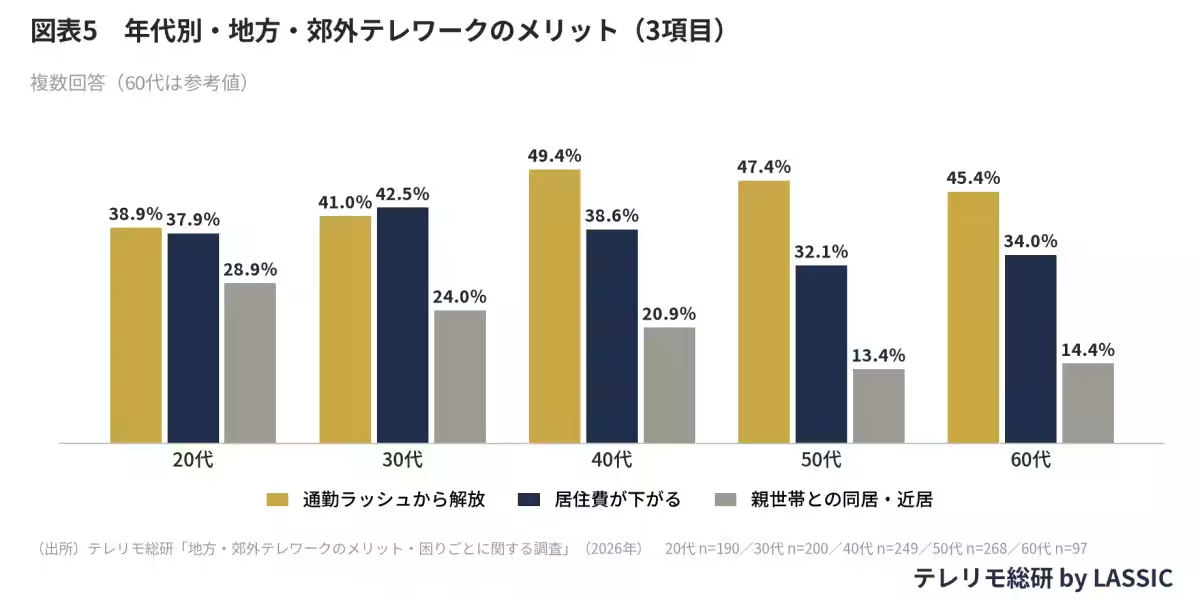
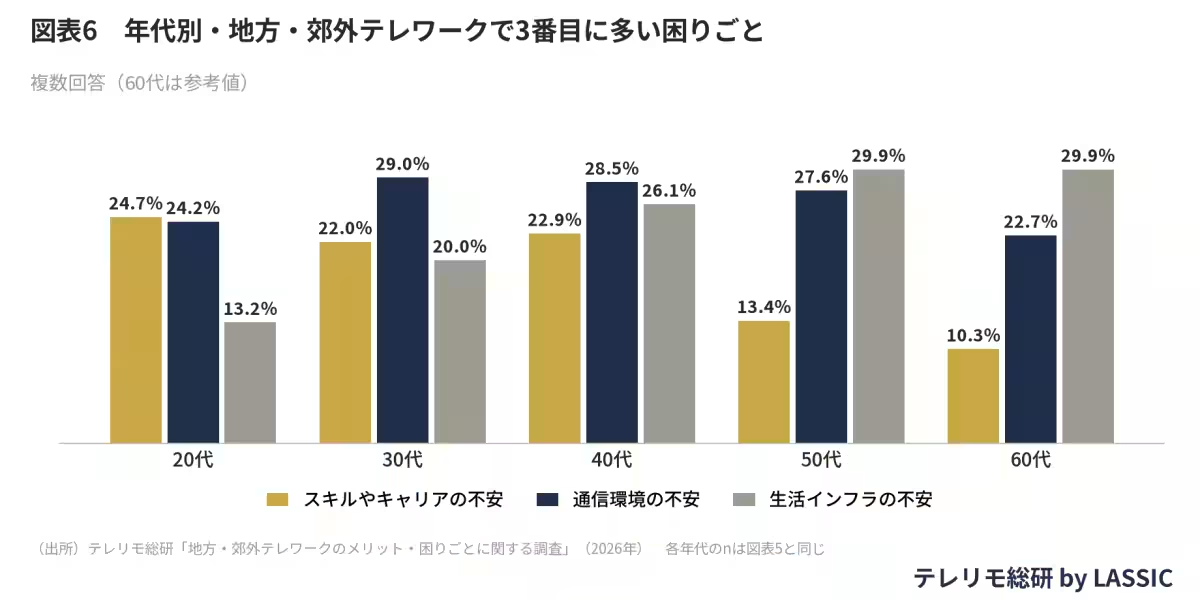
Interestingly, responses varied notably across generations. For instance, while 24.7% of younger teleworkers in their 20s reported anxieties regarding skill development, older constituents prioritize issues surrounding life infrastructure, including healthcare and educational services.
The report outlines that for participants in their 30s and 40s, the reliability of communication networks is a key concern, showcasing the different focus areas that arise across age groups.
Future Outlook on Telework Preferences
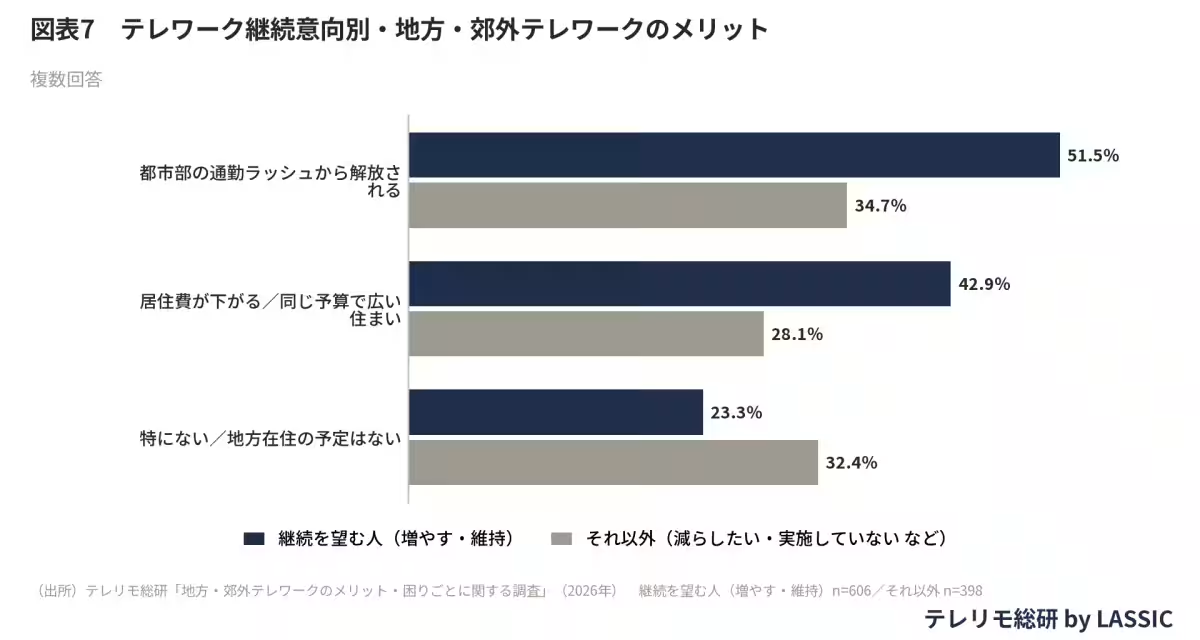
The survey revealed that 51.5% of individuals seeking to continue teleworking view escaping urban commuting as a significant benefit, confirming its status as a top motivator. In contrast, only 34.7% of those who wish to reduce their telework frequency recognized it as a benefit. Likewise, those wanting to maintain or increase their teleworking hours are notably more likely to discuss benefits related to housing conditions and lower living costs.
Final Thoughts
The LASSIC report provides essential insights into the benefits and challenges of teleworking in rural and suburban settings. It illustrates that while remote work allows for greater flexibility and reduces costs, it is accompanied by significant challenges, particularly related to commuting for business needs and maintaining connections with colleagues. The variations in perspectives based on age and work style offer valuable considerations for businesses aiming to enhance telework policies and support their employees, regardless of location.
For further information on the complete report and additional details, visit LASSIC.


Topics People & Culture)


【About Using Articles】
You can freely use the title and article content by linking to the page where the article is posted.
※ Images cannot be used.
【About Links】
Links are free to use.