



Understanding UV Protection: Essential Sunscreen Tips for May & Beyond
Understanding UV Protection in May
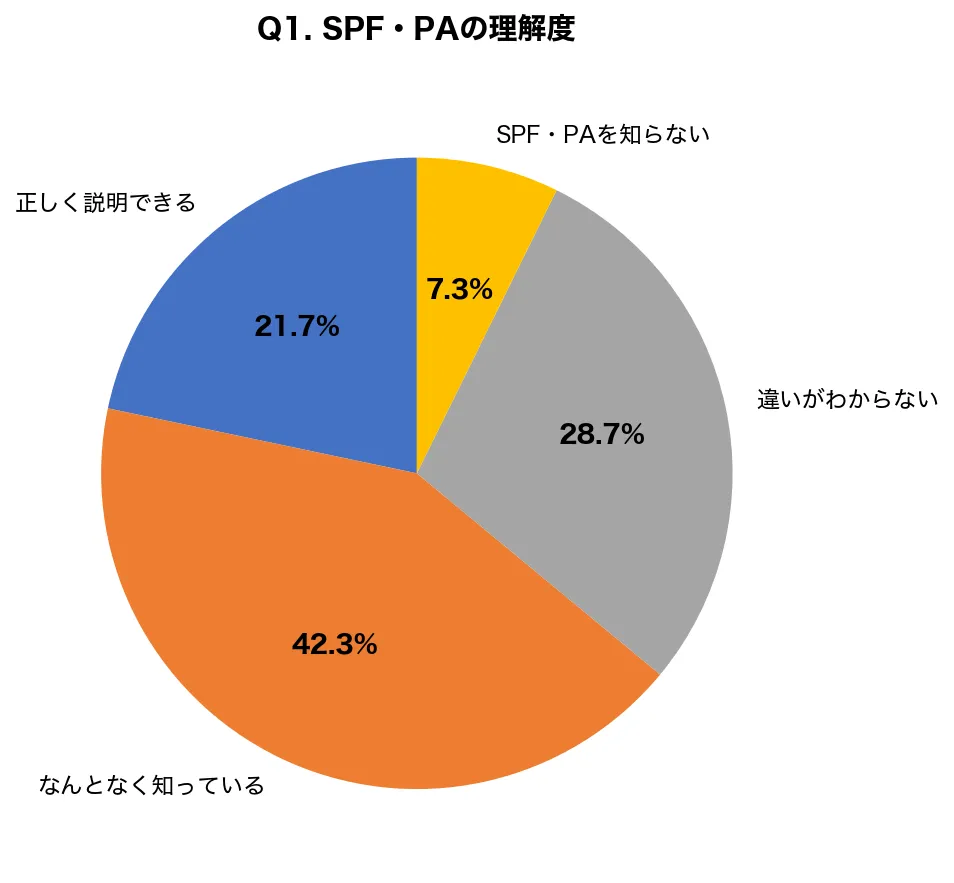
As temperatures rise and outdoor activities increase, many people underestimate the risk of sun exposure. Notably, the UV radiation levels in May are akin to those in the height of summer—specifically July and August. A recent survey conducted by IC Clinic highlights the widespread misunderstandings surrounding sunscreen usage, particularly SPF and PA ratings.
Key Findings of the Survey
A significant portion of the population is unaware of the correct sunscreen application practices:
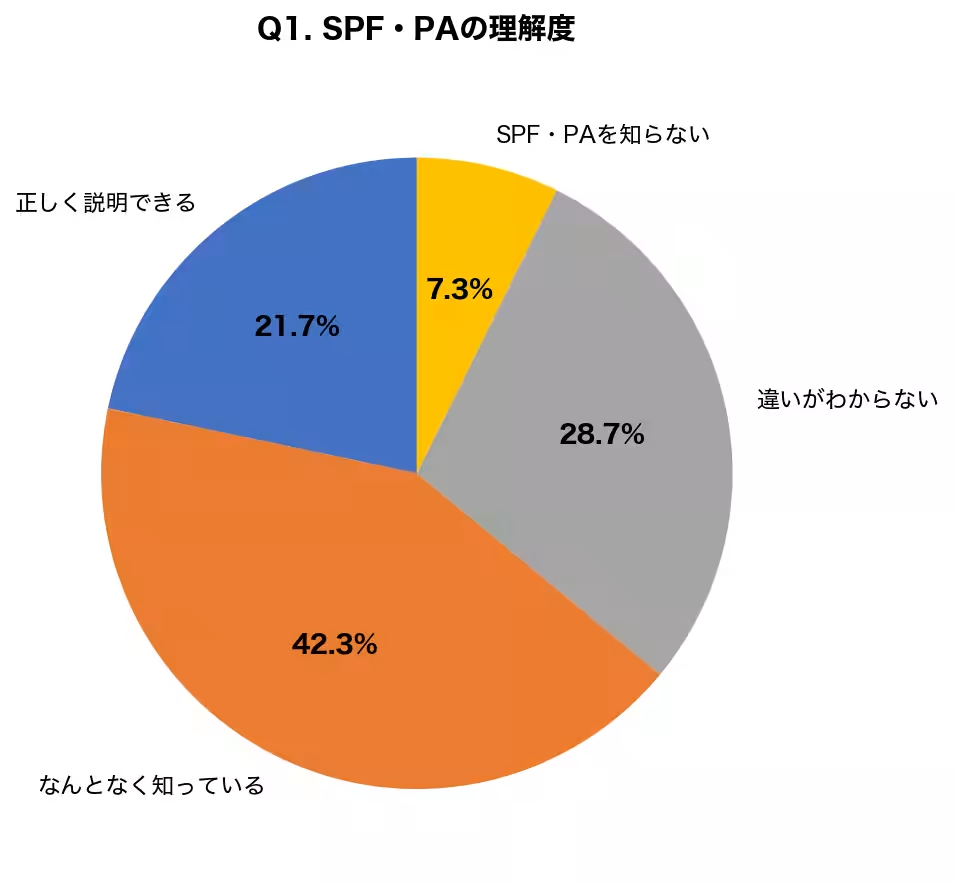
- - Only 21.7% of participants correctly understood the difference between SPF and PA ratings.
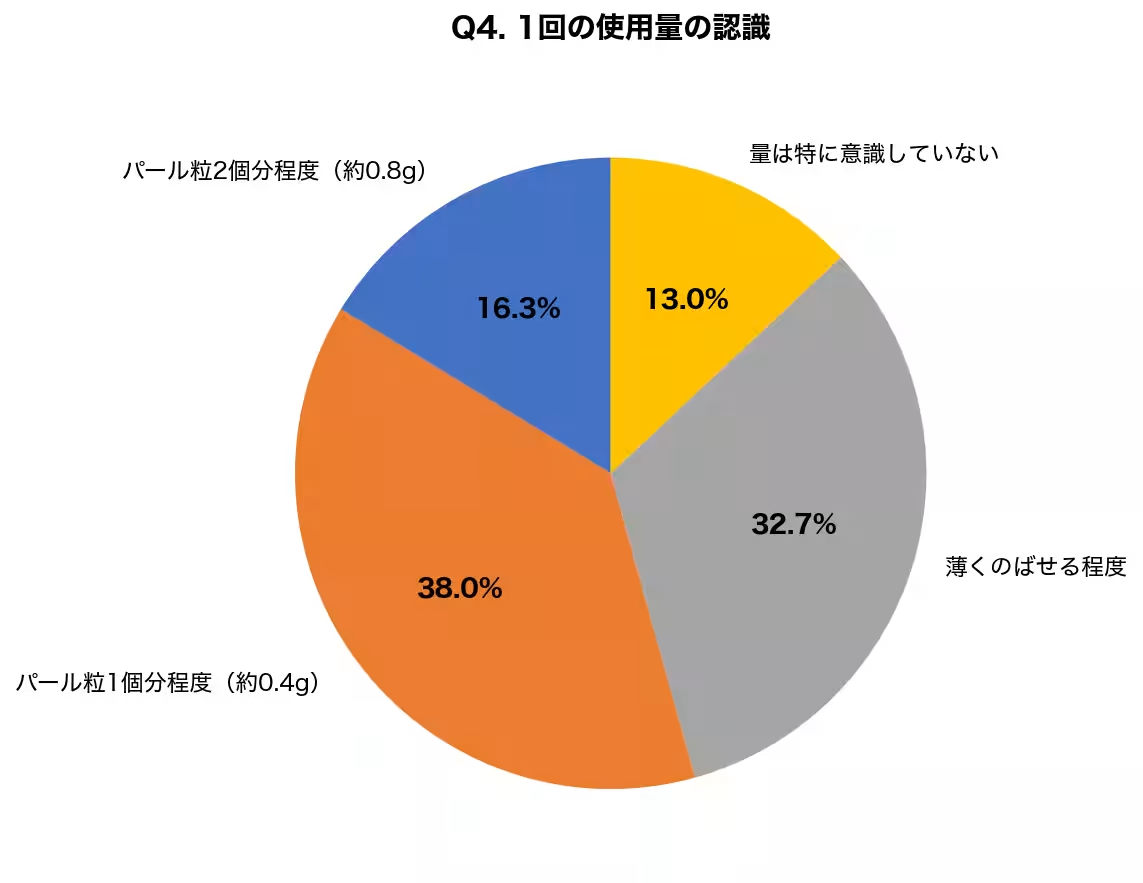
- - A mere 16.3% are aware of the proper amount of sunscreen to apply.
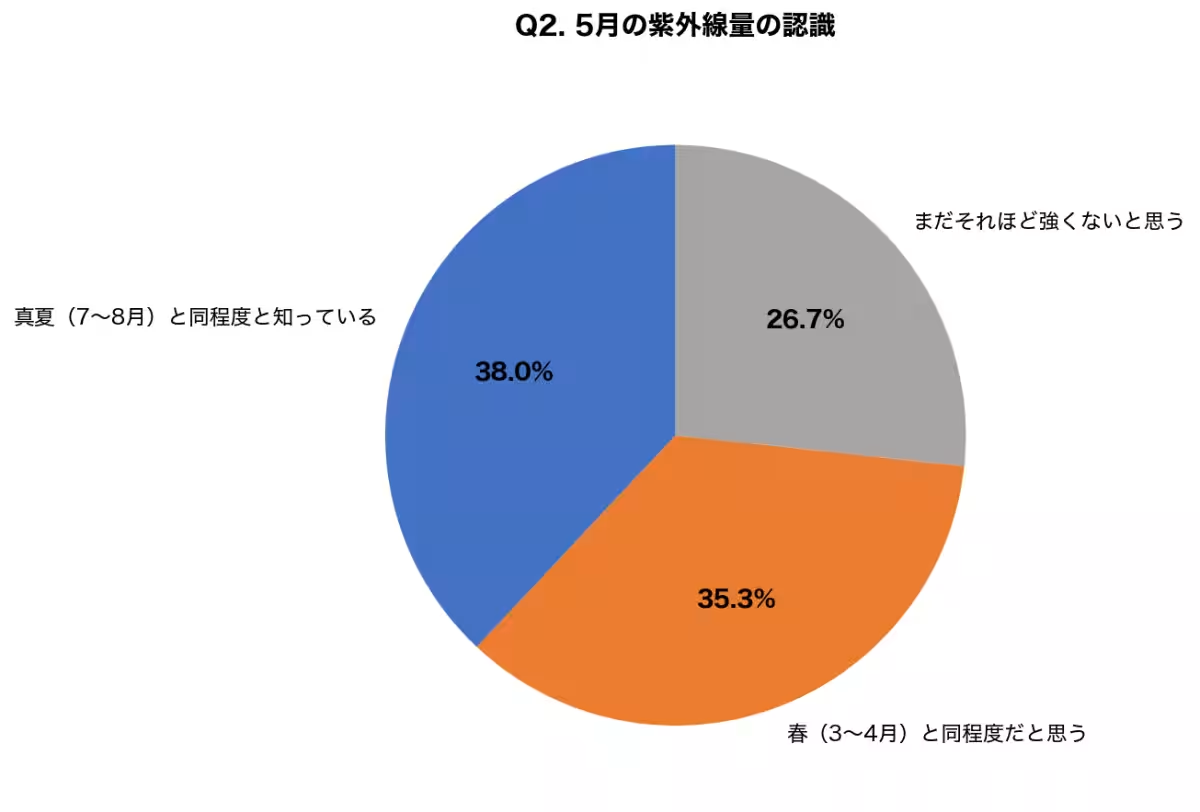
- - Surprisingly, 62.0% did not recognize that UV levels in May could be equivalent to those of summer.
These statistics underscore the need for better education regarding UV protection.
Explanation of SPF and PA
SPF (Sun Protection Factor) refers to the level of protection against UVB rays, which cause sunburn. For instance, SPF 30 extends the time it takes for skin to burn by about 30 times compared to not applying sunscreen. On the other hand, PA (Protection Grade of UVA) indicates protection from UVA rays—responsible for premature skin aging and issues such as wrinkles and pigmentation. The PA rating ranges from + to ++++, with higher ratings indicating better protection. Understanding these metrics is crucial for effective sun protection.
Appropriate Sunscreen Selection for May
During May, it's essential to select a broad-spectrum sunscreen:
- - Daily Activities (commuting/shopping): SPF 15-30 with PA++-+++
- - Light outdoor activities: SPF 30-50 with PA+++
- - Intense sunlight (sports/swimming): SPF 50 or above with PA++++
- - Cloudy days: SPF 30 or above with PA+++
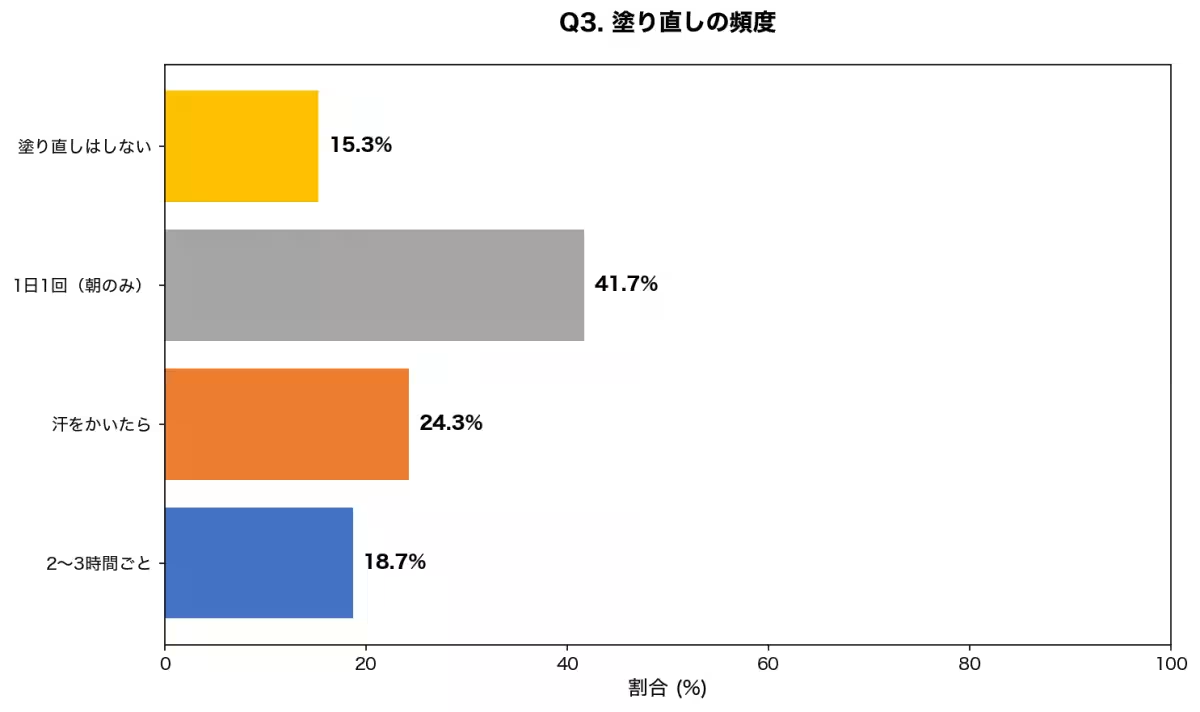
Regular reapplication is crucial—ideally every 2-3 hours for optimal protection.
Application Techniques
To achieve maximum effectiveness:
1. Use the correct amount: For the face, apply about 0.8g (two pearl-sized amounts).
2. Reapply regularly: Especially after sweating, swimming, or if you’re exposed to sunlight for prolonged periods. Utilizing spray or powder sunscreens can aid in convenience for reapplication.
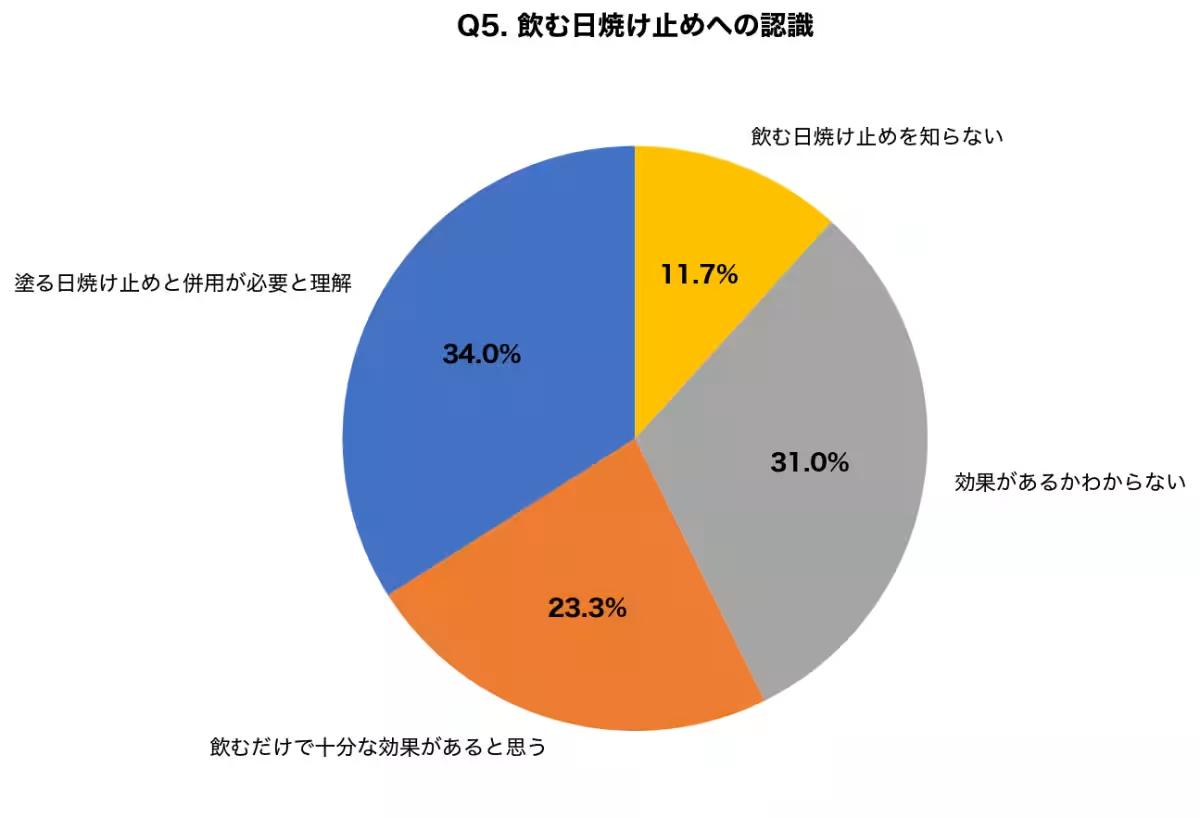
3. Don't rely solely on oral sunscreens: While supplements may provide some internal protection, they should never replace topical sunscreens.
According to Dr. Kouta Takakuwa from IC Clinic, many individuals apply less than half the recommended amount of sunscreen, which diminishes its efficacy significantly. He advises thorough coverage and frequent touch-ups as paramount for safeguarding skin health.
- ---
Risks of Inadequate UV Protection
Neglecting proper sunscreen practices can lead to significant long-term skin issues, including:
- - Increased likelihood of pigmentation, wrinkles, and sagging skin.
- - Continued skin damage that can contribute to skin cancer risk.
- - May puts you at increased risk before the more intense summer sun arrives.
Conclusion
The survey sheds light on critical gaps in knowledge regarding sunscreen use, illustrating a pressing need for public education on effective UV protection methods. As we approach warmer months, knowing how to choose and apply sunscreen can be a game-changer in maintaining healthy skin.
For further consultation on skincare and the right sunscreen products suited for individual skin types, consider visiting IC Clinic's various locations across Tokyo. Protect your skin wisely this May and beyond!
Topics Health)


【About Using Articles】
You can freely use the title and article content by linking to the page where the article is posted.
※ Images cannot be used.
【About Links】
Links are free to use.