



Exploring the 2026 Liveability Rankings of Japanese Cities: Insights and Trends
Introduction
In a recent survey carried out by Daito Kentaku, one of Japan's leading property management companies, a comprehensive analysis titled "2026 Liveability Rankings" was released. This extensive report is based on insights from a nationwide satisfaction survey and aims to categorize Japanese cities based on their residents' quality of life. The 2026 report has already provided a preliminary overview for metropolitan areas, and now it delves into the broader national data.
Key Insights from the Rankings
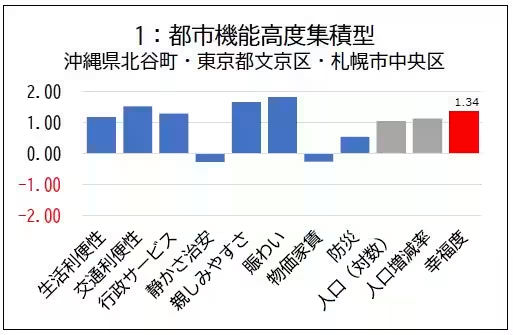
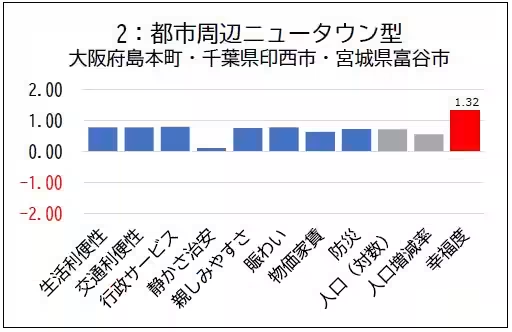
The report identifies eight critical factors influencing urban liveability, including:
- - Convenience of daily life
- - Accessibility and transportation
- - Quality of administrative services
- - Safety and tranquility
- - Community friendliness
- - Vibrancy and activity level
- - Cost of living and rent
- - Disaster preparedness
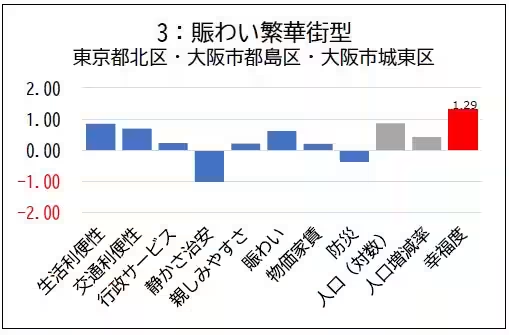
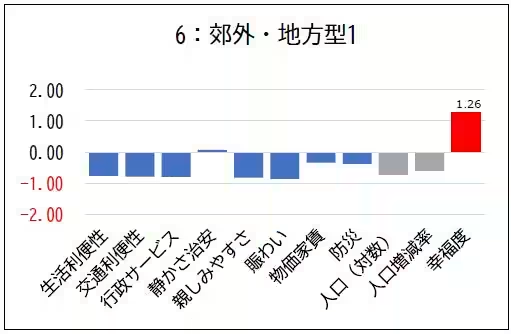
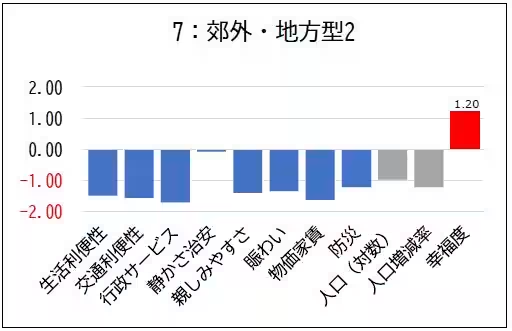
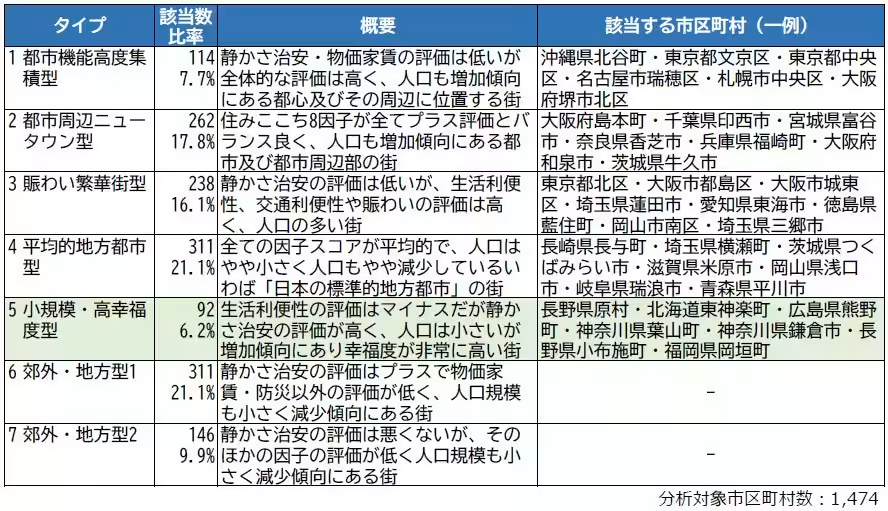
Through a cluster analysis of these factors combined with resident population, demographic changes, and subjective happiness assessments, seven distinct urban types have emerged from the data. This segmentation offers insights into the varying qualities of life and what residents value in their living environments.
Overview of the Seven Urban Types
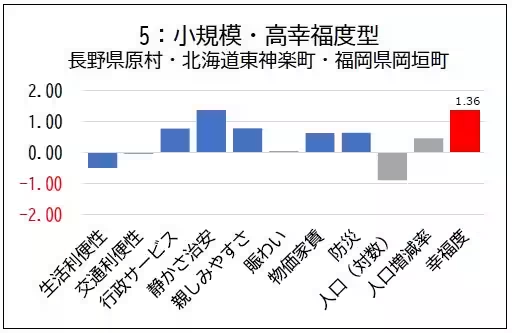
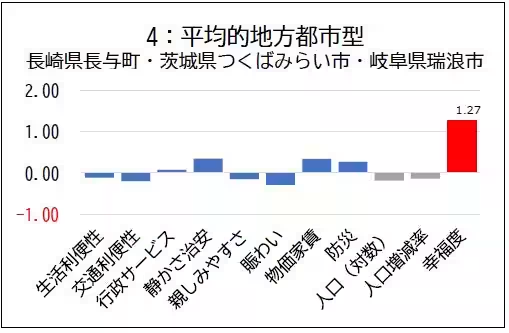
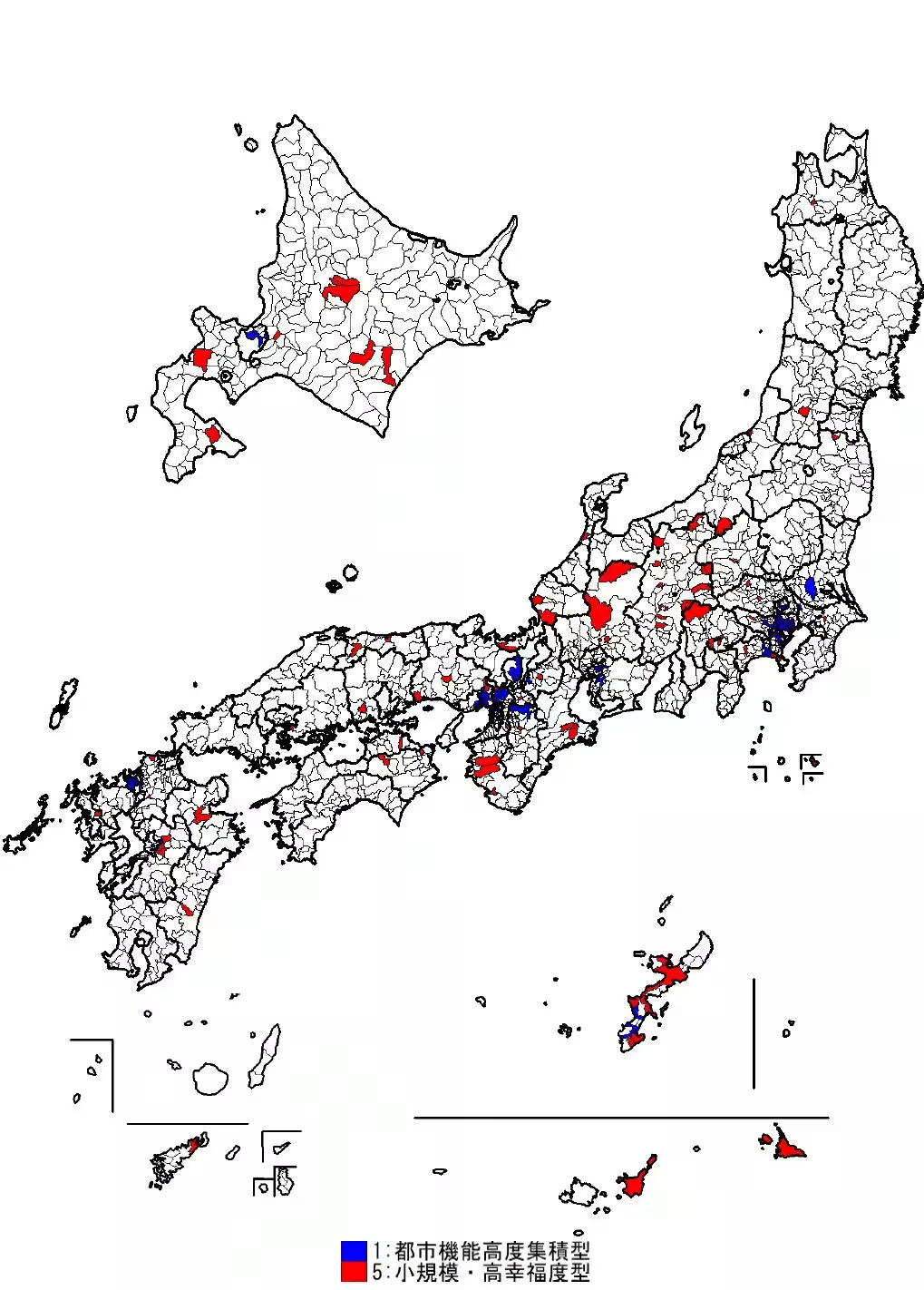
Among the classified types, one particularly noteworthy category is the "Small-scale High Happiness-type" municipalities. Though they represent only 6.2% of the 1,474 surveyed cities and towns, these areas report the highest subjective happiness scores. This is remarkable, given that their population sizes and accessibility levels might not be the greatest.
These small municipalities have likely benefitted from years of focused urban development, tailoring their environments to enhance resident satisfaction. Thus, they serve as a model for what could be envisioned for future urban planning efforts.
Liveability Rankings and Happiness Rankings
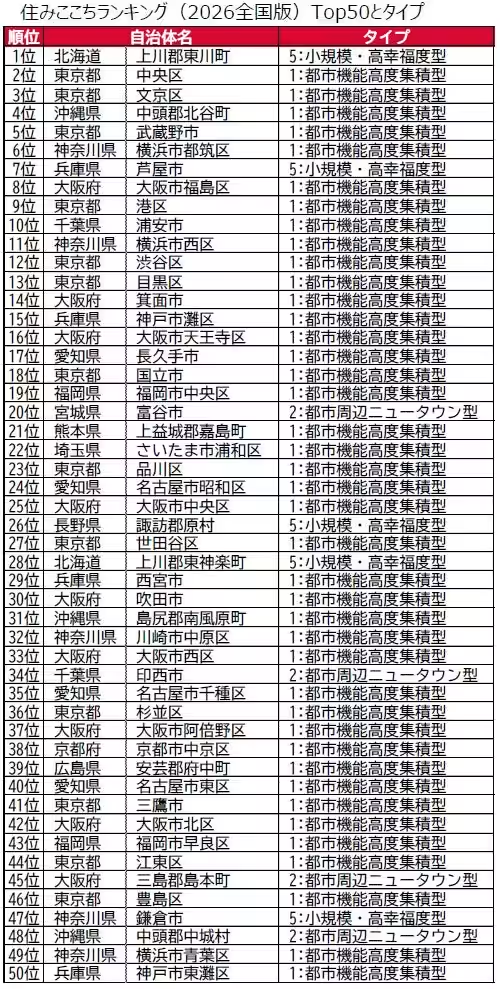
The rankings reveal a correlation between the type of urban environment and overall happiness. For instance, in the 2026 national liveability rankings, the majority, 41 out of the top 50, fall under the classification of "Highly Centralized Urban Function-type." Meanwhile, the "Small-scale High Happiness-type" only includes five municipalities, suggesting that a city’s functional valuation often correlates with its overall ranking.
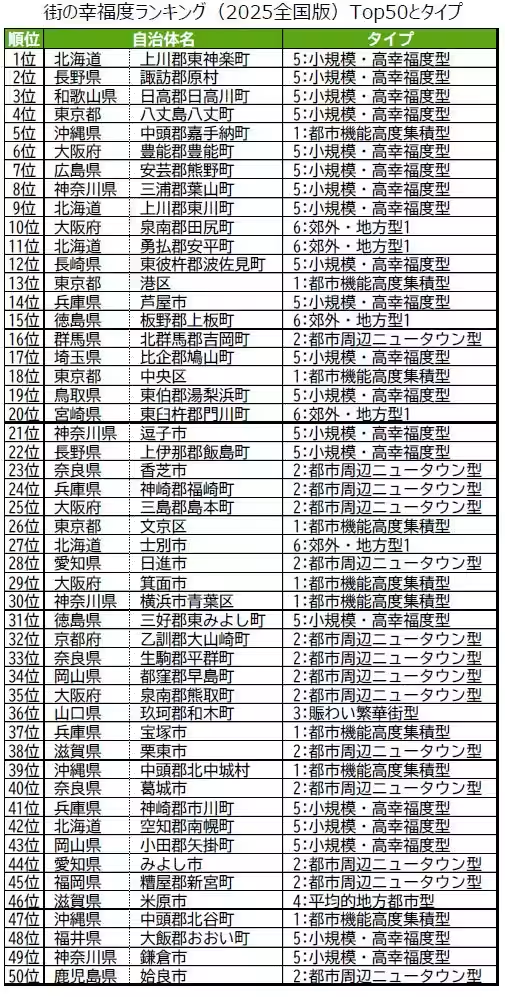
However, the picture flips when analyzing happiness rankings. In the latest 2025 report (2026 results not yet available), this same "Small-scale High Happiness-type" comprises 20 municipalities, indicating that high happiness doesn't always align with high convenience or increasing population.
This discrepancy highlights the essence that a thriving community, particularly in rural settings, can foster an ideal living experience, regardless of urban conveniences.
Methodology of the Survey
To conduct this survey, Daito Kentaku collaborated with Macromill, distributing online questionnaires to a panel that spans the nation's demographics, gathering a total of 809,920 responses from individuals aged 20 years and older between 2022 and 2026.
- - Gender Ratio: 50% male, 50% female
- - Marital Status: 39% unmarried, 61% married
- - Children: 56.3% have children
- - Generational Breakdown: 12.7% in their 20s, 20% in their 30s, and so on
The data collection was conducted across several intervals, with the latest survey conducted from February 10 to March 22, 2026. Each respondent evaluated their living satisfaction using a five-point scale, while their self-reported happiness was rated on a scale of 1 to 10.
Analysis Techniques
A hierarchical cluster analysis was carried out to assess the relationships among various municipalities based on the eight liveability factors. Using statistical evaluations, optimal cluster numbers were determined to ensure robustness of findings.
The analysis underscores essential insights into urban developments and their impact on residents' lives. Through a combination of data-driven research and subjective resident experience, Daito Kentaku's "2026 Liveability Rankings" serves as a key resource for understanding and improving the quality of life across urban Japan.
In conclusion, this report reflects ongoing efforts to enhance urban planning and policy in Japan, highlighting the value of understanding resident happiness as a crucial component of urban development. For further insights, references, and detailed data analyses, please check the official survey website and further documentation.
- ---
References
Topics People & Culture)
【About Using Articles】
You can freely use the title and article content by linking to the page where the article is posted.
※ Images cannot be used.
【About Links】
Links are free to use.