



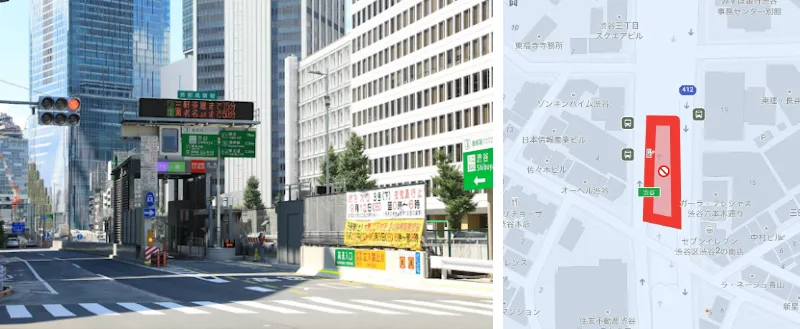
Lime Introduces Geofencing to Prevent Unauthorized Access to Tokyo's Expressways
Enhancing Road Safety with Geofencing: Lime's New Initiative in Tokyo
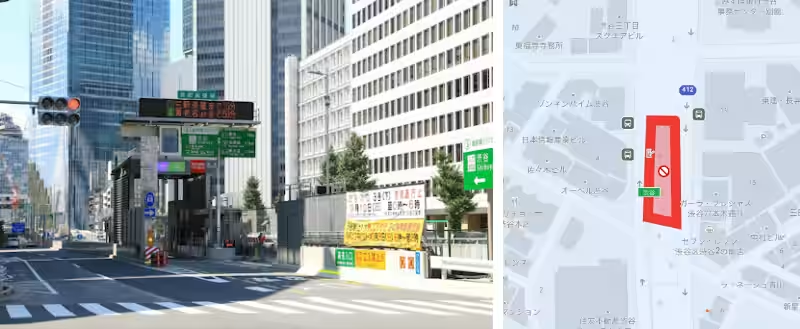
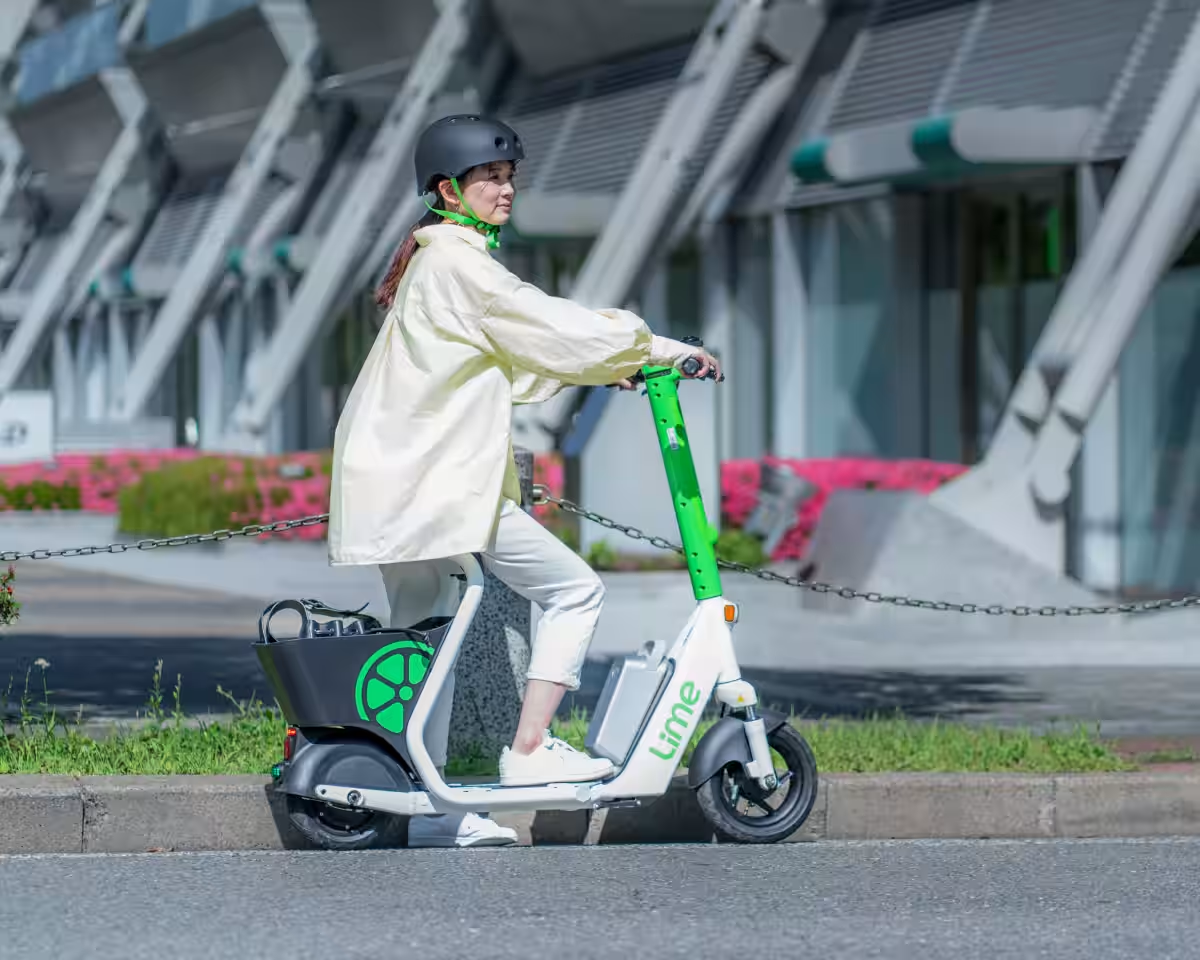
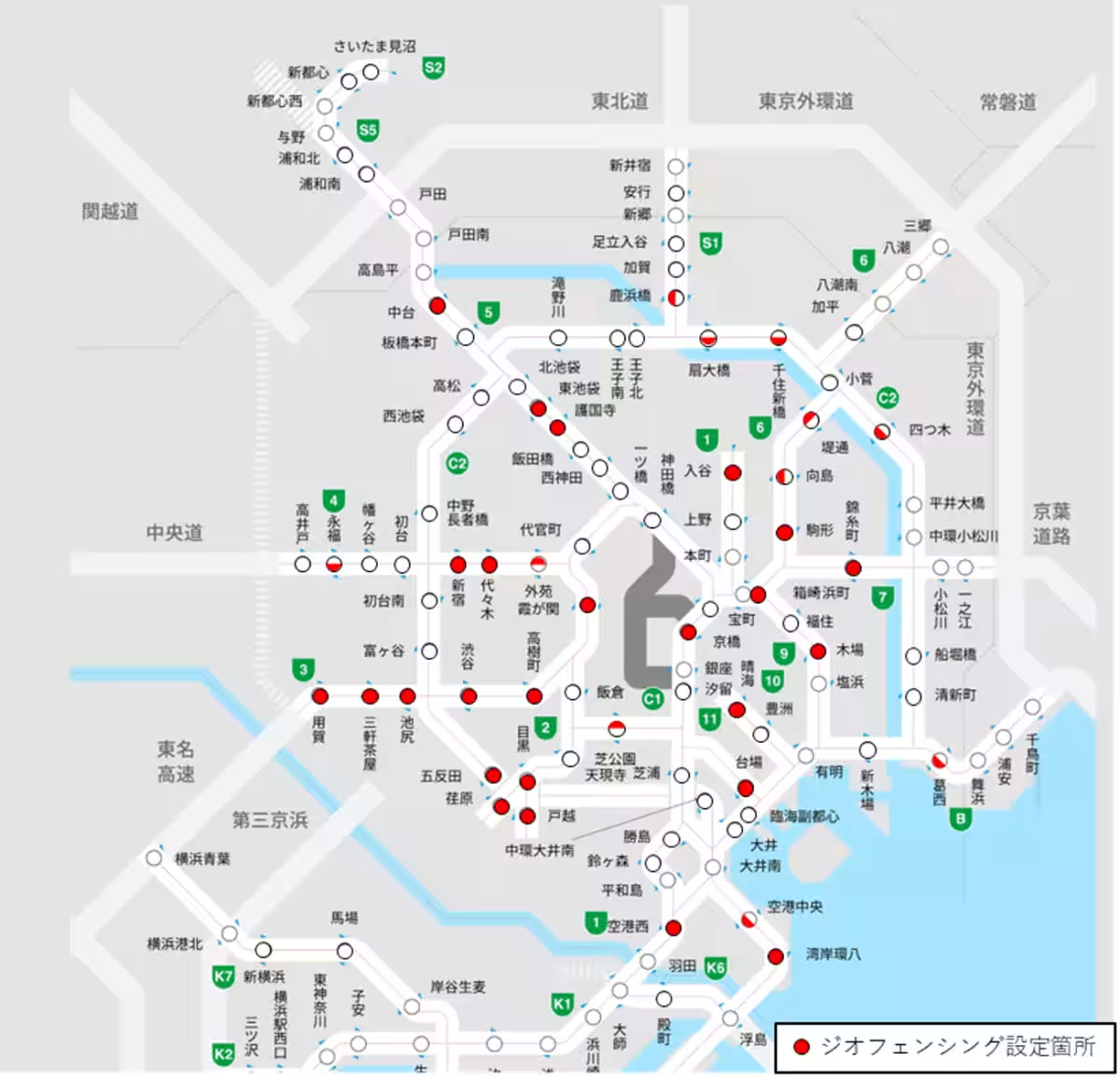
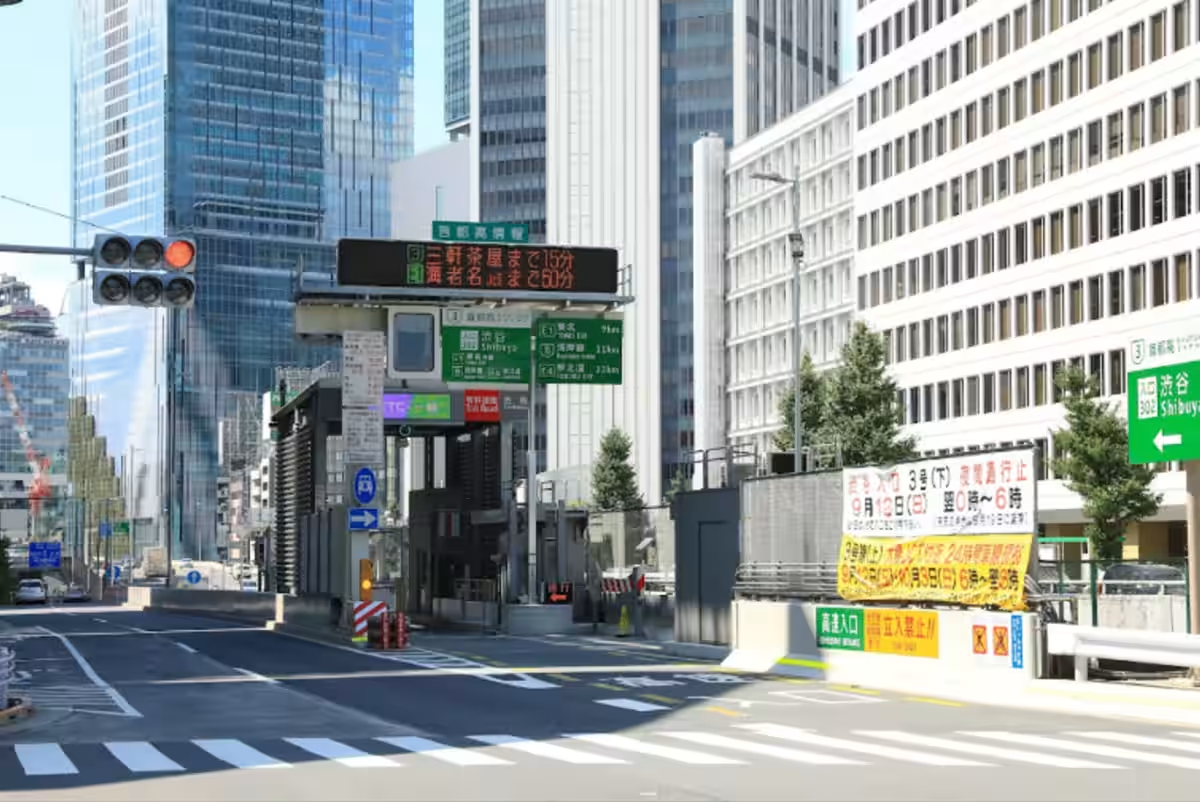
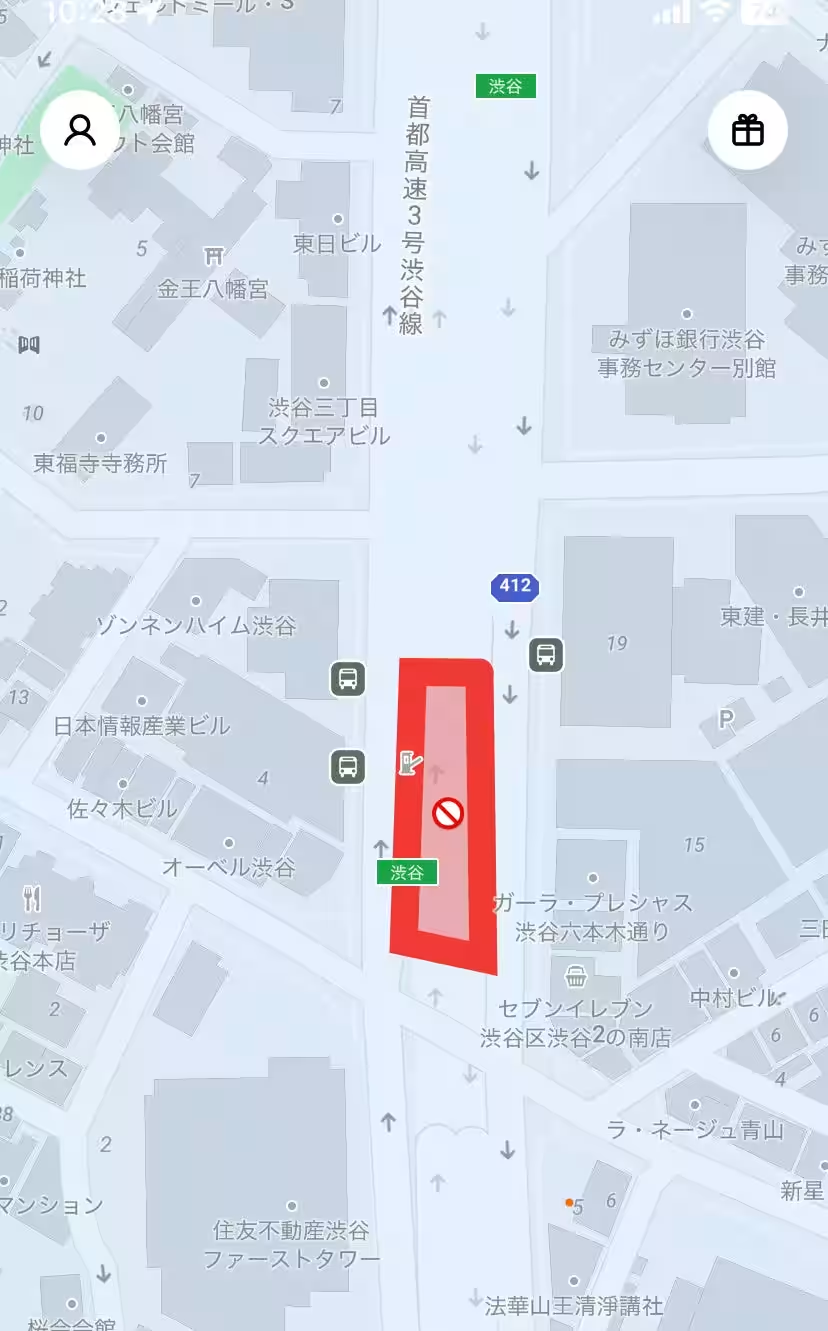
Lime, a leading provider of electric mobility services, has recently implemented a groundbreaking geofencing technology in collaboration with the Tokyo Metropolitan Police and the Metropolitan Expressway Company. This innovative system targets the prevention of unauthorized access to the expressways, covering 39 key entry points across Tokyo. With over 70% of the city's population residing within this area, this initiative aims to bolster road safety for users of electric mobility vehicles in urban environments.
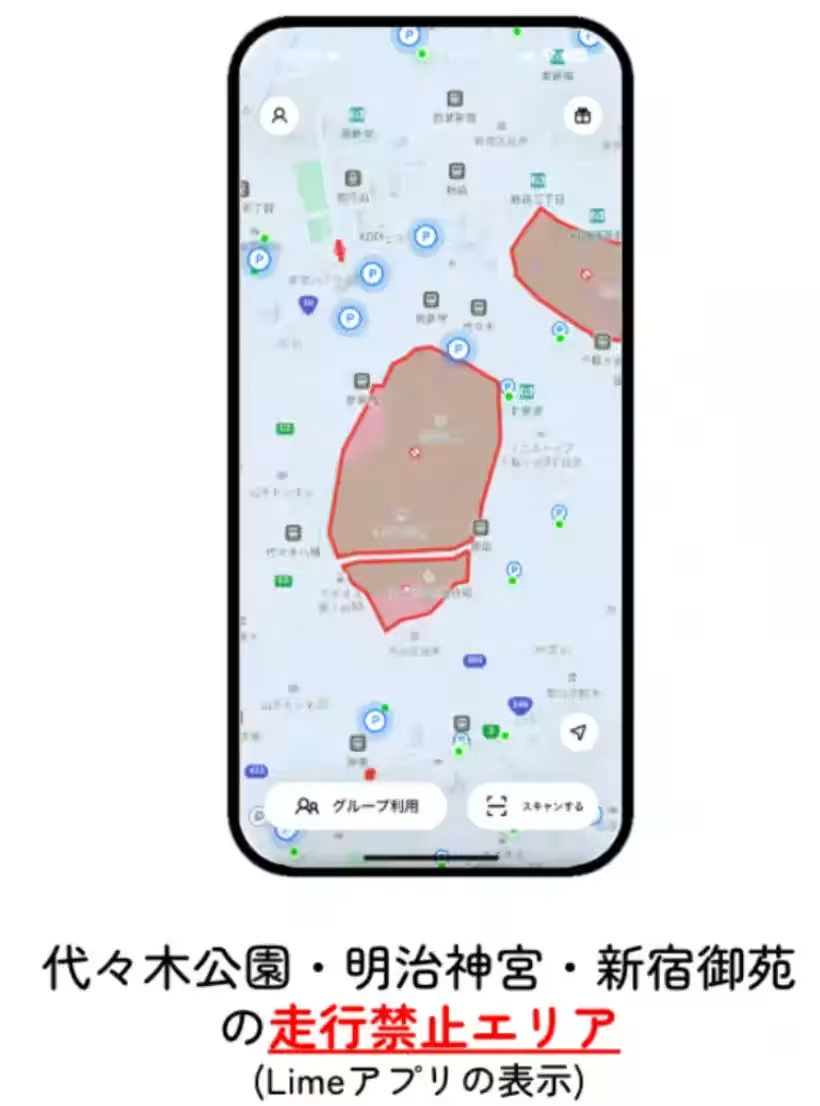
The recent implementation of geofencing follows Lime's commitment to promoting responsible use of electric mobility options, particularly in urban areas where adherence to traffic regulations is paramount. The company first rolled out this geofencing technology in February 2025 as part of a project aimed at preventing unauthorized access to the expressways. This approach leverages an automated system that seamlessly integrates with the Lime app, allowing for automatic vehicle control without any intervention from users.
Background: Tackling Unauthorized Access
Given the increasing popularity of electric mobility options, Lime recognized the need for a robust solution to enhance safety measures on busy thoroughfares. By employing geofencing technology—which utilizes GPS data to establish virtual boundaries—the company can automatically enforce speed restrictions or cut power to the motor once a vehicle nears a restricted area. This proactive measure significantly reduces the potential for accidents and unauthorized access, ensuring a safer environment for all road users.
The collaboration with the Tokyo Metropolitan Police and the expressway authority is a testament to the commitment towards long-term road safety. Multiple tests have already been conducted to validate the functionality of the geofencing system in intricate urban settings, confirming its success in minimizing unauthorized entries.
Results of the Pilot Test
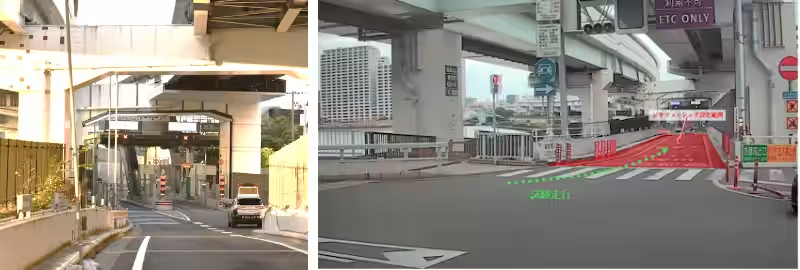
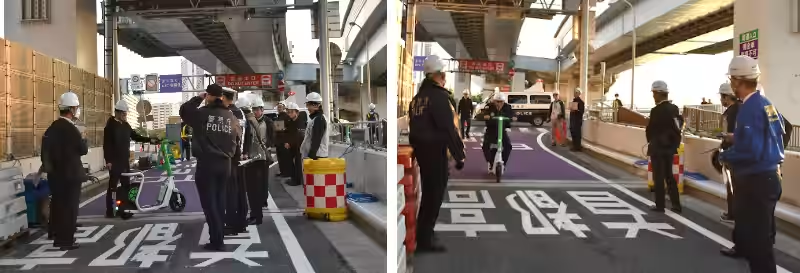
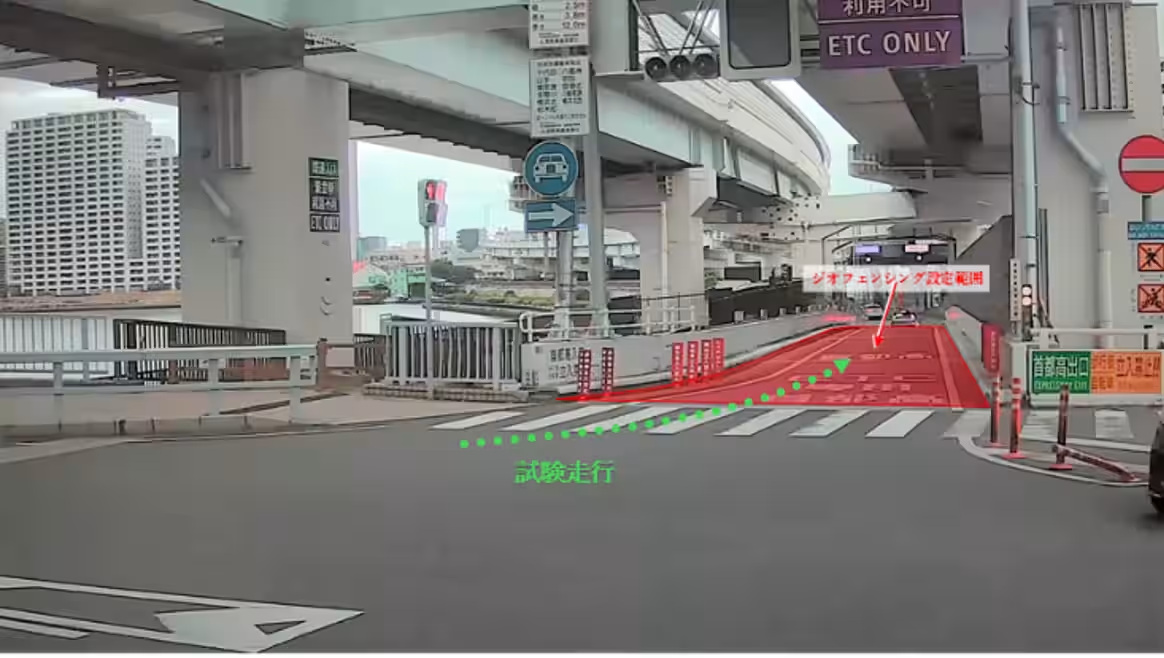
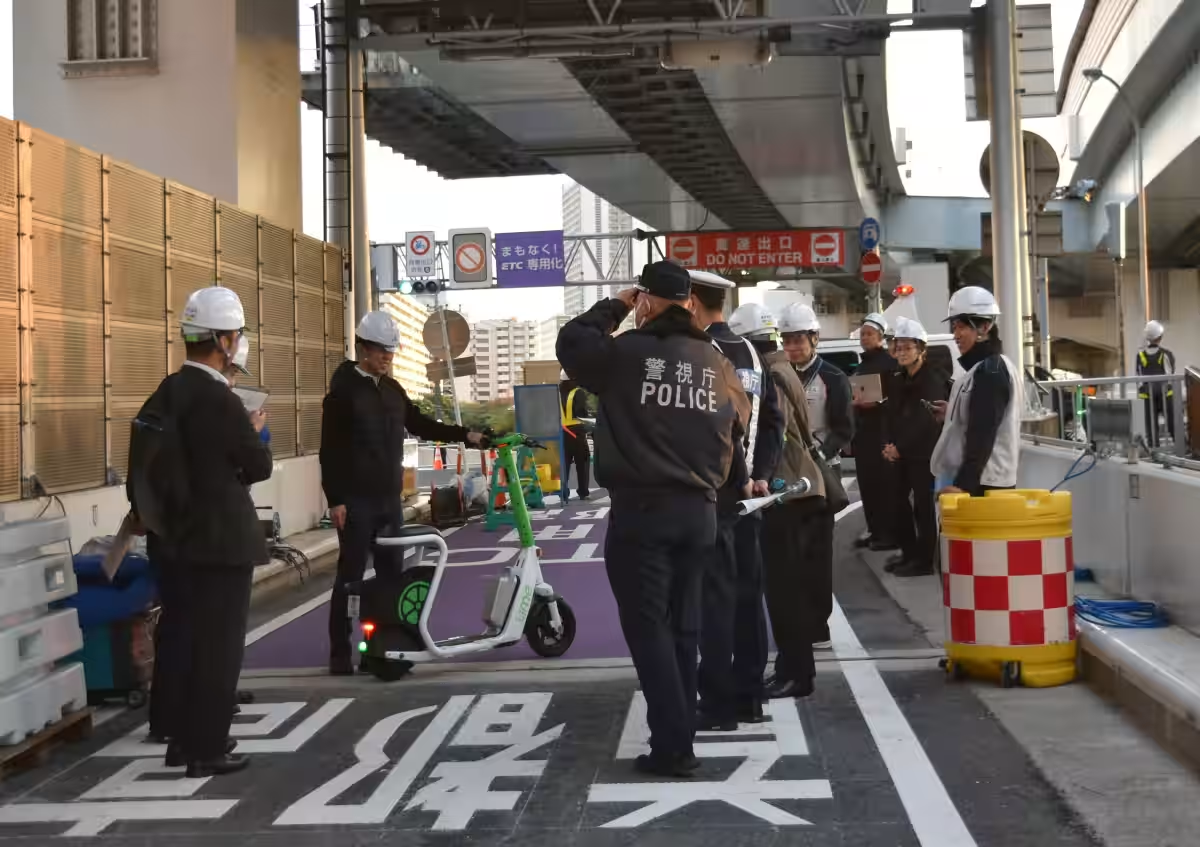
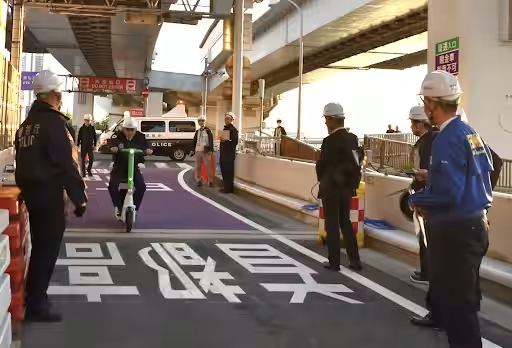
On November 6, 2025, a pilot test was conducted at the Tsutsumi-dori entrance on the Metropolitan Expressway No. 6. This operational trial allowed stakeholders, including the Tokyo Police’s Highway Traffic Unit, to evaluate the technology's performance in real-world conditions:
- - Speed control and motor cut-off were tested effectively within the controlled area.
- - The accuracy of GPS readings at the boundary was confirmed to be within a few meters.
- - User experience regarding app notifications and behavior was also systematically assessed.
After extensive testing, improvements in the precision of restricted zones were achieved, along with a streamlined process for updating maps and road structure data.
Future Plans for Expansion
As part of its broader initiative, Lime plans to continue expanding its geofencing capabilities, identifying high-risk areas based on data gathered in collaboration with local authorities. The system aims not only to deter unauthorized access but also to inform both local residents and tourists about the traffic regulations surrounding the expressways.
Lime’s initiative also coincides with major events in Tokyo that can draw large crowds, such as the Shibuya Halloween festival and the upcoming Tokyo 2025 World Athletic Championships. The company has committed to working closely with the police and city officials to ensure smooth transportation during such events while leveraging its geofencing technology for added safety.
Comments from Officials
Officials from the Tokyo Police commend the innovative geofencing system, stating that it will help curb the rising instances of unauthorized electric scooter usage on expressways. Their expectation is that this technology will foster greater awareness of the traffic laws among individuals, especially foreign visitors unfamiliar with local regulations. The Metropolitan Expressway Company echoed similar sentiments, recognizing that this technological approach serves as an essential strategy in reinforcing Japan's traffic regulations.
Lime's Country Manager, Yusuke Inoue, emphasized that the initiative represents a critical step forward in ensuring that electric mobility can thrive as a new mode of public transport in urban settings. As Lime forges ahead, it is committed to enhancing road safety and promoting a culture of compliance among its users through continuous collaboration with the authorities.
By focusing on geofencing technology, Lime aims to establish a sustainable future for electric micro-mobility in Tokyo, ensuring a safe and environmentally friendly alternative to conventional transportation.
With its relentless dedication to improving safety measures, Lime stands at the forefront of integrating advanced technology into urban mobility solutions, fostering a culture of responsible use across its extensive user base in over 30 countries worldwide.



Topics Consumer Products & Retail)
【About Using Articles】
You can freely use the title and article content by linking to the page where the article is posted.
※ Images cannot be used.
【About Links】
Links are free to use.