



Understanding Medical Expense Deductions in Aesthetic Medicine: A Survey Insight
Overview of the Survey on Aesthetic Medicine and Tax Deductions
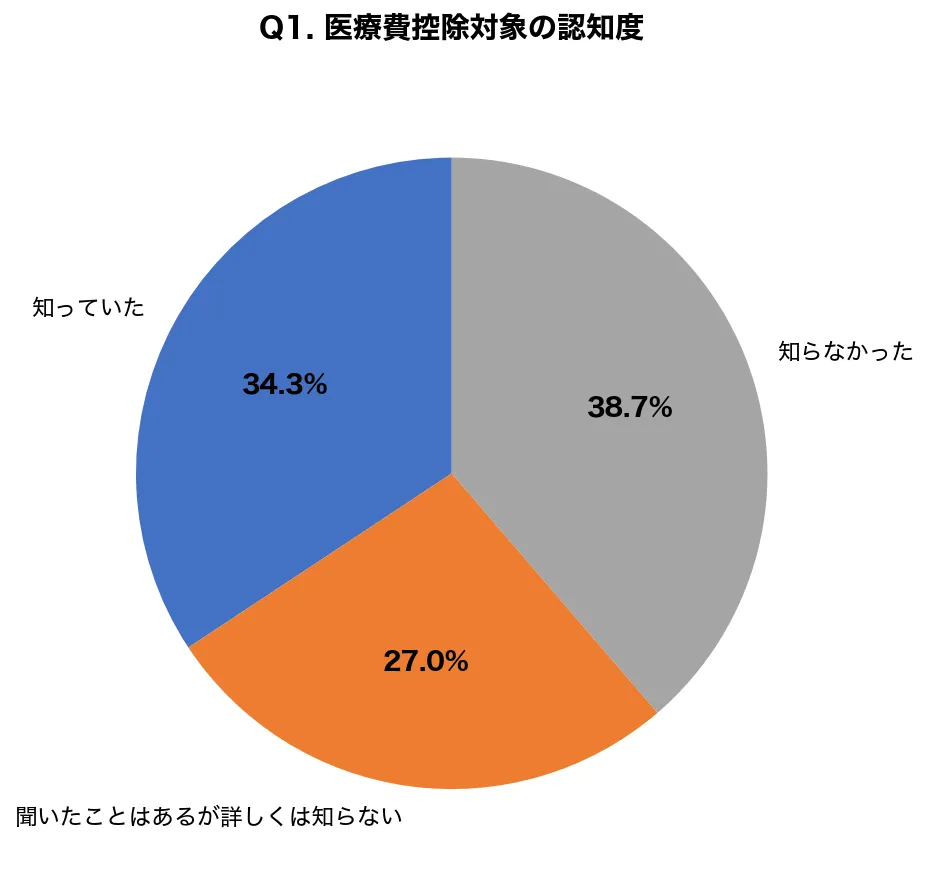
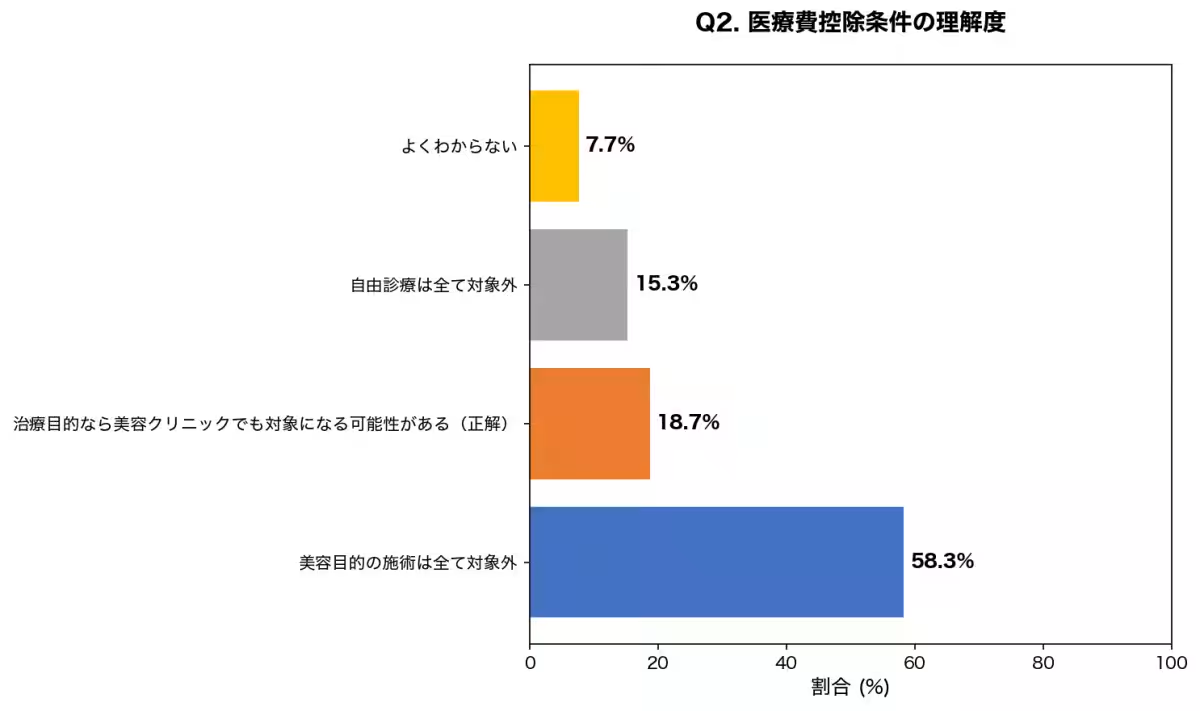
A recent survey conducted by IC Clinic has shed light on the common misunderstandings surrounding medical expense deductions in aesthetic medicine. With findings suggesting that only 18.7% of people understand the criteria for these deductions properly, the results indicate a significant gap in public knowledge about what constitutes a deductible medical expense in the realm of beauty treatments. Moreover, a staggering 58.3% of respondents were mistaken in believing that all aesthetic procedures are ineligible for these deductions, highlighting a pressing need for clarity in this area.
Key Findings of the Survey
1. Limited Awareness of Deductions: The survey indicated that only 18.7% of participants correctly understood that treatments for medical purposes might qualify for tax deductions. In contrast, 58.3% believed that aesthetic treatments were entirely non-deductible.
- The survey sought to reveal the actual experiences of patients and the common misconceptions that could impact financial decisions related to aesthetic medical procedures during tax season.
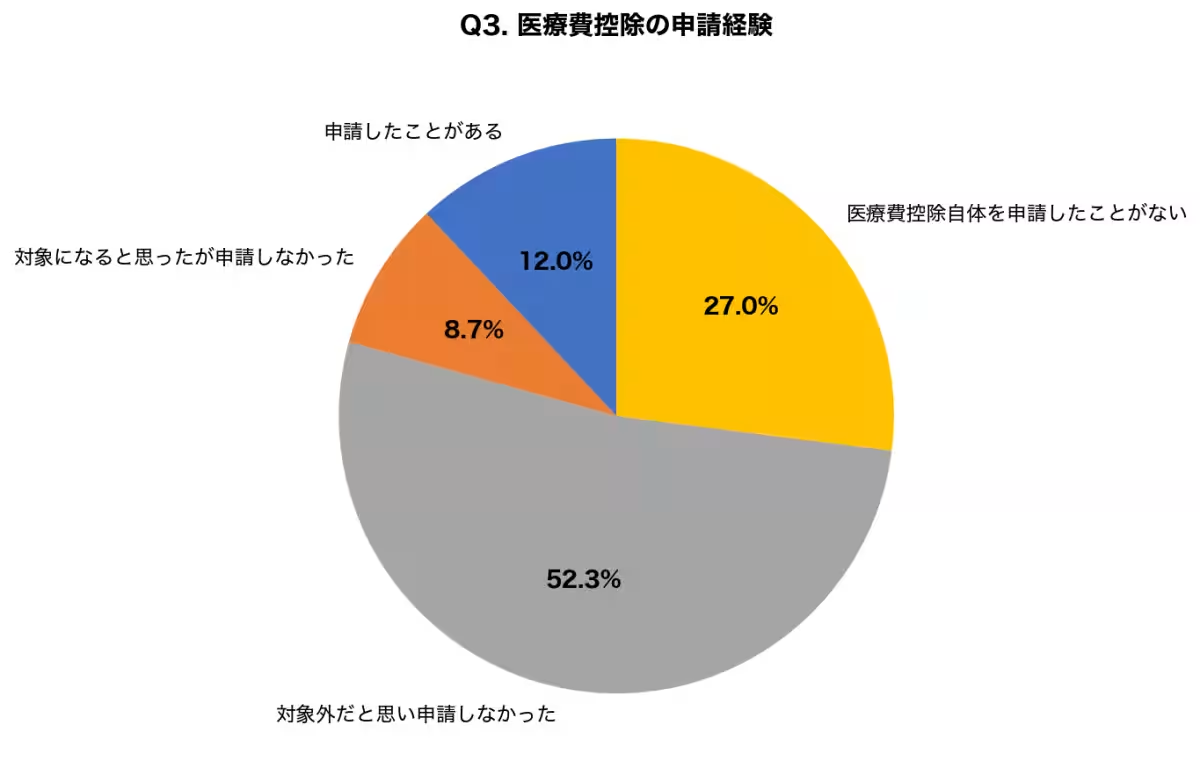
2. Experience with Deductions: Only 12% of respondents had applied for medical expense deductions for their treatments, while a significant 52.3% chose not to apply, believing erroneously that their treatments were ineligible.
- This statistic indicates that many individuals may be missing out on potential tax refunds simply due to a lack of understanding.
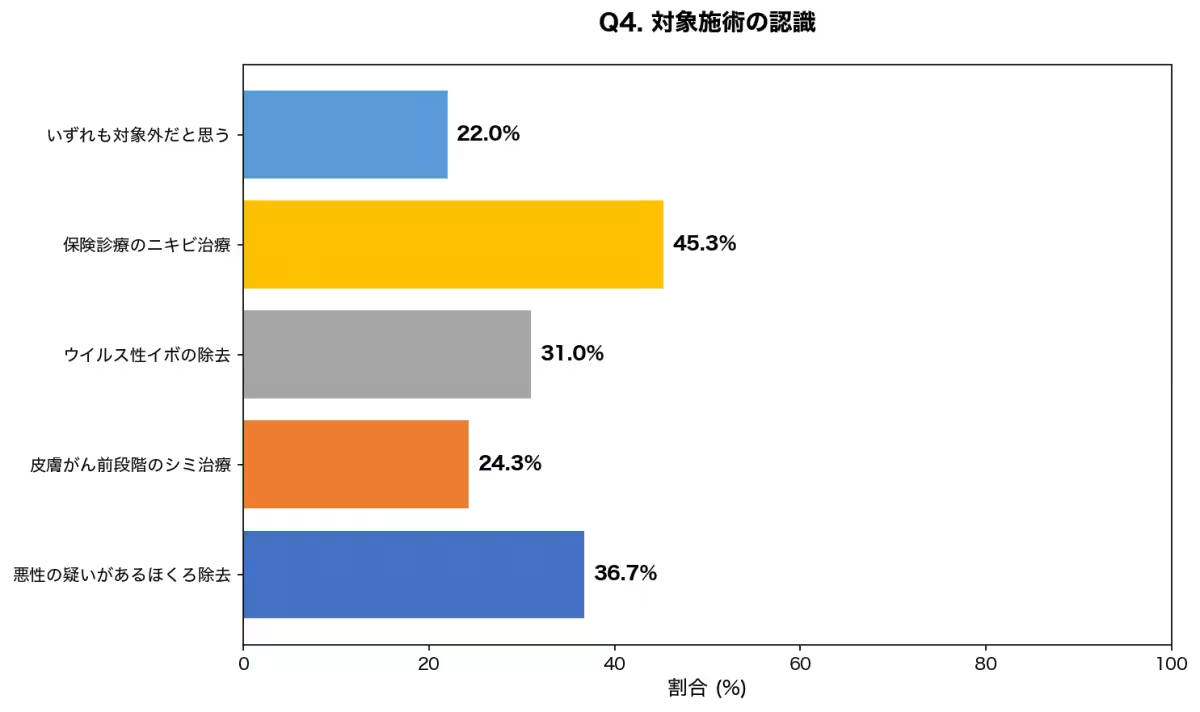
3. Misunderstandings About Treatment Types: Approximately 36.7% of respondents correctly recognized that the removal of moles, under suspicion of malignancy, could qualify for deductions. However, others were unaware of the potential deductibility of treatments for skin disorders.
- This indicates a critical need for better communication from healthcare providers regarding which treatments qualify under the tax laws.
Insights on Medical Expense Deductions
Medical expense deductions allow individuals to reclaim a portion of their income tax when they incur high medical costs. For aesthetic procedures, the distinctions between treatments aimed at beautification versus those aimed at medical interventions are crucial. Deductions are generally reserved for procedures that address medical concerns rather than cosmetic desires.
What Constitutes Deductible Treatments?
The determination of whether a procedure is deductibly relevant depends on its purpose—specifically, whether it is for treatment or purely cosmetic reasons. Examples of deductible procedures include:
- - Mole Removal: If there is suspicion of malignancy, treatments may qualify.
- - Treatment for Skin Conditions: Conditions like sun-damage skin (precursors to skin cancer) or other medical skin disorders can be deducted.
- - Acne Treatments and Other Dermatological Issues: Medical treatments aimed at chronic skin problems are also eligible.
Conversely, procedures conducted purely for cosmetic enhancement, such as wrinkle reduction or skin whitening without medical necessity, do not qualify as deductible expenses.
The Importance of Accurate Documentation
For patients seeking to benefit from these deductions, accurate documentation is paramount. Patients are advised to:
- - Always ask their physicians whether their treatments are for medical or cosmetic purposes.
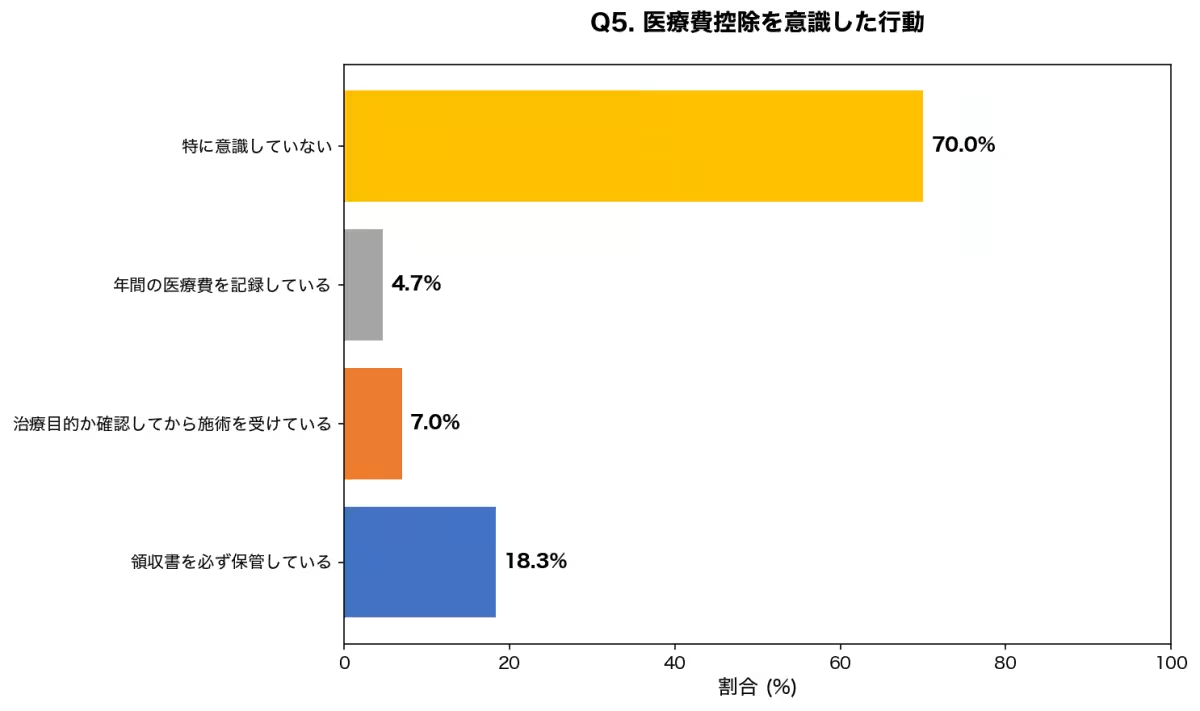
- - Retain receipts and medical documentation that specify the purpose of the treatment for tax purposes.
- - Monitor annual expenses to determine if they surpass the deductible thresholds set by tax authorities.
Conclusion and Recommendations
The findings of this survey highlight a critical knowledge gap around the medical expense deductions related to aesthetic procedures. With a significant portion of respondents lacking accurate information, it's essential for medical professionals to educate their patients about potential tax benefits. As the tax filing season approaches, it’s imperative that individuals with aesthetic medical expenses examine their situations closely, recognize their rights, and adequately prepare for filing their claims.
Health Professionals’ Advice
Dr. Kota Takakuwa from IC Clinic emphasizes the importance of understanding that not all aesthetic treatments are non-deductible—particularly those with medical relevance. Clear patient-physician communication is vital to ensure that individuals do not overlook potential deductions that they rightfully deserve.
For More Information
Patients are encouraged to consult with healthcare providers to clarify the nature of their treatments and whether those qualify for medical expense deductions. Additionally, detailed advice can be sought from tax professionals to navigate the complexities of tax filings effectively.
By fostering a better understanding of medical deductions within the realm of aesthetic procedures, patients will not only maximize potential tax benefits but also support their informed health choices.
Topics Health)
【About Using Articles】
You can freely use the title and article content by linking to the page where the article is posted.
※ Images cannot be used.
【About Links】
Links are free to use.