



AI Adoption Sees Disparity Amidst Predictable Industry Transformations
AI Adoption Sees Disparity Amidst Predictable Industry Transformations
In a comprehensive survey conducted by Frontier Corporation, a Tokyo-based company, insights have emerged on the state of AI adoption across various industries. The study focused on over 1,040 respondents from sectors including advertising, consumer goods, manufacturing, retail, and food services, revealing crucial insights about the future of business models influenced by AI.
The Landscape of AI in Different Industries
Since the emergence of advanced AI tools like ChatGPT and image-generating algorithms, industries are witnessing a seismic shift in their operational paradigms. Tasks previously centered on improving efficiency are now evolving into a direct challenge against existing business models. The Frontier Corporation's survey aimed to evaluate the gaps between the predicted and actual adoption rates for AI technologies.
Key Findings from the Survey
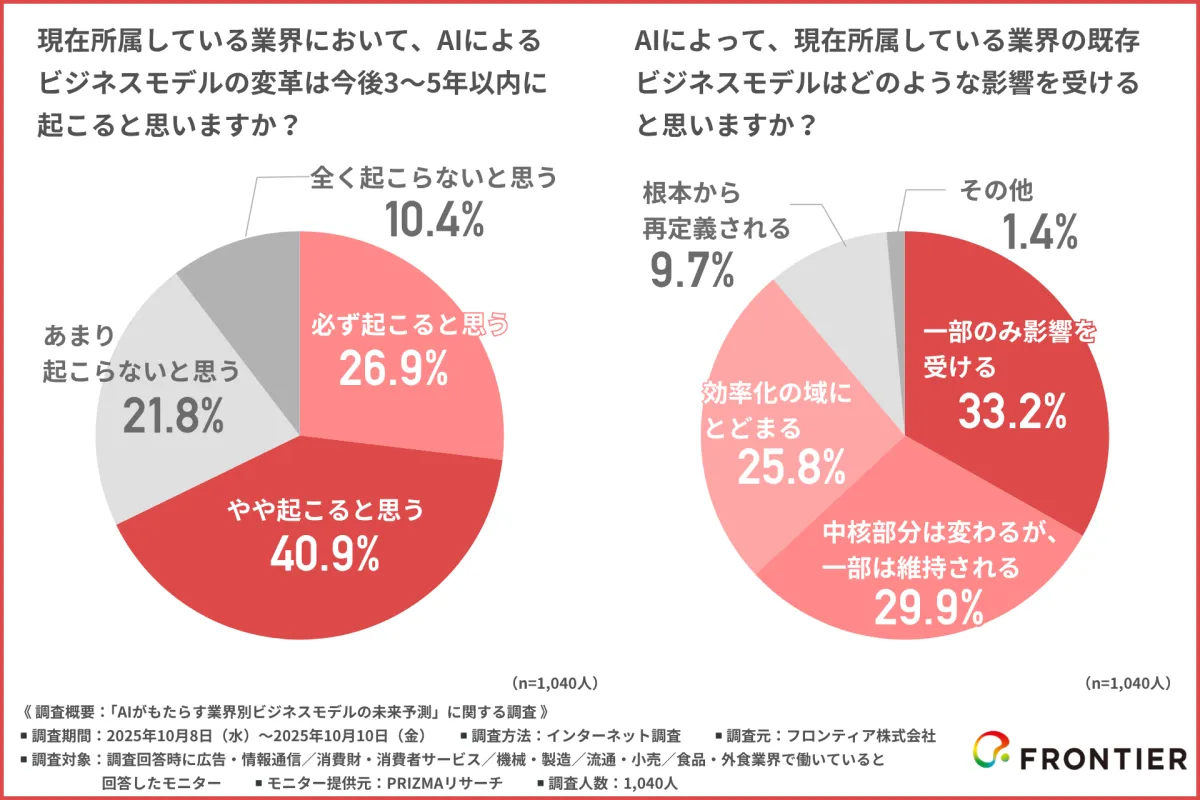
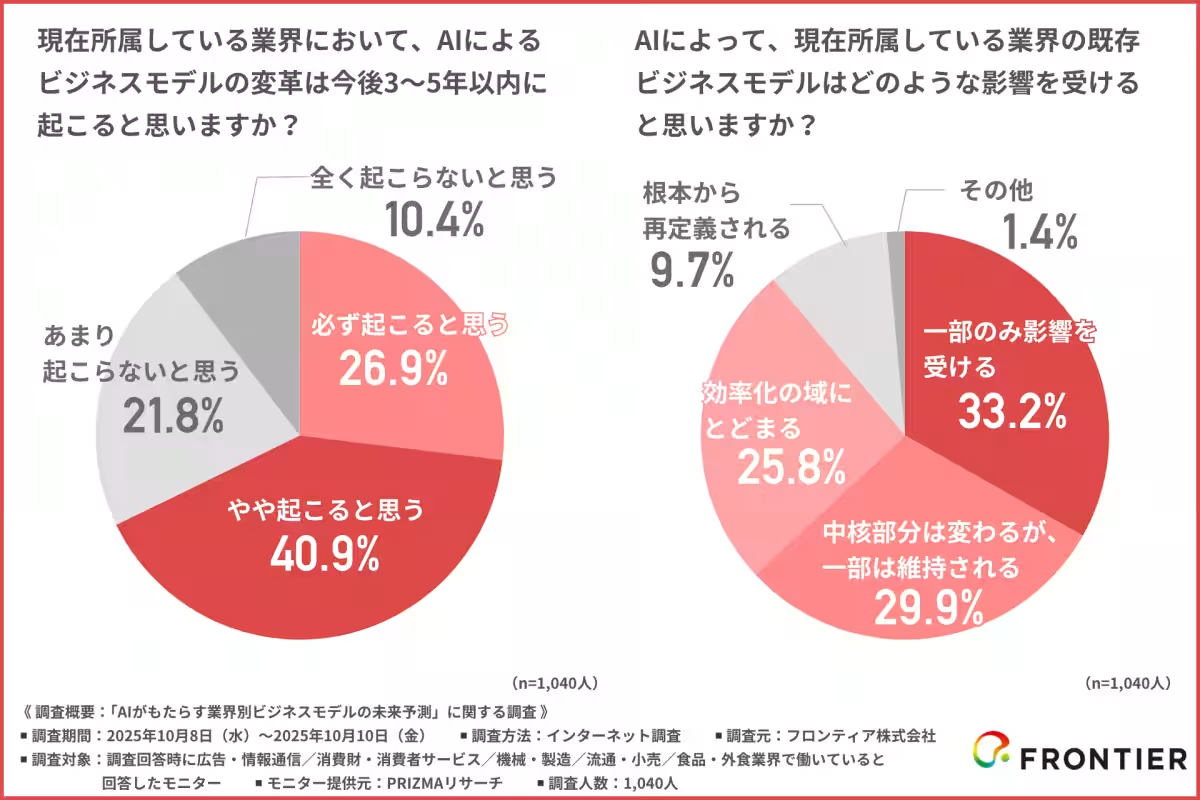
The study revealed that approximately 70% of respondents believe that there will be a significant transformation in their industries due to AI within the next 3-5 years. More specifically, 26.9% are certain that an overhaul will occur, while 40.9% expect moderate changes. This optimistic outlook contrasts sharply with the 30% who believe changes will be minimal or non-existent, highlighting a divide rooted in varying rates of AI implementation across different sectors.
Respondents also evaluated how deeply AI would influence their existing business models. Notably, 33.2% think only a part of the model will change, while 29.9% expect fundamental elements to morph, albeit with some aspects remaining intact. 25.8% foresee limited impact, indicating that for many firms, adopting AI is still a strategic dilemma.
The Current State of AI Utilization
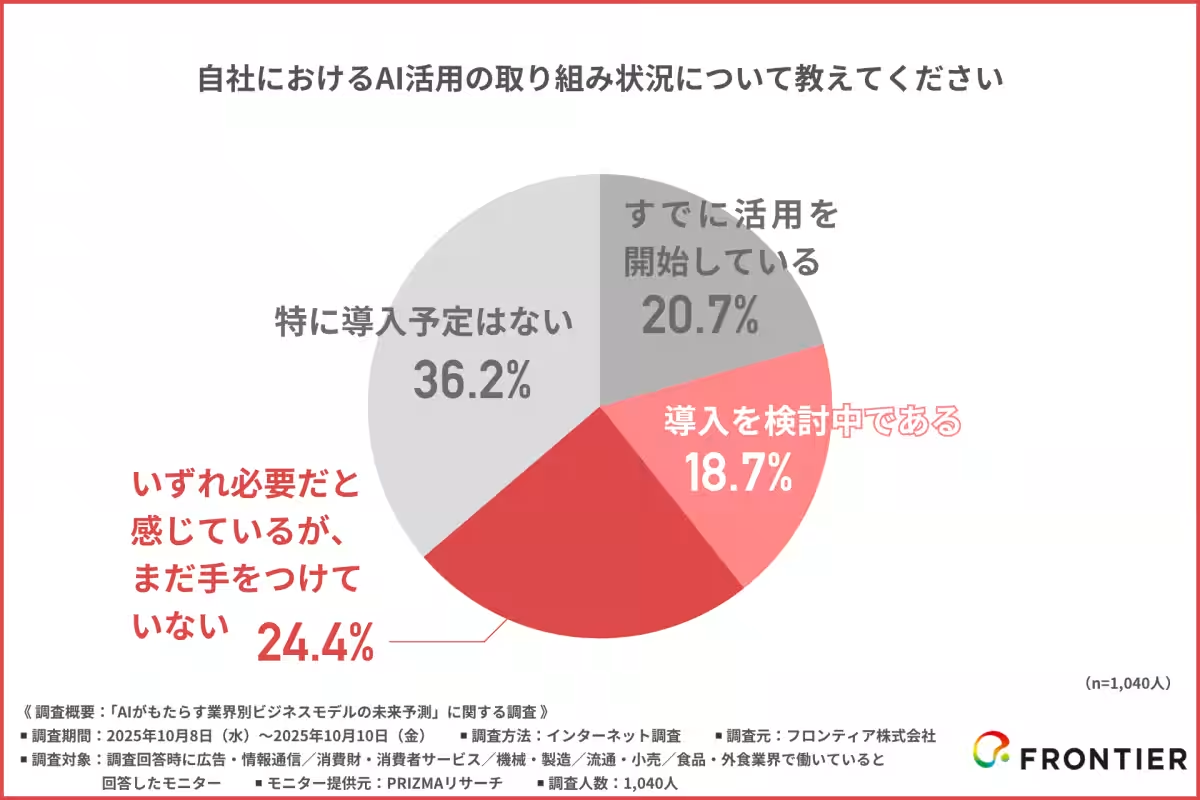
Despite acknowledgment of AI's transformative potential, actual implementation remains slow. Only 20.7% of companies are currently leveraging AI, with another 18.7% considering it. Alarmingly, 36.2% have no plans to adopt AI technology at all. While there is acknowledgment of AI's effectiveness, barriers such as budget constraints and shortage of skilled personnel hinder widespread adoption.
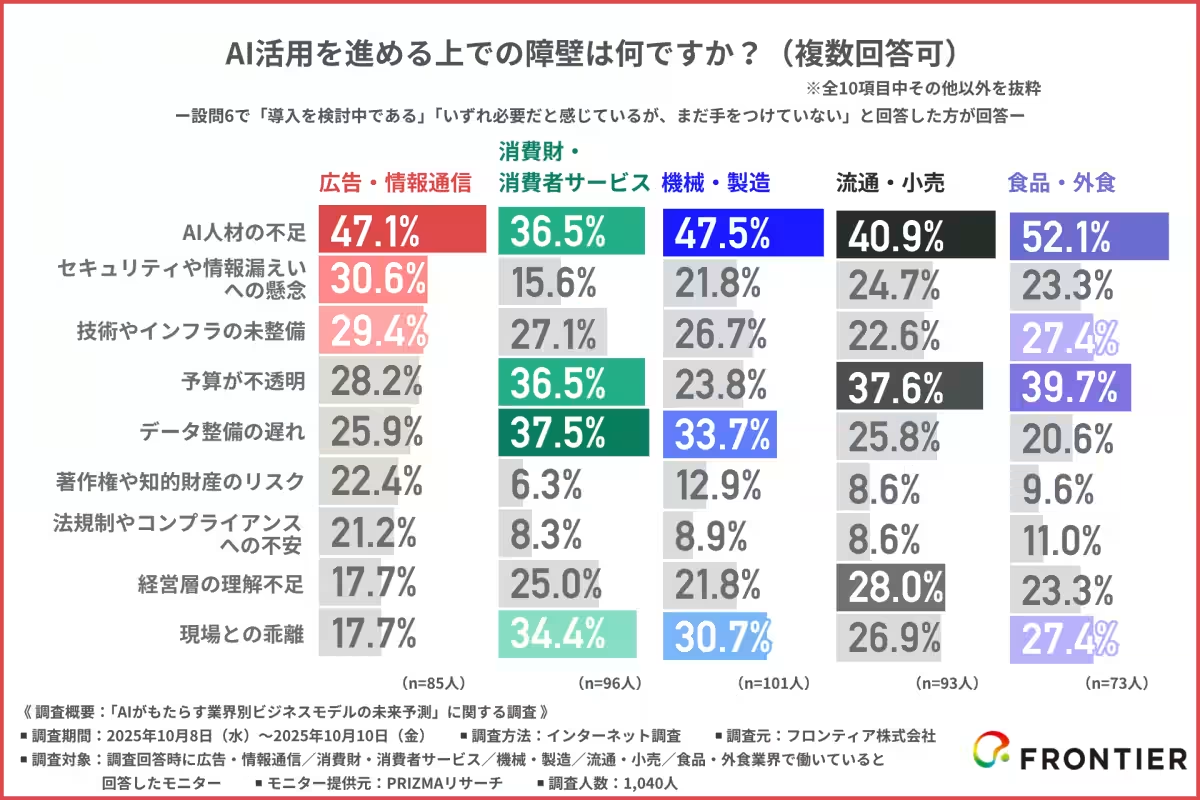
Respondents cited key barriers, particularly in the advertising and communication sector, where 47.1% highlighted a lack of qualified AI talent, 30.6% raised security concerns, and 29.4% pointed to inadequate technical infrastructure as impediments. On the other hand, consumer goods and retail respondents emphasized issues surrounding late data organization and unclear budgeting as major hurdles.
The Growing Need for AI in Business Strategy
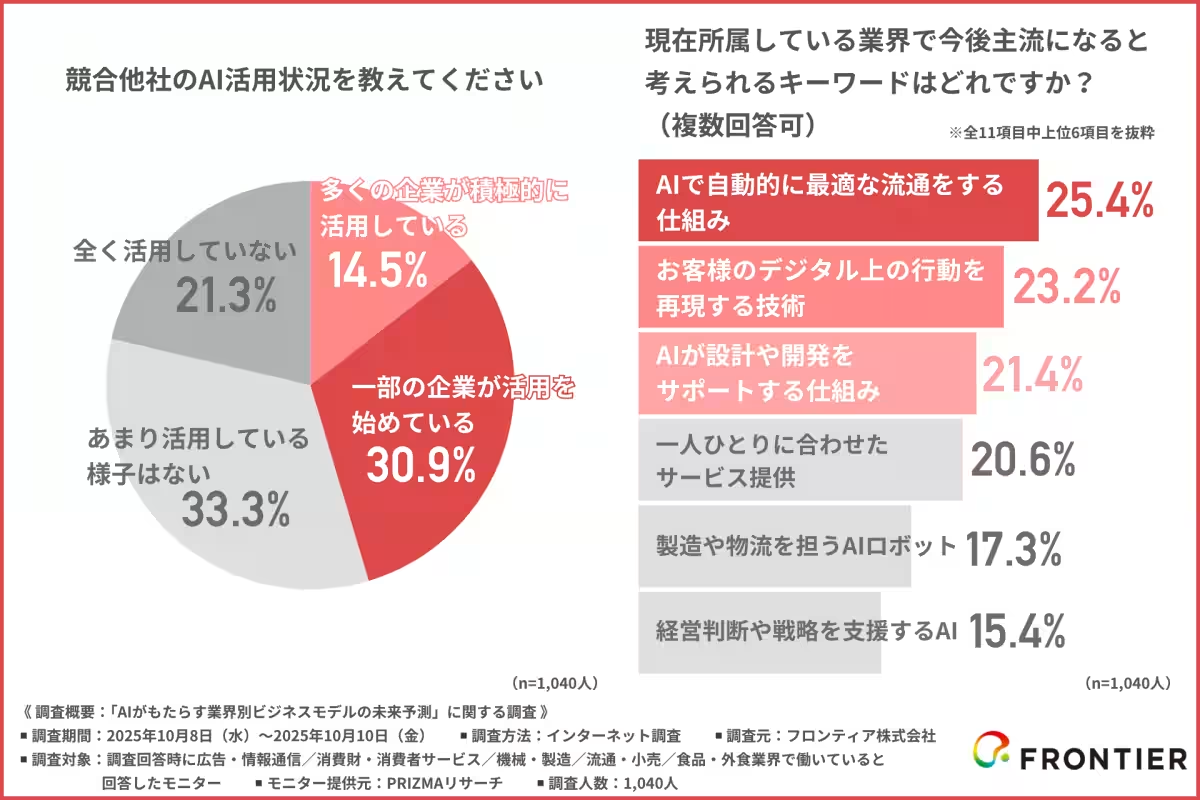
As organizations grapple with the decision to implement AI, the survey also sought to determine perceptions about competitors' engagement with these technologies. A surprising 33.3% felt that their competitors were not utilizing AI at all, while only 14.5% believed that many firms were harnessing the power of AI effectively. This duality indicates a potential competitive advantage for firms that can clear the existing barriers and take the leap into AI adoption.
Prominent keywords that firms foresee becoming mainstream in the next few years include autonomous Supply Chain Management (25.4%), digital twin technology (23.2%), and generative design (21.4%). This shows a growing interest in optimizing supply chains and production processes through AI, underscoring a transformative outlook for industry practices.
Conclusion: The Future of AI in Business Competition
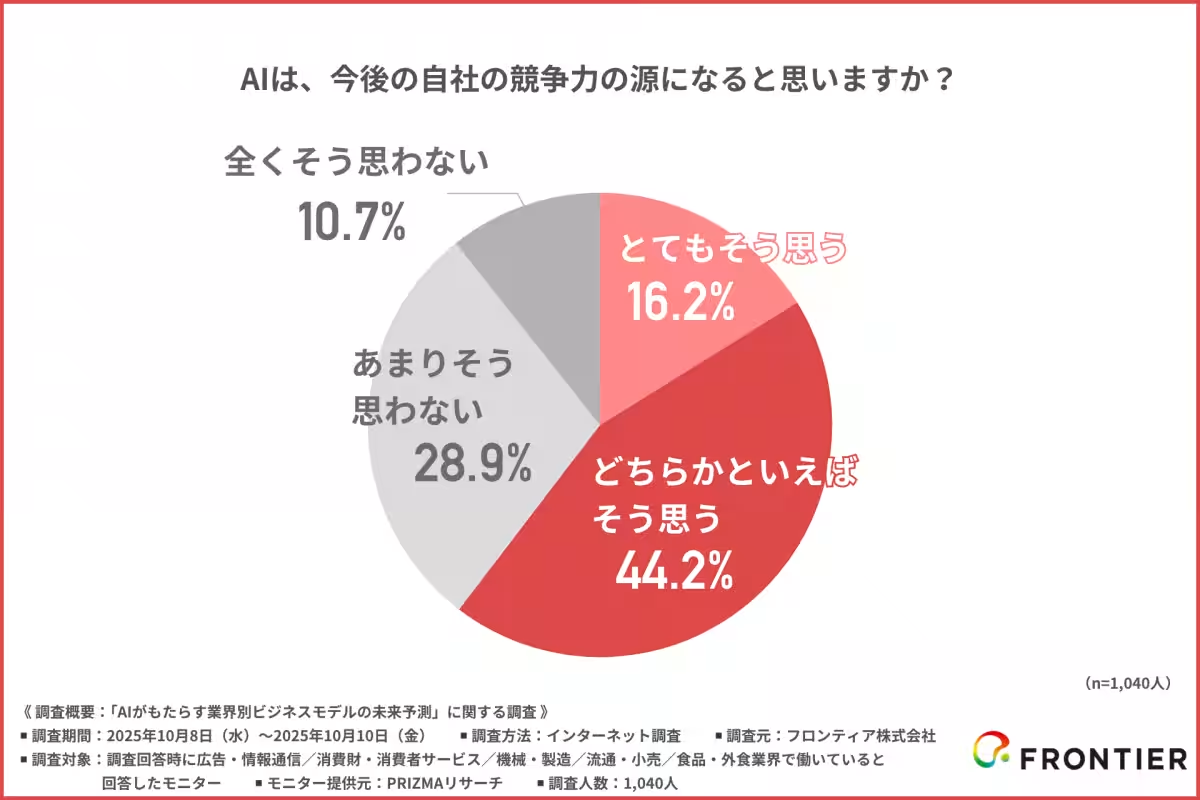
As the survey illustrates, many executives are optimistic about AI's ability to change business dynamics within the next few years. Notably, about 60% view AI as a source of future competitive advantage. However, this optimistic perception is countered by a significant 40% who remain skeptical. Moving forward, how businesses transition from mere efficiency tools to valuable resources will be essential.
With barriers clearly defined, companies are encouraged to invest not only in technology but also in personnel development and organizational changes. The ongoing transformation highlights a crucial period in which AI can fundamentally redefine the business landscape. As firms such as Frontier Corporation continue to facilitate AI integration, they usher in a new era of strategic transformation, making it imperative for corporations to recognize and act on the potential that AI holds for their operations.
Topics Business Technology)
【About Using Articles】
You can freely use the title and article content by linking to the page where the article is posted.
※ Images cannot be used.
【About Links】
Links are free to use.