



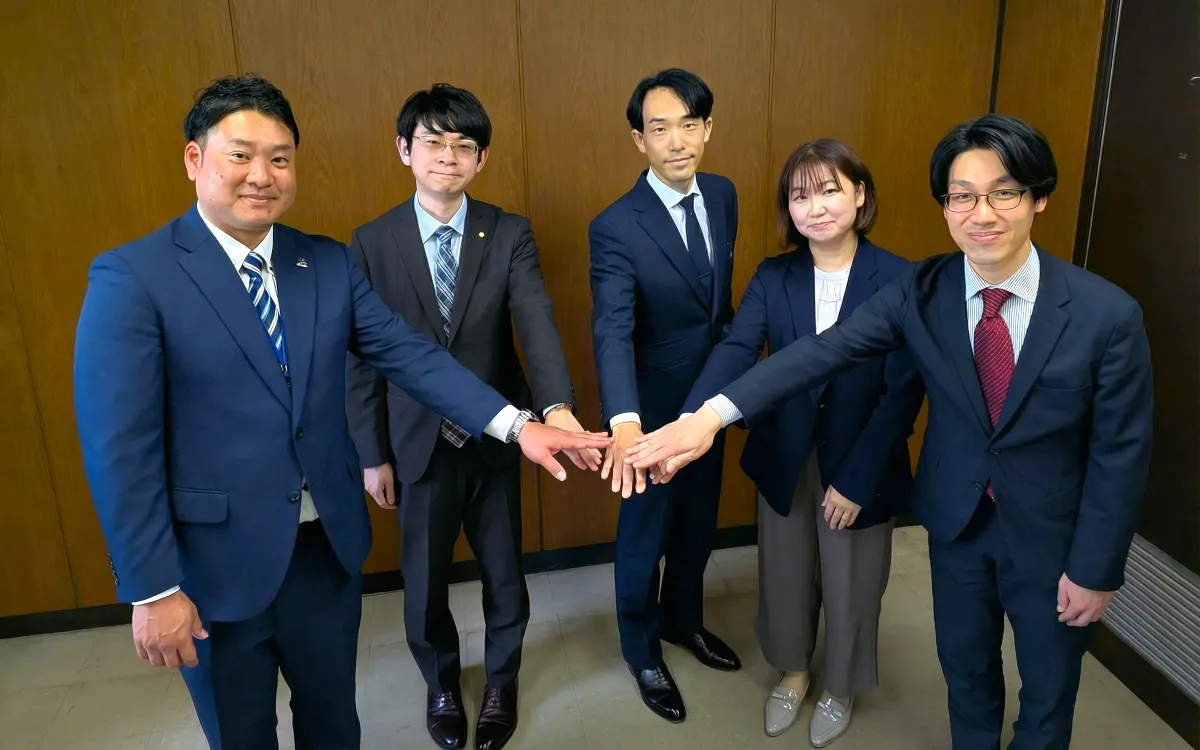
Sapporo Introduces Innovative Program for Foreign Bus Drivers Training
Introduction
Sapporo City has embarked on a groundbreaking initiative to train foreign bus drivers, a first of its kind in Japan. As labor shortages deepen in the bus industry, the local government aims to bridge the gap by harnessing the expertise of Tetra Shift, a startup specializing in driving education.
Program Overview
Business Name: Foreign Bus Driver Training Support Business for Special Skills (2026-2028)
Duration: April 15, 2026 - October 31, 2028
Contractor: Tetra Shift Co., Ltd.
Number of Trainees: 10
Participating Bus Operators: JR Hokkaido Bus Co., Ltd., Jotetsu Co., Ltd., Hokkaido Chuo Bus Co., Ltd.
The program utilizes Japan's Special Skills visa system to cultivate highly capable foreign bus drivers. It focuses on providing comprehensive support including recruitment, Japanese language education, training in Japanese driving regulations, and post-arrival support for acquiring driving licenses.
Background and Need for Action
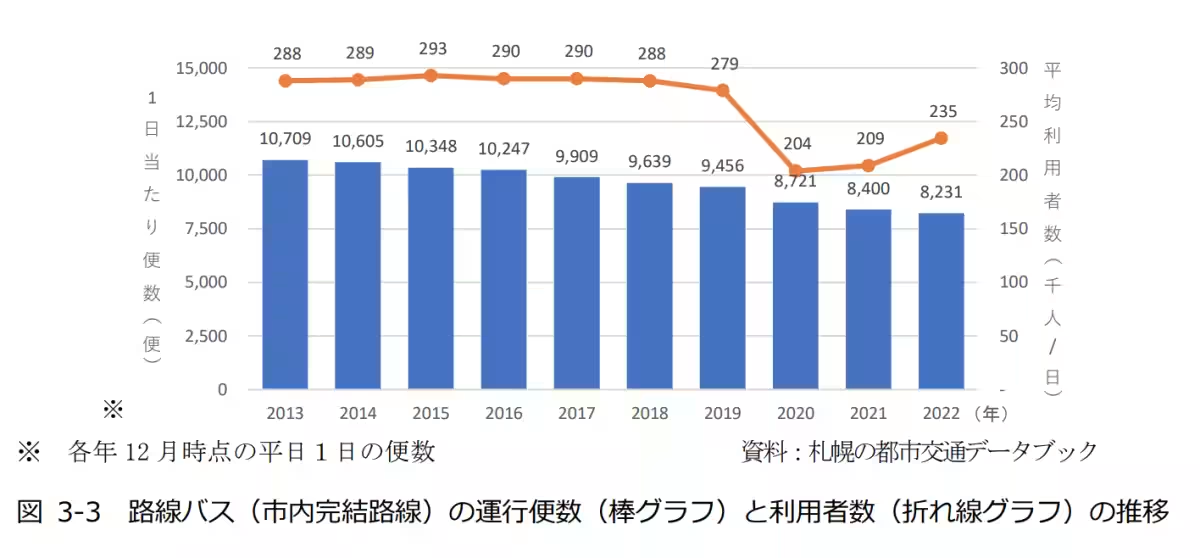
The bus industry in Japan faces a critical shortage of drivers, with projections from the Japan Bus Association estimating a deficit of approximately 36,000 drivers by 2030. Currently, the average age of bus drivers stands at 55.3 years, pointing to an urgent need for a younger workforce. In Sapporo, 64% of the bus drivers are in their 50s or older, showcasing the urgency of this initiative, especially since more than 30% of bus routes have disappeared between 2013 and 2022.
To counter this trend, the Japanese government introduced the Special Skills visa category in the automotive transport sector, allowing foreign workers with the requisite language and driving skills to work as professional drivers in Japan. Sapporo is the first municipality to pilot a local training program, enhancing previously announced model projects aimed at recruiting international students as bus drivers.
Tetra Shift's Unique Approach
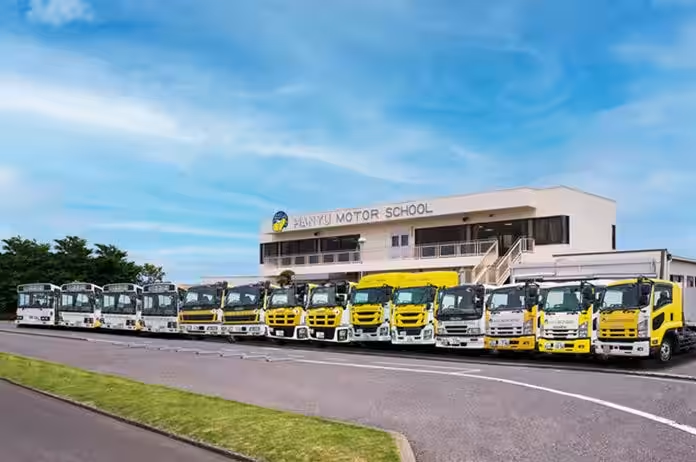
Tetra Shift Co., Ltd. is uniquely positioned to deliver this training, leveraging its background as a certified driving school. The company plans to offer a comprehensive training structure that includes not only recruitment and language education but also training in safe driving practices in accordance with Japanese laws.
Key Training Features
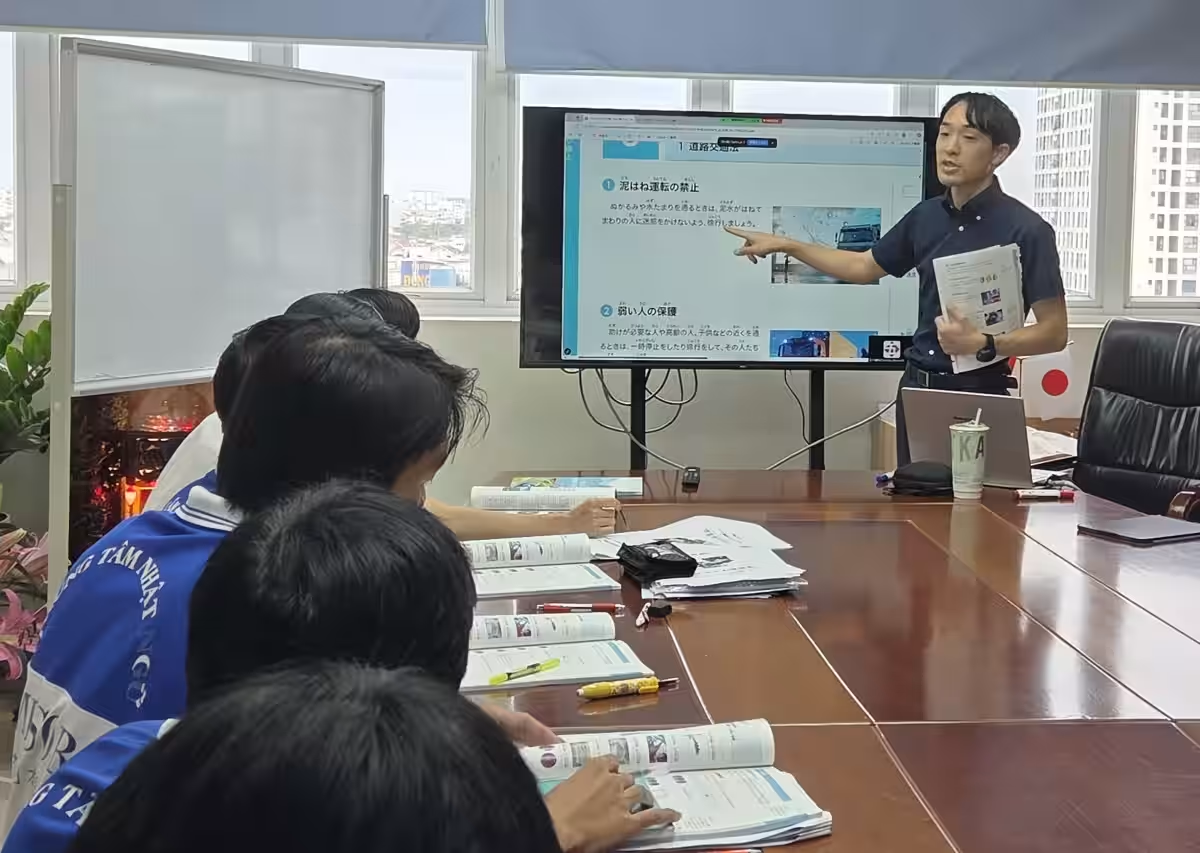
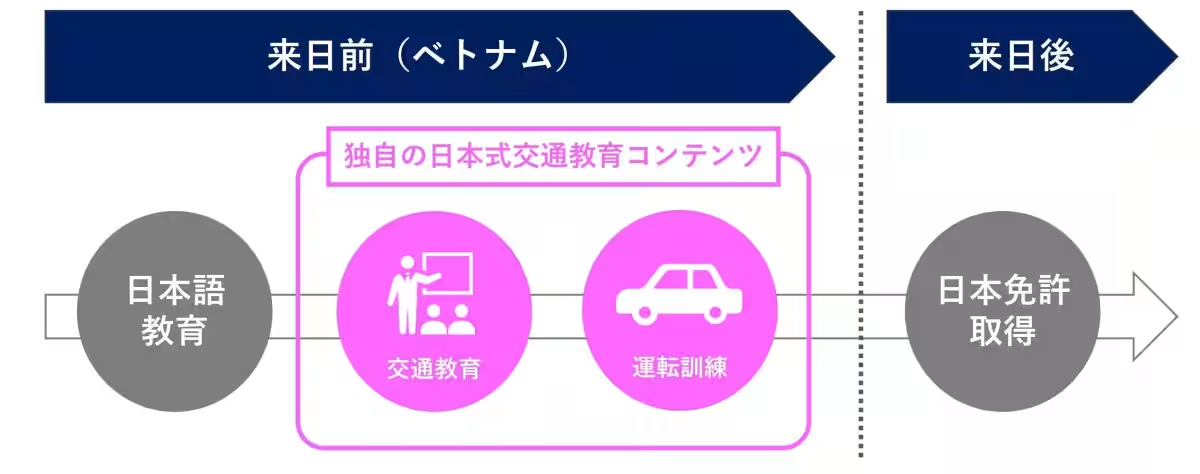
- - Pre-Entry Education: Utilizing their own textbooks and online lectures, Tetra Shift provides extensive pre-entry training covering Japanese traffic laws and driving etiquette, ensuring trainees are well-prepared before arriving in Japan.
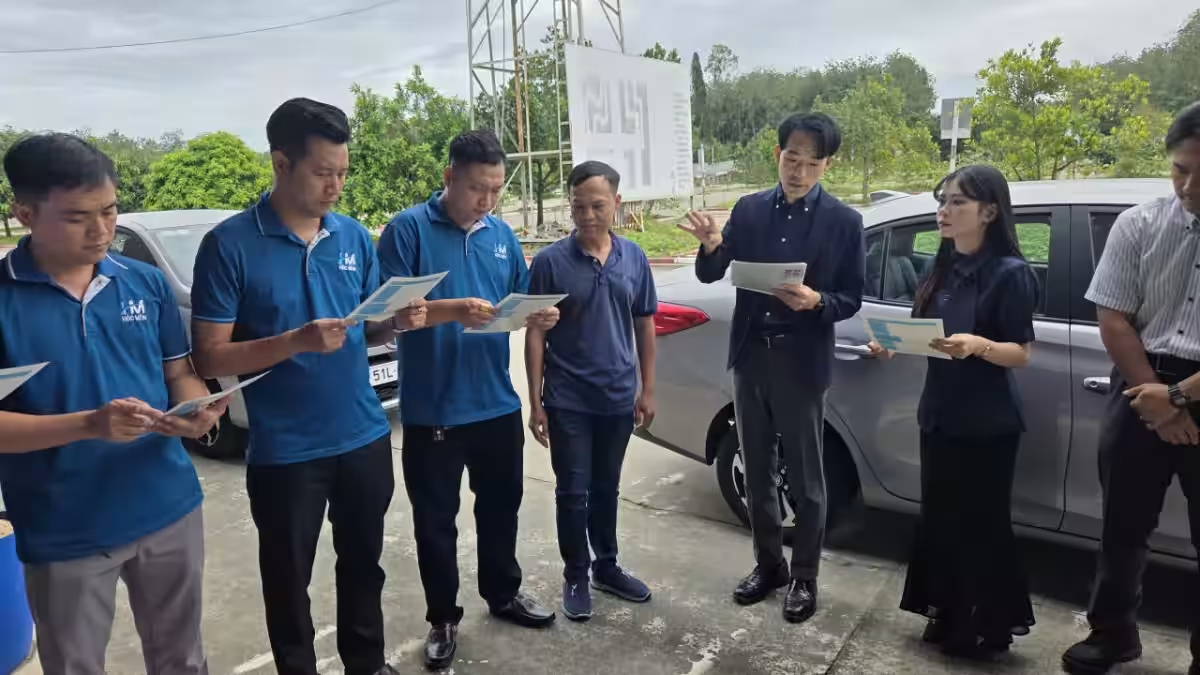
- - Local Practical Training in Vietnam: The program includes practical training tailored for driving in a Japanese context, conducted in collaboration with Tetra Shift’s partner driving schools in Vietnam. This includes hands-on driving instruction to ensure a solid foundation before trainees travel to Japan.
- - License Acquisition: Instead of converting foreign licenses, trainees will pursue training at Japan’s driving schools to obtain regular and large vehicle licenses under the mentorship of professional instructors.
Timeline and Future Steps
The recruitment phase is set to begin around May 2026, followed by a dedicated class for language and safety training in June or July. By September 2027, interviews for potential candidates will be conducted, leading to an expected arrival in Japan by November 2027. Following arrival, trainees will focus on obtaining their driving licenses before commencing employment by April 2028.
Community Engagement and Support
Local bus operators are actively engaged in this initiative, recognizing the importance of stable driver supply to maintain critical public transportation services. The goal is to integrate successful foreign trainees into their operations, ensuring they embody the safety and high standards that the region's residents expect.
Conclusion
The Sapporo initiative, powered by Tetra Shift, represents a forward-thinking solution to a pressing issue, setting a precedent for how local municipalities can address labor shortages through strategic partnerships and systematic training of foreign workers. As the program unfolds, monitoring and support will be integral in aligning public perception with the initiative’s goals, ultimately aiming for a seamless integration of foreign drivers into the local community.




Topics Other)




【About Using Articles】
You can freely use the title and article content by linking to the page where the article is posted.
※ Images cannot be used.
【About Links】
Links are free to use.