



Exploring the Favorite Ingredients of Onigiri in Japan: A Comprehensive Survey
Onigiri in Japan: A Beloved Snack
Onigiri, or rice balls, are a staple in Japanese cuisine, cherished for their convenience and delightful flavors. Recently, Cross Marketing, a company headquartered in Shinjuku, Tokyo, conducted a comprehensive survey involving individuals aged 20 to 69 across Japan. The survey aimed to uncover various behavioral insights related to onigiri, including consumption frequency, favored fillings, and purchasing habits.
Consumption Frequency
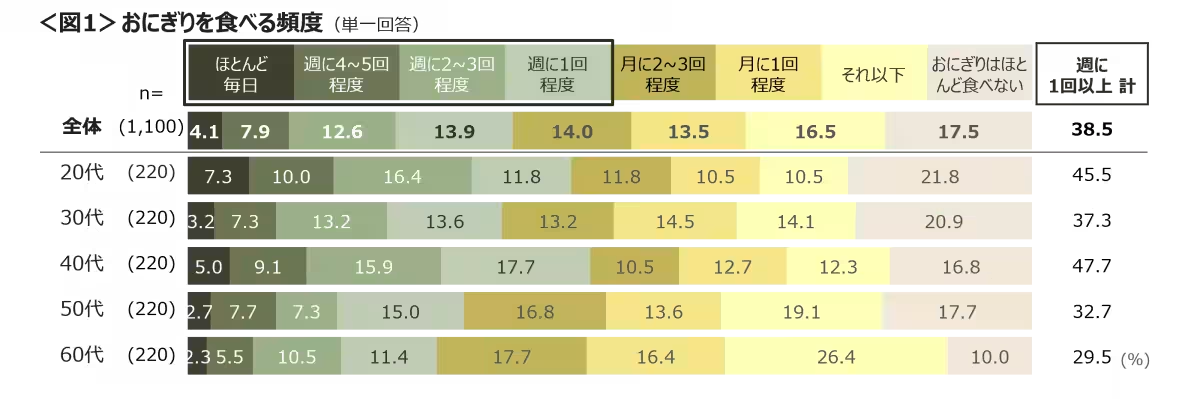
The survey indicated that approximately 38.5% of respondents enjoy onigiri at least once a week, with a majority consuming it at least once a month. Notably, individuals in their 20s and 40s tend to eat onigiri weekly, with rates around 40%. In contrast, only about 30% of respondents aged 60 years and above consume onigiri weekly, suggesting a potential generational shift in onigiri consumption habits.
Favorite Fillings
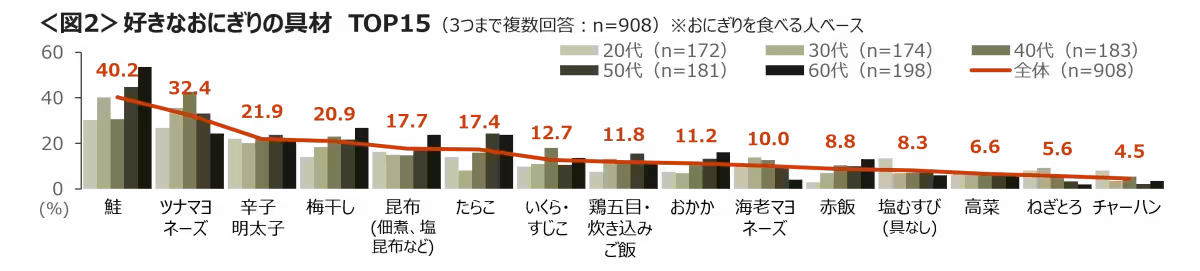
When it comes to favorite onigiri fillings, the top choice is salmon, followed by tuna mayonnaise and spicy cod roe. The survey revealed that preferences may vary by age group. For instance, salmon is a popular choice among those in their 60s, while tuna mayonnaise tops the list for respondents in their 40s. Interestingly, salted rice balls are favored by 13.4% of young adults in their 20s.
Perceived Taste Factors
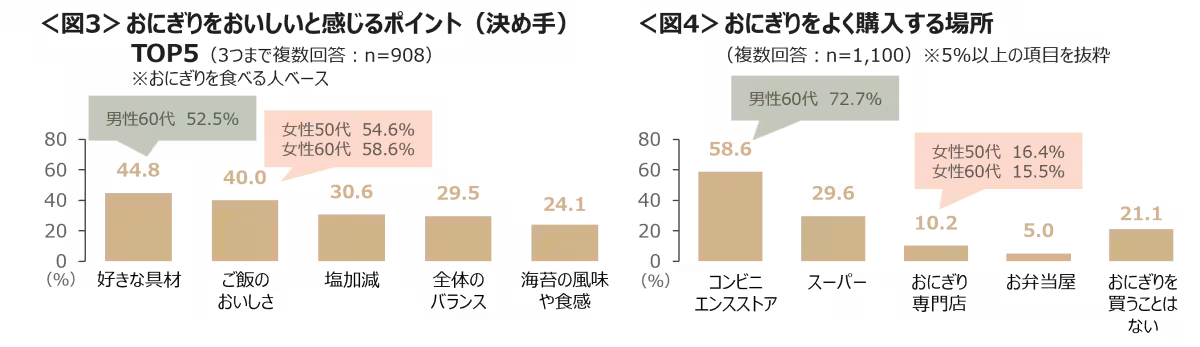
Respondents indicated that their enjoyment of onigiri mainly hinges on three critical factors: the favorite filling, the deliciousness of the rice, and the saltiness. Men in their 60s emphasize the importance of their preferred filling, while women in their 50s and 60s prioritize the quality of the rice, indicating an appreciation for the fundamental aspects of this traditional dish.
Popular Purchasing Locations
Convenience stores reign supreme as the preferred choice for purchasing onigiri, with nearly 60% of consumers opting for this route. Following convenience stores, supermarkets and specialized onigiri shops are also popular. The survey highlighted that over 70% of men aged 60 and above purchase their onigiri from convenience stores, while women in their 50s and 60s are more inclined to shop at onigiri specialty stores.
Accompaniments
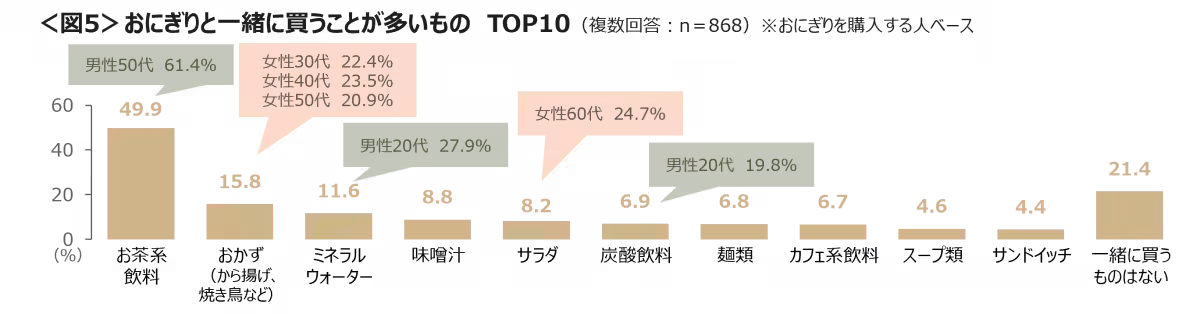
When it comes to beverages, nearly half of the respondents typically purchase onigiri with some form of tea. Other common accompaniments include side dishes and mineral water. Among young men in their 20s, there's a noticeable preference for carbonated drinks and mineral water, highlighting a younger demographic's varied palate.
Making Onigiri at Home
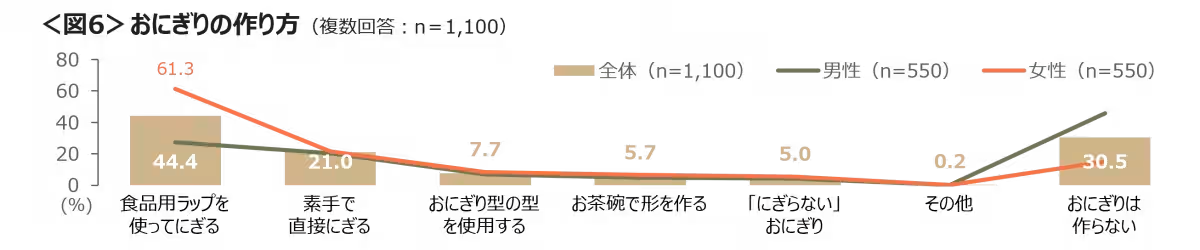
In terms of preparation, 44.4% of respondents prefer to use plastic wrap while making onigiri, compared to 21.0% who use their hands directly. Notably, the tendency to use wrap is more pronounced among female respondents, with 60% indicating its preferred use, suggesting a desire for both hygiene and ease in preparation.
Conclusion
Overall, this survey sheds light on the behaviors and preferences of onigiri consumers in Japan. From their favorite fillings to the method of preparation, onigiri continues to be a beloved snack among a wide audience, adapting to varying tastes and lifestyles. The insights from this survey will undoubtedly help businesses and marketers understand how to cater to the evolving demands of Japanese consumers.
For a deeper look into the data and trends, you can access the full report here.
Topics Consumer Products & Retail)
【About Using Articles】
You can freely use the title and article content by linking to the page where the article is posted.
※ Images cannot be used.
【About Links】
Links are free to use.