



January Cyber Fraud Report: Phishing Sites Surge Sixfold Amid Political Scams
January Cyber Fraud Report
Overview
The January Cyber Fraud Report has highlighted a significant increase in phishing websites, showing a dramatic sixfold rise in those impersonating Japan's National Tax Agency (NTA). Alongside this surge, the report also notes the emergence of investment scam sites masquerading as the Prime Minister's office, particularly as interest surrounding the House of Representatives election grows.
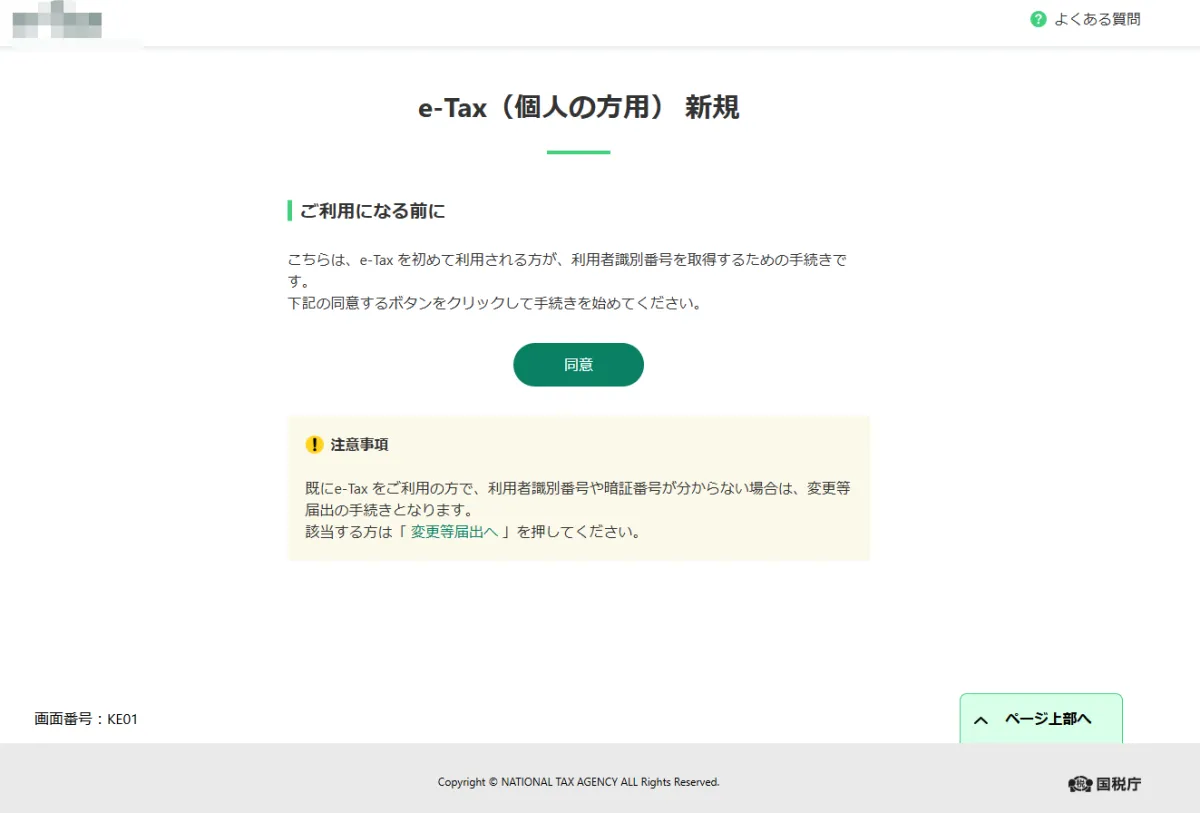
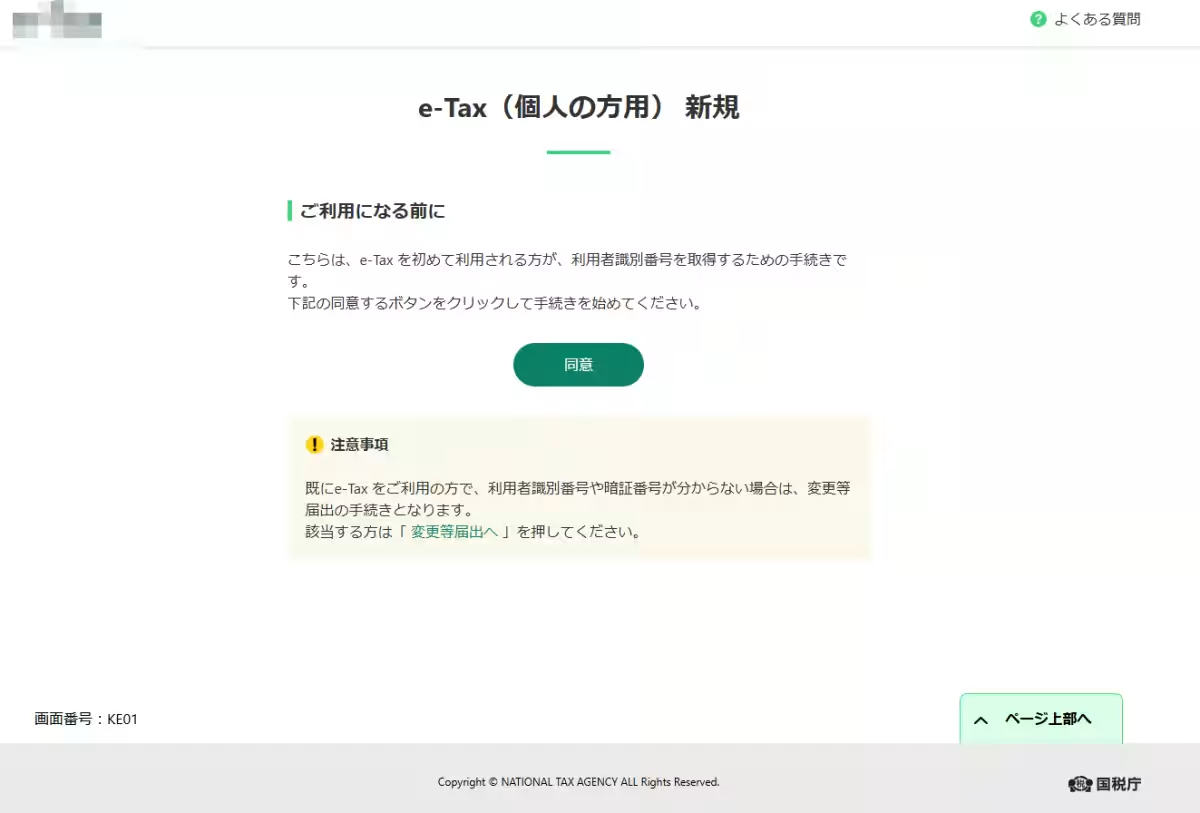
Phishing Sites Impersonating the National Tax Agency
Firstly, phishing sites designed to look like the National Tax Agency have proliferated recently. Scammers send emails or SMS messages claiming unpaid taxes, tricking users into clicking on links that lead to fake websites designed to capture their login credentials. As tax season approaches, the agency has advised citizens to stay vigilant, confirming they will not solicit tax payments via messages or emails. Users are urged to refrain from clicking links in suspicious messages and to always navigate to official websites directly.
For more details, visit the NTA's official warnings.
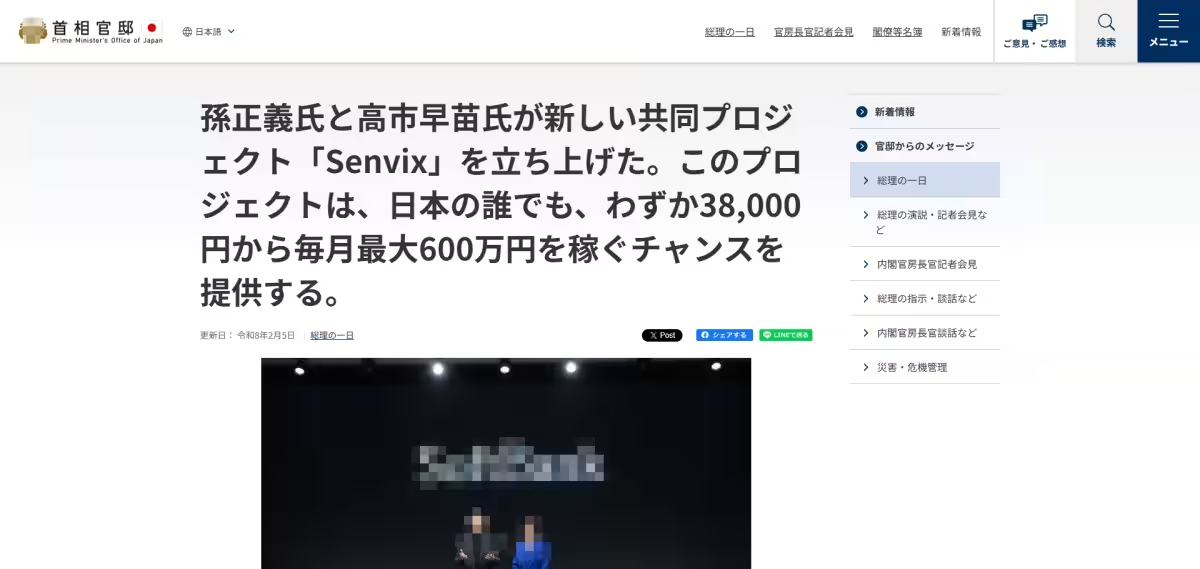
Emergence of Prime Minister’s Office Investment Scams
In addition to the phishing sites related to the NTA, a new wave of investment-related scams has surfaced, exploiting the visual content and quotes from the Prime Minister’s office. These fraudulent sites have appeared during a politically charged time, potentially taking advantage of the heightened attention towards the Prime Minister as the House of Representatives election draws near. Although reports of these scams are relatively few, the timing suggests that attackers deliberately targeted this period to lure victims by leveraging the credibility of a central government institution.
Further information and warnings can be found through the Prime Minister's office alert.
Phishing Site Brand Rankings
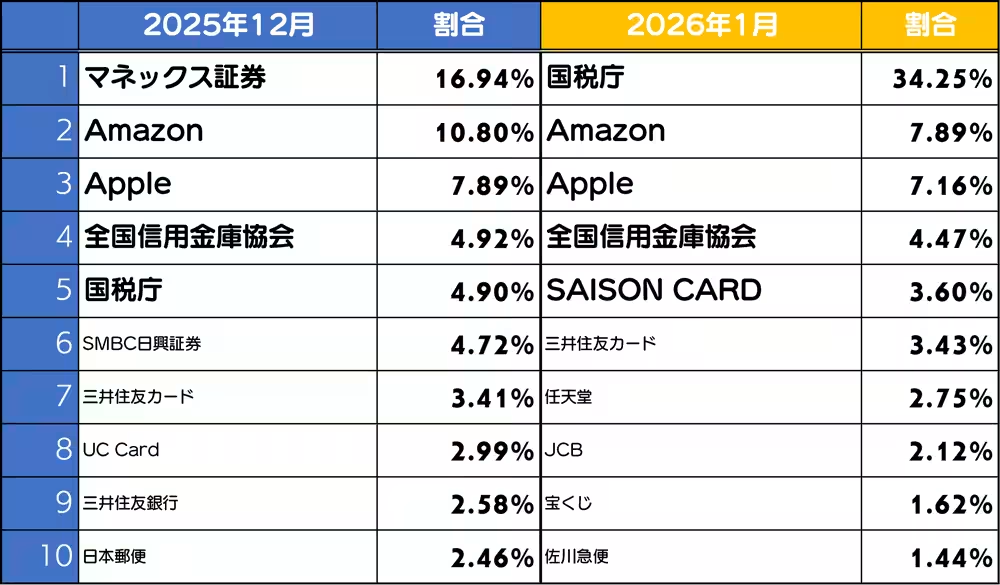
In the brand ranking for January, the National Tax Agency came in at the top position, followed by other notable brands. This month also saw Nintendo ranking seventh, as phishing scams imitating both Nintendo and PlayStation sites have increased. Users should remain cautious during this peak period for cyber fraud.
Composition Ratios of Phishing Site Categories
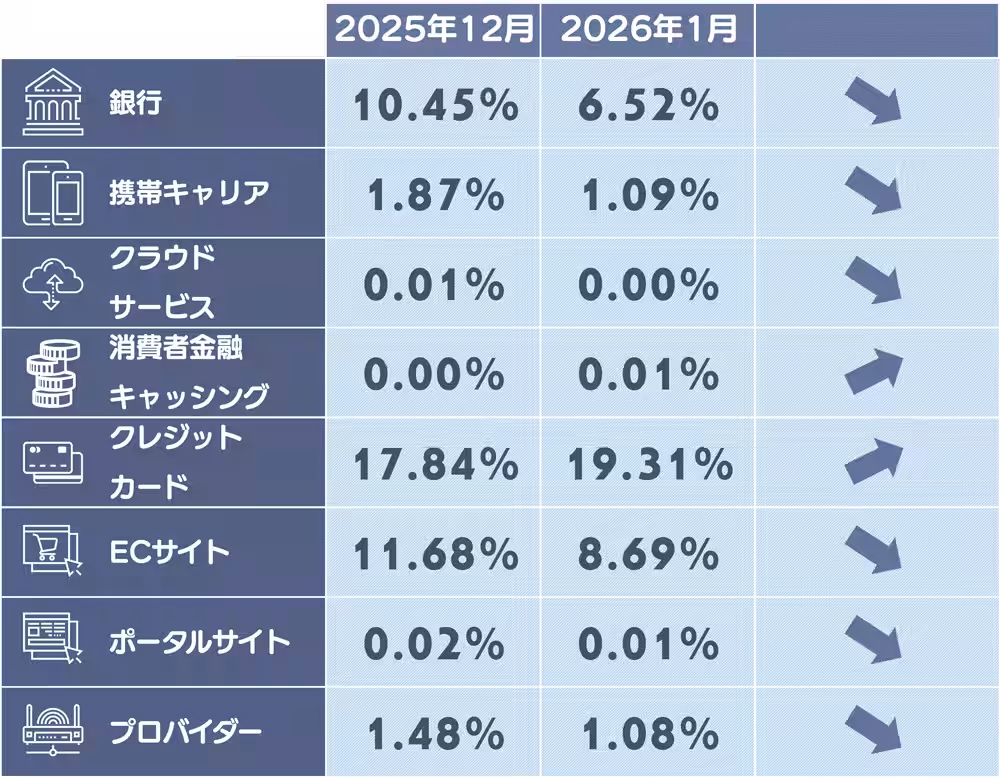
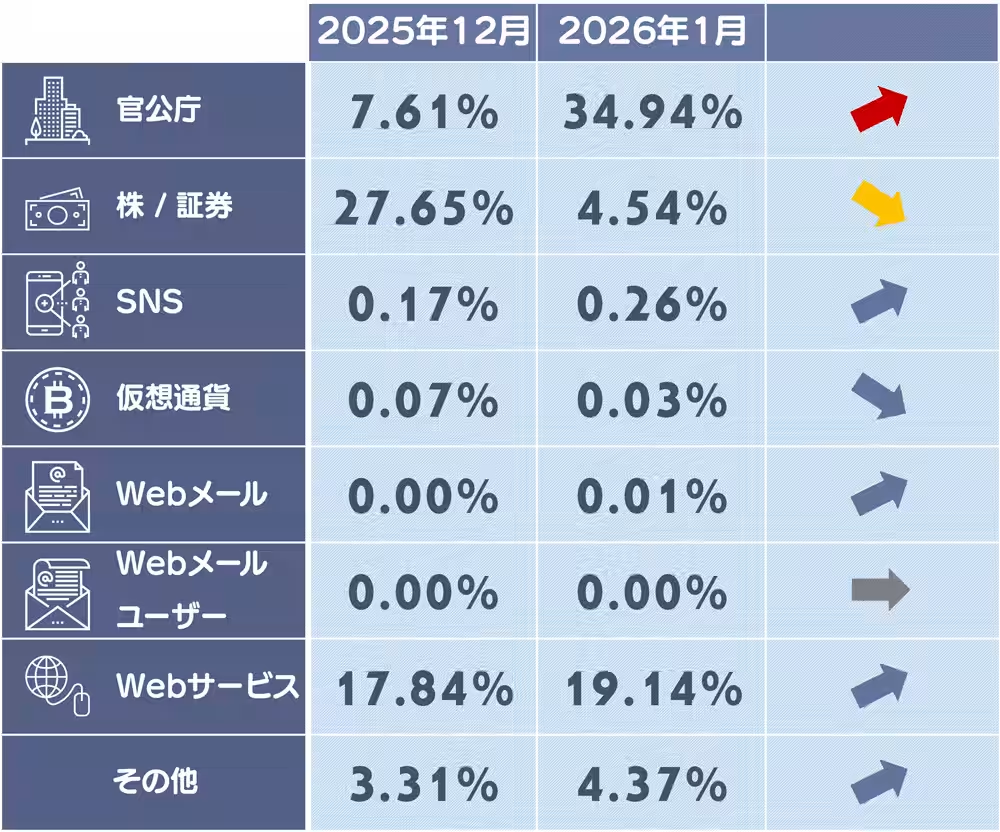
This month, the composition of phishing sites in the public sector increased markedly, primarily attributed to the rise in NTA phishing sites. Conversely, there was a noted decrease in phishing sites related to securities, indicating shifts in tactics among scammers.
Tips for Preventing Phishing Fraud
1. Verify URLs: Always check that URLs in emails or SMS messages are legitimate. Rather than clicking links, type the address directly or use bookmarks.
2. Be Cautious with Personal Information Requests: Legitimate entities like credit card companies will never ask for sensitive information via email or SMS. Guard your information by ignoring suspicious emails.
3. Avoid Using the Same Login Information: Reusing passwords across multiple sites increases your risk. Use unique credentials for each service to minimize the risk of extensive account compromises.
4. Implement Security Software: As cybercrime tactics evolve, employing up-to-date security software is essential to protect against these increasingly sophisticated attacks. This software can help alert you to suspicious websites.
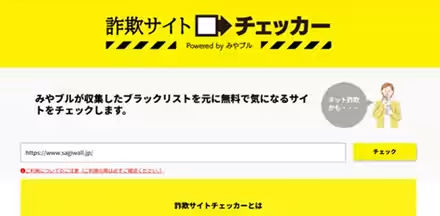
5. Use the Free Scammer Site Checker: If you're uncertain about a site's safety, utilize resources like the Scam Site Checker to assess whether a URL appears on any blacklist of fraudulent sites.
- Scam Site Checker URL
Expert Commentary
Professor Tatsuya Mori from Waseda University states that January has seen an alarming increase in phishing sites impersonating the National Tax Agency. Since last October, there has been a stark increase in these activities, with reported cases escalating from sevenfold to 48 times in subsequent months. This trend indicates a calculated strategy by attackers to amplify their scams ahead of tax season, foreshadowing potentially severe phishing tactics from February to March, when e-filing becomes more prevalent.
Additionally, the increase in scams pretending to be from the Prime Minister’s office is highlighted, showcasing a method that utilizes public figures to lend authenticity to their fraud. This tactic, particularly targeting social attention spikes, is a well-known manipulative strategy in the realm of cybercrime.
Historically, data from the report underline a clear pattern where attackers exploit social events to perpetuate their scams. Therefore, increased awareness and vigilance, particularly surrounding tax filings and shifting seasons, are crucial in combatting these ongoing threats.
Conclusion
While the cyber landscape continues to evolve with new challenges and threats, using the outlined preventative measures can significantly reduce the risk of falling victim to these scams. Sharing this information with family and friends can enhance community awareness and collectively guard against the impact of cyber fraud.
Topics Policy & Public Interest)
【About Using Articles】
You can freely use the title and article content by linking to the page where the article is posted.
※ Images cannot be used.
【About Links】
Links are free to use.