



2025 Lightning Report: Unusual Patterns and Precautions for a Stormy Summer Ahead
2025 Lightning Report Vol. 1
As summer approaches, the Japan Meteorological Association has released its first report of 2025 analyzing lightning activity for June. While lightning strikes were markedly fewer than usual nationwide, considerable increases were noted in regions such as Hokkaido and Honshu compared to last year, prompting a call for enhanced preparedness as thunderstorms become more frequent in the summer months.
Overview of June 2025 Lightning Activity
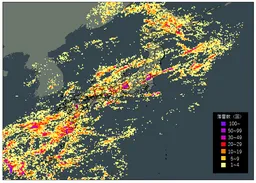
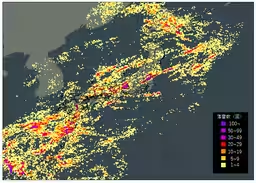
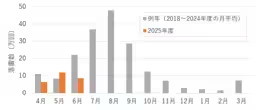
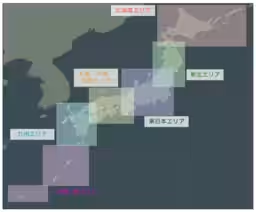
According to data from the Japan Meteorological Agency's Lightning Detection Network (LIDEN), the number of lightning strikes in June 2025 was approximately half the typical amount experienced during this month. The analysis segmented Japan into 10 km grids to assess lightning occurrences; regions such as Tochigi, Saitama, Gifu, Oita, Miyazaki, Kagoshima, and southern parts of Kyushu experienced concentrated bursts of lightning. Notably, unstable atmospheric conditions later in June contributed to the phenomenon known as thermal lightning, particularly following excessively hot days.
In Hokkaido, localized thunderstorms triggered isolated lightning events on June 11 and 27, attributed to the effects of cold air moving through the upper atmosphere. This report serves as a reminder that summer tends to produce heightened lightning activity, which is expected to increase in the months ahead.
Regional Comparisons
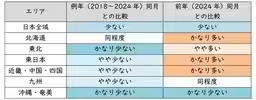
When examining regional data, it becomes clear that while June 2025 saw a decrease from the average for typical years, specific areas displayed a notable increase compared to June 2024. Excluding Hokkaido, lightning occurrences in regions such as Kyushu and Okinawa were significantly lower due to the delayed onset of the seasonal rainy front, which generally contributes to a rise in lightning events across these areas.
Table 1 illustrates the lightning tendencies, showing that regions other than Kyushu and Okinawa recorded higher frequencies compared to last year. This is particularly interesting since June 2024 was characterized by unusually high levels of lightning in the Okinawa region, which skewed the overall statistics nationwide.
Predicting Summer Thunderstorms and Rising Temperatures
Forecasts from the meteorological agency indicate that average temperatures across the nation are expected to rise above the historical averages from July to September 2025. Additionally, projections suggest that while the number of typhoons may align with usual patterns, an increase in the number reaching the Japanese archipelago could lead to increased storm development and consequently, more lightning activity.
Careful vigilance will be necessary in the following months as high temperatures coupled with approaching typhoons might greatly enhance thunderstorm occurrences.
Preparing for the Lightning Season
As we head into the peak of the summer thunderstorm season, industries such as manufacturing, construction, renewable energy, and event management must be diligent in establishing effective lightning protection strategies. The Japan Meteorological Association offers various services tailored to these sectors, including the Lightning Alert Web, online weather information through MICOS, lightning notification emails, and API services for energy companies. It is essential to utilize these tools to ensure safety and mitigate risks effectively.
For more details on our lightning monitoring and prediction services, please visit: Japan Meteorological Association Lightning Services
The upcoming months promise to bring challenges with increased lightning activity, underscoring the need for thorough preparation as the thunderstorm season begins. It's crucial to remain informed and equipped to handle the potential impact of severe weather this summer.
Conclusion
The lightning report highlights unusual trends in lightning activity across Japan. With summer storms on the way, communities, organizations, and industries must prepare well in advance to enhance safety measures and manage risks effectively. Awareness and readiness can make a significant difference as we navigate the unpredictable patterns of summer weather.

Topics Environment)
【About Using Articles】
You can freely use the title and article content by linking to the page where the article is posted.
※ Images cannot be used.
【About Links】
Links are free to use.