



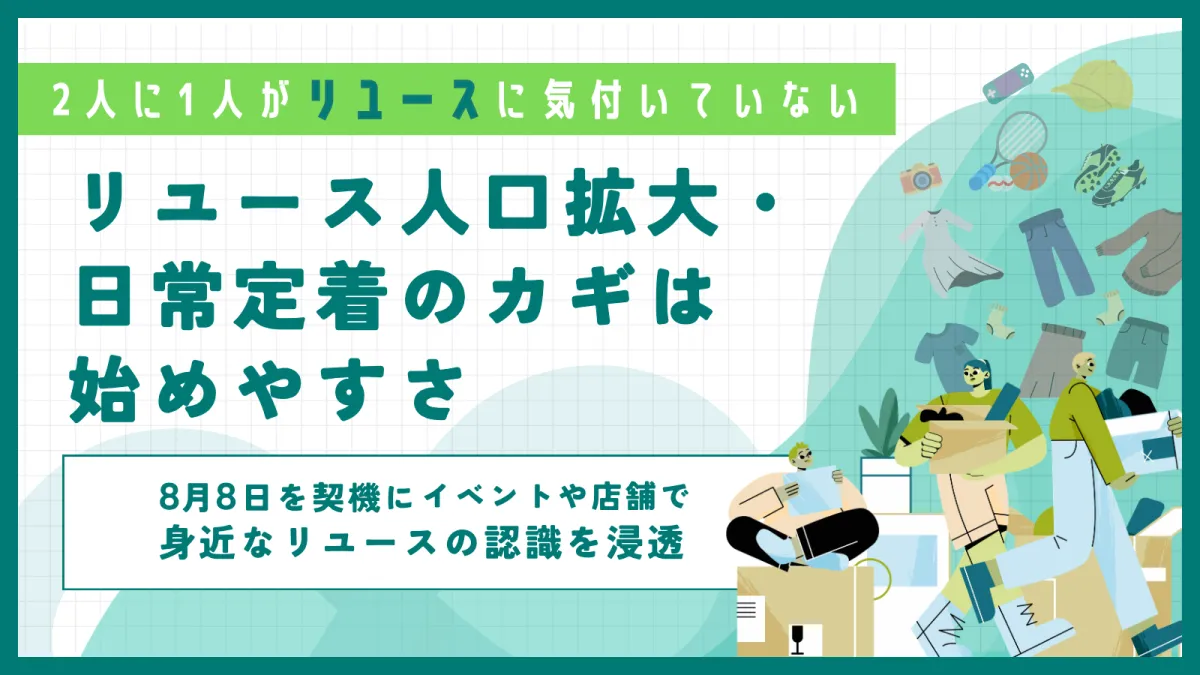
Understanding Reuse: More Than Half of Us Don't Recognize Our Actions in Daily Life
Understanding Reuse: More Than Half of Us Don't Recognize Our Actions
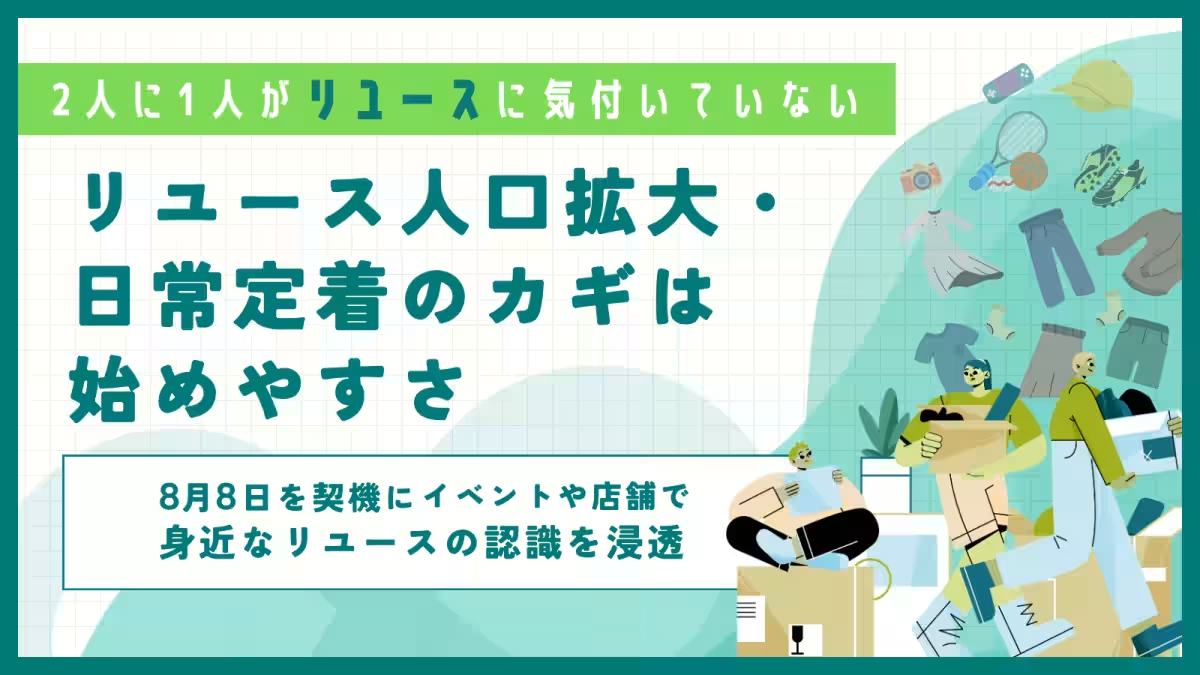
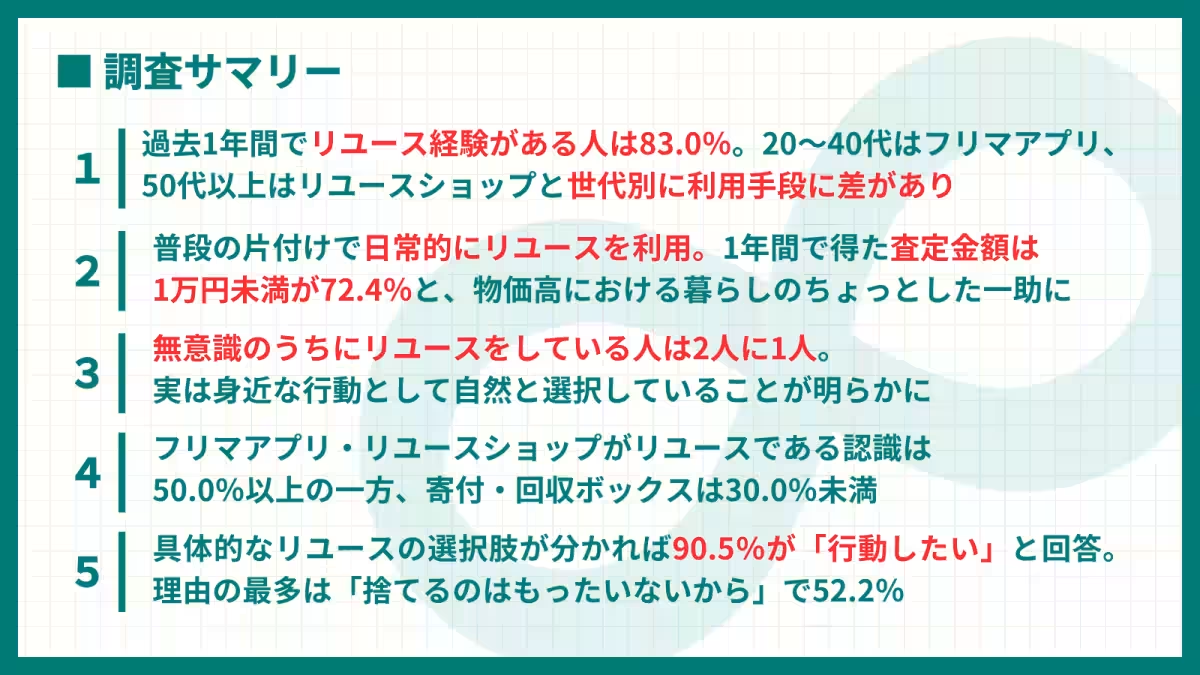
In a groundbreaking study by BOOKOFF Group Holdings on August 8, coinciding with Reuse Day, a significant finding has emerged: while 83% of respondents have participated in some form of reuse, nearly half do not acknowledge their actions as such. This report sheds light on the often-overlooked practices of reuse and provides insights intended to propel the cultural shift towards a greener, more aware society.
The Survey's Insights
Conducted from July 17 to July 18, 2026, the survey gathered data from over 1,000 participants aged 10 to 70. The results highlighted two primary points: first, the overwhelming majority—83%—have experience with at least one reuse method; and second, the methods chosen vary widely across different age groups.
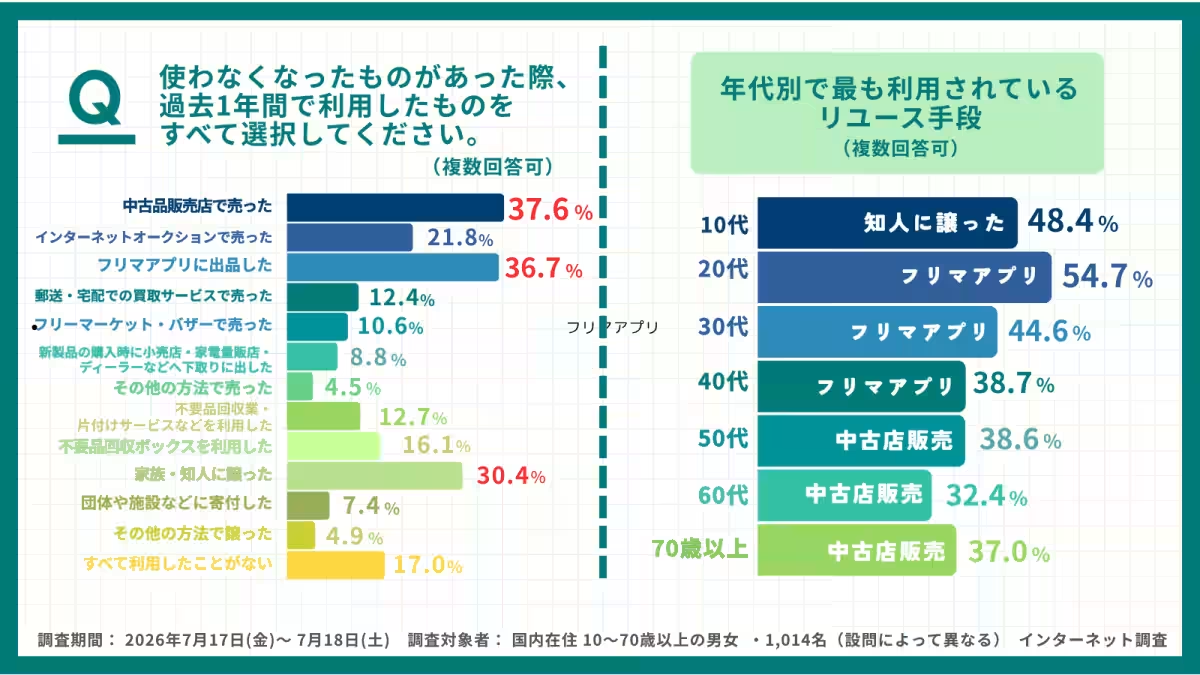
Among those who engage in reuse, the most common actions include selling items to reuse shops (37.6%) and using online marketplace apps (36.7%). Interestingly, these choices differ among generations, with younger individuals (20s to 40s) favoring apps, while older demographics (50s to 70s) lean towards traditional shops.
Timing and Impact of Reuse
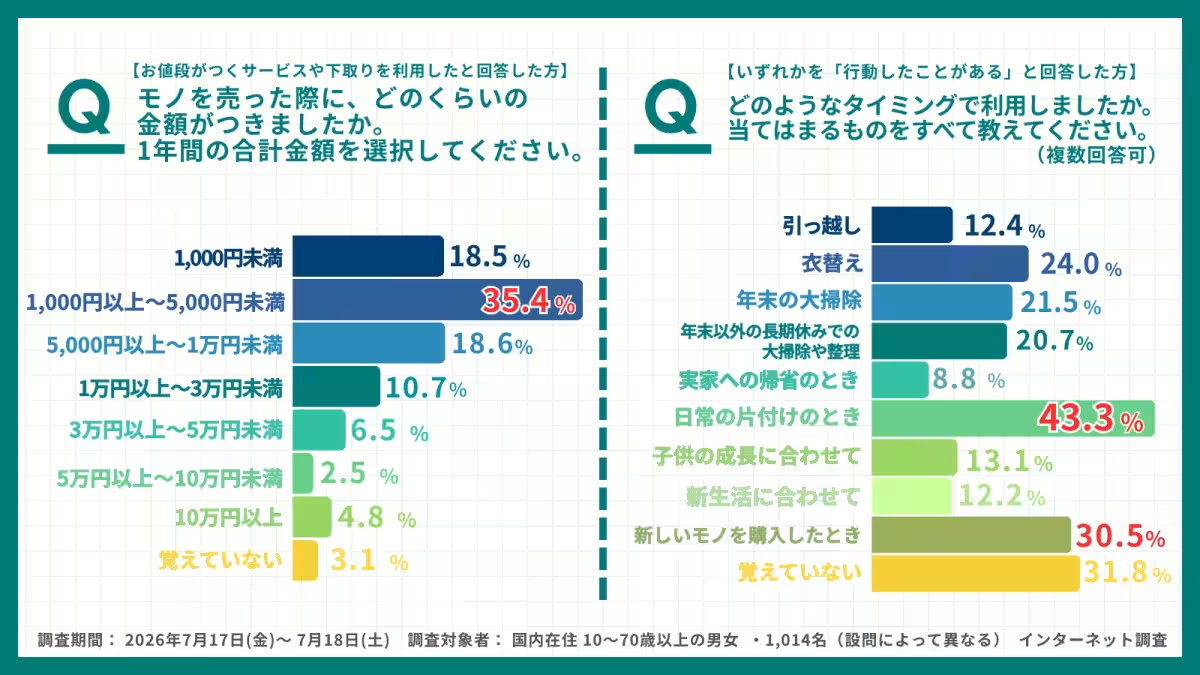
Most respondents (43.3%) reported that they engage in reuse during their regular clean-ups. This aligns with a broader trend where reuse serves not just as an eco-friendly choice but as an effective strategy against rising living costs. Despite many participants generating under 10,000 yen from their reuse attempts, a small percentage reported earnings of over 100,000 yen, emphasizing that organized decluttering can yield significant benefits.
Misunderstandings About Reuse
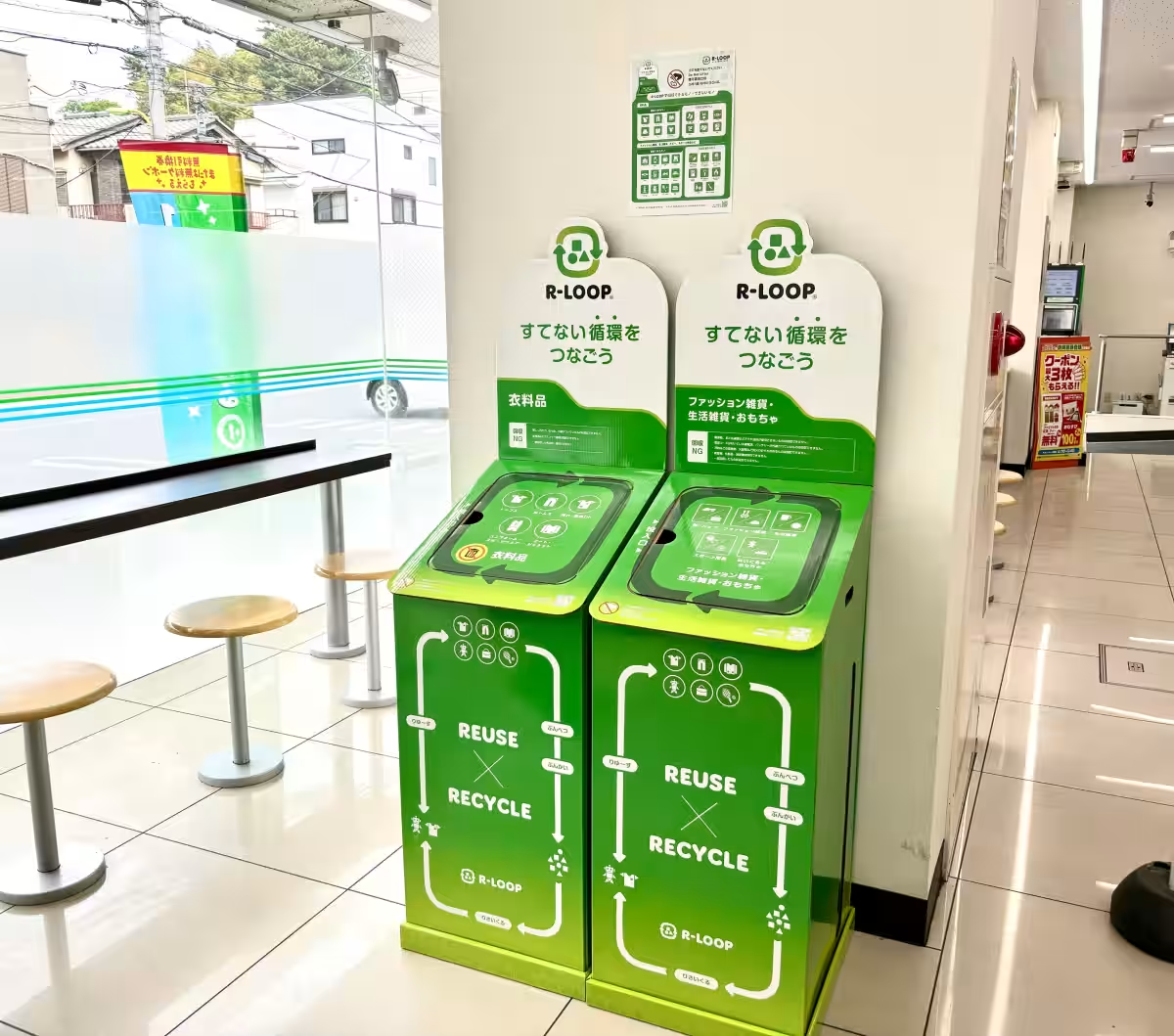
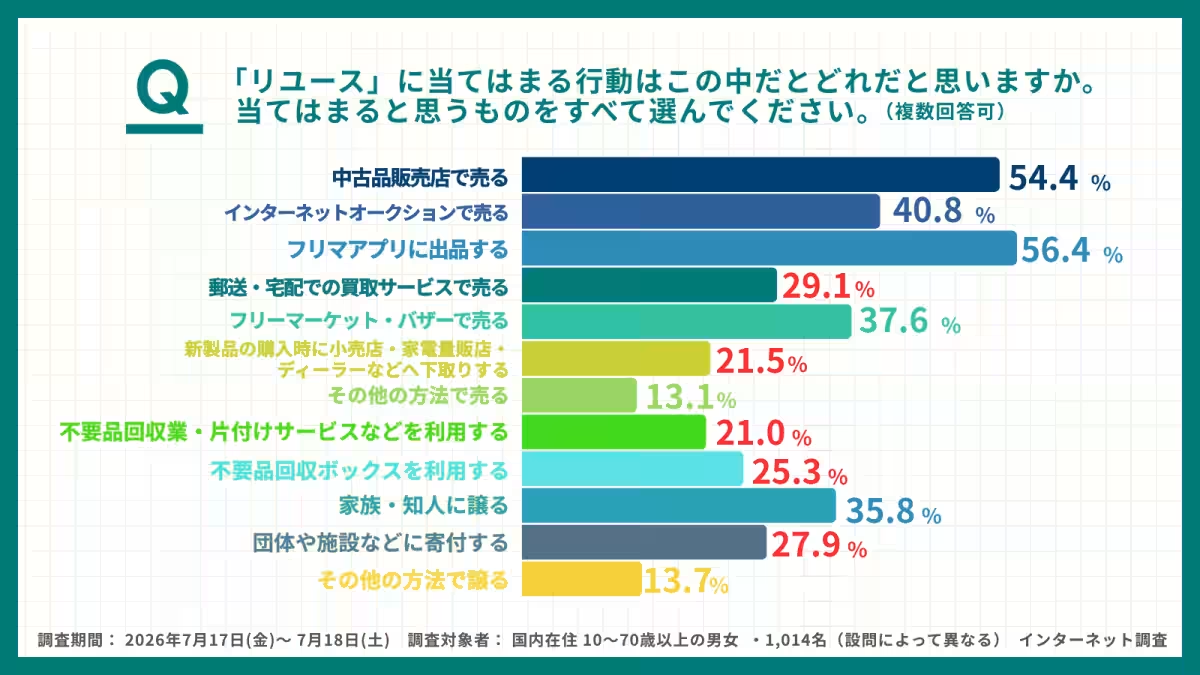
Even though individuals are actively engaging in reuse, the survey revealed that around 50% do not identify their actions as reuse—raising questions about public consciousness regarding sustainability practices. Activities like donating to family or friends aren’t categorized as reuse, indicating a disconnect between action and recognition. This lack of awareness may hinder the broader adoption of eco-conscious behavior. To bridge this gap, educational initiatives are essential in linking common practices to their environmental impact.
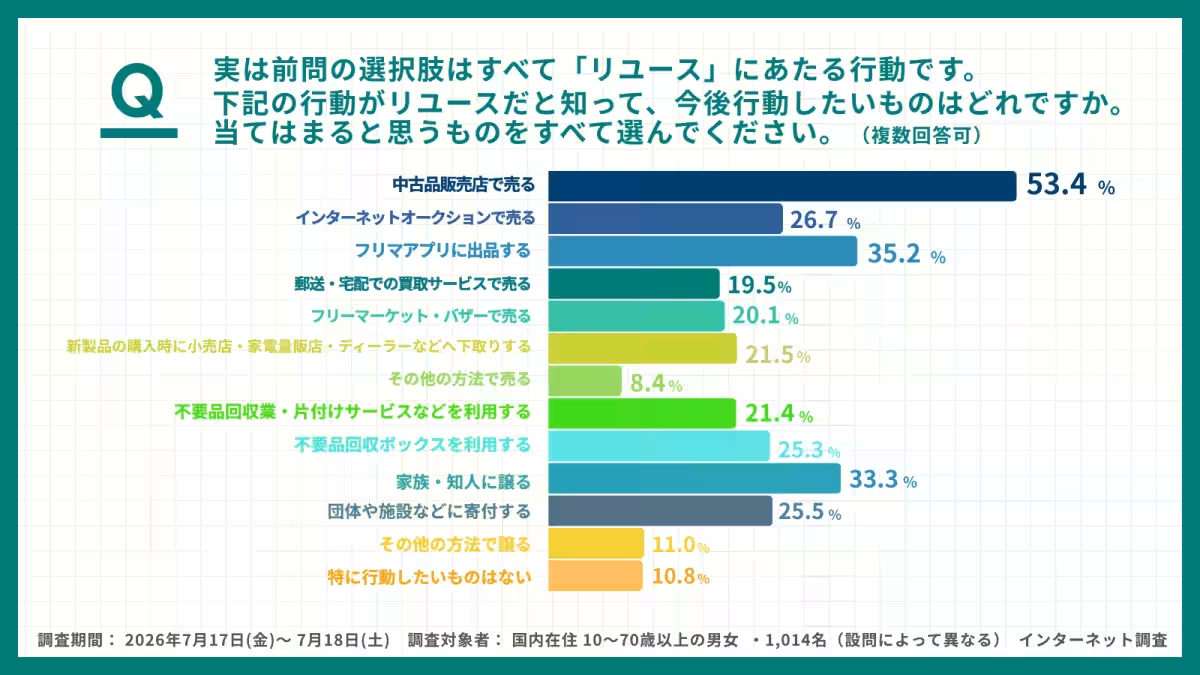
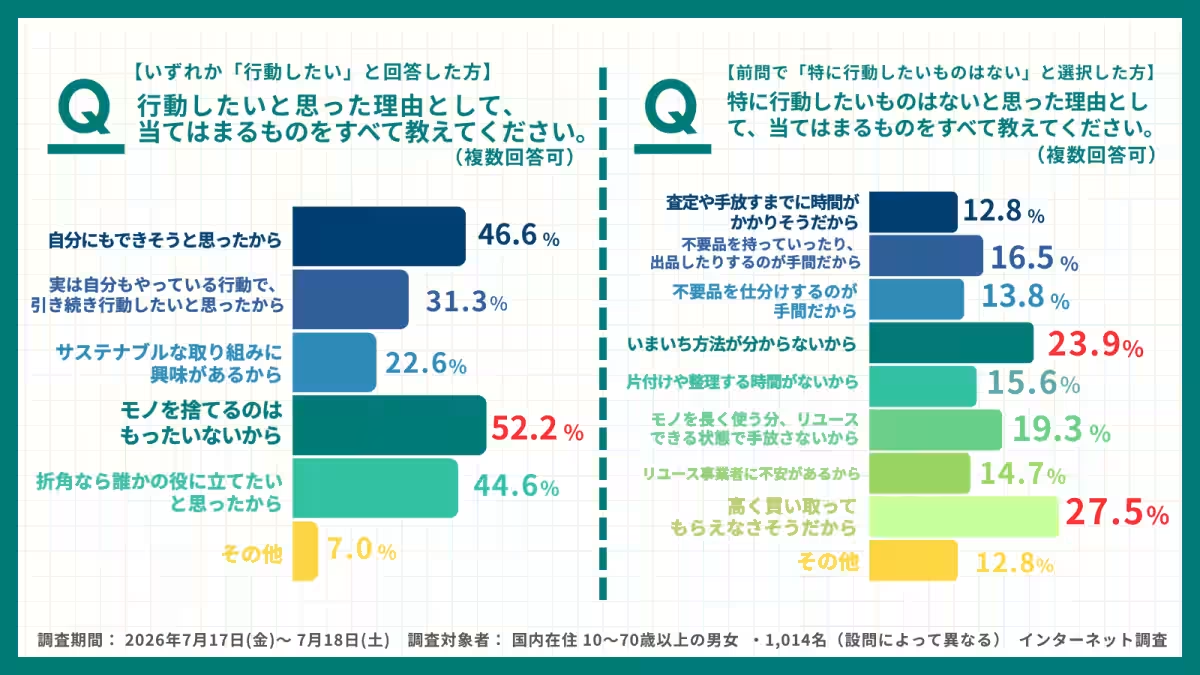
Moreover, the study unveiled that despite the majority's inclination toward reuse, many feel hesitant due to perceived complexities. Recognizing familiar actions as



Topics Consumer Products & Retail)
【About Using Articles】
You can freely use the title and article content by linking to the page where the article is posted.
※ Images cannot be used.
【About Links】
Links are free to use.