



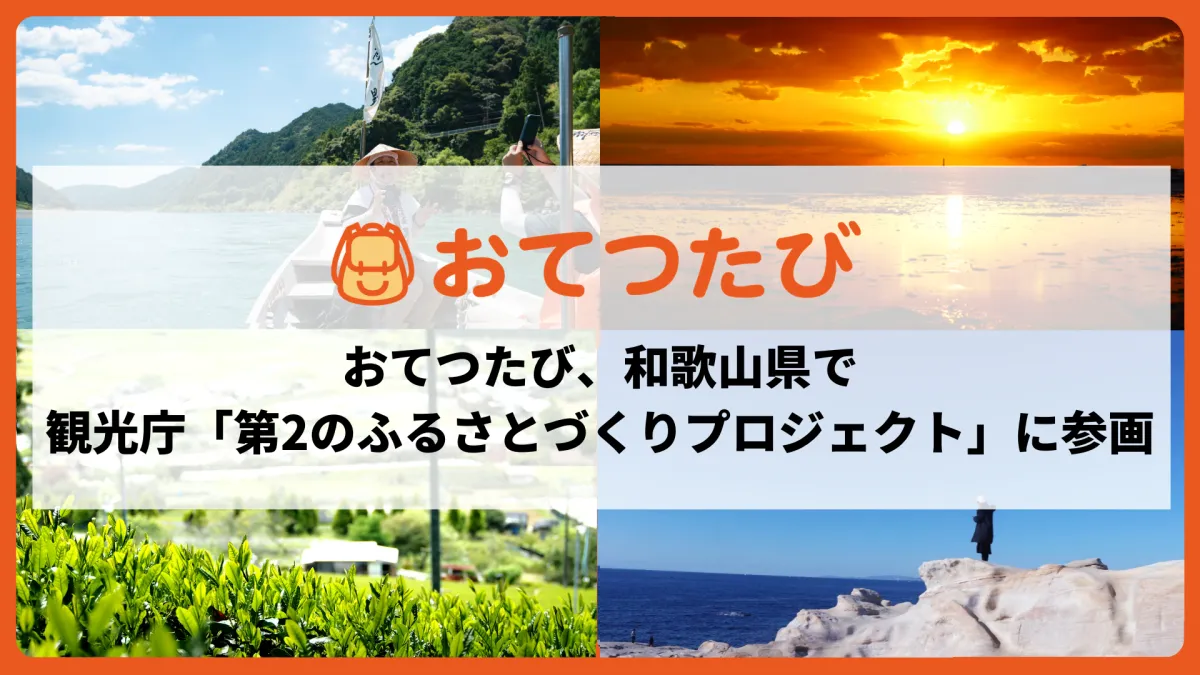
Creating a New Hometown: Ote-Tatabi's Initiative in Wakayama City
Creating a New Hometown: Ote-Tatabi's Initiative in Wakayama City
The innovative platform Ote-Tatabi, which merges travel with community assistance, has embarked on an ambitious project in Wakayama City, Japan. Running under the leadership of CEO Rina Nagaoka, the company aims to foster a sense of belonging among visitors while simultaneously addressing local challenges such as vacant house renovations and local railway revitalization. This initiative forms part of the "Second Hometown Creation Project" supported by Japan’s tourism authority.
The Vision Behind the Project
The "Second Hometown Creation Project" underscores a novel approach to tourism—promoting repeat visits and deeper connections with localities. This concept encourages individuals to become more than just tourists; they become integral parts of the community through hands-on support. The aim is to cultivate a unique model of tourism that offers meaningful experiences and strengthens ties between visitors and their host regions.
Ote-Tatabi's mission aligns perfectly with this vision, fostering rich relationships through direct involvement in local projects. By constructing a new tourism framework that addresses pressing community issues, the initiative seeks to instill a lasting attachment to Wakayama and motivate ongoing returns.
Implementation Details
Ote-Tatabi, in collaboration with the Tourism Nation Platform and Osaka University of Tourism, has initiated a series of hands-on experiences to create bonds between visitors and residents. Here are the highlights from the first four projects:
1. Renovation and Support of Local Businesses: Participants assisted with the renovation of vacant houses and commercial spaces newly repurposed as dining and accommodation venues.
- More Details
2. Cleaning Services in Lodging Facilities: Volunteers engaged in essential cleaning and maintenance tasks at local accommodation facilities.More Details
3. Community Event Preparation: Participants helped prepare for the Kishi River Festival, involving bamboo cutting and logistics. More Details
4. Assistance in Traditional Housekeeping: Volunteers contributed to the cleaning of historical homes, allowing participants to immerse themselves in local culture. More Details
Feedback from both participants and local businesses indicates a fruitful exchange of ideas and affection, which grows during these experiences. One participant shared, "I was particularly interested in the vacant house renovation and loved learning about local traditions. It was an unexpected opportunity that allowed me to connect with locals deeply!"
A local business owner commented, "The help was invaluable. Newcomers brought fresh ideas and energy, making our work more engaging and fruitful. The interactions transformed into meaningful exchanges, making the project significant for all involved."
Survey Insights: Strong Interest in Wakayama
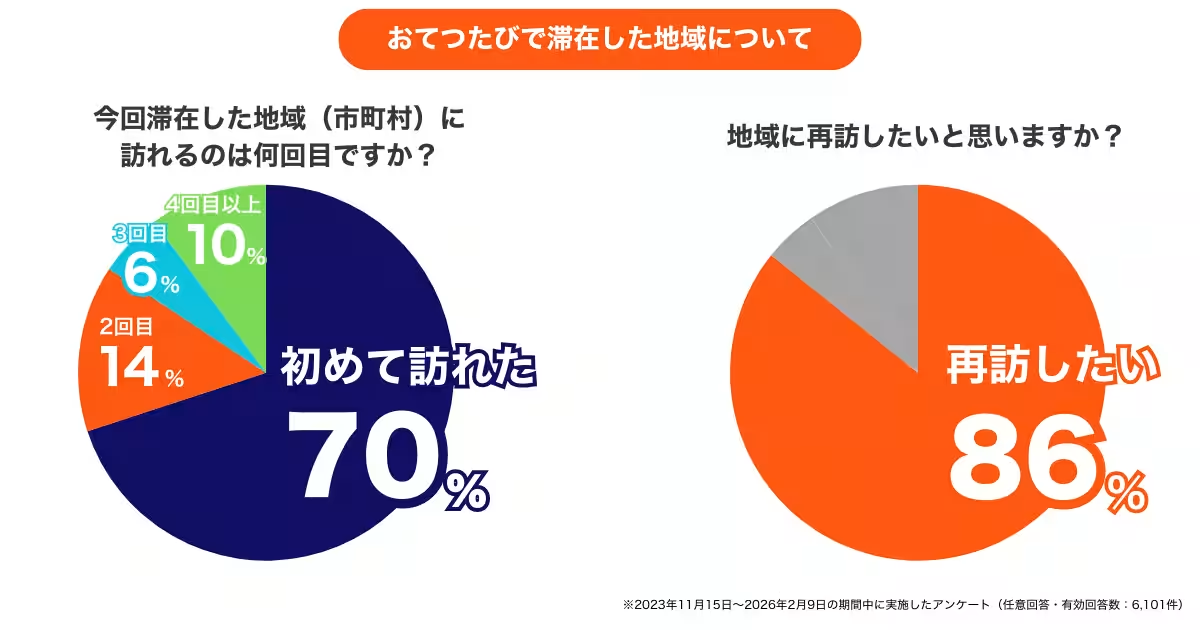
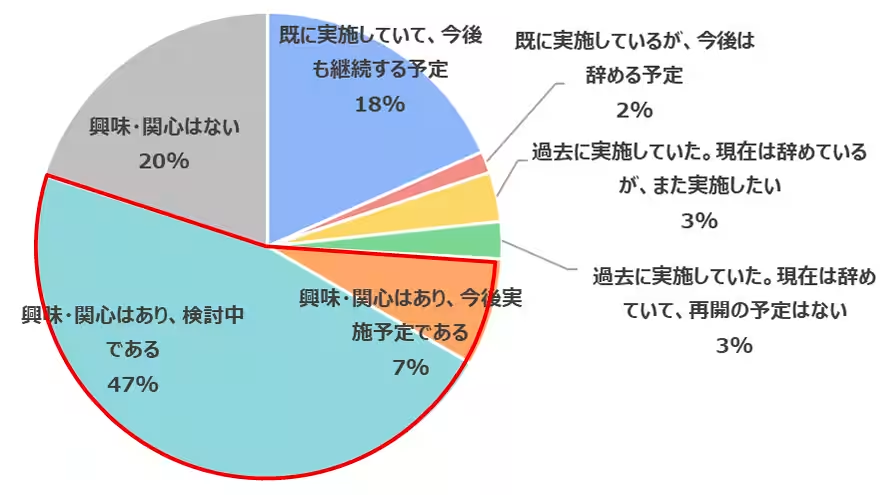
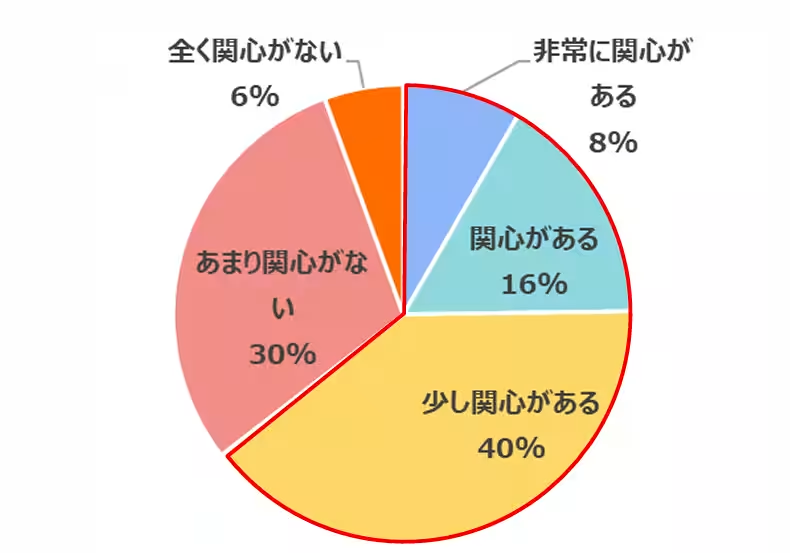
To evaluate the project's impact and future potential for fostering relationships in Wakayama City, Ote-Tatabi surveyed 478 users from December 26, 2025, to January 25, 2026. The findings are promising:
- - Interest in Multi-Living Arrangements: Over 72% showed positive intent for multiple visits or living arrangements across regions.
- - Future Visits: 64% expressed interest in revisiting or relocating to Wakayama City, demonstrating a significant interest.
As the conditions for attracting more visitors are examined, findings will help tailor future activities and engagement plans.
Embracing a New Era of Tourism
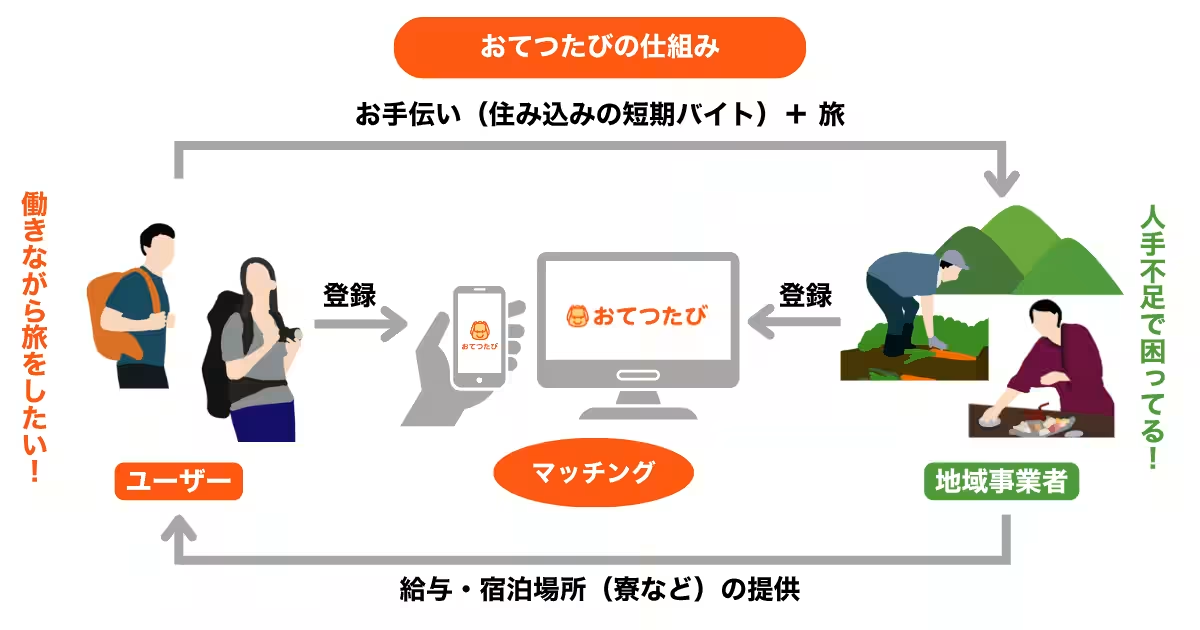
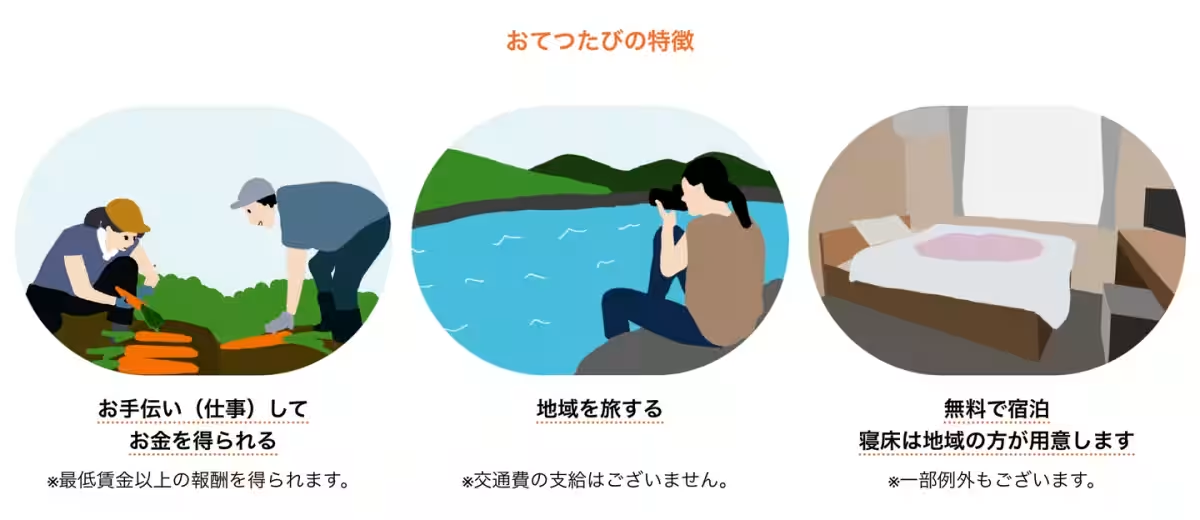
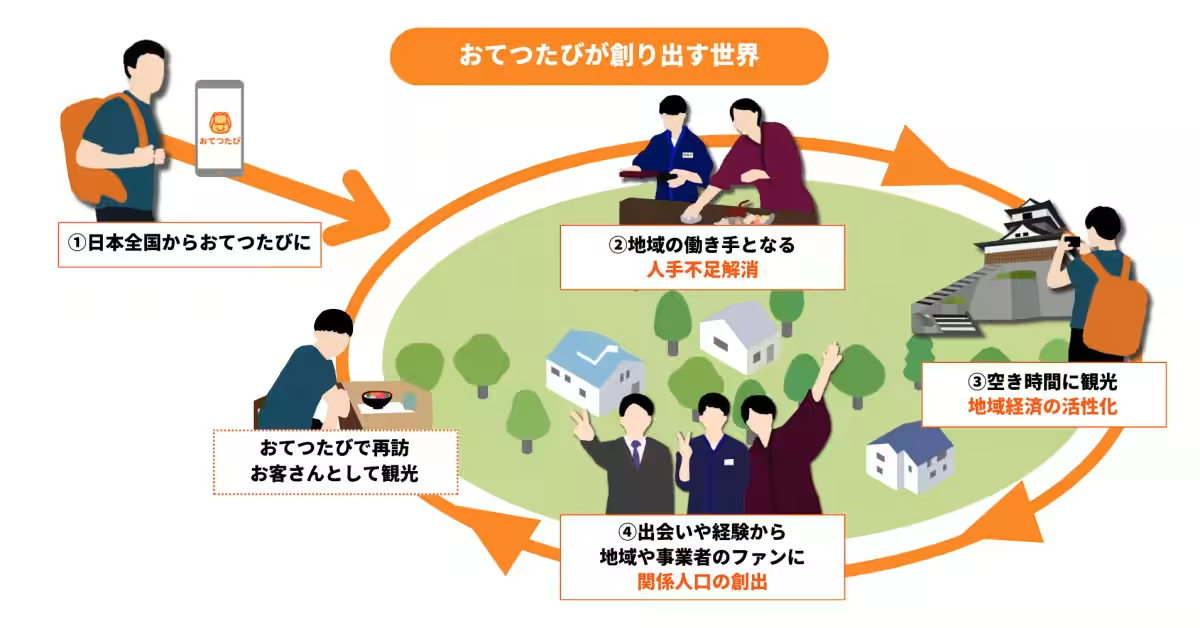
Ote-Tatabi champions a blending of work and travel that facilitates deep engagements, aligning with the long-term goal of creating lasting community ties. Each traveler contributes to the local economy while benefitting from rich, culturally immersive experiences.
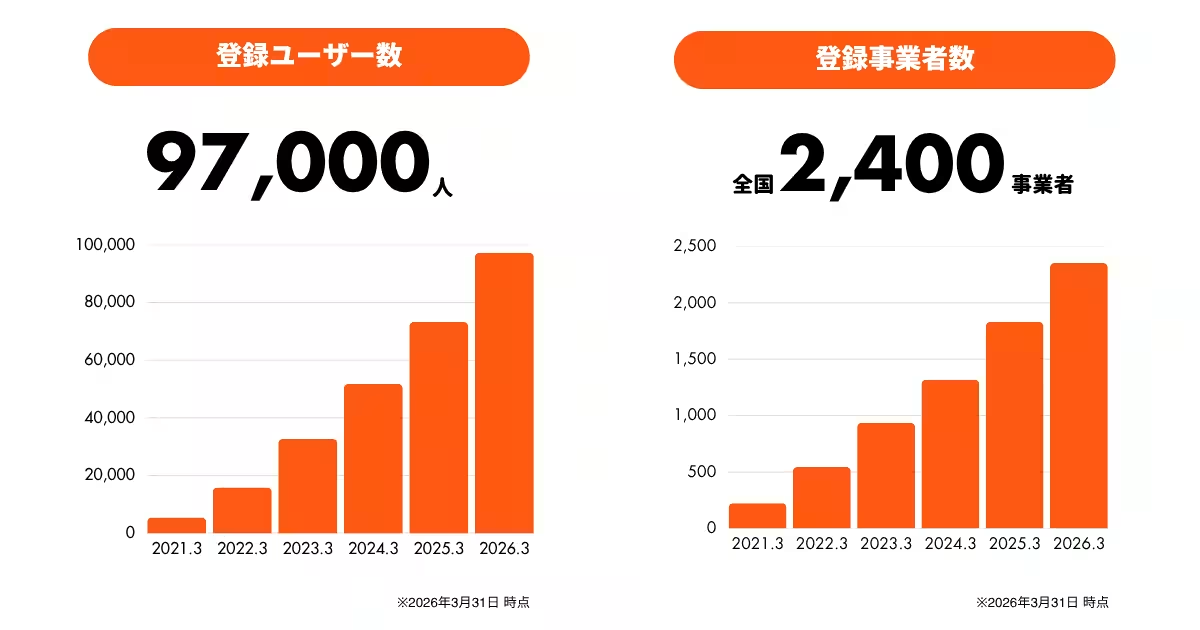
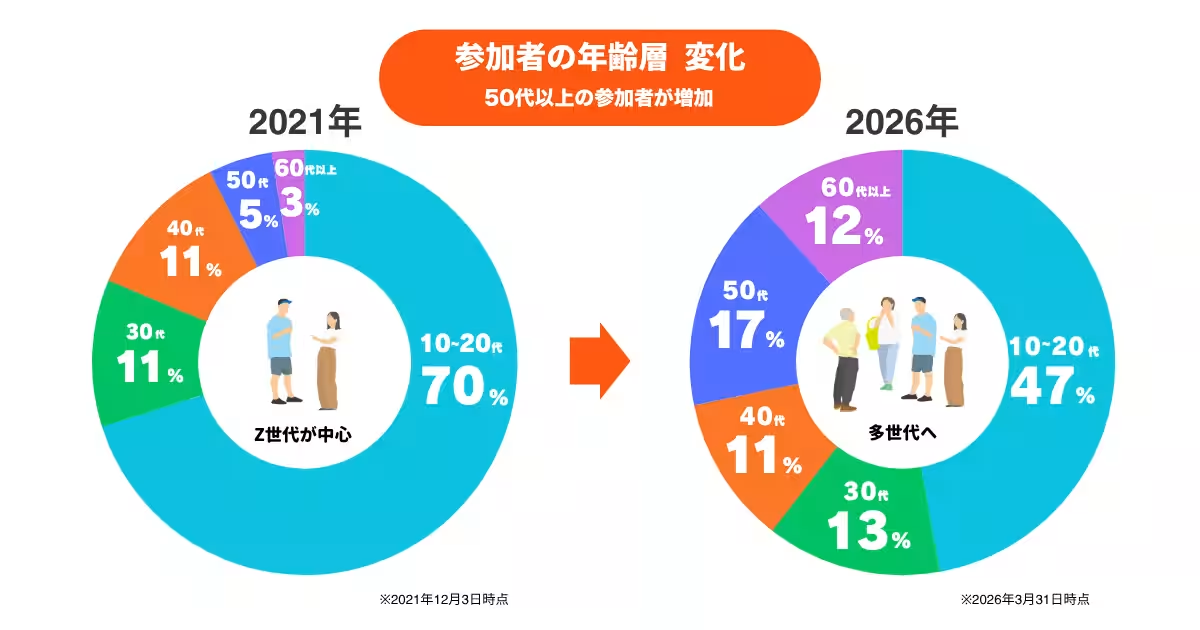
The company has, since its inception in January 2019, garnered a user base of over 95,000 individuals, primarily consisting of the younger generation (Z Gen) and increasingly attracting active seniors. The scope of engagements spans over 2,300 locations across Japan, emphasizing diverse opportunities across sectors including tourism, agriculture, and hospitality.
The Broader Impact
By leveraging Ote-Tatabi's model, Wakayama and other regions are not only addressing immediate labor shortages but are also steadily cultivating a community of engaged, recurring visitors—facilitating a sustainable future amid Japan's demographic shifts. This initiative embodies a vibrant ecosystem where people and resources circulate, creating a profound, lasting impact both for the travelers and local establishments.
With ongoing collaborations across the country, Ote-Tatabi represents a beacon of hope for community revitalization and the transformation of the travel experience into a pathway for sustainable relationships. As we move forward, the aim remains clear: foster a deeper connection between visitors and local communities to ensure that everyone—whether resident or visitor—finds a home away from home in Wakayama and beyond.

Topics Travel)



【About Using Articles】
You can freely use the title and article content by linking to the page where the article is posted.
※ Images cannot be used.
【About Links】
Links are free to use.