



The Hidden Cycle of B2B Harassment: Victims Becoming Perpetrators
The Hidden Cycle of B2B Harassment: Victims Becoming Perpetrators
In a revealing study conducted by the Risk Communication Institute of Japan (RCIJ), a shocking phenomenon has been uncovered regarding business-to-business (B2B) harassment: victims of unreasonable demands often unconsciously transform into perpetrators themselves. The survey, which involved 407 business professionals active in B2B transactions, illuminated a troubling cycle of aggression within corporate environments.
Understanding B2B Harassment
B2B harassment, defined within the context of the study, includes unreasonable demands such as excessive discount requests, unrealistic deadlines, insulting behaviors, and coercive language that pressure partners beyond the bounds of normal business interactions. The influence of existing power dynamics in these relationships exacerbates the issue, leading to a distressing pattern of behavior.
Key Findings of the Study
1. Cycle of Victimization and Aggression
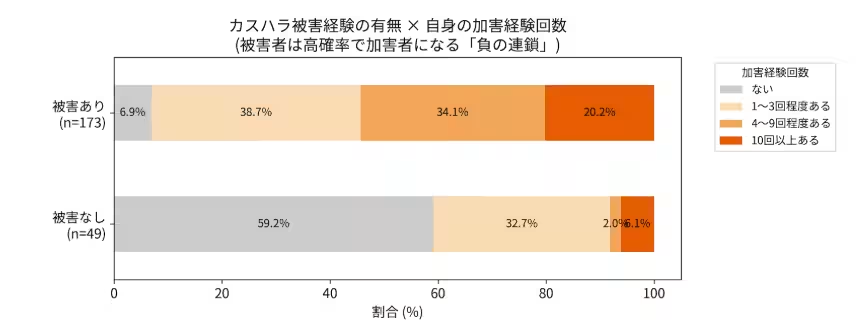
The study found that a staggering 93% of those who reported experiencing B2B harassment also admitted to having engaged in acts of aggression themselves. In stark contrast, only 40.8% of individuals without prior harassment experiences reported similar aggressive behavior. This indicates a significant 50-point difference, suggesting that victim experiences can initiate a cycle of harassment.
2. Diminished Standards
Many feelings of upset and personal boundaries erode due to being subjected to harassment. Subsequently, a notable number of victims perceived harassment as an acceptable norm, leading them to replicate similar aggressive behaviors towards others.
3. The Nature of Aggression
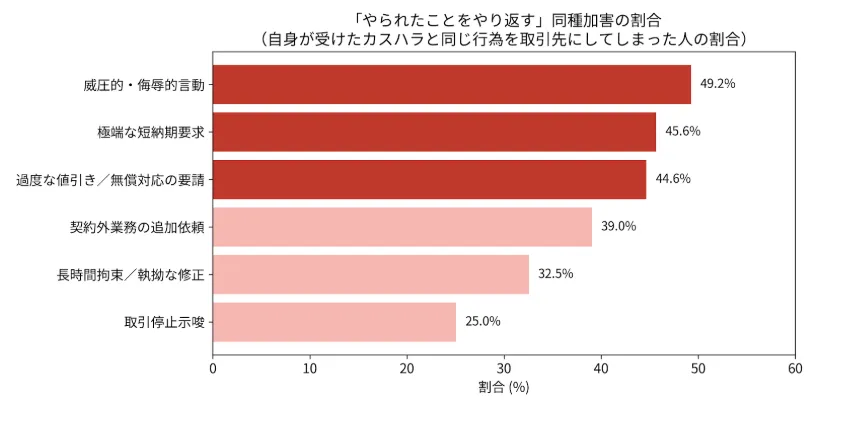
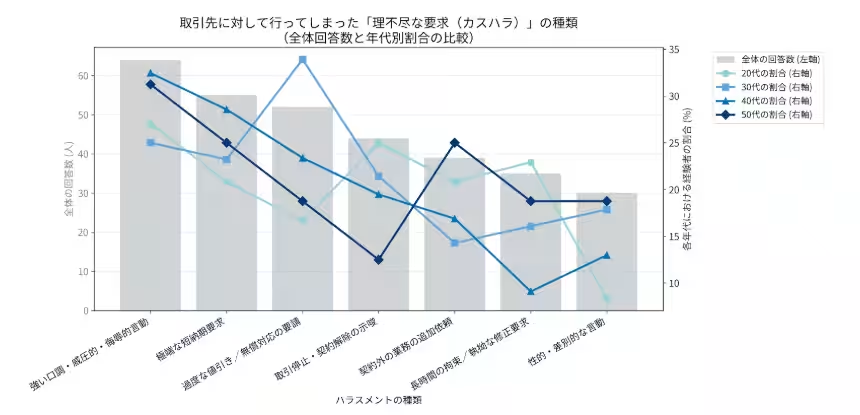
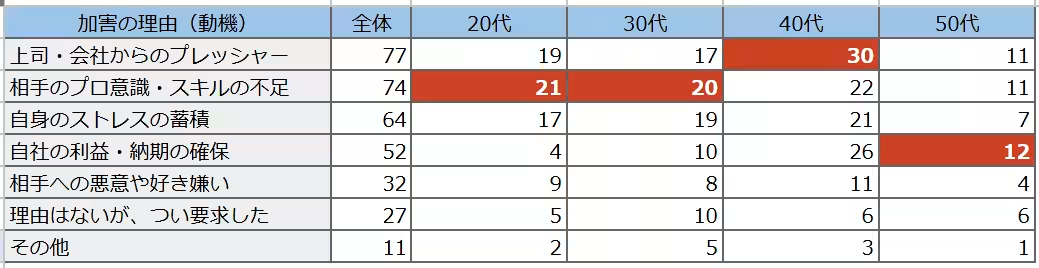
The top three aggressive behaviors identified in the study were excessive demands for discounts, unrealistic deadlines, and intimidating language. These behaviors were found most frequently in the 30s and 40s age groups, indicating a trend connected to managerial roles under pressure.
4. Prevalence Among Middle Management
A concerning trend is that many of the aggressors identified were middle managers, primarily in their 40s. The pressures from superiors, alongside organizational goals, seemed to place these individuals in a position where they felt compelled to misplace their frustrations onto external partners.
5. Despair Over Legal Restrictions
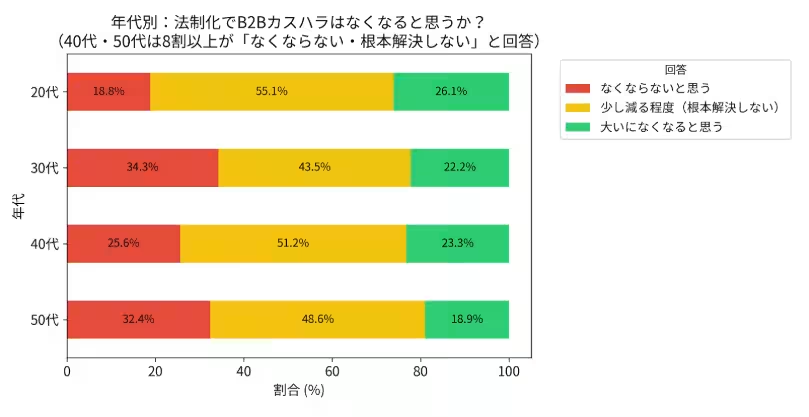
A notable 77.4% of respondents suggested that existing legal frameworks cannot effectively eliminate B2B harassment. This sentiment was particularly pronounced among those in their 50s, with an overwhelming 81% expressing skepticism that legal reforms could instigate real change. This indicates a disillusionment with the effectiveness of laws alone in addressing deep-rooted cultural issues in business.
Expert Insights
Haruko Osugi, the representative director of RCIJ, stressed that B2B harassment is not simply a result of individual malice. Rather, it stems from a broader systemic issue within organizations. The incessant demands placed on professionals can compel them to perpetuate harassment against others in their field. In order to cultivate healthier business practices, organizations must prioritize creating a dialogue that fosters psychological safety among employees, wherein it becomes acceptable to deny unreasonable demands without fear of repercussion.
The findings underscore the necessity of an urgent re-examination of corporate culture and the importance of establishing a robust risk communication framework that can effectively address and mitigate these pressures going forward.
Recommendations for Organizations
To combat the cycle of B2B harassment effectively, companies should focus on:
- - Open Communication: Encouraging open dialogue between junior employees and management to express concerns without the fear of retaliation.
- - Training Programs: Developing training programs centered around ethics and respectful treatment in business interactions can equip employees with the tools necessary to handle potential harassment constructively.
- - Support Systems: Establishing support structures that allow employees to report harassment without fear can provide essential resources for those struggling in tough organizational environments.
Conclusion
Ultimately, the RCIJ study illustrates a critical need for businesses to acknowledge and address B2B harassment, transforming the perception of such behaviors from the norm to one that is unacceptable. The insights gained from this study offer a valuable foundation for cultivating healthier, more respectful workplace dynamics that contribute to the growth and sustainability of corporate environments. By fostering a culture conducive to ethical interactions, we can disrupt the cycle of harassment and pave the way for a brighter future in the B2B arena.

Topics Business Technology)
【About Using Articles】
You can freely use the title and article content by linking to the page where the article is posted.
※ Images cannot be used.
【About Links】
Links are free to use.