




Understanding the Growing Impact and Challenges of Vertical Video Advertising in Digital Marketing
The Rise of Vertical Video Advertising in Digital Marketing
As digital marketing continues to evolve, vertical video advertising is emerging as a significant player in the landscape. A recent study conducted by PLAN-B Marketing Partners among 196 advertising professionals revealed that 58.7% of responding companies are currently using vertical video ads, and nearly 60% of them consider this format to be highly effective compared to other types of Web advertising. However, the survey also highlighted that the major challenge faced by these companies is the high production workload. Here’s a closer look at the state of vertical video advertising based on the survey results.
Background of the Survey
With the rise of platforms like TikTok, Instagram Reels, and YouTube Shorts, vertical video has become a dominant viewing style across generations. As user behavior shifts to vertical formats, companies utilize these ads for purposes like brand recognition and customer acquisition, making them an important tool in their advertising strategies. Yet, the rapidly changing trends and high production demands present a steep learning curve.
The purpose of the survey was to understand how advertising professionals leverage vertical video ads and the challenges they encounter. Whether you are considering adopting vertical video ads or are already navigating the landscape with certain hurdles, this information aims to aid in designing effective strategies and building necessary frameworks.
Survey Overview
- - Survey Title: Operational Status of SNS Vertical Video Ads 2025
- - Survey Period: November 21 – November 26, 2025
- - Participants: Advertising professionals currently engaged in Web advertising
- - Sample Size: 196 respondents
- - Method: Online survey (Freeasy)
The results indicate that vertical video ads are now a mainstream format in the digital advertising marketplace.
Key Findings of the Survey
1. Types of Web Ads Being Run
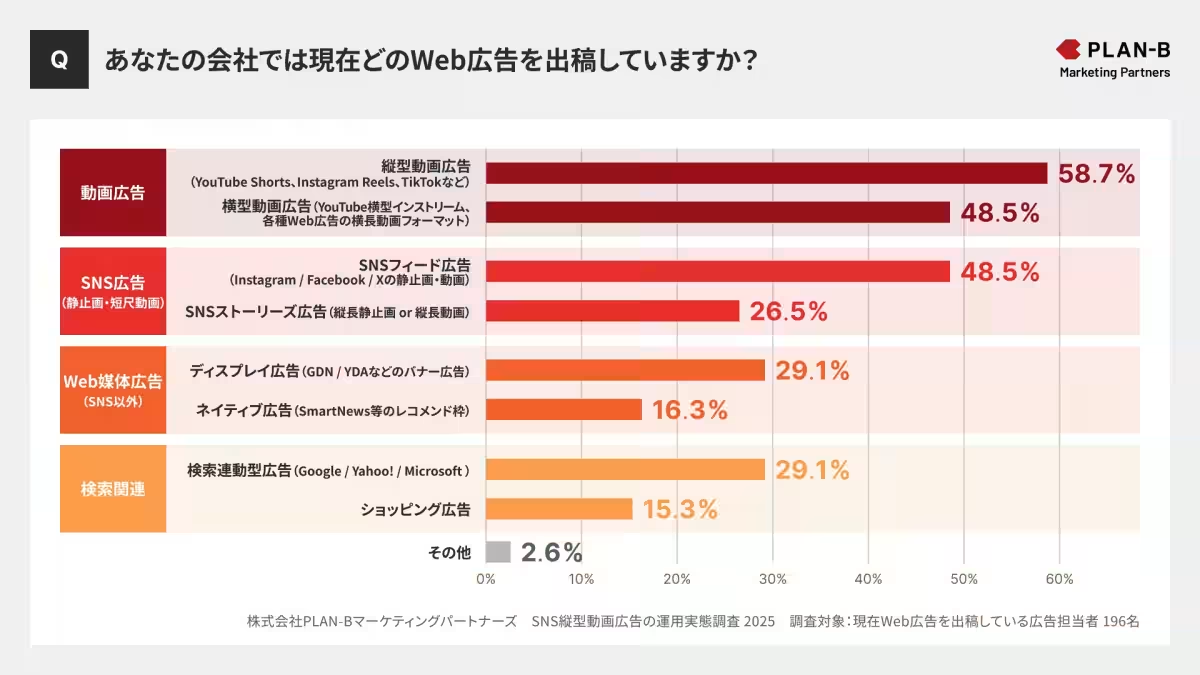
The survey first inquired about the types of Web ads being run. Vertical video ads led as the most utilized format at 58.7%, followed closely by horizontal video ads and SNS feed ads, both at 48.5%, illustrating the significance of vertical video and SNS ads in the Web advertising domain.
2. Experience with Vertical Video Ads
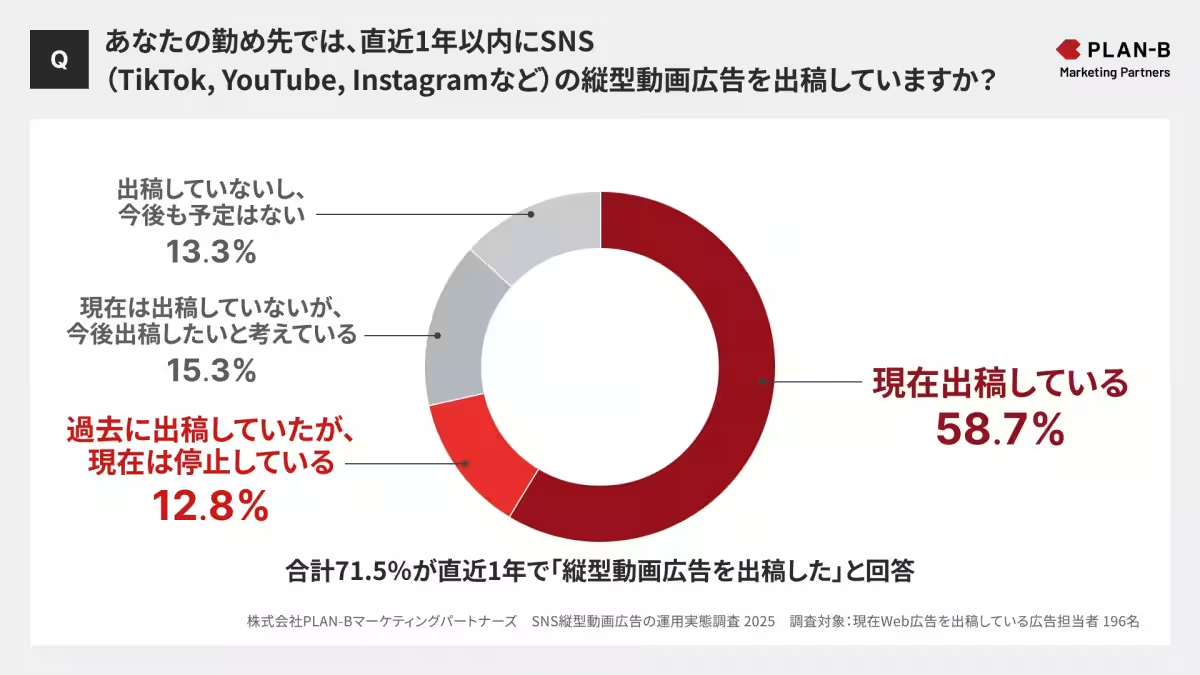
When asked about experiences in the past year with vertical video ads, 58.7% reported currently running them, while 12.8% had previously run them but are no longer doing so. Over 70% of respondents have some level of experience with vertical video advertising.
3. Advertising Platforms
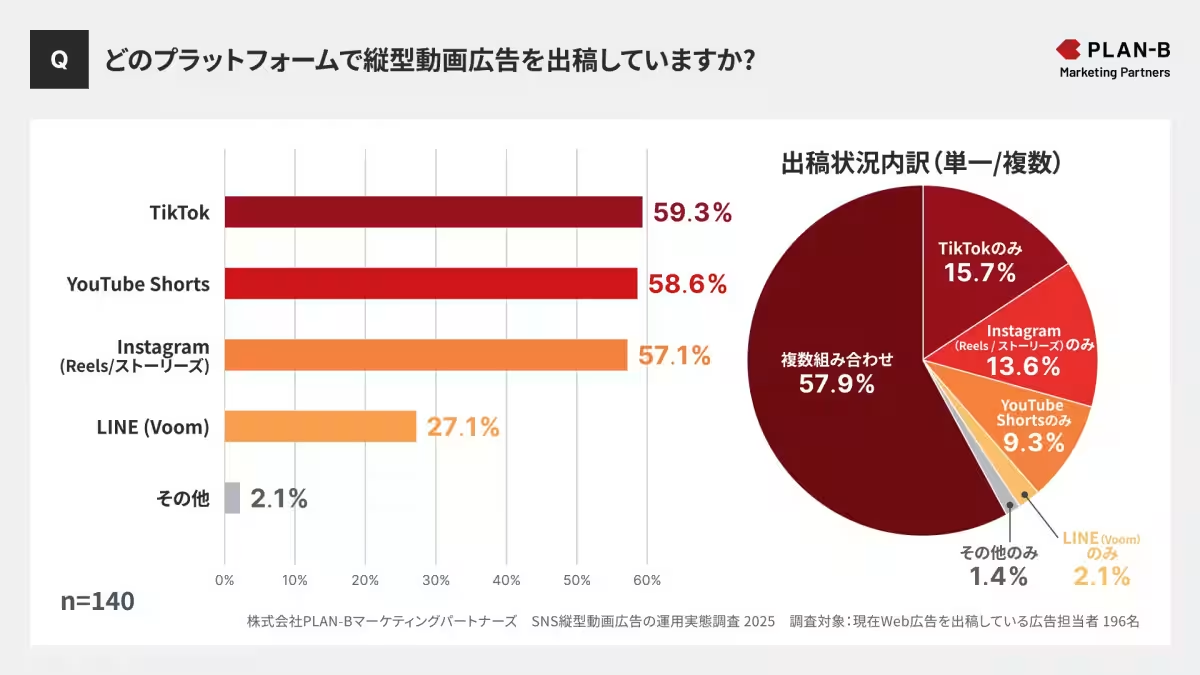
Regarding the platforms used for vertical video ads, 59.3% of respondents use TikTok, 58.6% use YouTube Shorts, and 57.1% utilize Instagram Reels/Stories. Notably, 57.9% of the advertisers employ multiple platforms simultaneously.
4. Budget Allocations
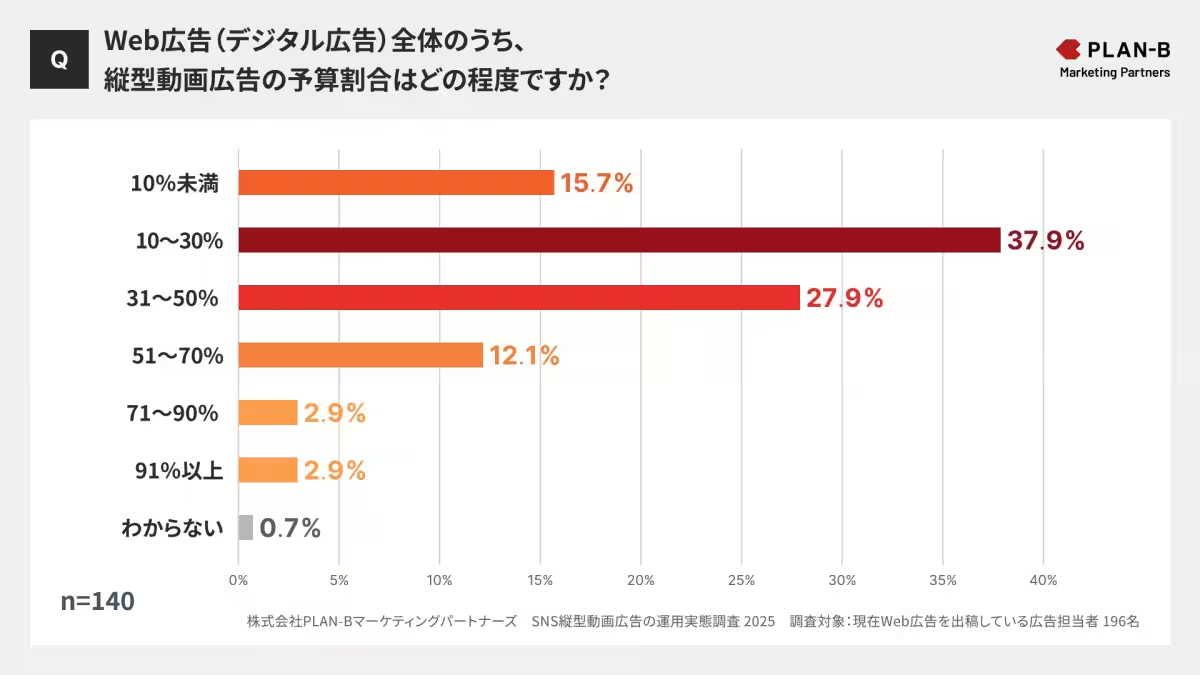
In terms of budget allocation, 37.9% of respondents allocate 10-30% of their Web advertising budget to vertical video ads, with 27.9% allocating 31-50%. This indicates a consistent commitment to funding vertical video content.
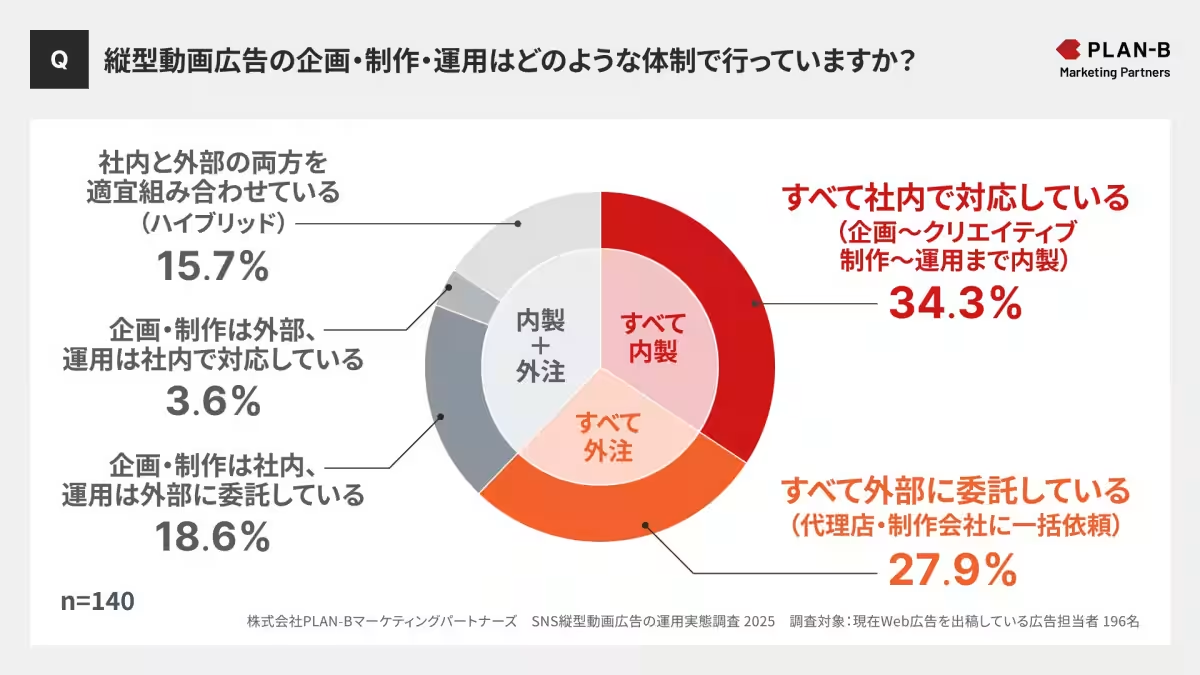
5. Production and Operations Setup
A dive into the production and operational frameworks revealed that 27.9% exclusively outsource production, while 34.3% use a blend of in-house and outsourced resources, totaling 62.2% relying on external capabilities. Conversely, 34.3% manage all production internally.
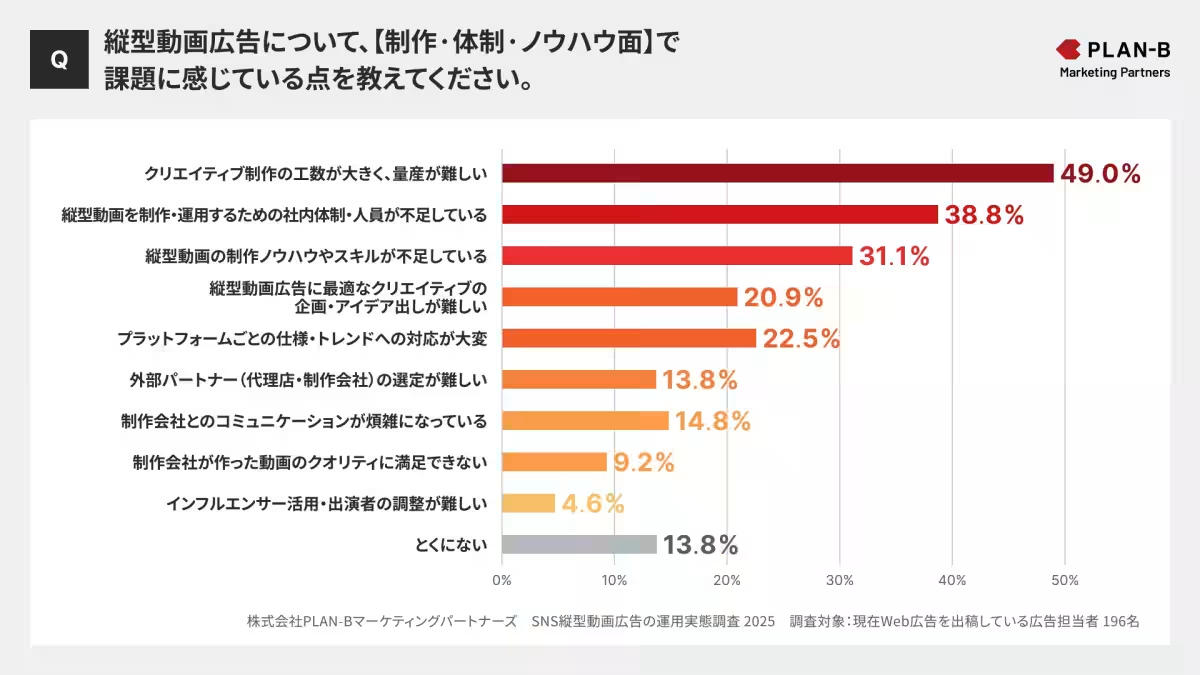
6. Challenges in Production and Knowledge
The survey highlighted that the most significant challenge remains the high production workload at 49.0%, followed by staffing shortages at 38.8%, and lack of expertise at 31.1%. These challenges emphasize the intricate demands linked with video content creation.
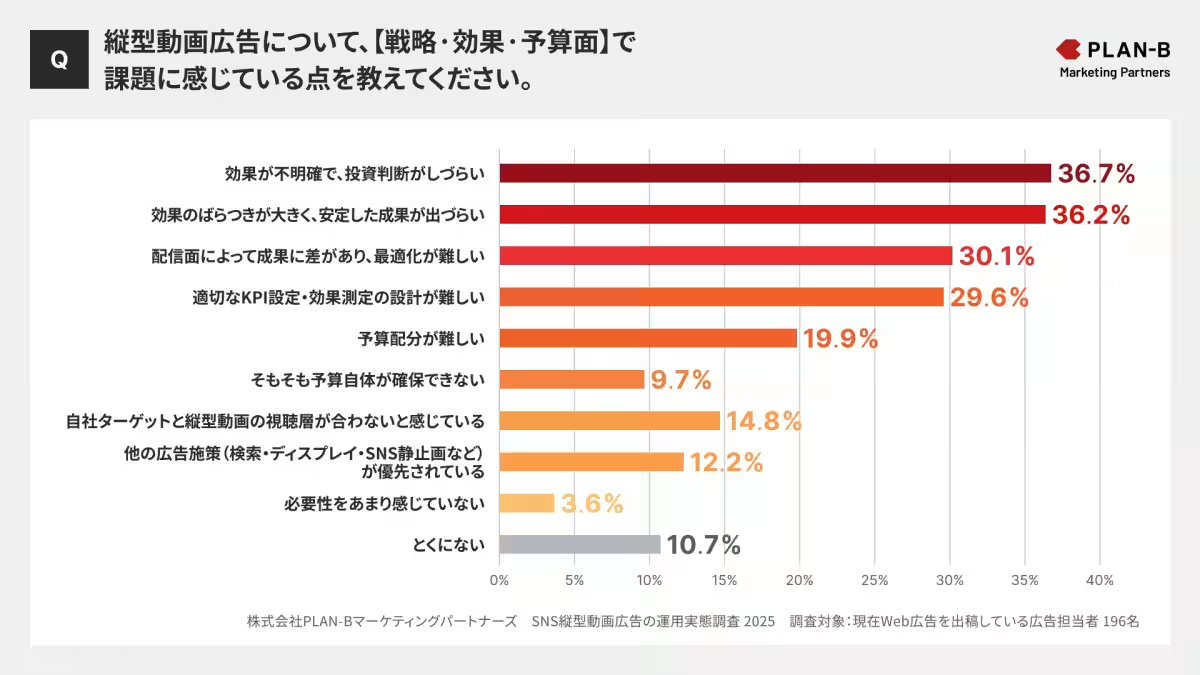
7. Unclear Effectiveness and Variability
On a strategic front, respondents pointed to issues such as unclear effectiveness at 36.7%, performance variability at 36.2%, and difficulty in optimizing across channels at 30.1%.
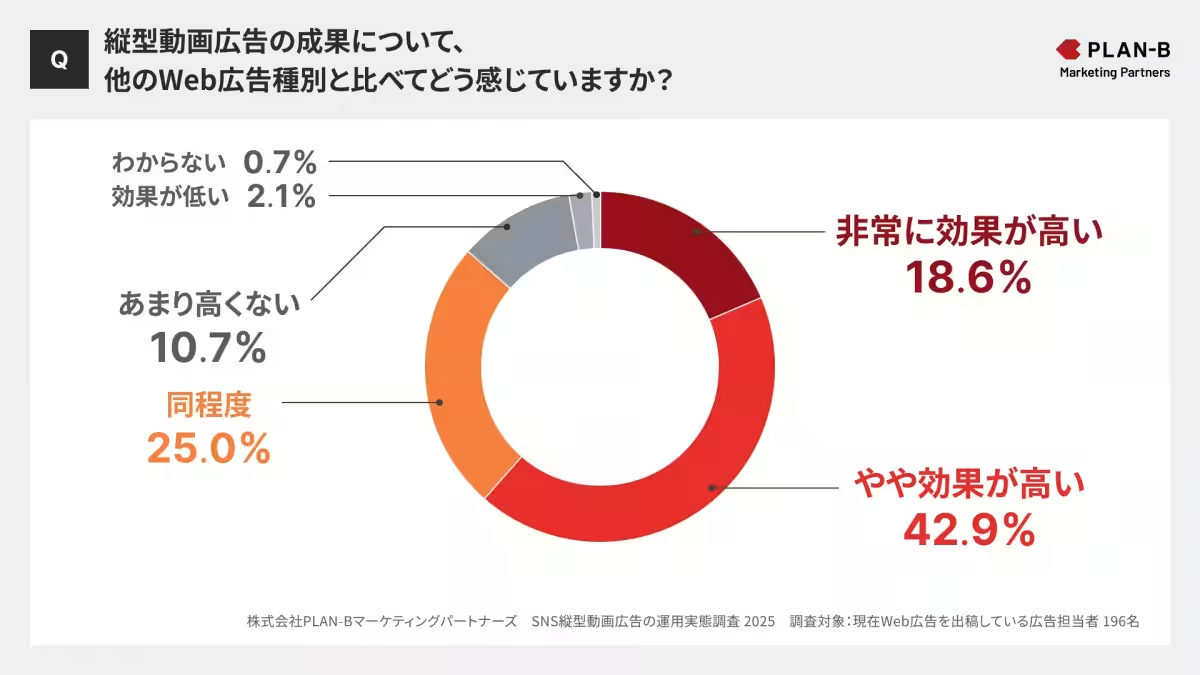
8. Performance Results
When comparing the effectiveness of vertical video ads to other Web advertising types, 61.5% reported high effectiveness, indicating strong ROI for these ad formats.
9. Future Investments
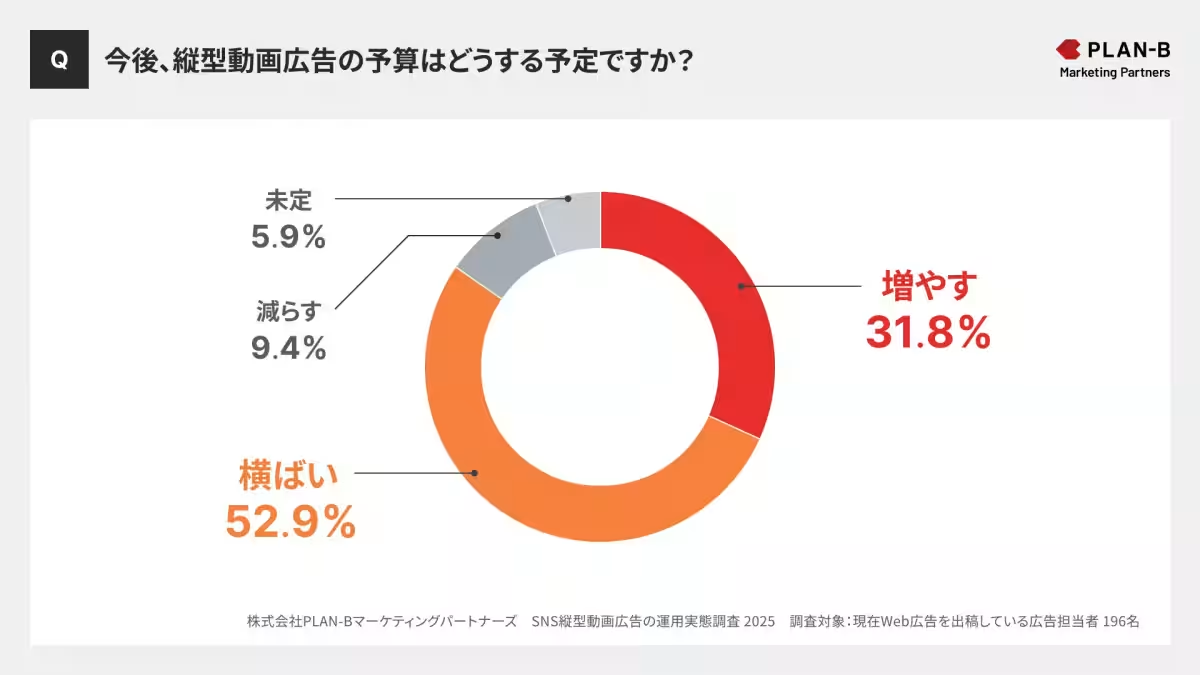
Looking ahead, 52.9% plan to maintain their budget levels while 31.8% expect to increase spending on vertical video ads. This trend shows a sustained commitment to this advertising channel.
Conclusion
The survey clearl
y established vertical video advertising as a foundational format within the digital ad ecosystem. Approximately 60% of implementing businesses recognize its potent effectiveness. However, challenges such as expectations of high performance against the realities of production pressures present a stark contrast. The swift changes in user habits and trends demand continuous innovation, making it imperative for advertisers to adapt quickly.
The path towards sustained success in vertical video advertising hinges on developing a strategy that balances creative quality with efficient production processes. Partnering with experienced external teams for expertise and rapid iterative improvements may serve as an effective route to maintaining a competitive edge in this dynamic landscape.
Ultimately, may this analysis inspire companies to reconsider their digital marketing strategies and foster sustainable practices in the realm of social media advertising.




Topics Consumer Technology)
【About Using Articles】
You can freely use the title and article content by linking to the page where the article is posted.
※ Images cannot be used.
【About Links】
Links are free to use.