



Survey Reveals Insights on Child Fever and Infection Awareness Among Parents
Understanding Parental Awareness of Child Fever and Infections
In an enlightening survey recently conducted by Snow Brand Milk Products' subsidiary, Beanstalk Co., we delve into parental awareness regarding their children's fever and infections. This study, which targeted members of the 'Mamecomi' club with children aged 1-2, reveals not just the depth of concern but also the various preventive measures parents are taking.
Survey Overview
- - Duration: January 9 - January 14, 2026
- - Participants: 833 members of the 'Mamecomi' club with children aged 1-2 from across Japan
- - Method: Online research
Key Findings:
1. High Awareness of Child Fever and Infections
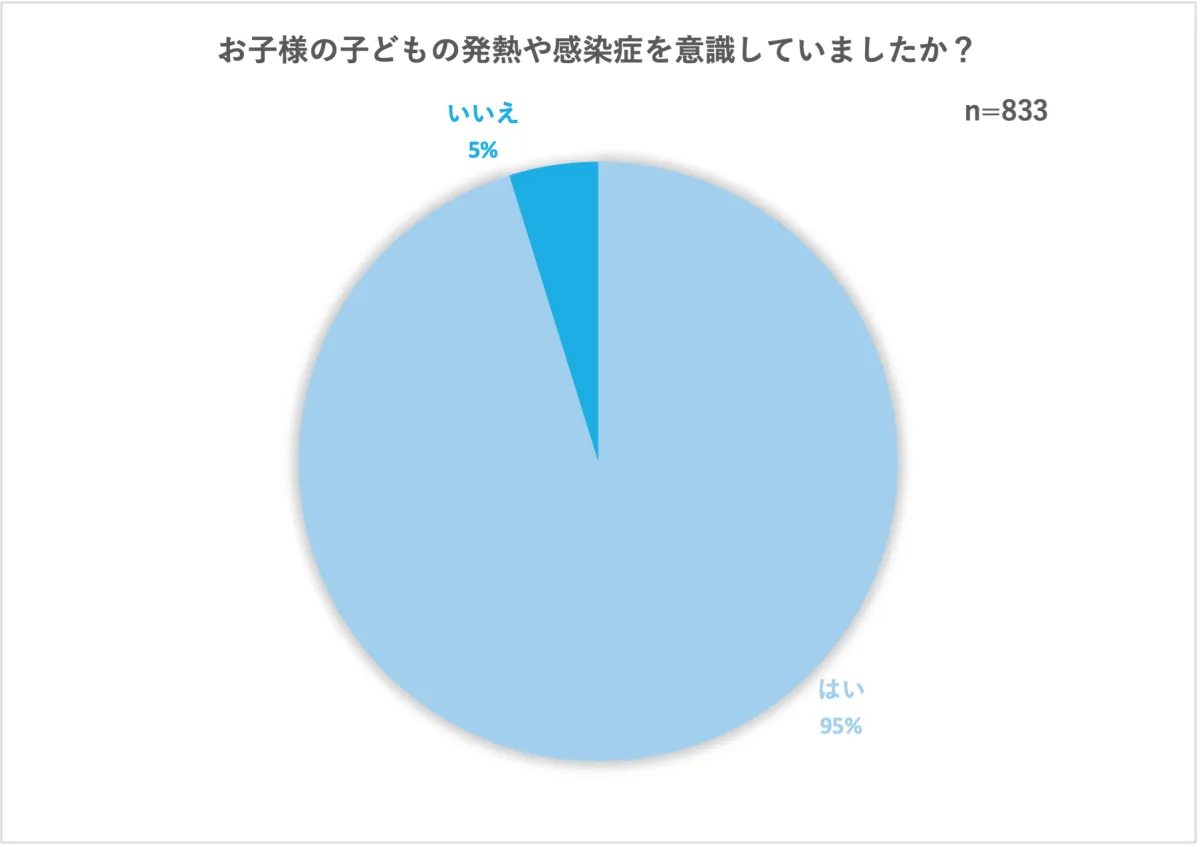
- An impressive 95% of respondents expressed awareness regarding child fever and infections.
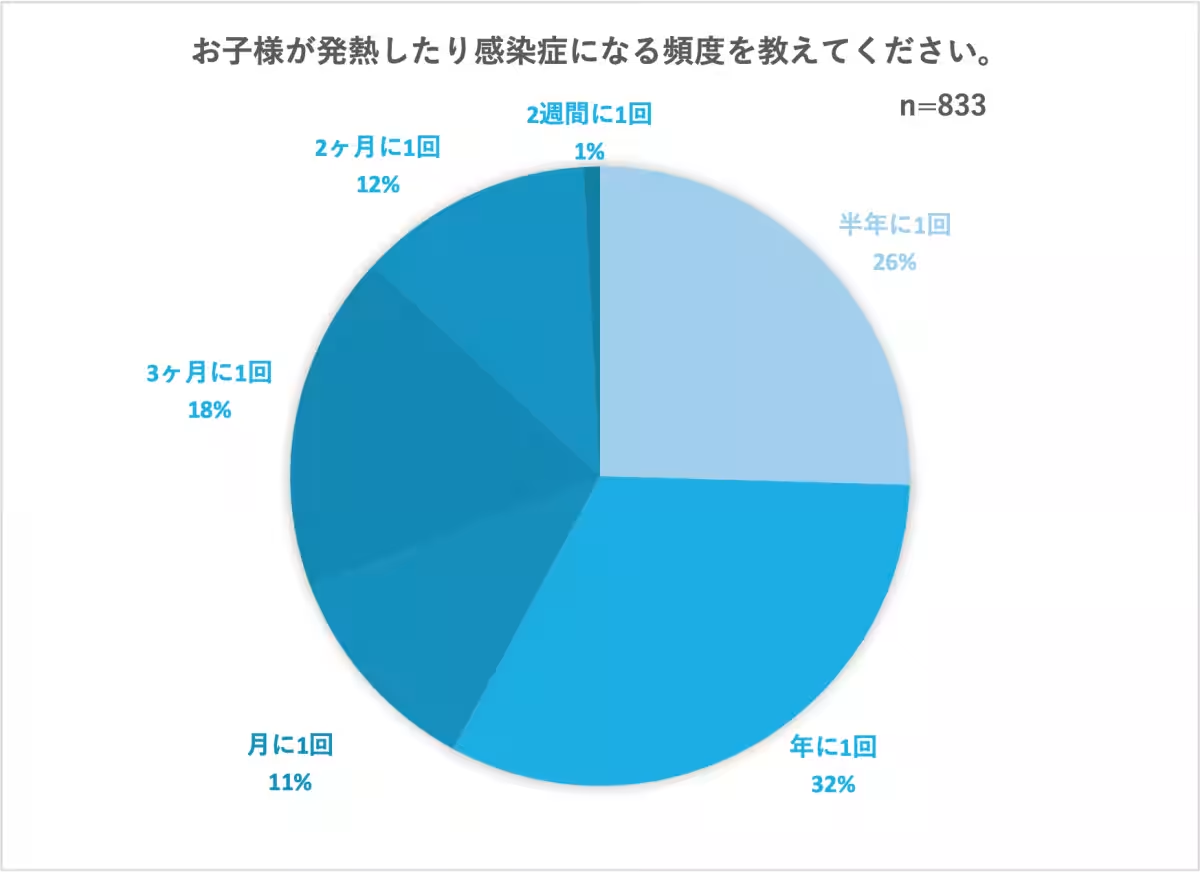
- The frequency of these occurrences typically falls around once a year for about 32% of parents, with 26% citing an incidence every six months.
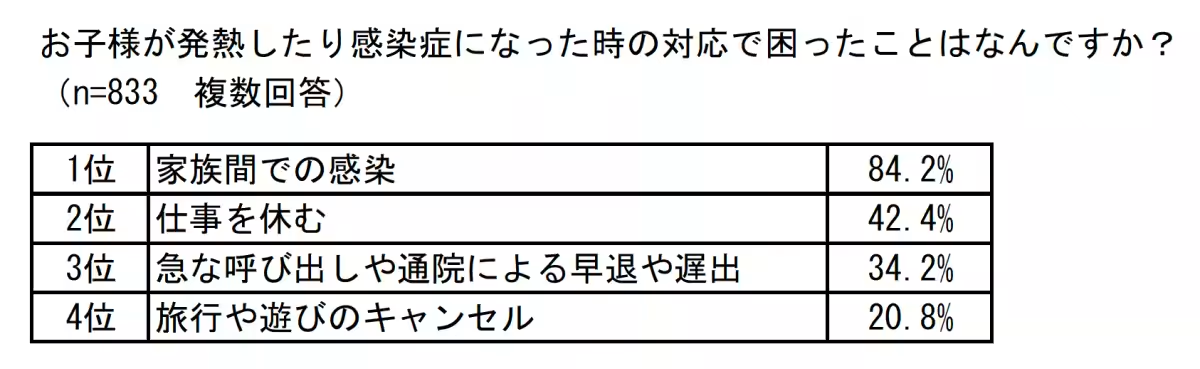
- When asked about challenges faced during these situations, the top concerns were:
- Family transmission of infections (1st place)
- The necessity to take days off work (2nd place)
- Early departures or late arrivals due to sudden hospital visits (3rd place).
2. Preventive Measures for Fever and Infections
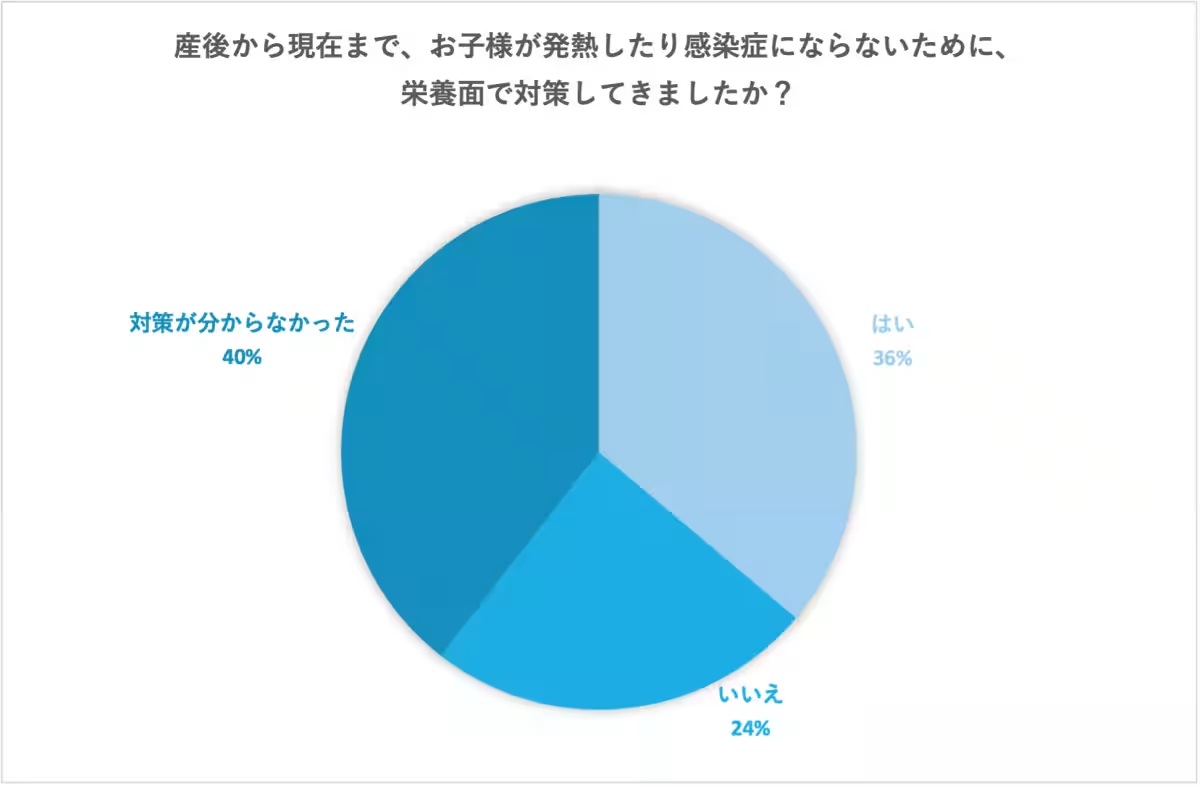
- Approximately 40% of parents have been proactive in implementing measures to prevent fevers and infections since childbirth.
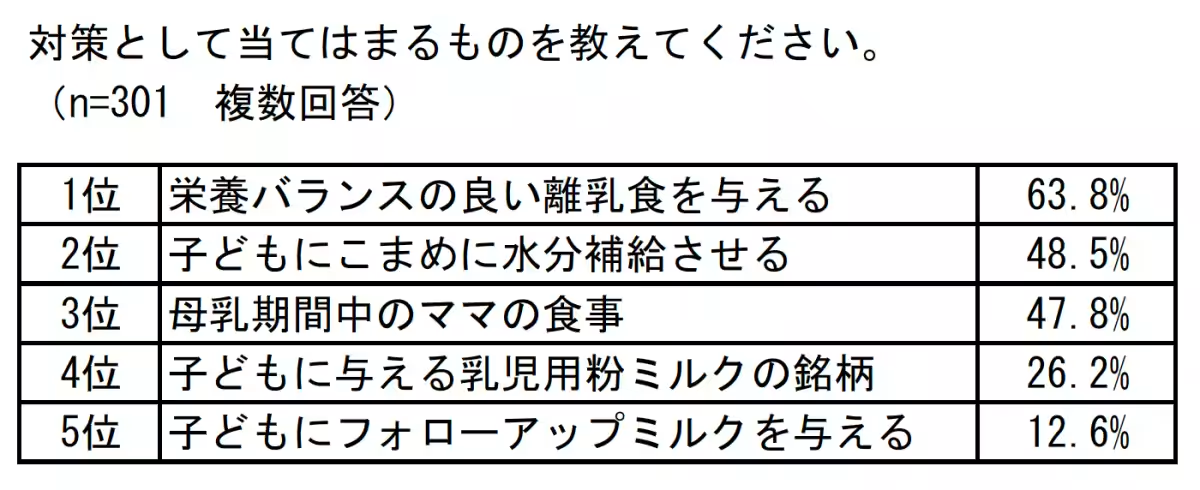
- The most common strategies included:
- Providing balanced nutrition through weaning foods (64%)
- Ensuring adequate fluid intake for children (49%)
- Maintaining a nutritious diet during breastfeeding (48%).
3. Connection between Breast Milk and Immunity
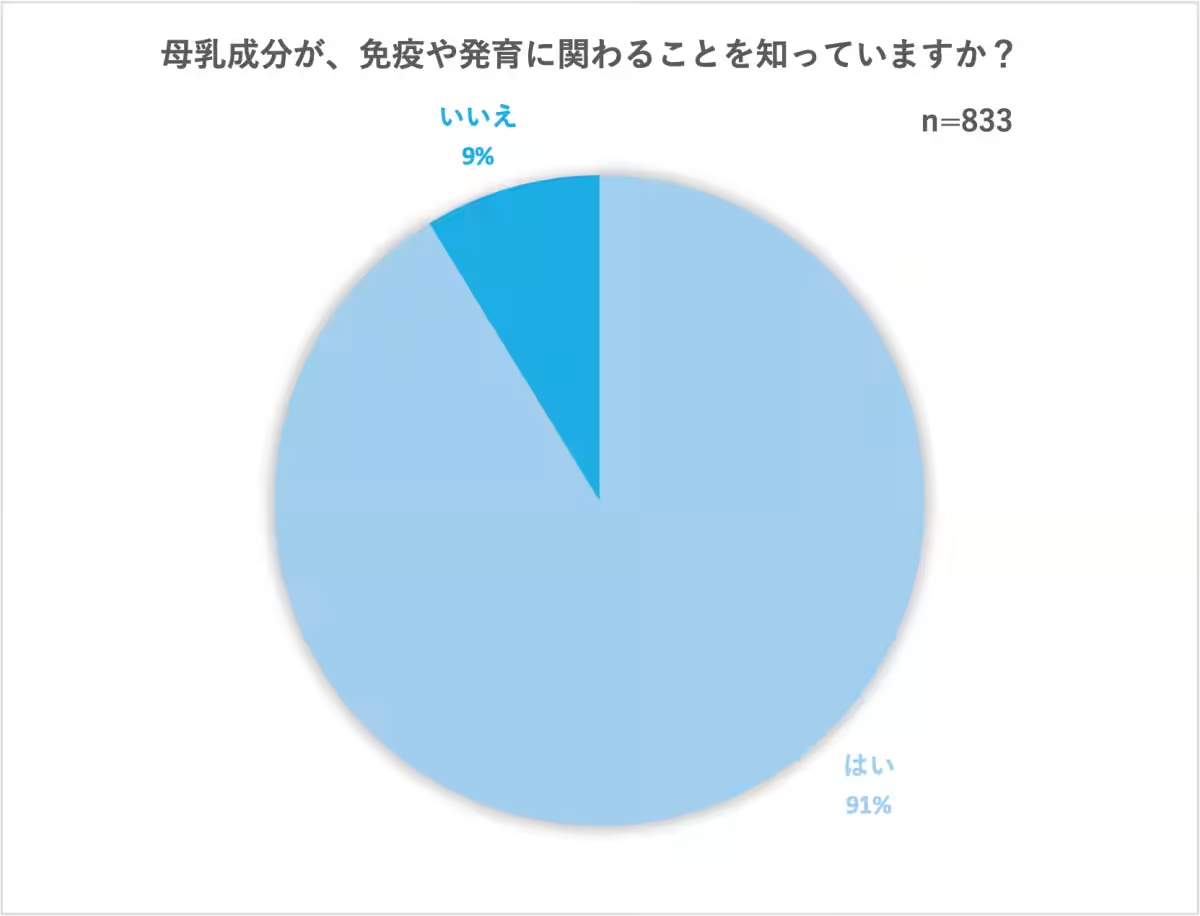
- A significant 91% of participants recognized the relationship between breast milk components and the immune system.
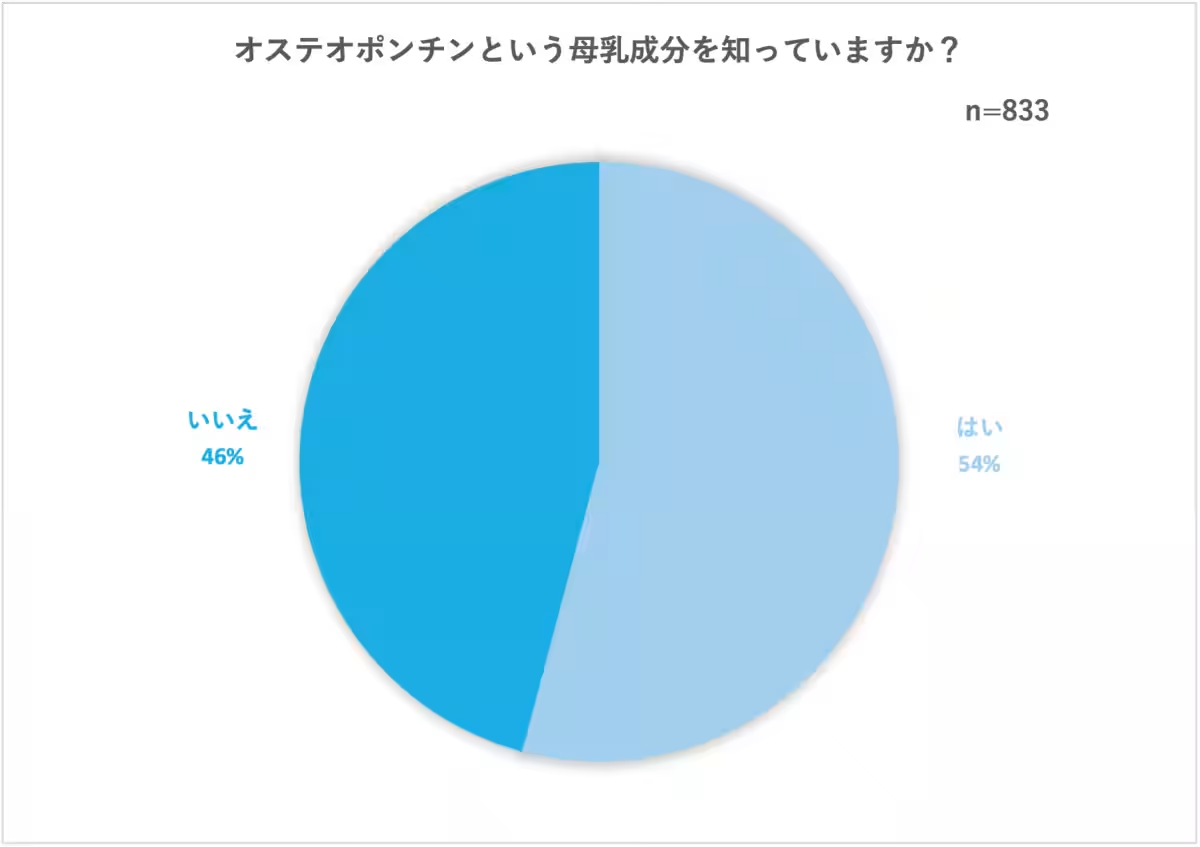
- About 54% of parents claimed familiarity with osteopontin, a critical protein in breast milk.
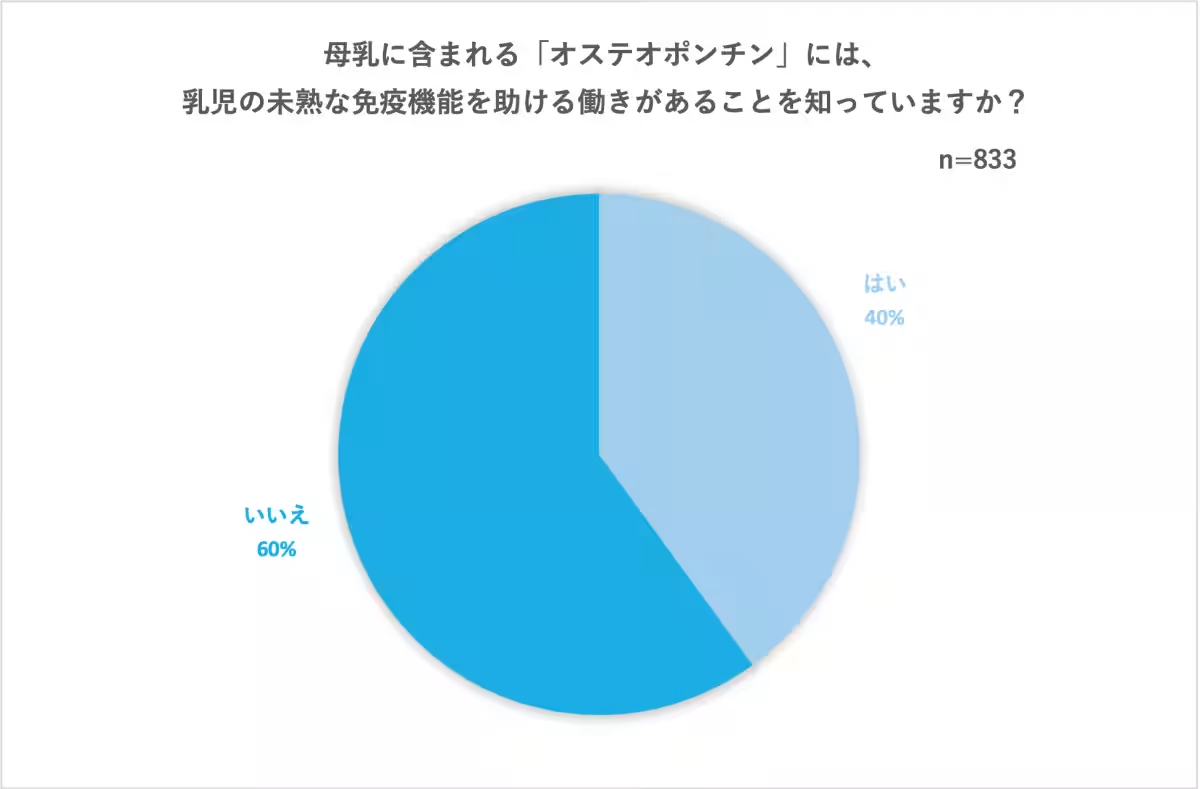
- Notably, 40% understood that osteopontin aids in enhancing the immune function of newborns.
Challenges Due to Child's Illness
Many parents highlighted various struggles they face, including difficulty finding suitable medical services during nights or weekends, concerns regarding febrile seizures, and coping with a crying child unable to sleep. Others expressed the pressure of solo parenting during these challenging times.
Nutritional Awareness and Strategies
The survey has also brought to light how parents approach nutrition during such health episodes. While around 36% claim to employ strategies to protect their child, a noteworthy 40% were unsure of available measures. For those actively navigating their child’s health, proactive nutritional strategies are essential.
Conclusion and Implications
Overall, the survey results underscore the acute awareness among parents regarding children's health issues like fever and infections. As they strive to keep their children safe, understanding the immunological benefits of breast milk, particularly components like osteopontin, has become increasingly crucial. This information not only empowers parents but also highlights the ongoing importance of educational resources like the Breast Milk Lab website, which aims to furnish parents with essential insights about breast milk’s role in their child's health.
For more information on breast milk and child nutrition, visit Breast Milk Lab and discover the commitment of Beanstalk Co., to advancing child health and nutrition through continued research and product excellence.
Topics Health)
【About Using Articles】
You can freely use the title and article content by linking to the page where the article is posted.
※ Images cannot be used.
【About Links】
Links are free to use.