




Cafes Surpass Izakayas to Claim Top Spot in Japan's Restaurant Landscape
Cafes Surpass Izakayas in Japan's Restaurant Rankings
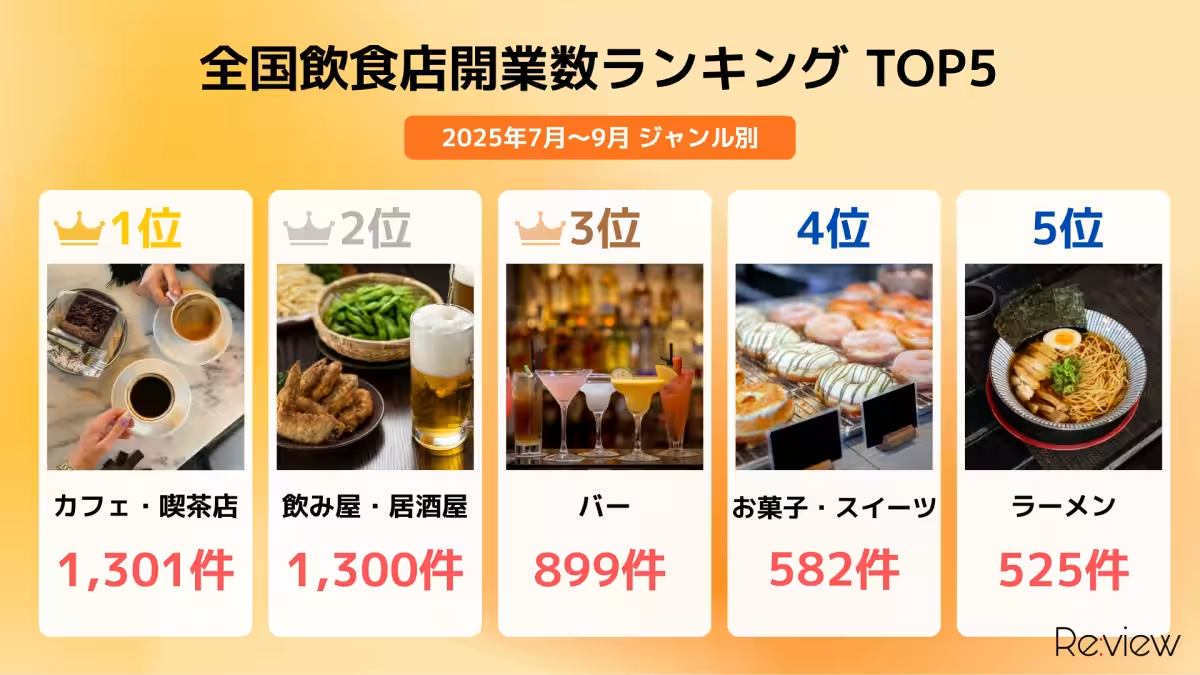
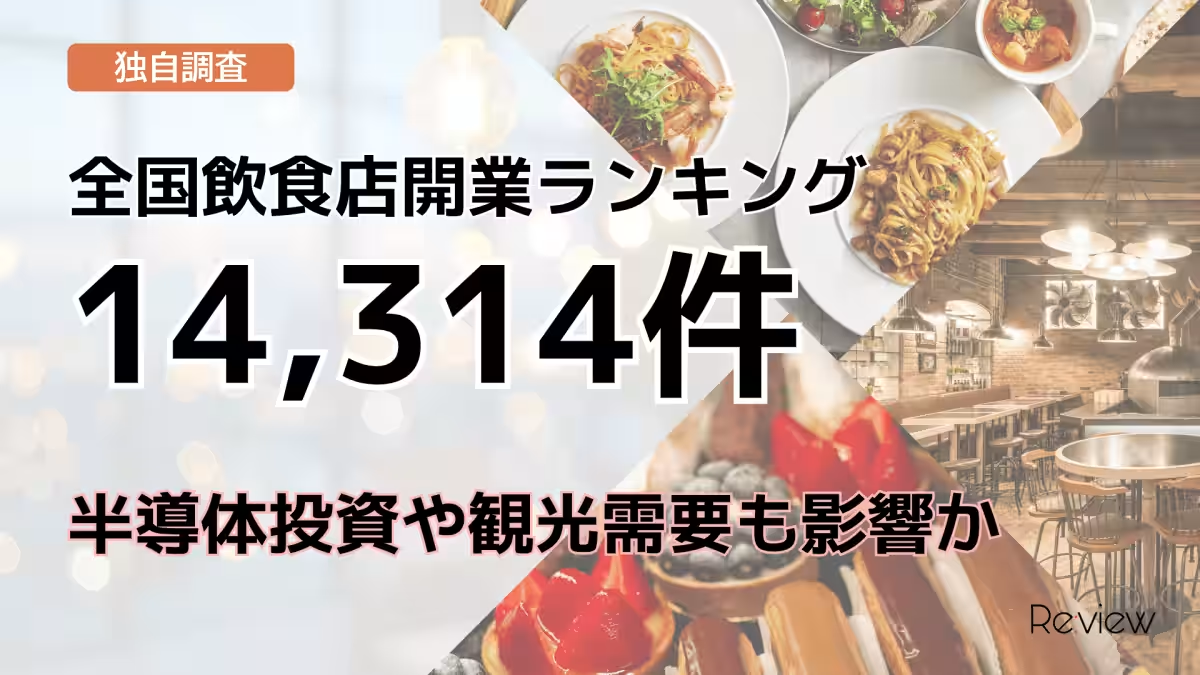
In a recent analysis conducted by Review Co., Ltd., based in Osaka, over 14,000 restaurant openings across Japan were examined, revealing a significant shift in the dining landscape. The data shows that between July and September 2025, cafes and tea houses have taken the lead with 1,301 new establishments, narrowly surpassing izakayas, which saw 1,300 openings. This marks a noteworthy change in consumer behavior, suggesting that these venues are evolving beyond just places to eat and drink.
The Rise of Cafes as Social Hubs
Traditionally, cafes were seen as spots primarily for enjoying coffee and light bites. However, the latest findings indicate that they are increasingly being utilized for various purposes:
- - Work or study spaces
- - Hangout spots with friends
- - Locations for engaging in hobbies or fandom activities
- - Pet-friendly environments
- - Places ideal for social media sharing
This transformation emphasizes that cafes are no longer merely about providing 'coffee.' They are becoming vital environments for experiences and social engagement.
A Shift in Consumer Preferences
The emergence of diverse offerings, such as gourmet donuts, acai bowls, Dubai chocolate, and trendy Korean sweets, has also contributed to the growing popularity of cafes. These items resonate well with consumers who seek a blend of indulgence and social media appeal — small luxuries that they can enjoy daily, even amidst rising costs.
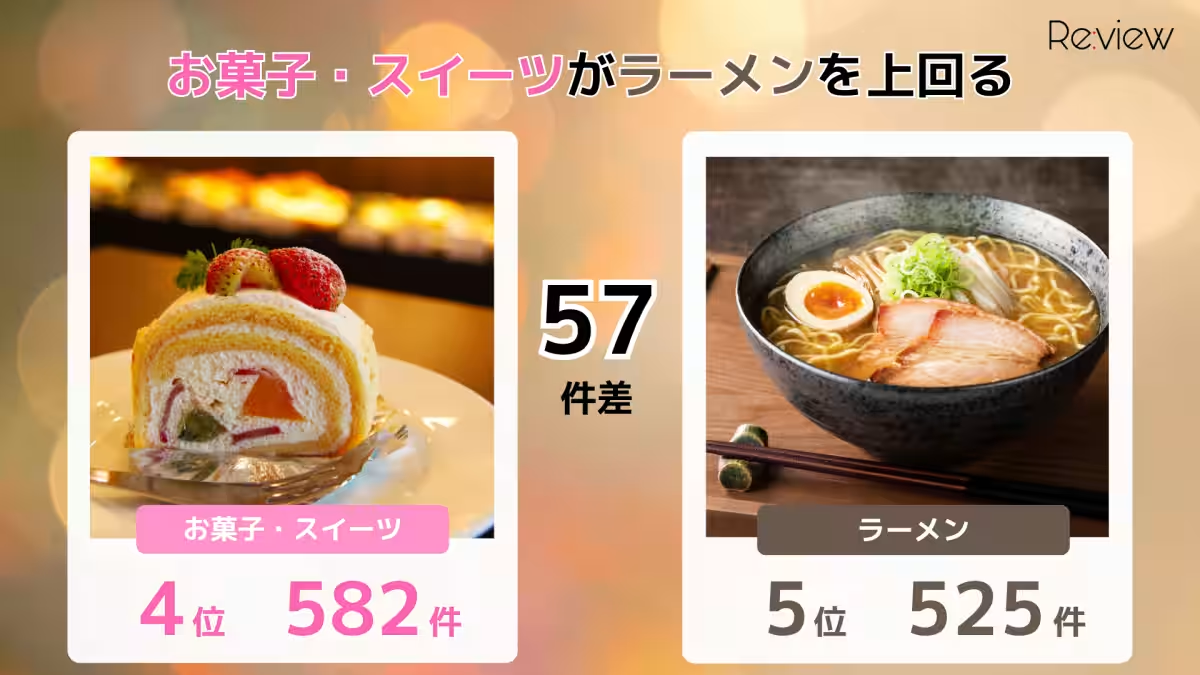
In fact, the sweets and dessert category ranked fourth with 582 new entries, surpassing the fifth-ranked ramen category at 525. This suggests that while ramen maintains a solid fan base, rising operational costs have made it challenging for new entries in that market while sweets offer more accessible options for startups.
Understanding 'Experience Consumption' Trends
The changing dining scene indicates a broader societal trend toward 'experience consumption.' Consumers are now seeking establishments that not only provide food but also enrich their social experiences and daily lives. Instead of prioritizing quick, cheap meals, diners are interested in environments that allow them to engage, linger, and make memories.
This shift highlights the importance of ambiance and service in the success of cafes, as establishments that offer unique settings for relaxation, work, or internet fame will likely thrive in this evolving market.
Conclusion: The Future of Dining Spaces
The data points to a clear evolution in consumer values, as cafes increasingly serve as vital social hubs rather than mere places to eat. The ongoing growth in cafe varieties reflects a larger trend where dining venues become focal points for community interaction and personal expression. The implications for future restaurant operators are profound; success may hinge on creating spaces that resonate with the lifestyle demands of today's consumers.
This analysis serves as a reminder that restaurant openings are not just business statistics; they represent fundamental shifts in how and where individuals choose to spend their time and money. For stakeholders in the industry, understanding these trends could pave the way for innovative concepts that align with the modern diner’s needs.



Topics Consumer Products & Retail)
【About Using Articles】
You can freely use the title and article content by linking to the page where the article is posted.
※ Images cannot be used.
【About Links】
Links are free to use.