


Addressing Japan's Vacant House Crisis as Zero Vacant House Day Approaches
The Importance of Zero Vacant House Day in Japan
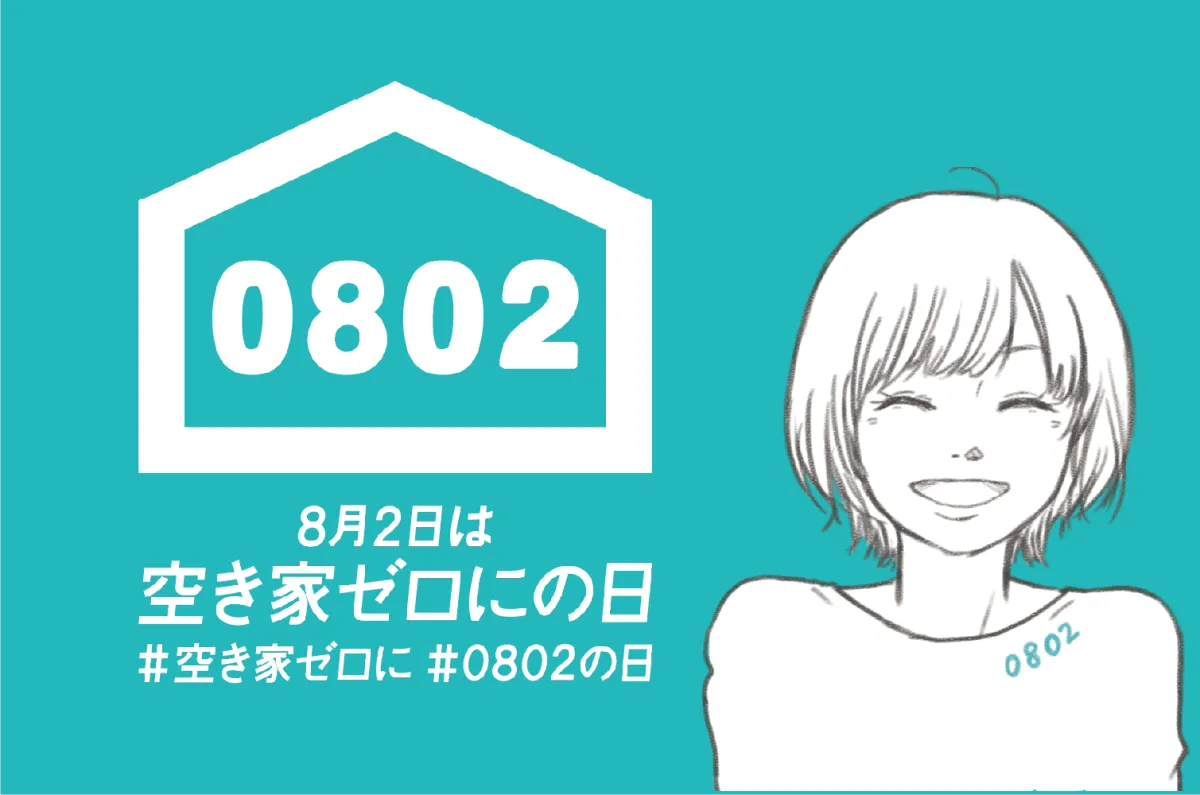
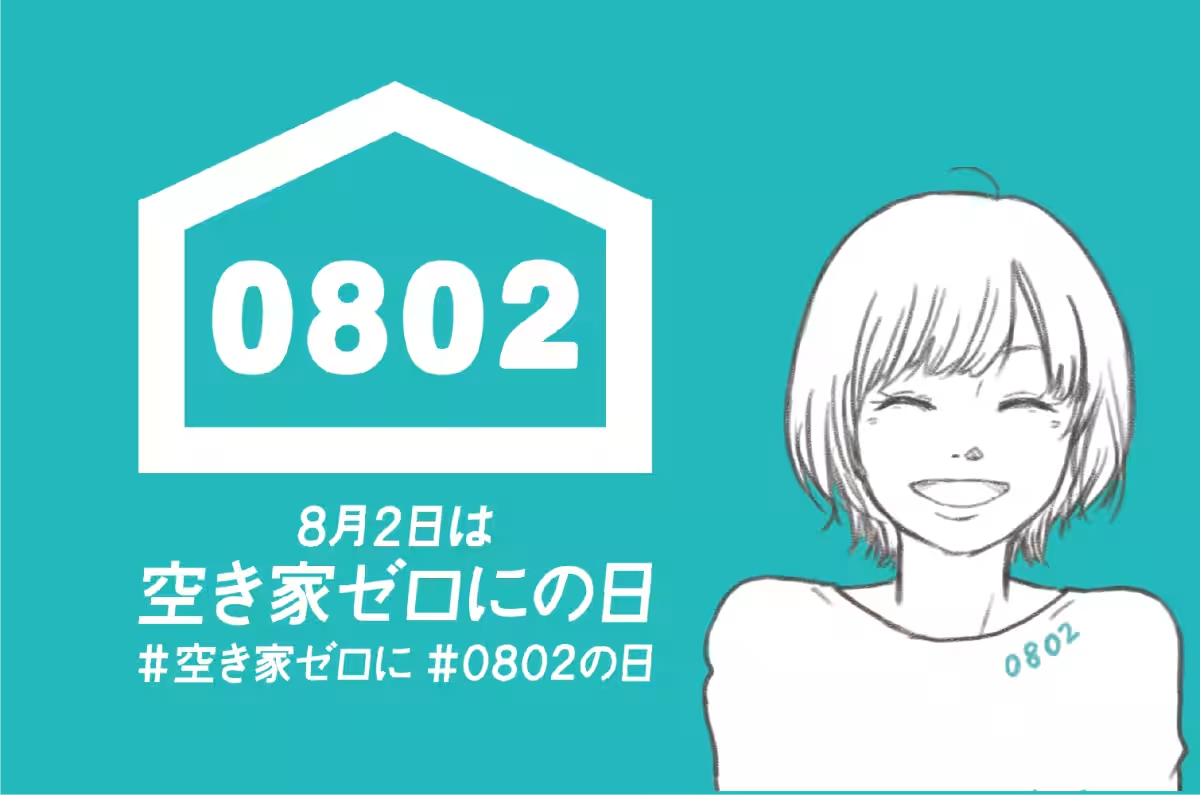
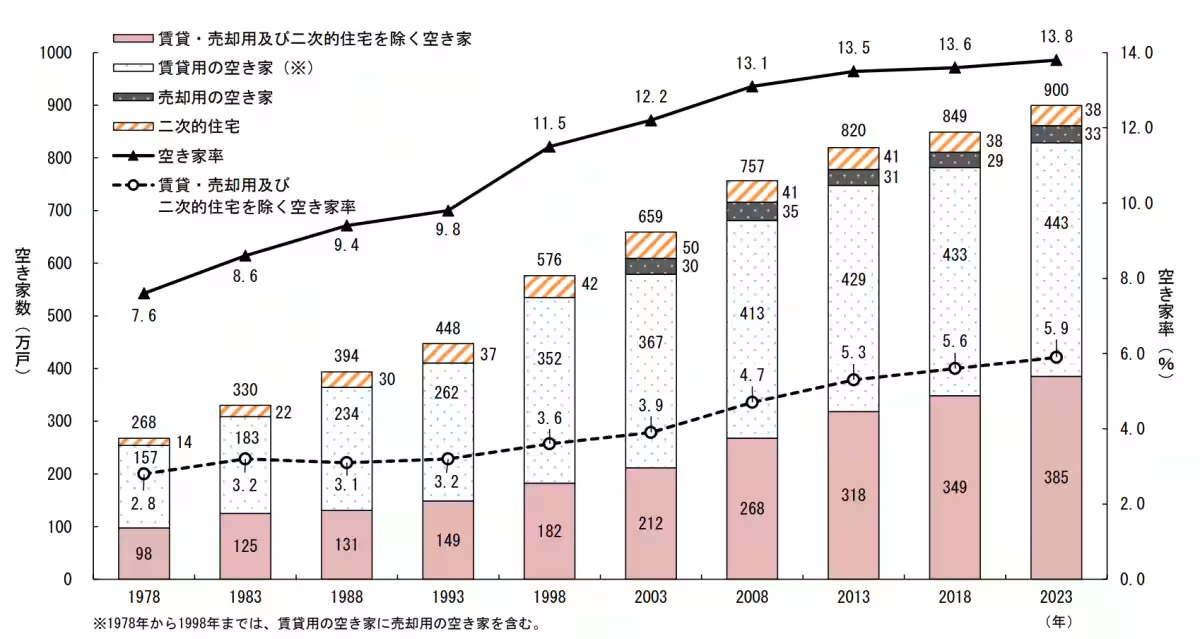
As of August 2nd, 2023, Japan finds itself facing a staggering number of 9 million vacant houses, an issue that has reached alarming proportions. This date is recognized as 'Zero Vacant House Day,' celebrated since its establishment by the Japan Anniversary Association in 2018, conceived from a catchy phrase that plays on numbers: 0 (aki) - 8 (ya) - 0 (zero) - 2 (ni). The day aims to enhance awareness regarding the utilization, management, and sale of vacant houses, and strives to prevent more homes from becoming vacant.
The insightful timing of this observance aligns with the peak summer season when many family members return home for the Obon festival, making it easier to converse about pressing family matters. This year's Zero Vacant House Day arrives just after the government unveiled a new housing policy framework aimed at addressing these challenges.
The Current Housing Landscape in Japan
On March 27, 2026, the Ministry of Land, Infrastructure, Transport and Tourism approved a 10-year plan for housing that aims to address various issues. This plan anticipates an increase in single-person households, a rise in inherited properties, and a shrinking working-age population, all of which underscore the urgent need to make effective use of existing residential properties. This year's Zero Vacant House Day serves as an opportunity to reflect not merely on the detriments of vacant houses as 'old homes' but to also consider their implications for inheritance, disaster preparedness, community resilience, and sustainable urban development.
A comprehensive national survey revealed that Japan's vacant house count has hit an all-time high of 13.8%. This marks a direct public concern beyond property owners, with implications for safety, aesthetics, and regional property values. With the enforcement of the Revised Special Measures Law Concerning Vacant Houses coming into effect in December 2023, it becomes increasingly vital to assess the risks and identify measures for management and use.
An Opportune Time for Family Conversations
The Obon period signifies a time when families gather and discuss familial matters that are often sidelined throughout the year. The timing of Zero Vacant House Day encourages families to openly discuss the future of their family homes, whether that involves maintaining, selling, or preparing properties to ensure they do not stand vacant. Promoting proactive dialogue within families and communities is crucial, as it can lead to sensible and collaborative decisions regarding house management.
Various organizations and municipalities can take actionable measures to make the most of this month leading up to Zero Vacant House Day. Initiatives may range from public seminars, social media campaigns, community workshops, to individual consultations. Local governments can promote awareness through public relations channels, introduce consultation services, and offer seminars about inheritance and property management, while construction and real estate firms can host discussions on the potential pathways for addressing vacant properties.
The Collective Responsibility of the Community
Addressing the vacant house dilemma is not just an individual concern; it involves collective participation from owners, families, communities, local governments, professionals, and organizations. With the upcoming Zero Vacant House Day acting as a catalyst, the objective is to foster a culture where citizens can learn about, converse over, and take action regarding vacant houses. Such a collective effort could facilitate timely consultations and viable utilization pathways, thus changing the landscape of how we perceive and manage housing issues.
Commentary from Organizers
The concept of Zero Vacant House Day was conceived with the intent of encouraging families to discuss their future housing plans ahead of the Obon season. This year carries additional weight, with national housing policies bringing attention to the necessity of strategically managing existing homes within communities. Solving the vacant house issue cannot be accomplished by individual owners alone; it necessitates a collaborative response from local governments, experts, and community organizations, all of which play critical roles in the information-sharing process leading to informed decisions.
As the day approaches, it stands as a reminder to take a closer look at how vacant houses impact our lives and neighborhoods. From August 2nd onwards, concrete actions are expected to take shape across the nation, allowing for deeper discussions among families, leading to informed community actions about housing.
For more information about the Zero Vacant House Day initiatives, please visit Zero Vacant House Day Official Website. The movement invites ongoing dialogue about vacant houses and the actionable steps communities can take to address these challenges.
Upcoming Events
1. Fujieda City Zero Vacant House Event (Shizuoka Prefecture)
- Date: August 2, 2026
- Content: Awareness seminars and individual consultations aimed to empower owners in approaching their vacant properties.
- Event Details
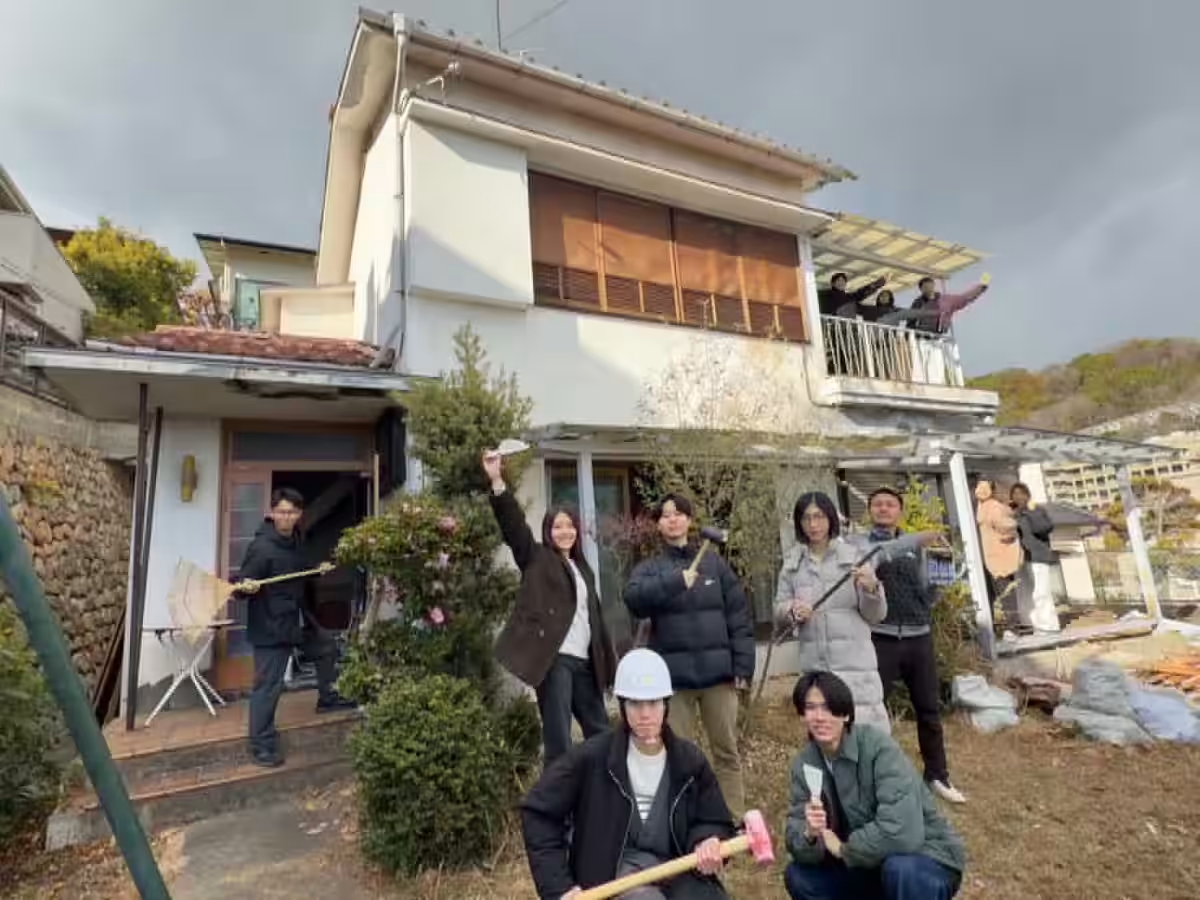
2. Kobe University Architecture Student Event
- Date: August 29-30, 2026
- Purpose: Engage students in the practical aspects of designing and dismantling vacant properties, fostering education.
- More Info
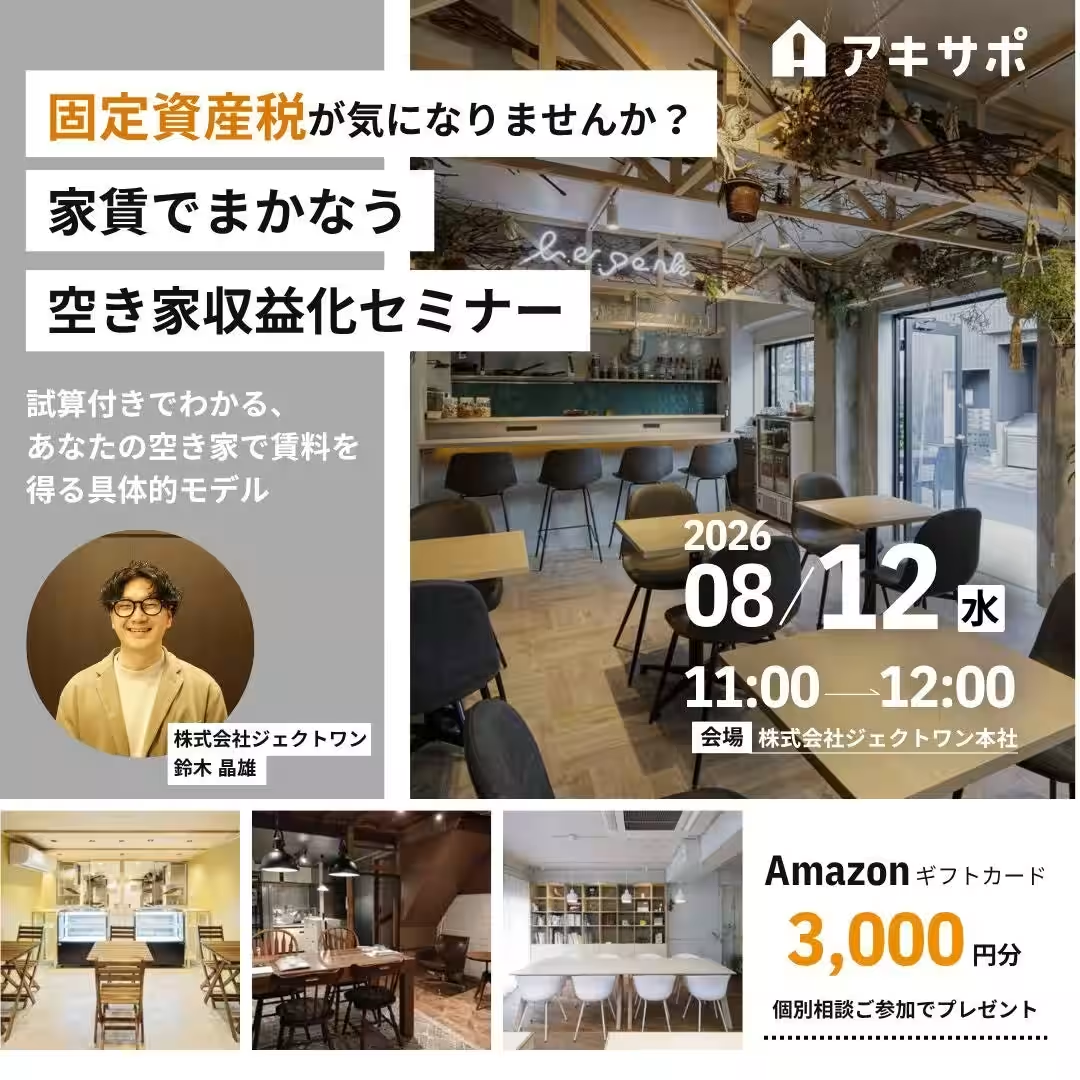
3. Vacant House Profitability Seminar (Tokyo)
- Date: August 12, 2026
- Focus: Strategies and insights on utilizing vacant properties to generate income.
- Details Here
Through the combined efforts initiated on Zero Vacant House Day, communities can start looking at vacant houses as collective issues needing urgent and collaborative solutions.

Topics Other)

【About Using Articles】
You can freely use the title and article content by linking to the page where the article is posted.
※ Images cannot be used.
【About Links】
Links are free to use.