



Six Consumer Cooperatives Propose New Rice Policy to Japanese Government
Proposal for a New Rice Policy in Japan
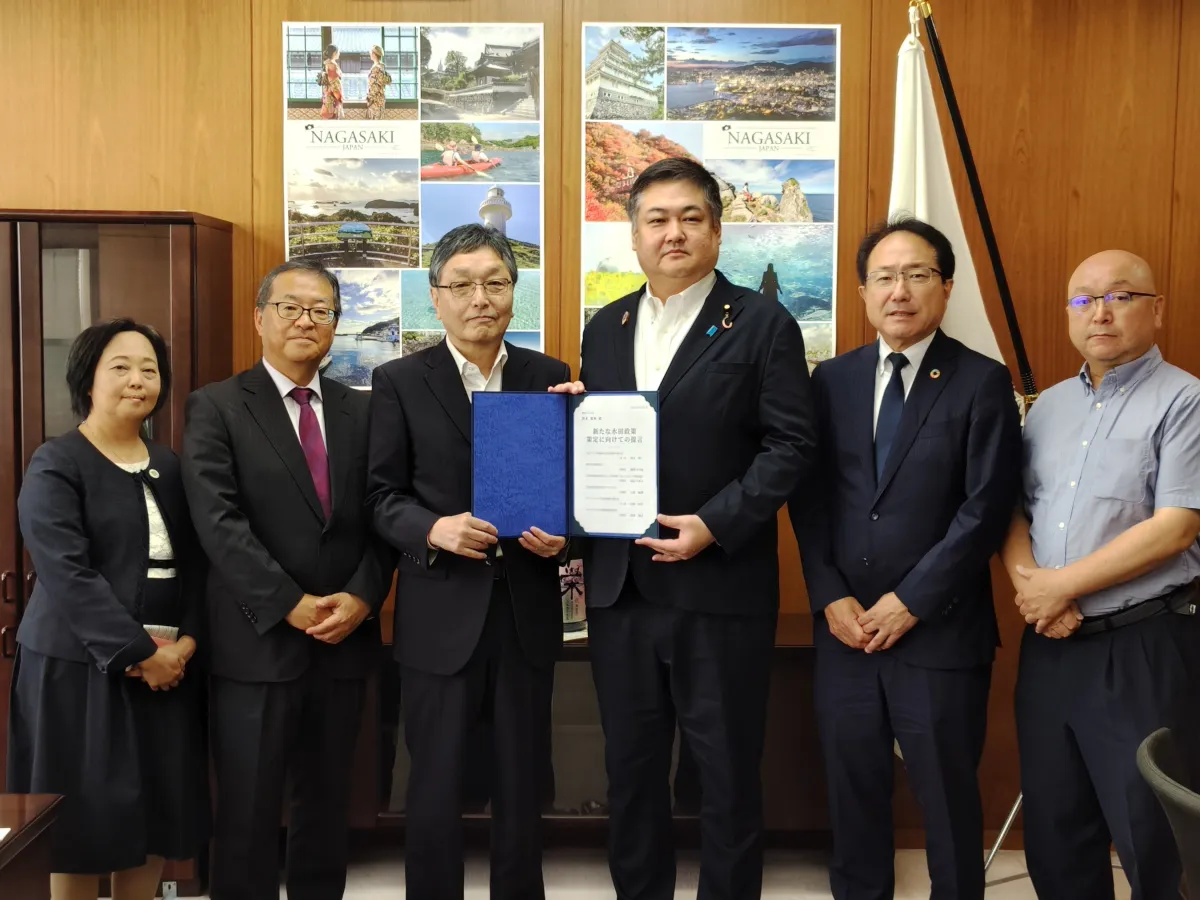
On June 23, six consumer cooperative groups in Japan presented their proposal for a new rice policy to Keisuke Yamamoto, the Parliamentary Secretary of the Ministry of Agriculture, Fisheries and Forestry (MAFF). This proposal is part of the ongoing review of the rice policy planned by the government for the 2027 fiscal year. The six groups represent a total of 3.25 million members and have a longstanding relationship with producers, advocating for policies that ensure sustainable agriculture and food security.
Members' Voices and Collaboration
The organizing groups included:
- - Seikatsu Club Consumer Cooperative (Shinjuku-ku, Tokyo, Chairman: Akira Murakami)
- - Tohto Consumers' Cooperative (Setagaya-ku, Tokyo, Chairman: Yoshiharu Kazama)
- - Co-op Shizenha and Orange Co-op Business Union (Kobe City, Chairman: Chikako Tatsumi)
- - Aichoi's Cooperative Federation (Nagoya City, Chairman: Takahiro Omiya)
- - Green Co-op (Fukuoka City, Chairwoman: Yoko Hidaka)
- - Pal System Consumers' Cooperative (Shinjuku-ku, Tokyo, Chairman: Haruki Shibusawa)
Each of these cooperatives has made significant contributions over the years by fostering partnerships between consumers and producers. They are advocating for a comprehensive revision of the rice policy, which includes establishing fair pricing mechanisms that would allow for stable supply channels.
Key Areas of Focus
The proposal is structured around three main dimensions: food security, sustainable production and consumption, and environmental preservation.
1. Food Security: The cooperatives emphasize the importance of fully utilizing rice paddies to expand the use of rice for processing and as animal fodder. This aims not only to prevent future rice shortages after 2024 but also to enhance Japan's self-sufficiency in food production.
2. Sustainable Production and Consumption: The groups are advocating for a framework that allows consumers, including low-income households, to purchase affordably while ensuring producers receive stable and sufficient income to allow for reinvestment.
3. Environmental Preservation: Plans include increasing the area dedicated to organic farming, establishing a circular economy in collaboration with local communities, and emphasizing the importance of proper seed management.
Submission of the Proposal
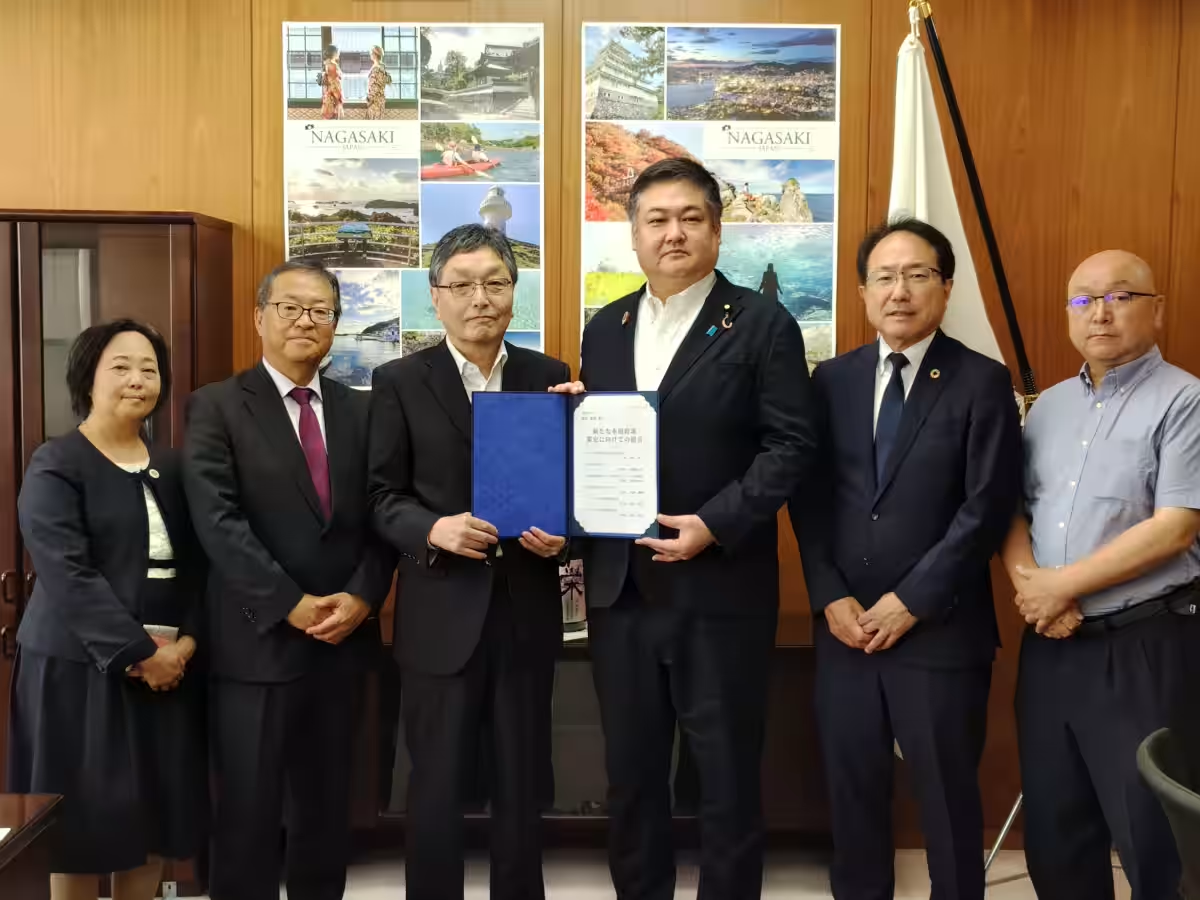
On the day of the proposal’s submission, representatives from the six groups visited MAFF to personally deliver their recommendations to Yamamoto. After receiving the proposal, Yamamoto stated, "I take the suggestions from the cooperatives, which effectively link producers and consumers, very seriously. We will consider policies that help rice-producing regions sustain their communities and conserve the environment."
Conclusion
By articulating the needs and insights of 3.25 million households, the six consumer cooperative groups are pushing for a reform in the rice policy to secure a sustainable agricultural future while balancing consumer needs and environmental requirements. Their collective effort may pave the way for innovative policies that could reshape Japan’s agricultural landscape in the years to come.

Topics Business Technology)

【About Using Articles】
You can freely use the title and article content by linking to the page where the article is posted.
※ Images cannot be used.
【About Links】
Links are free to use.