




The Psychology Behind Utility Consumption: Balancing Image and Energy Saving
Understanding the Disconnect: Energy Bills and Social Perceptions
Introduction
In January 2026, a comprehensive survey was conducted involving 300 participants to investigate attitudes towards electricity usage and the psychological factors influencing these behaviors. The inquiry particularly focused on instances of conspicuous consumption of energy where individuals prioritize social image over savings. Here, we delve into the results of this survey which reveal intriguing insights about electricity usage and the extent to which individuals are willing to deviate from saving when it comes to social interactions.
Demographic Overview
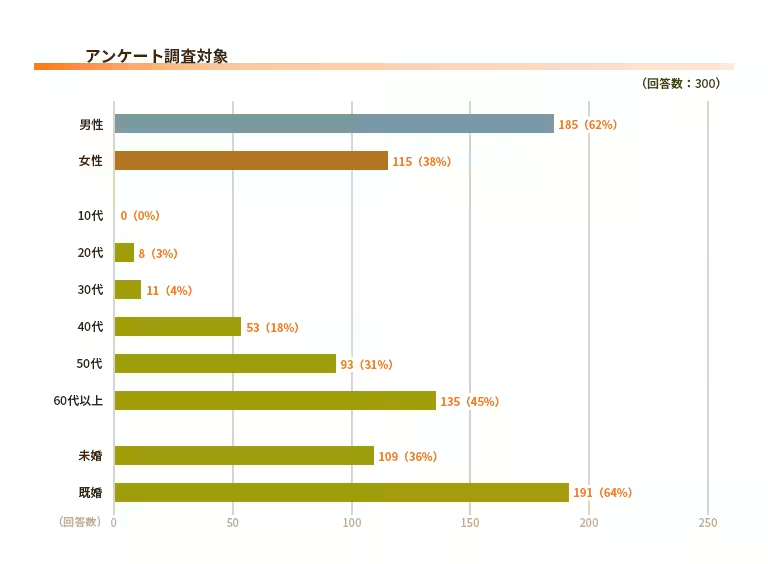
The results indicated a skewed demographic – with a majority being male (62%) and predominantly middle-aged. An overwhelming 94% of respondents were aged 40 and above, revealing that this survey predominantly reflects the views of a mature audience. In terms of marital status, 64% identified as married, suggesting a cohort that often weighs energy costs against family comfort.
Average Monthly Electricity Costs
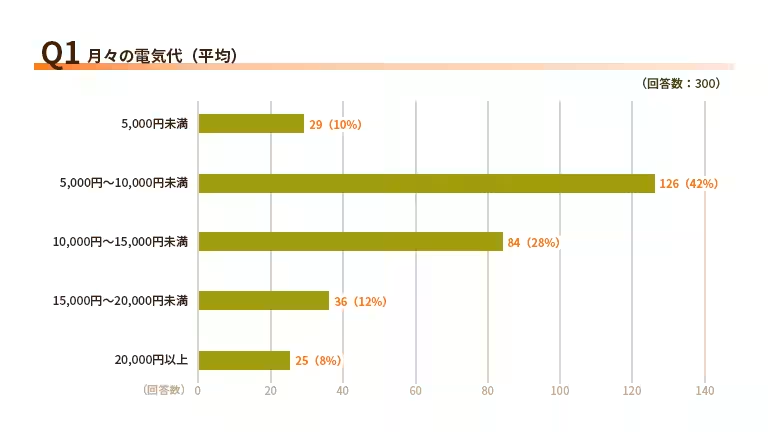
Survey results showed that a significant number of respondents (42%) reported their monthly electricity bills to fall between 5,000 to 10,000 yen, while another 28% indicated spending between 10,000 to 15,000 yen. This data implies that nearly half of the participants face monthly bills exceeding 10,000 yen, indicating a reasonable level of concern over costs amidst general lifestyle choices.
Energy-Saving Awareness
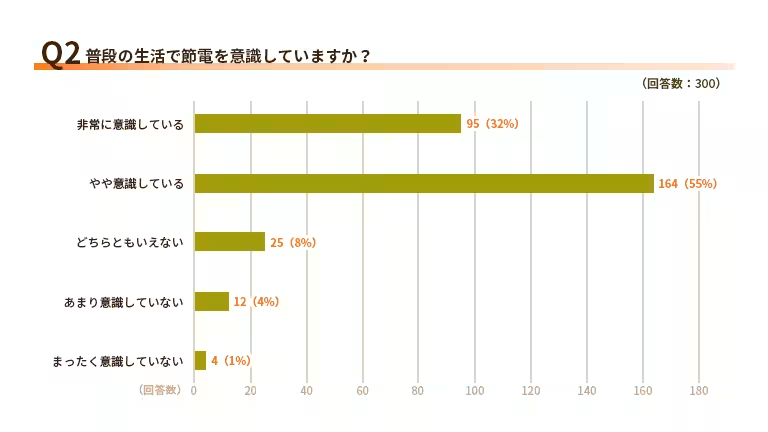
When asked about their consciousness about energy saving, 32% reported being very aware, while 55% claimed to be somewhat aware. Thus, most participants are cognizant of energy conservation in their daily lives; only a small fraction felt indifferent or unaware. This general awareness highlights that energy consumption is an integral concern for respondents.
The Influence of Guests
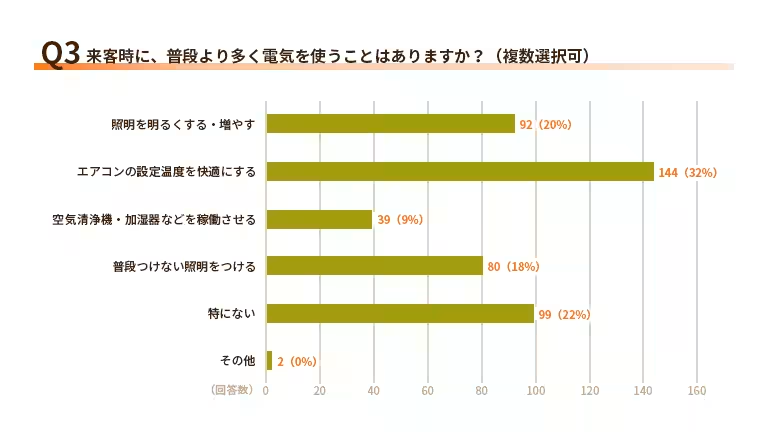
Examining how guests influence energy consumption, 22% stated they don’t change their usage habits when hosting. However, a significant portion increased their energy use, largely pinpointing specific habits such as adjusting air conditioning settings (32%) for guest comfort. Others reported illuminating spaces more (20%) or activating lights not usually in use (18%). Notably, others activated air purifiers or humidifiers (9%) to tailor the ambiance for visitors.
Reasons for Increased Consumption
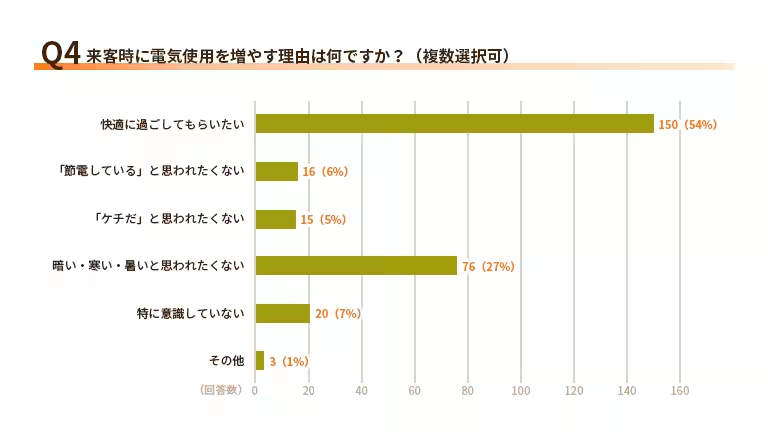
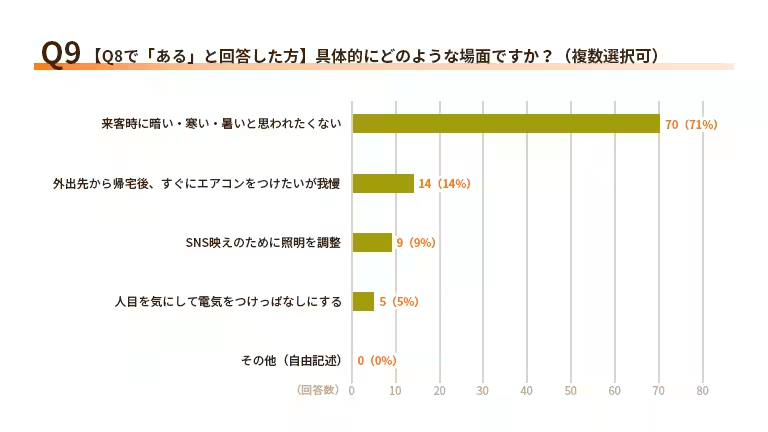
The motivations behind increasing electricity usage were diverse. A striking 54% indicated their primary concern was guest comfort, while 27% worried about perceptions of their environment being too dark or cold. A minimal number expressed concerns regarding being perceived as stingy or frugal.
Energy Spending during Dates
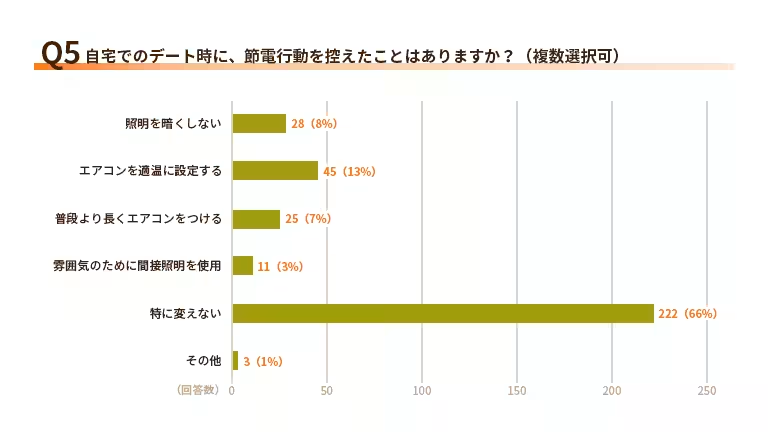
Interestingly, when queried about behaviors during personal dates at home, 66% indicated they did not change their saving habits, contrasting the increase exhibited during guest visits. Among those who adjusted their consumption, reasons typically included maintaining comfortable temperatures (13%) or keeping lighting adequately bright (8%).
Social Media Influence
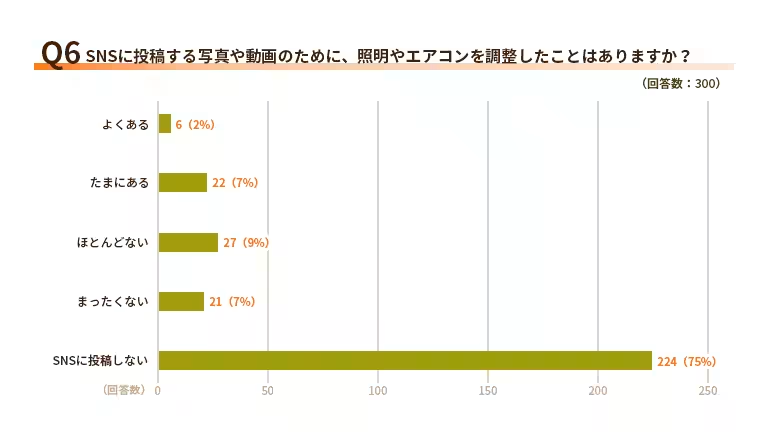
The survey also explored the impact of social media on energy usage, revealing that 75% of respondents do not post on social media at all. Among those who do, only a minor fraction occasionally adjusted lighting or air conditioning for posts, underscoring that most users do not prioritize energy consumption for social visibility.
Societal Pressures and Energy Habits
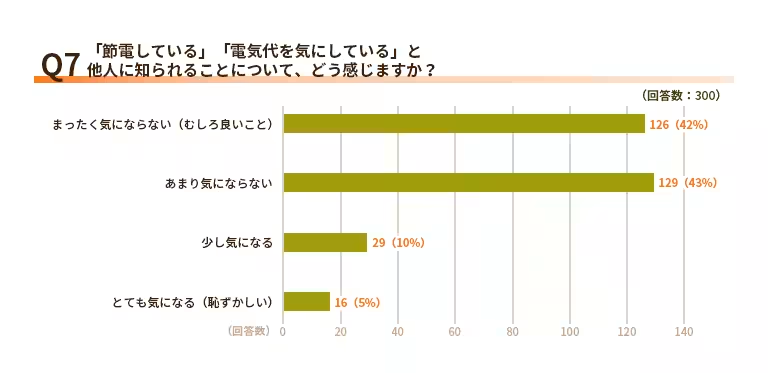
Respondents were prompted about their feelings regarding the transparency of their energy-saving efforts in social contexts. An overwhelming majority expressed either indifference or positivity regarding others knowing about their energy conservation efforts. It seems that societal attitudes are starting to shift; energy conservation is increasingly viewed as a responsible choice rather than a stigmatized one.
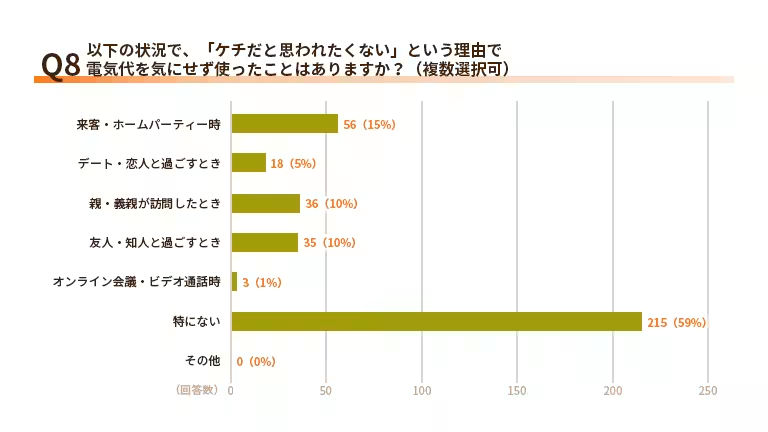
When asked if they ever refrained from energy conservation due to a desire to not appear frugal, 59% reported never doing so. However, some did admit to adjusting their consumption during social gatherings, reflecting a compromise between maintaining comfort and demonstrating hospitality.
Specific Instances of Energy Use
Among those who reported making adjustments to energy use based on image, instances such as using additional lighting or heating during social occasions were common. Responses frequently indicated that the primary concern was ensuring that guests felt comfortable and welcomed, often leading to higher energy consumption.
Balancing Image with Energy Conservation
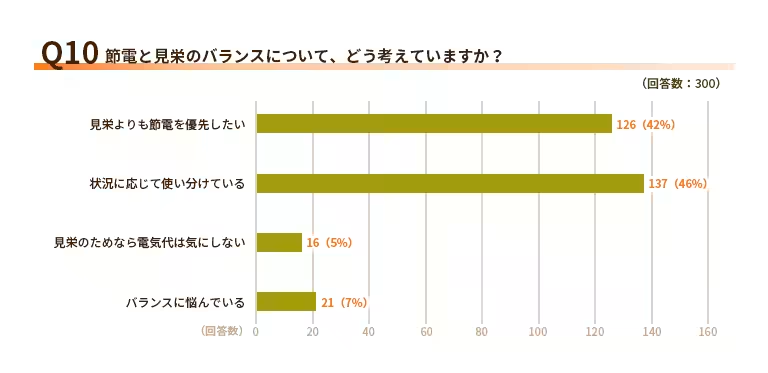
Respondents revealed a tendency to navigate energy use based on circumstances. While nearly half preferred to adapt their energy consumption situationally, 42% expressed a desire to prioritize conservation over appearance. A marked 5% still admitted to prioritizing image over saving, though such perspectives were notably limited.
Conclusion
This survey reflects an evolving attitude toward energy use, suggesting that while frugality can entail certain negative connotations, most participants are inclined to optimize comfort and guest impressions over energy savings when socially required. Understanding these dynamics allows individuals to re-evaluate their energy use strategies, particularly in contexts that necessitate a balance between social satisfaction and cost management. Companies like Eneone Denki are primed to help individuals minimize costs while maintaining their desired levels of consumption, ultimately enabling a more conscious approach to energy use that considers both financial and social implications.

Topics Other)
【About Using Articles】
You can freely use the title and article content by linking to the page where the article is posted.
※ Images cannot be used.
【About Links】
Links are free to use.