



Exploring the Pitfalls of Unused Communication Devices and Consumer Purchasing Behavior
Exploring the Pitfalls of Unused Communication Devices
In today's tech-driven world, communication devices such as smartphones, tablets, and wireless earbuds have become integral to our daily lives. Recent trends indicate that the performance and functionality of these gadgets have surged, prompting many to upgrade frequently or own multiple devices. However, a worrisome phenomenon is emerging: a significant number of these communication devices are left unused, creating a dilemma that many consumers face as they grapple with the wastefulness of such purchases.
To delve deeper into this issue, Exmobile Corporation, a smartphone rental service provider, collaborated with Plus T Corporation to conduct a nationwide survey involving 500 men and women aged 20 to 59. The study aimed to uncover the realities behind the underutilization of communication devices, exploring the reasons behind it and how consumer beliefs regarding buying versus renting impact their choices.
Survey Overview
- - Title: Survey on Communication Device Utilization
- - Methodology: Internet survey
- - Duration: April 6 – April 13, 2026
- - Participants: 500 individuals aged 20 to 59 across Japan
Key Findings
1. Approximately 20% of Consumers Own Unused Devices
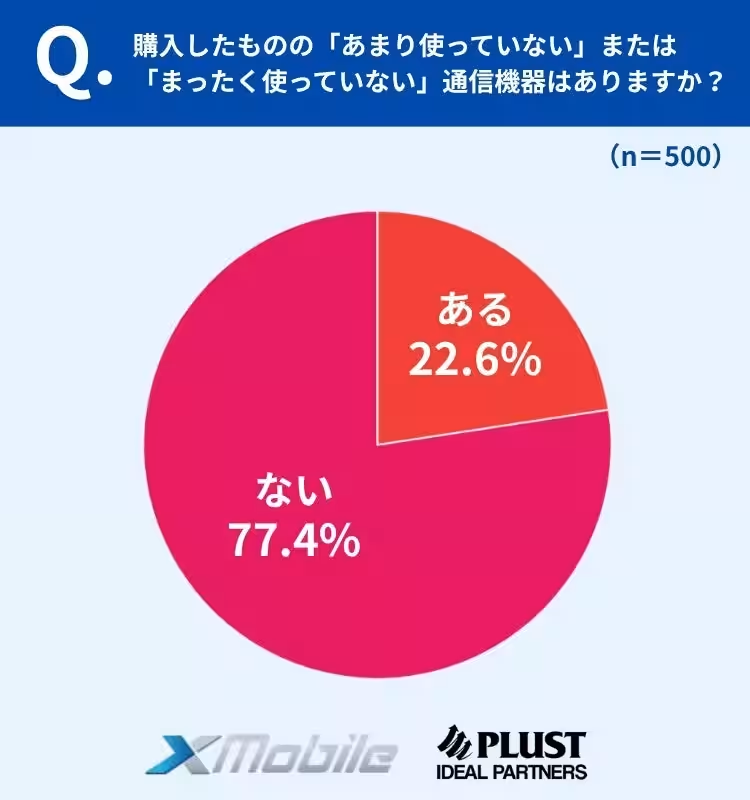
When respondents were asked whether they had purchased communication devices they seldom or never used, 22.6% answered affirmatively. This indicates that around one in five consumers is holding onto devices that are not actively utilized.
2. Commonly Unused Devices
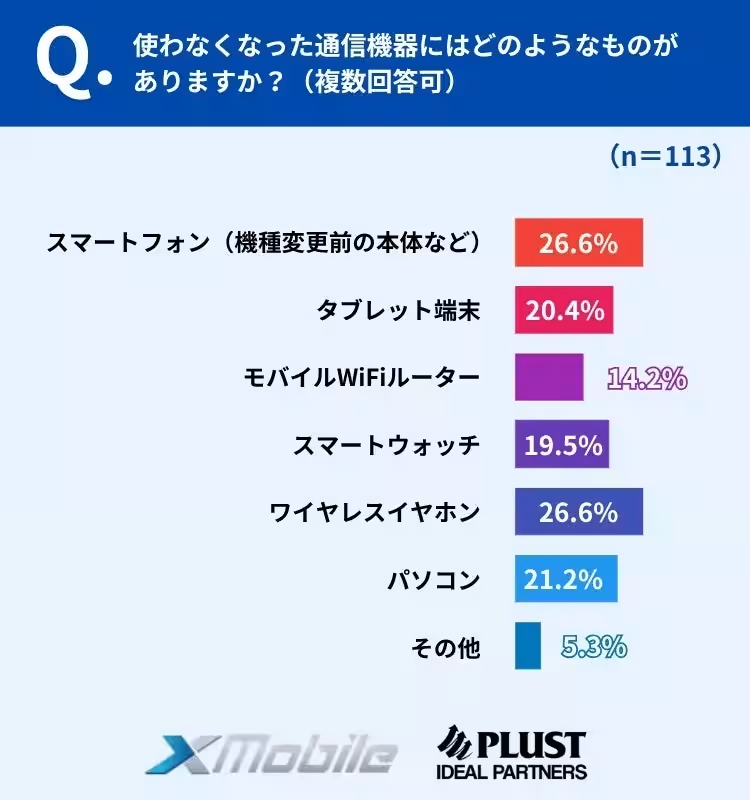
Among the unused devices reported, smartphones and wireless earbuds topped the list, each accounting for 26.6%. Other items included laptops (21.2%), tablets (20.4%), and smartwatches (19.5%). This suggests that even devices intended for regular use can become neglected, reflecting a trend where the abundance of tech options leads to excessive purchasing.
3. Reasons for Underutilization
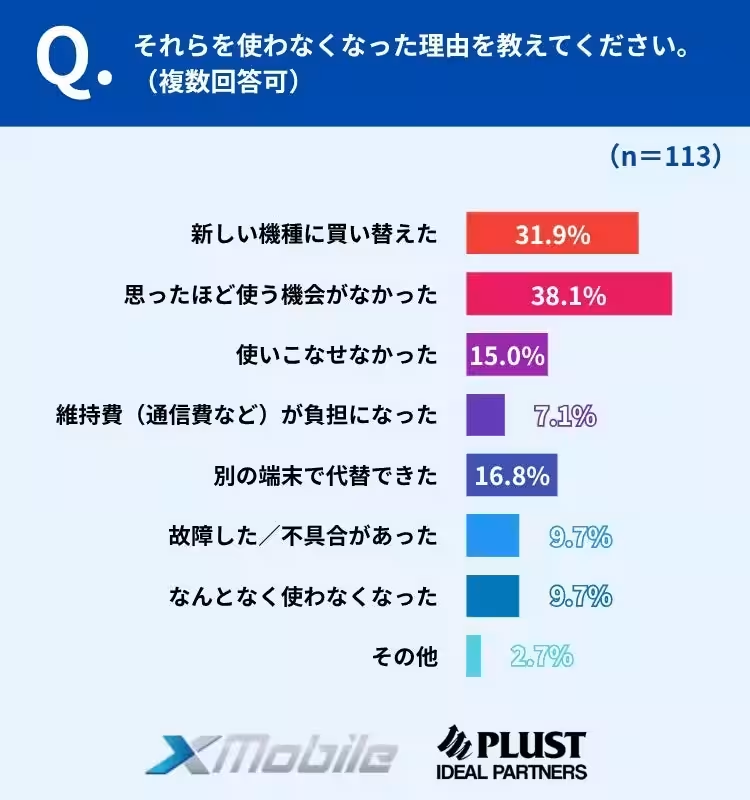
The primary reason cited for non-usage was that respondents didn’t utilize their devices as much as expected, at 38.1%. Following this, 31.9% switched to newer models while 16.8% found alternatives that sufficed. This highlights discrepancies between projected use and actual consumption, suggesting consumers may be buying devices without fully assessing their necessity.
4. Ignoring the Risk of Non-Use
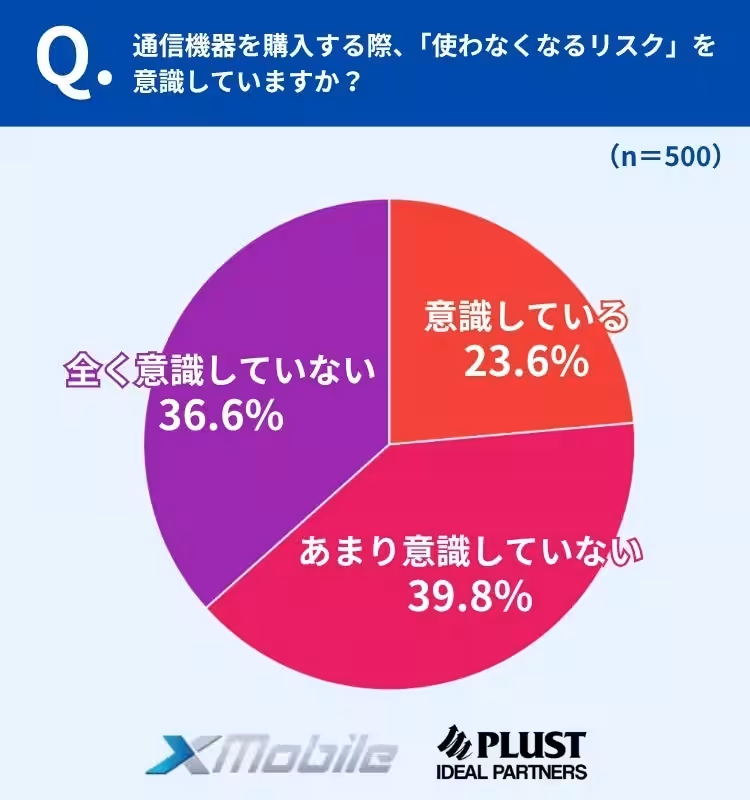
A staggering 76.4% of participants admitted they did not adequately consider the risk of non-use when making purchases. This points to a common assumption: that once a device is acquired, continued usage is a foregone conclusion. This mindset, combined with a consumer landscape dominated by aggressive marketing and frequent product releases, can diminish a buyer's critical evaluation of necessity versus desire.
5. The Emergence of Rental Options
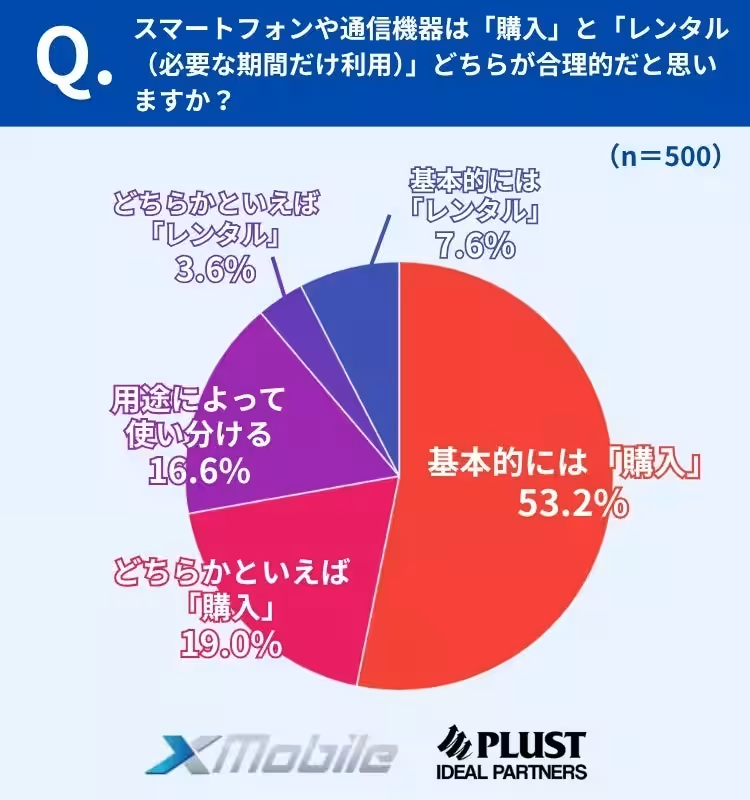
While purchasing remains the predominant choice (53.2% considering it the primary method), the interest in rentals is gradually increasing. With 16.6% of respondents expressing a desire to utilize devices based on need, the trend suggests a shift towards more adaptive consumption models. Rental options can provide flexibility in usage and reduce long-term financial commitments.
6. Cost and Assurance as Buying Motivations
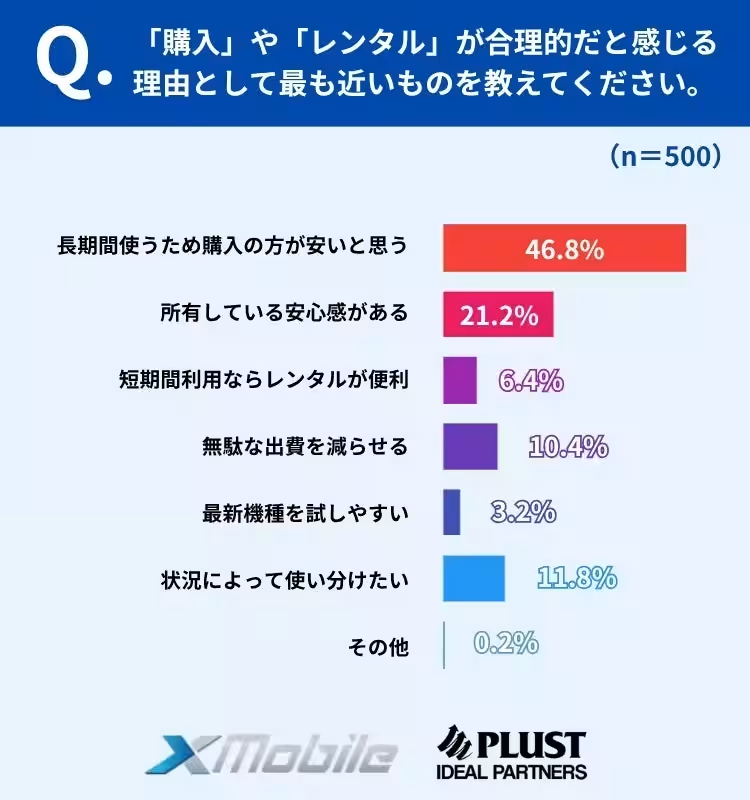
For many, the rationale for purchasing over renting stems from a belief that buying is more economical over time (46.8%) and the psychological comfort of owning a device (21.2%). Even so, some respondents recognized the advantages of renting for temporary needs, which prompts a reevaluation of purchasing paradigms.
Conclusion: From Ownership to Optimal Usage
The survey results reveal a dual narrative: While purchasing devices remains the norm, a notable portion of consumers are encumbered by unused gadgets. The primary reason centers on underestimating actual usage. As technology advances, the allure of new products can overshadow practical utility. Furthermore, with recent trends indicating a rise in flexible rental models, the conversation around how we acquire and utilize communication devices is shifting. It is essential for consumers to evaluate not just the device's capabilities, but also how it integrates into their daily lives. As lifestyles evolve, so too should our approach to technology—transitioning from ownership to strategizing optimal usage aligns with a more sustainable choice in the long run.
Topics Consumer Technology)
【About Using Articles】
You can freely use the title and article content by linking to the page where the article is posted.
※ Images cannot be used.
【About Links】
Links are free to use.