



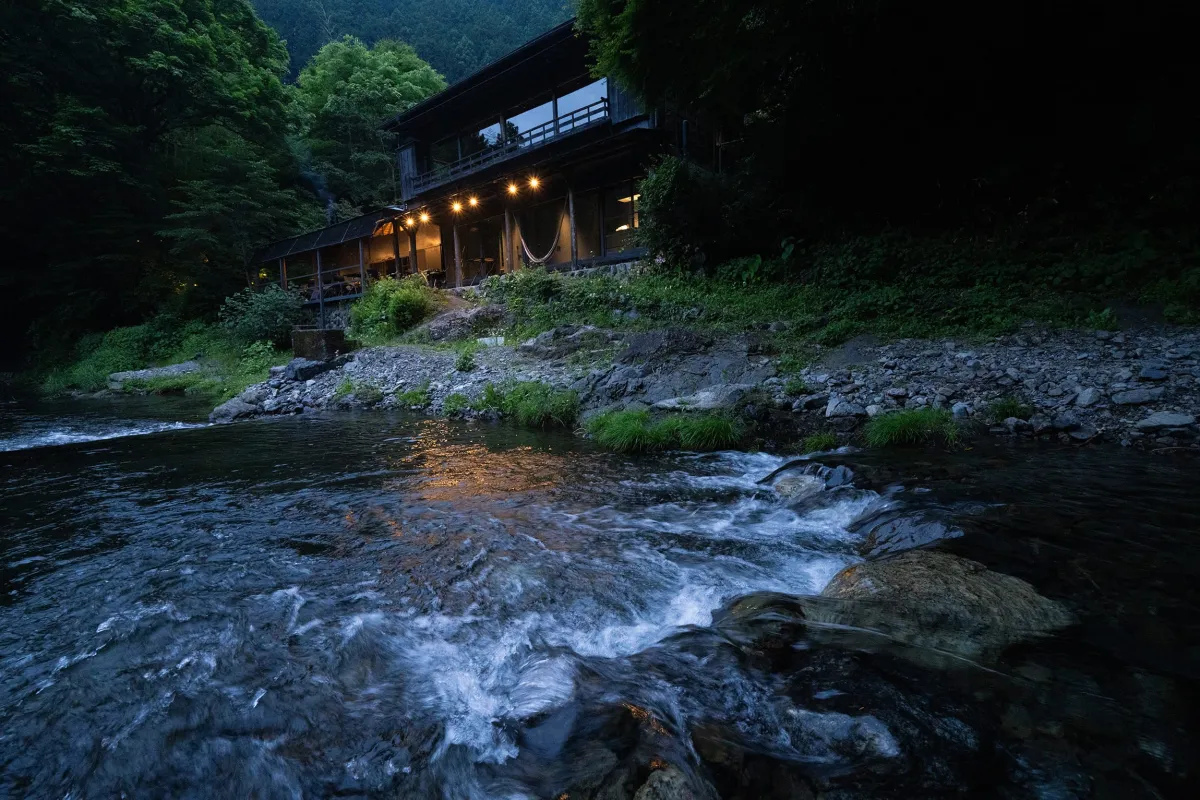
Zen Sauna Retreat in Okutama Proves High Profitability in Just One Month
The Success of Zen Sauna Retreat in Okutama
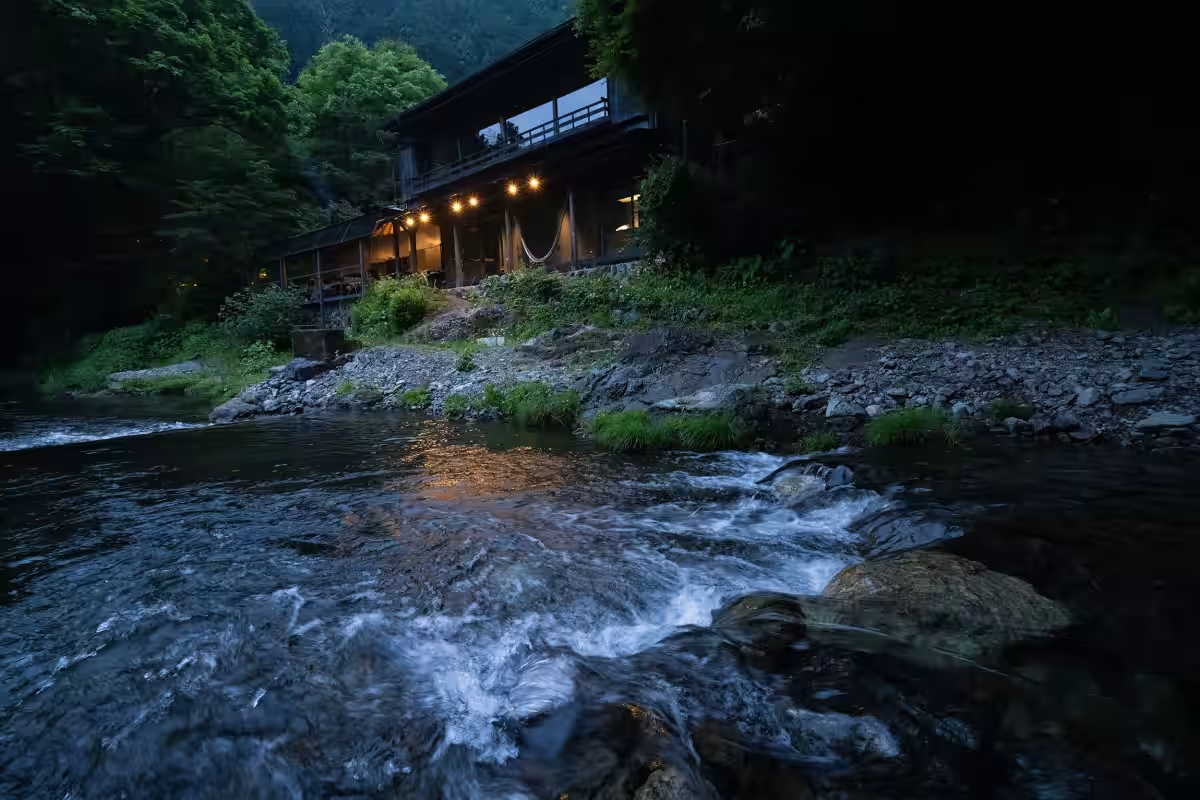
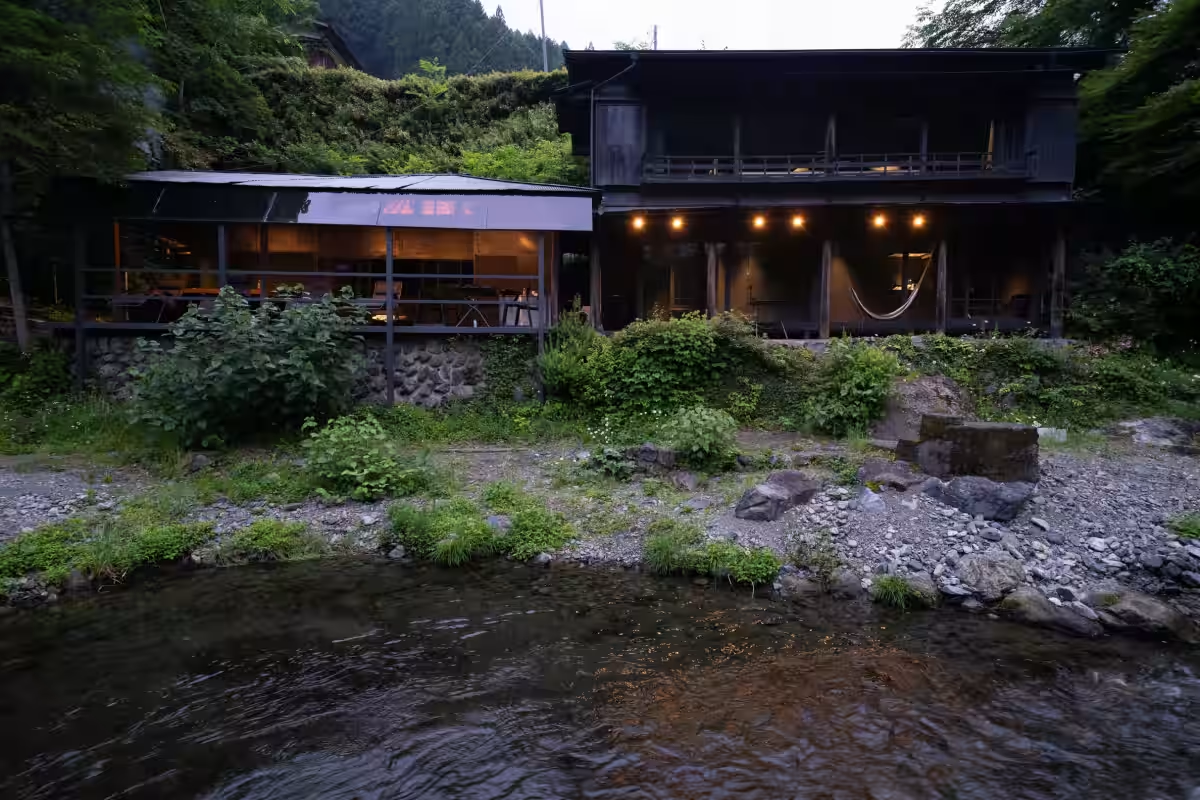
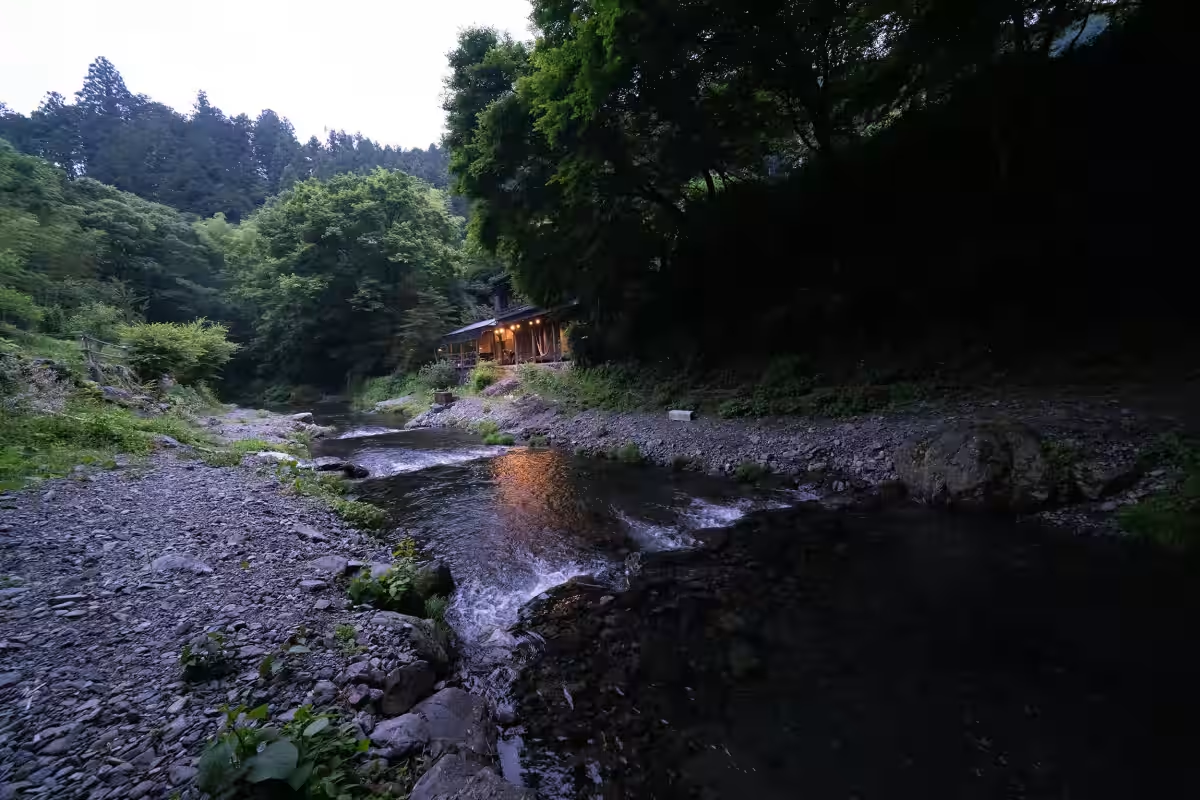
In the heart of Okutama, Tokyo, a newly launched Zen Sauna Retreat has made waves in the region's tourism landscape. Operated by SaunaIN Co., Ltd., this retreat has demonstrated remarkable profitability in a mere month since its opening, raking in over 3 million yen in total reservations. This achievement is rooted in a carefully crafted business model that not only ensures high occupancy but also attracts repeat customers, positioning the retreat as a premier getaway in an area traditionally dependent on hot springs and natural attractions.
The Business Model: High Returns with a Low Initial Investment
The retreat operates on a unique business model offering various ownership options, allowing investors to choose between owner-operated management, management contracts, or master leases, ensuring flexibility and ease of operation. With an initial investment of approximately 22 million yen, the projected annual income stands at around 8.5 million yen, translating to an impressive return on investment of about 38% — even without subsidies. This sustainable model not only aids local revitalization but also encourages systematic growth in rural tourism, poised to recover initial outlays within three years.
Key Features of the Zen Sauna Retreat
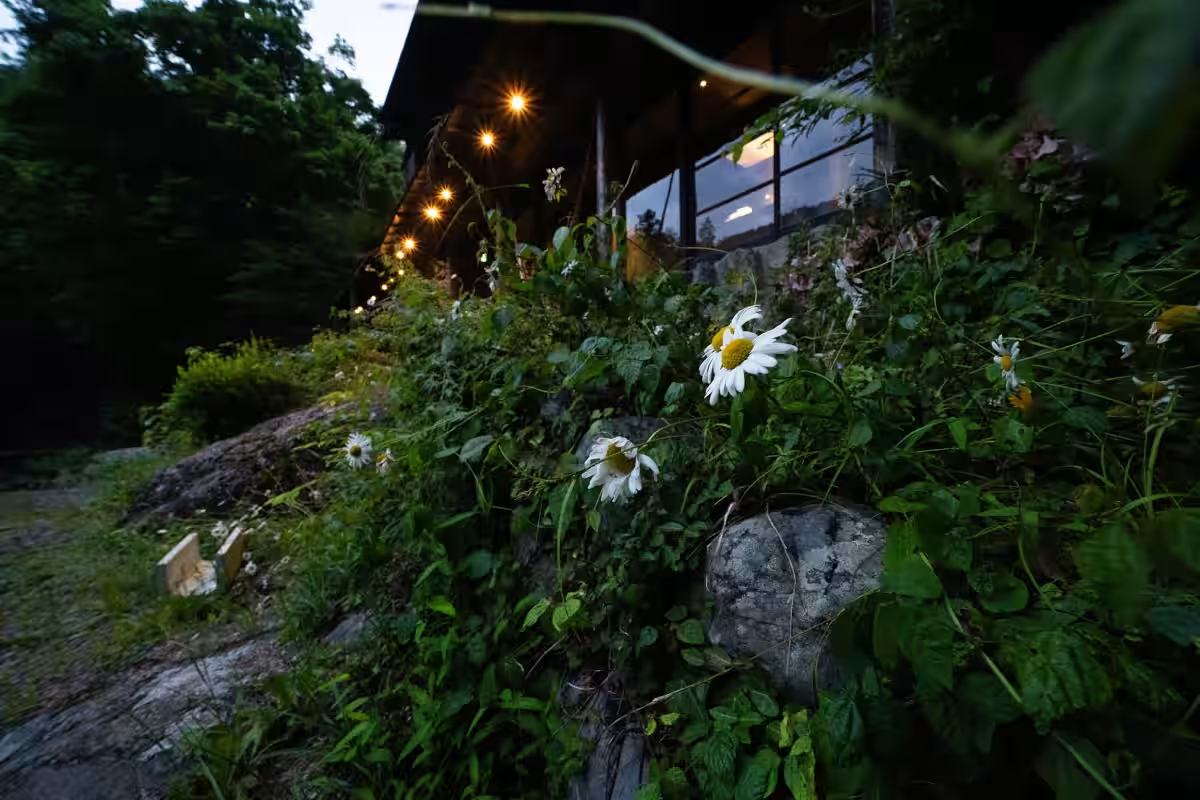
- - Exclusive Cabin Rental: Guests enjoy an entire cabin devoted to a maximum of 7 individuals at a time, featuring nightly rates between 50,000 to 200,000 yen.
- - Successful Reservations: In the first month, the retreat accumulated over 3 million yen in bookings, showing a strong operational performance in line with its pricing strategies.
- - Revenue Model: Estimated monthly revenues of approximately 1.8 million yen are projected based on a 70% occupancy rate and standard pricing.
Creating a New Destination Through Zen Principles
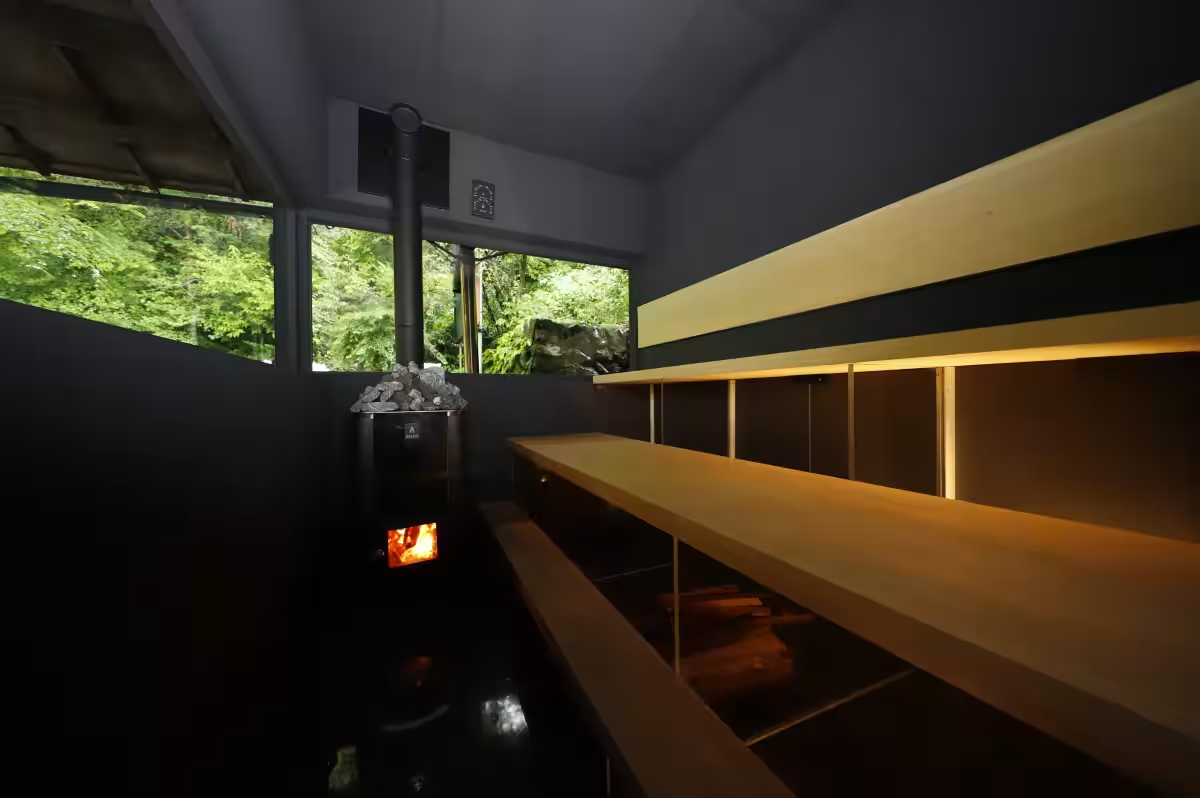
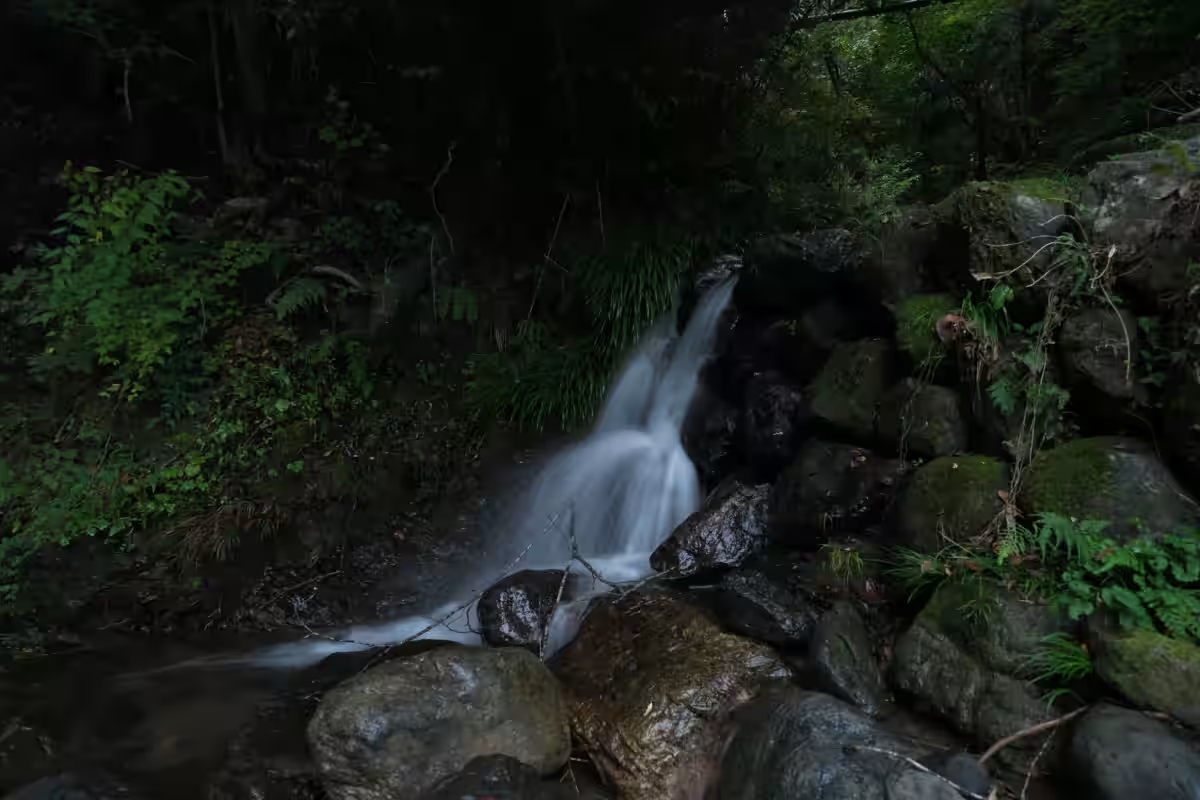
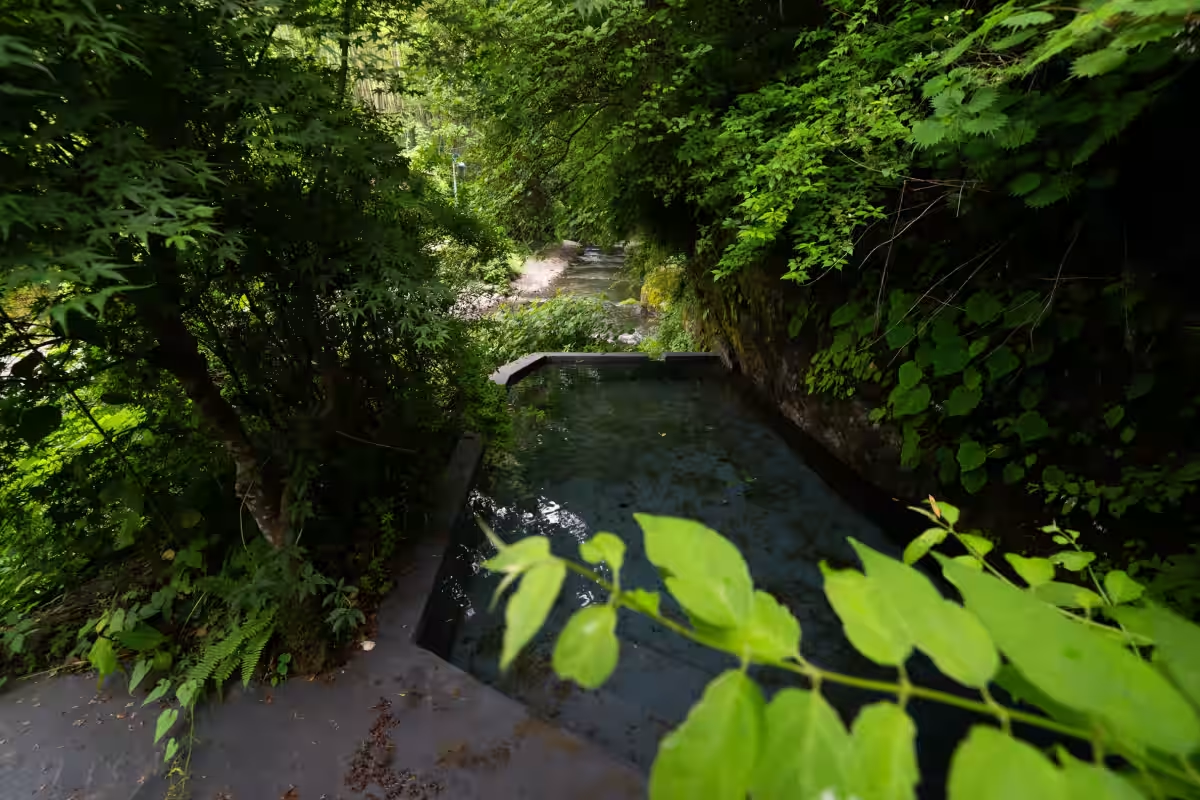
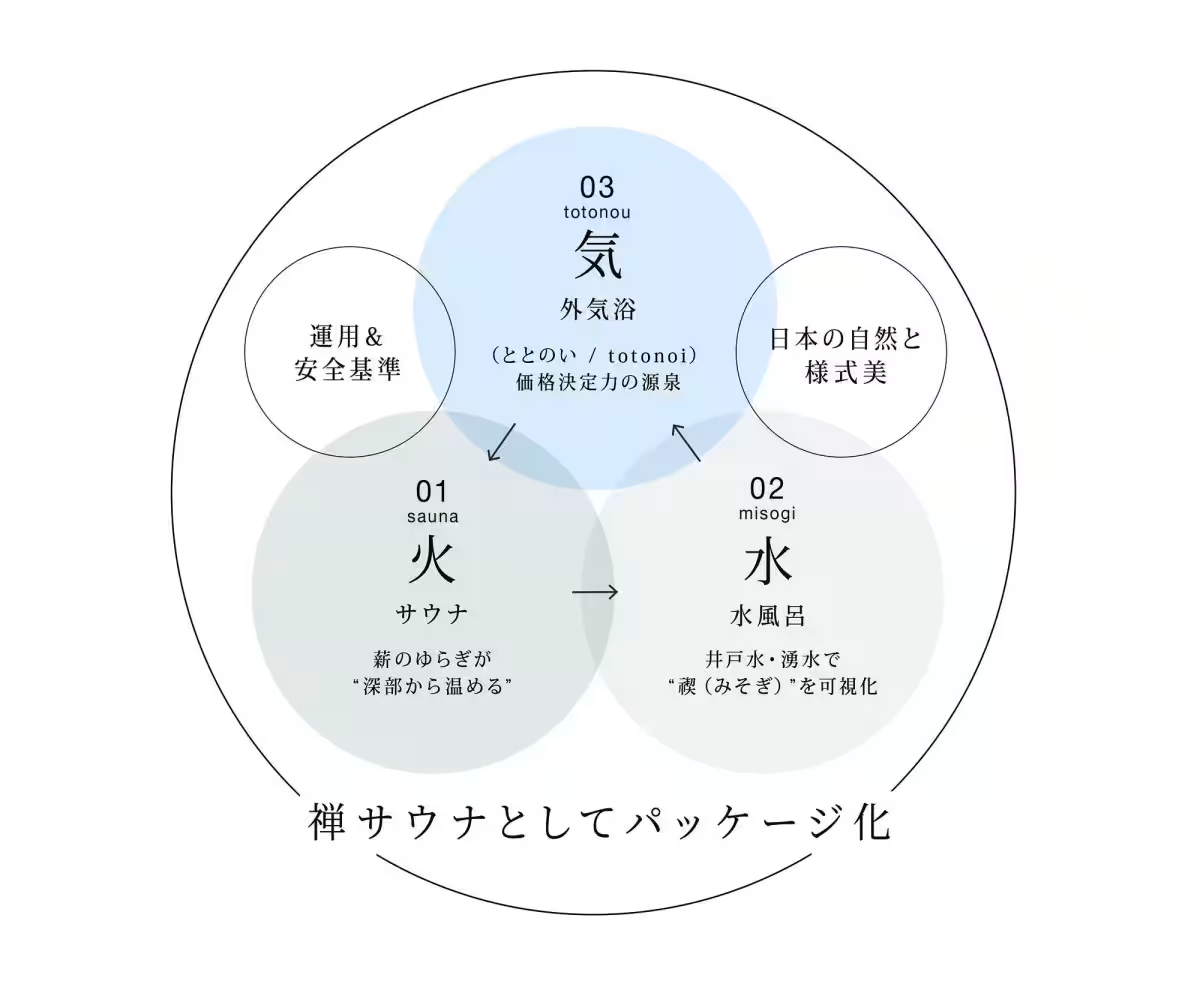
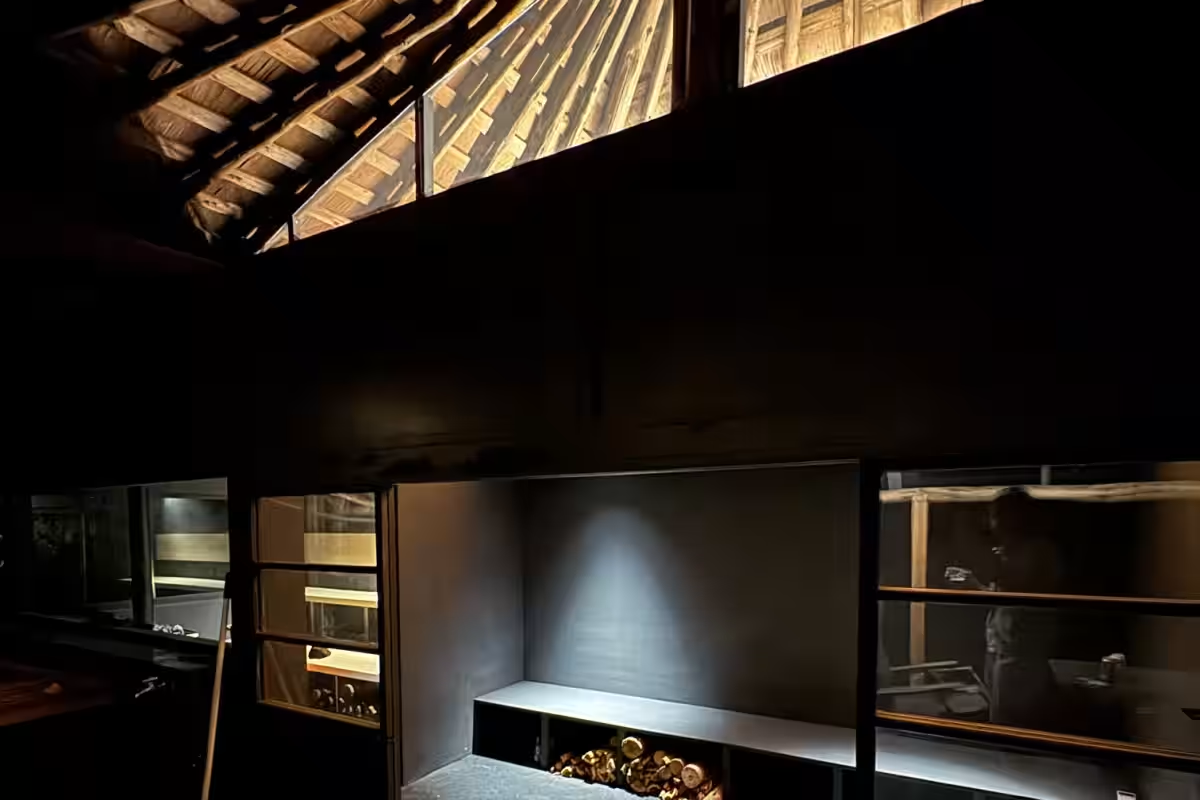
Historically, rural tourism in Japan has heavily relied on hot spring resources, often leaving regions without these attractions at a disadvantage. To combat this, SaunaIN developed the Zen Sauna Retreat, integrating elements of fire, water, and air—principles central to Zen practice—into a comprehensive relaxation and introspection experience. The retreat employs a triad regimen of wood-fired saunas, natural freshwater baths, and outdoor relaxation to facilitate deep meditation and awakening.
Innovative Approach to Wellness
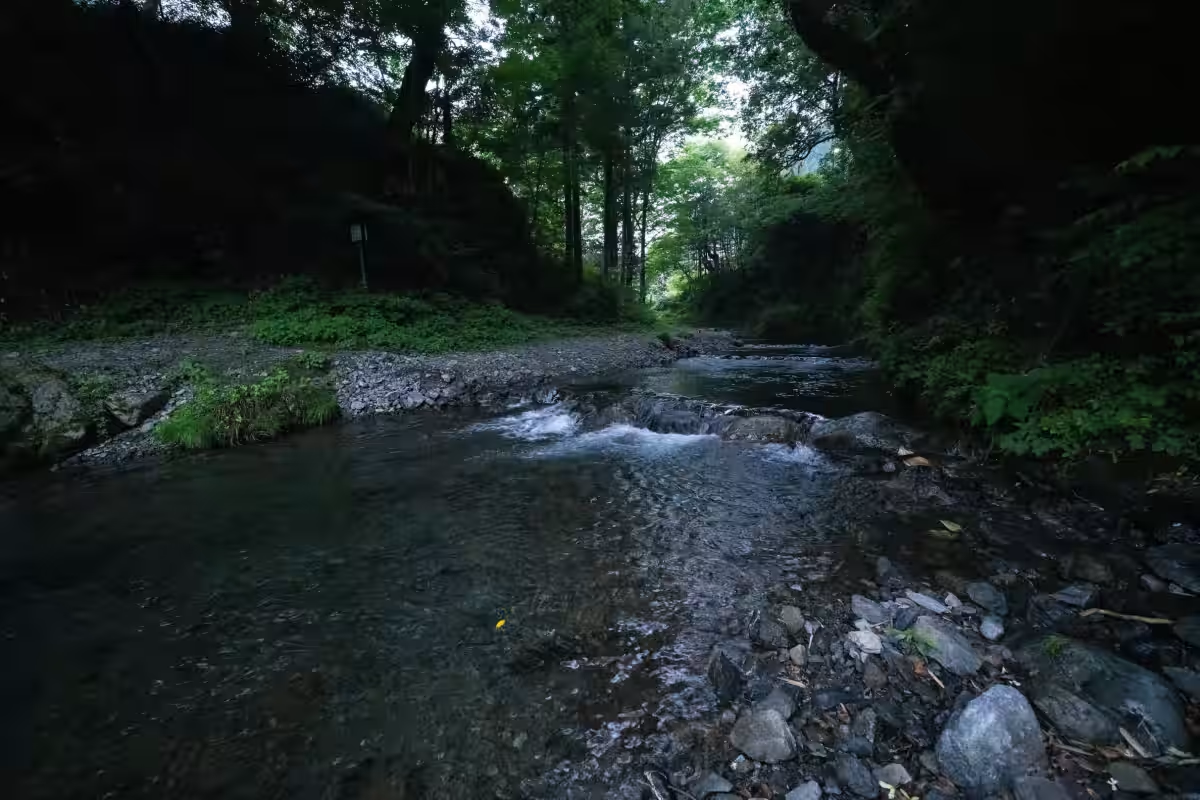
The Zen sauna experience embodies the Japanese philosophy of transitioning through heat, cold, and rest to achieve a state of balance and clarity, termed “totonoi.” The use of meticulously sourced spring water ensures a premium experience that elevates the value perception of the stay, even at higher costs. The retreat’s design also incorporates the aesthetics of shadow and light, engaging with the beautiful seasonal landscapes of rivers, mountains, and oceans to create an immersive experience for guests.
The Mechanisms Driving High Profitability
1. Flexible Operating Forms: The establishment offers diverse operational choices—whether it's owner-operated, management contracts, or master leases—making it adaptable to various preferences and risk tolerances of stakeholders.
2. Initial Investment Reduction: Through effective use of government subsidies aimed at boosting the local economy and enhancing tourism, the initial investment is reduced by 30-50%, making it an attractive venture even for first-time investors.
3. Holistic Experience Focused on Water: The centerpiece of guest experience is water, structured around a model that dynamically switches between hot and cold, producing profound physiological and psychological effects that encourage guests to return despite premium pricing.
Leading by Example
The success of the Zen Sauna Retreat showcases that investing in wellness-oriented rural experiences can be both lucrative and sustainable. It not only rejuvenates the local economy but also fosters community engagement, significantly benefitting local businesses while creating a hub for wellness tourism that promotes mental and physical well-being.
Future Plans and Community Impact
Looking ahead, SaunaIN intends to expand its model to various locations where pristine nature and water sources are available, aiming to operate 20 facilities by 2026. The ambition is to not only replicate the success achieved in Okutama but to do so in a manner that supports local communities, generates sustainable income, and encourages responsible tourism practices. This initiative is not just about scaling a business; it's about creating a movement towards holistic wellness tourism that respects and enriches its surroundings.
In a world where sustainable tourism is burgeoning, the Zen Sauna Retreat in Okutama stands as a promising model of what the future may hold. With continued commitment to excellence, cooperation with local entities, and a focus on environmental wellbeing, SaunaIN is not just breathing new life into rural Japan; it’s shaping the future of retreat experiences in the nation.


Topics Travel)


【About Using Articles】
You can freely use the title and article content by linking to the page where the article is posted.
※ Images cannot be used.
【About Links】
Links are free to use.