



Ransomware Attacks Surge Amid Rising Cyber Threats in August 2026
Overview of Cyber Threats in August 2026
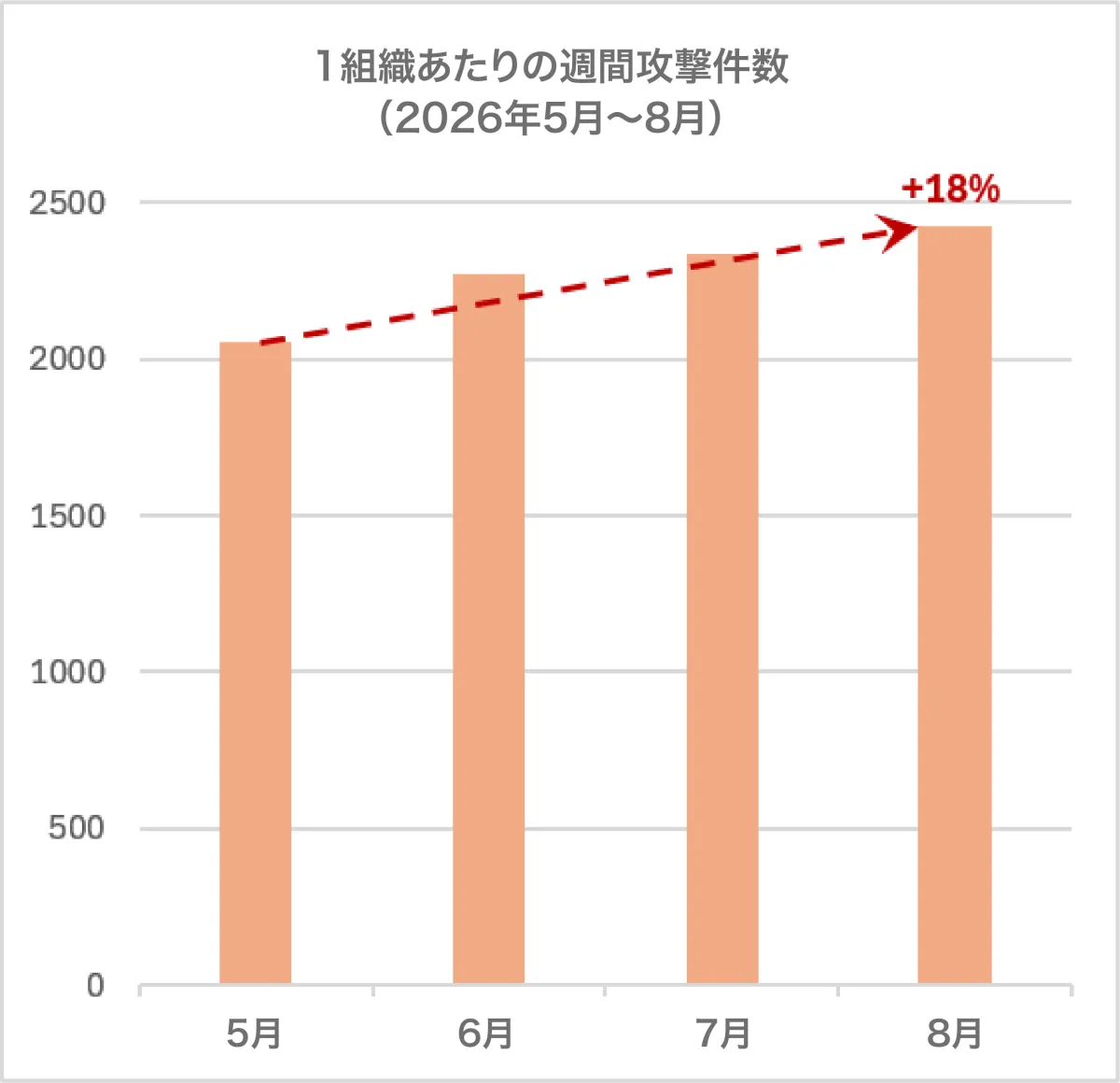
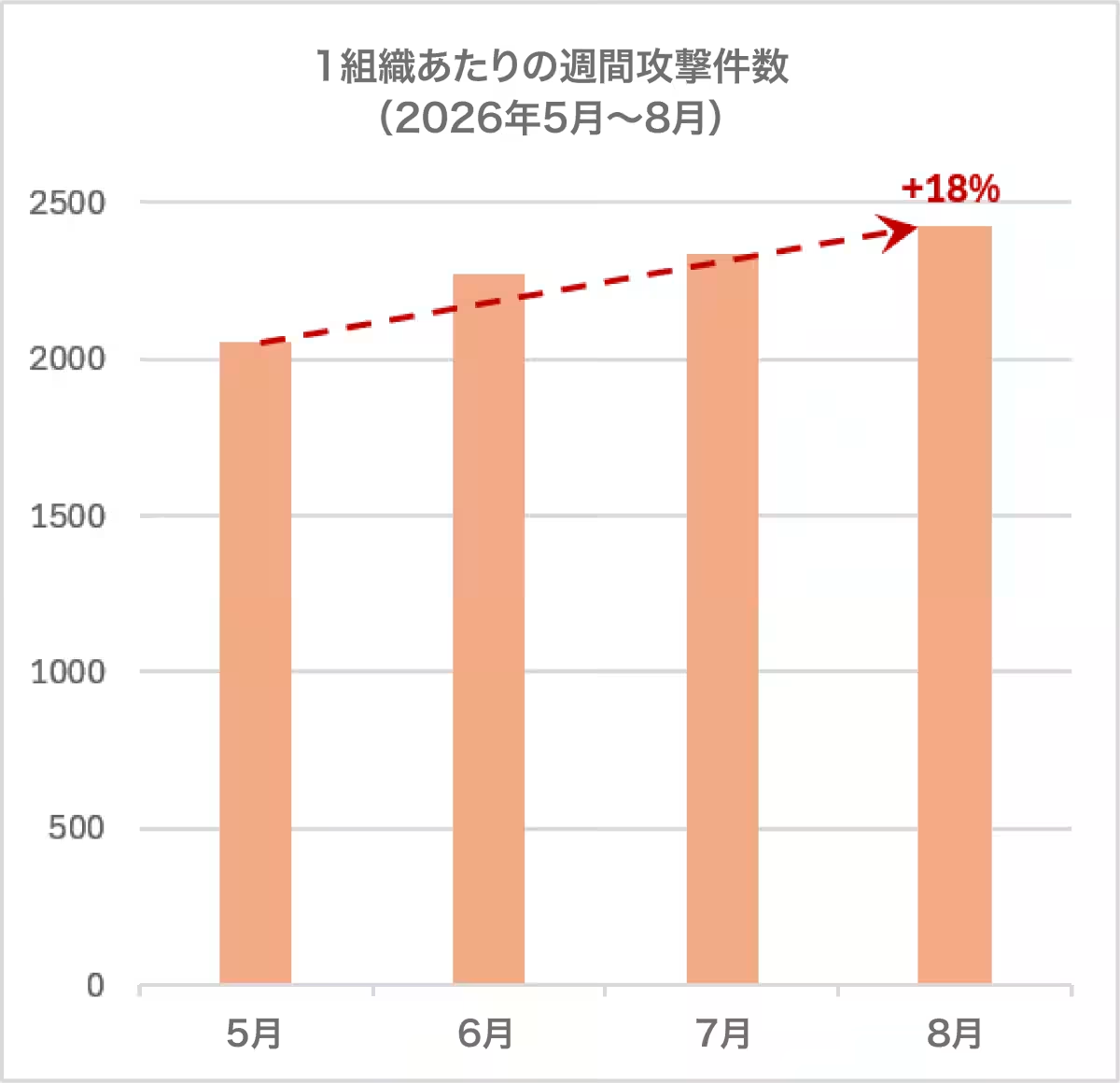
In a recent report by Check Point Research (CPR), a leader in cybersecurity solutions, the landscape of global cyber threats revealed alarming trends as of August 2026. Organizations worldwide experienced an average of 2,422 cyber attacks per week, representing a 4% increase from the previous month and a staggering 22% increase year-on-year. This data underscores a persistent rise in cyber risks, with ransomware, phishing, and data leakage associated with generative AI posing major security concerns for businesses.
In Japan, the scenario mirrors the global trend with an average of 1,907 cyber attacks per organization per week, marking an impressive 35% increase compared to the previous year. These statistics can no longer be ignored, presenting a strong case for organizations to adopt a cohesive security strategy that provides consistent visibility and control across various digital environments, including users, email, networks, and cloud services.
Omer Dembinsky, Data Research Manager at CPR, noted, "The August data indicates a simultaneous expansion of cyber risk across multiple domains. The continuous surge in attack numbers, the escalation of ransomware incidents, and the omnipresent threat of phishing highlight the imperative need for security teams to transition from fragmented, decentralized defenses to a unified strategy. Prioritizing security measures that encompass network, cloud, and endpoint protection is essential for preventing disruptions to operations and breaches of sensitive information."
Increased Targets and Attack Patterns
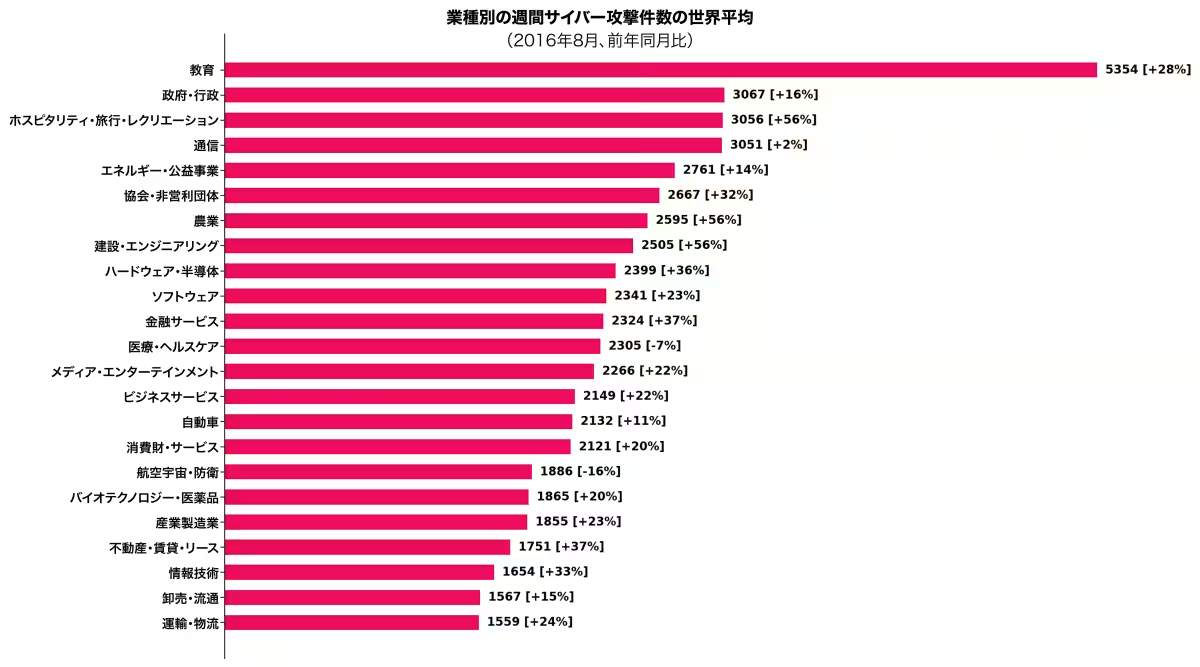
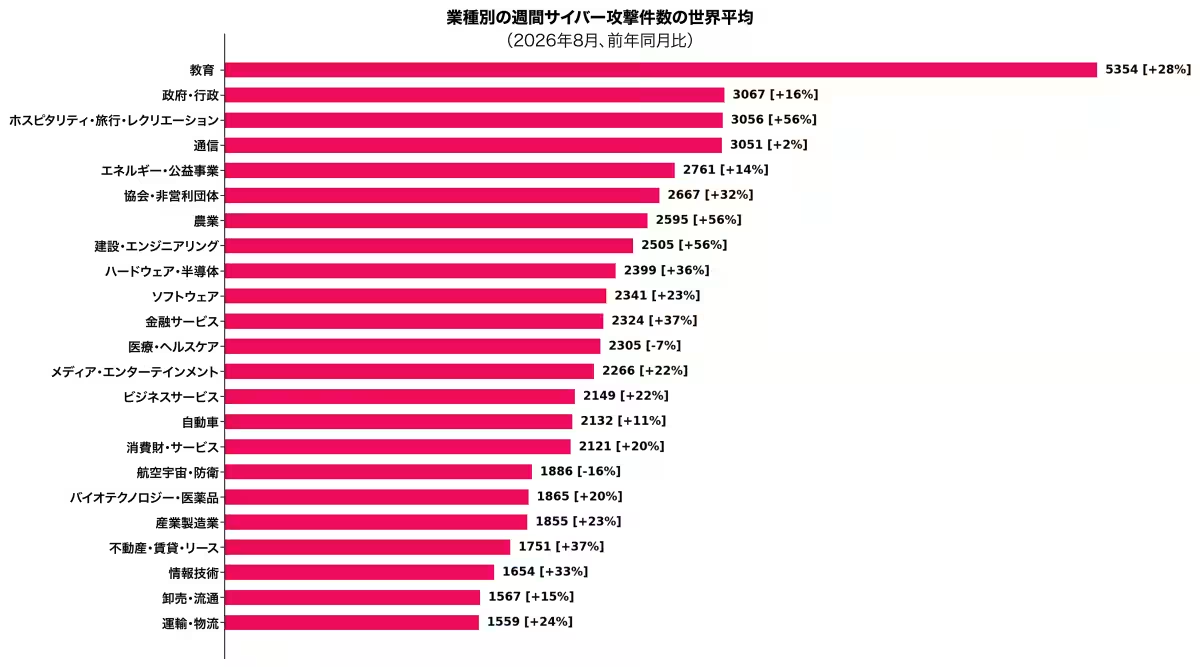
In August 2026, the education and research sector remained the most targeted industry globally, suffering an average of 5,354 attacks per organization each week—an increase of 28% from last year. The government and military sector followed closely behind with an average of 3,067 attacks. The hospitality and travel industries experienced a significant spike in attacks with 3,056 incidents weekly, marking a dramatic rise of 56% compared to the previous year.
This trend illustrates attackers' focus on environments with extensive user bases, multiple access points, and valuable data pools. Notably, disruptions from such attacks could immediately impact operations in these industries, necessitating robust preventive measures.
Regional Attack Trends
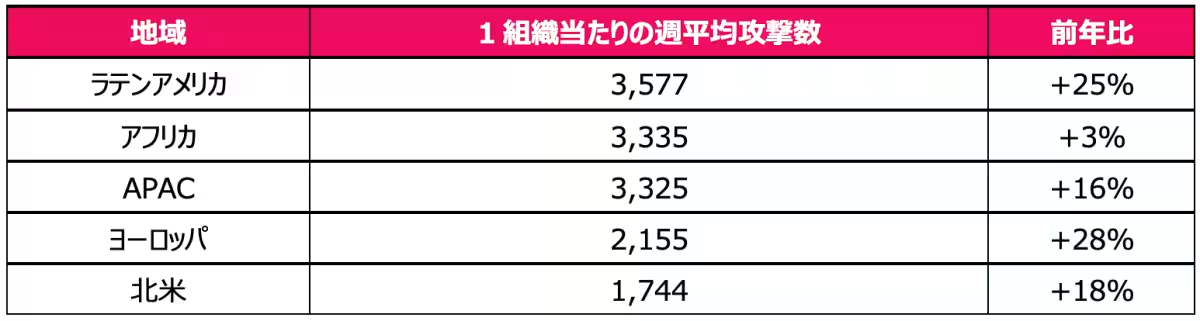
When examining regional attack statistics, Latin America stood out as the region most affected with 3,577 weekly attacks per organization (a 25% year-on-year increase). Africa and the Asia-Pacific (APAC) regions followed with averages of 3,335 and 3,325 attacks, respectively. Europe exhibited the fastest growth rate with a notable increase of 28% from last year, indicating that cyber threats are not confined to traditionally targeted areas but are proliferating within the complex, interconnected landscapes of mature digital economies.
Generative AI and Security Challenges
With the accelerated integration of generative AI in business environments, the risk of confidential data leakage has intensified. Despite a recent downturn in the percentage of high-risk generative AI prompts, overall AI utilization remains on the rise, with an average user generating 106 prompts monthly. This incongruous situation highlights the emerging risk where confidential data is inputted into AI tools without adequate governance, particularly as many organizations struggle to maintain oversight over data shared through these platforms.
In August 2026, significant findings were observed:
- - 1 in 43 AI prompts submitted by companies carried a risk of leaking confidential data.
- - 86% of organizations regularly utilizing generative AI might face such risks.
- - On average, each organization employed 7 different generative AI tools.
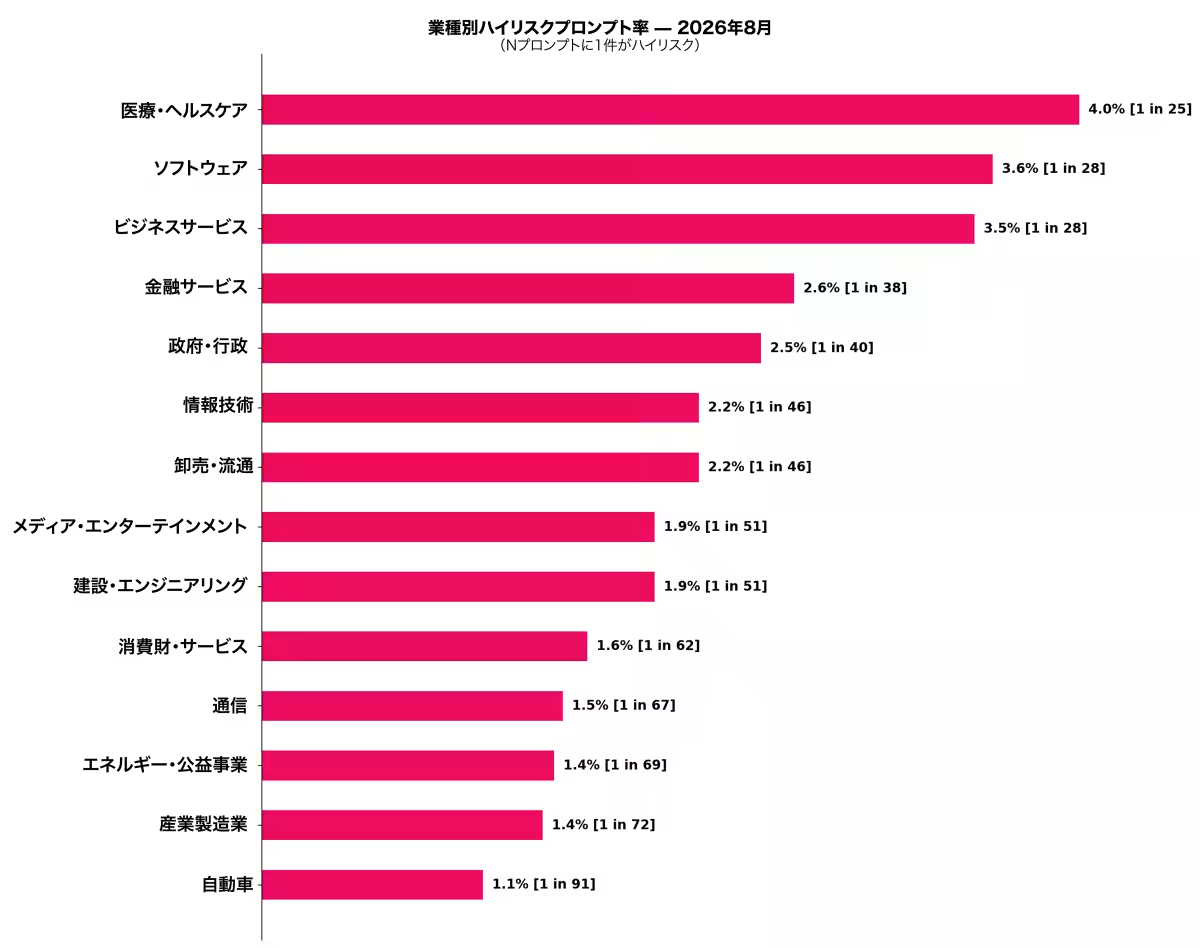
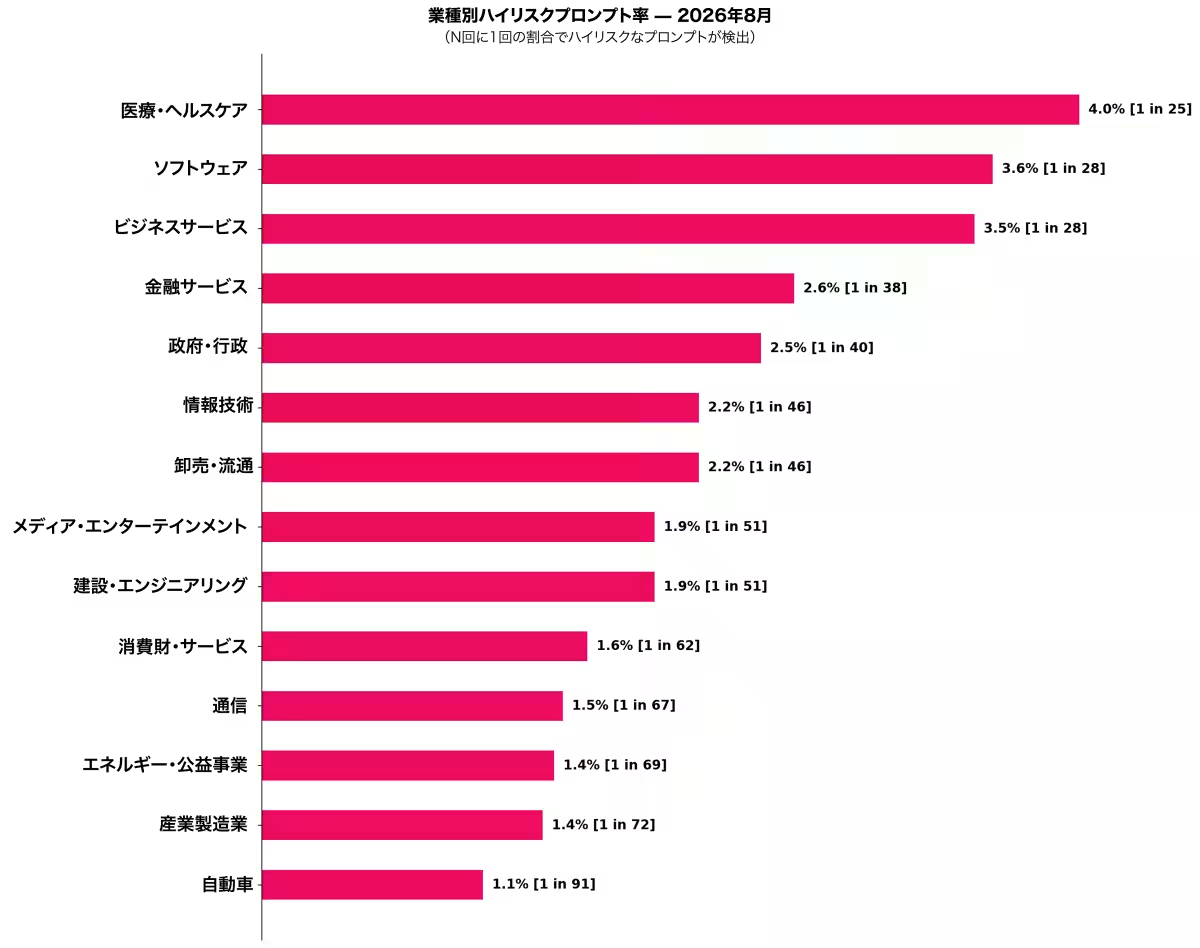
- - High-risk generative AI prompts were reported at 4% in the healthcare sector, 3.6% in software, and 3.5% in business services.
Regions also reported varying levels of risk, with Latin America leading at 3.5%, surpassing the global average of 2.3%.
Phishing Attacks and Ransomware Trends
Phishing attacks continue to remain a predominant method for breaches, with email being the primary conduit. The analysis revealed that 1 in every 112 emails (0.89%) contained phishing attempts, an increase from July's rate of 1 in 128. Notably, 72% of phishing emails included malicious links, reinforcing their significance as a primary threat vector.
Industries such as nonprofits exhibited the highest phishing rates at 1.87%, followed closely by construction and engineering at 1.74%, indicating that sectors with frequent external communications and dependencies on partners face heightened risks.
Moreover, ransomware activity has sharply intensified with reported cases hitting 1,042, marking an 8% increase from July and nearly doubling compared to August 2025. The business services sector bore the brunt of these attacks, suffering 36% of total reported incidents, followed by manufacturing at 13% and consumer goods/services at 12%.
The emergence of various ransomware groups is particularly noteworthy; Qilin led the attack charts in August, executing 15% of attacks, with The Gentlemen and Orova following suit. The shifting dynamics within ransomware groups illustrate the fluidity of the threat landscape, highlighting the need for organizations to adopt proactive prevention strategies.
With evolving cyber threat trends, there’s a growing need for a unified security approach that balances operational complexity while enabling teams to effectively identify and thwart threats across an increasingly decentralized digital environment. For further insights on cyber threat trends in August 2026, visit the Check Point Research Blog.
Topics Other)







【About Using Articles】
You can freely use the title and article content by linking to the page where the article is posted.
※ Images cannot be used.
【About Links】
Links are free to use.