



The Hidden Connection Between Work Stress and Skin Issues: New Research Insights
The Hidden Connection Between Work Stress and Skin Issues
As we transition into the new fiscal year, many individuals face increased levels of stress, particularly those embarking on new careers or redefining their professional roles. A recent survey conducted by the Icy Clinic sheds light on the direct correlation between work-related stress and skin conditions, emphasizing the psychological impacts that often go unrecognized.
Key Findings from the Study
The study, which surveyed 300 new employees and job changers aged 20 to 40 throughout April, revealed some striking statistics:
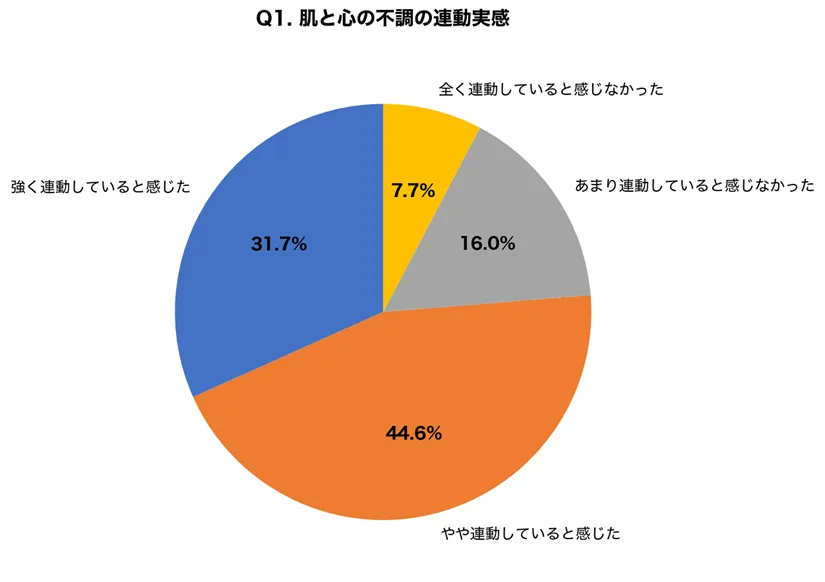
- - 76.3% of respondents felt that mental health issues were linked to their skin's condition.
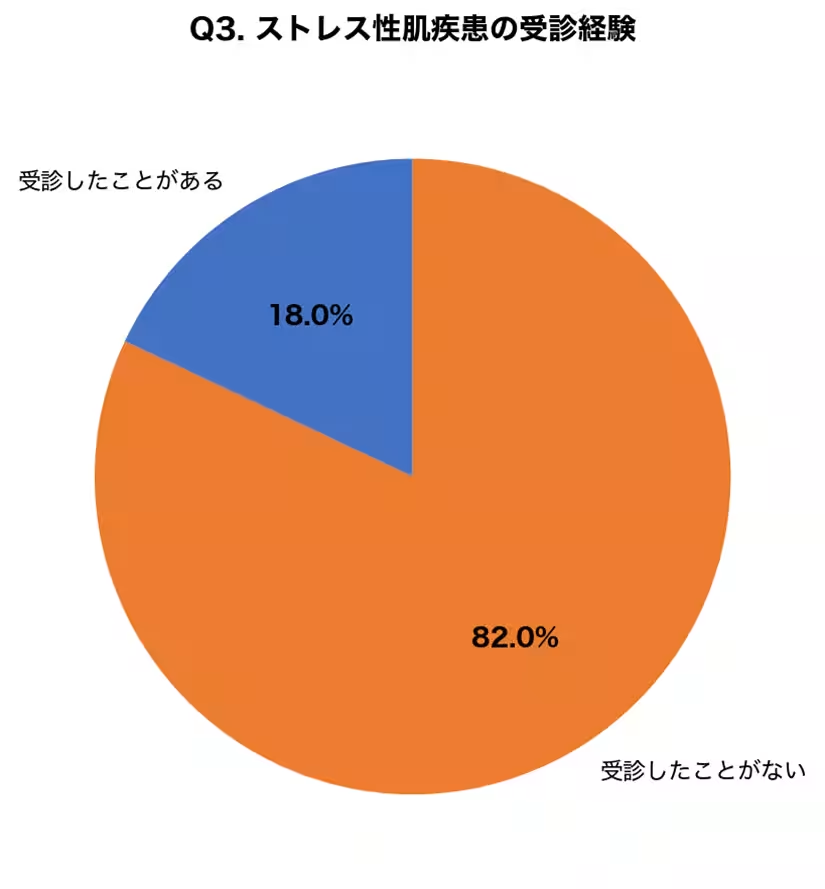
- - Alarmingly, 82.0% had never consulted a doctor regarding stress-related skin ailments.
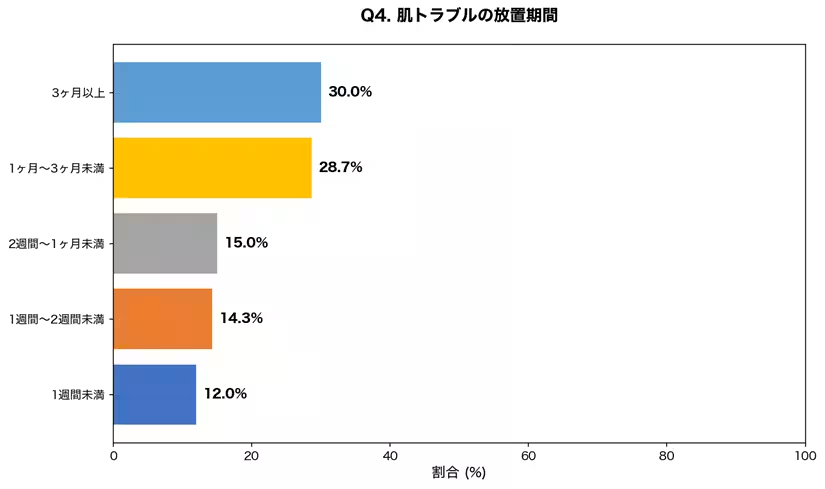
- - Additionally, 58.7% reported leaving their skin issues untreated for over a month.
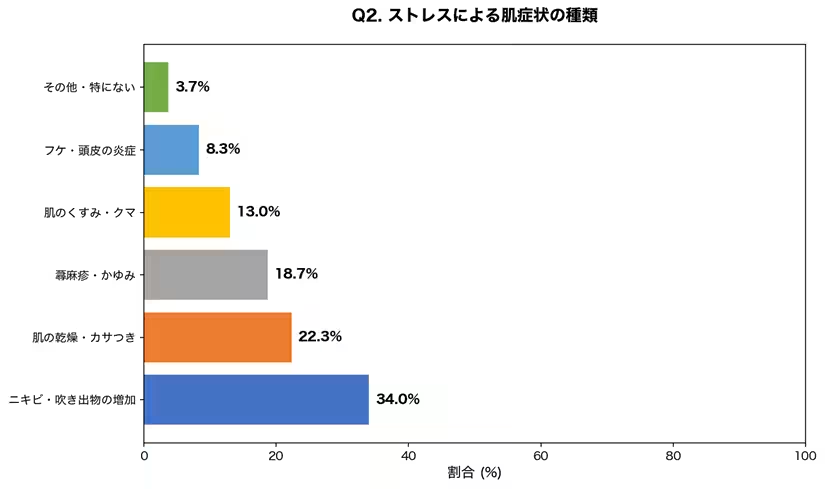
These findings point to a significant gap in awareness and action around the impact of stress on dermatological health, which can lead to various conditions such as acne, eczema, and urticaria (hives).
Understanding the Brain-Skin Connection
The phenomenon referred to as the Brain-Skin Axis illuminates how closely connected our mental state is to our skin’s health. When under stress, the brain releases stress hormones, including cortisol, which can lead to skin barrier dysfunction, inflammation, and increased oil production. This mechanism explains why many individuals experience exacerbated skin conditions during periods of heightened stress.
Common Stress-Induced Skin Conditions
1. Acne: Stress triggers hormonal fluctuations that increase oil production, leading to breakouts.
2. Hives: Sudden, itchy welts can appear due to acute stress responses.
3. Eczema: Flare-ups can be provoked by stress, especially in individuals predisposed to this condition.
4. Seborrheic Dermatitis: Stress can worsen symptoms, leading to redness and flakiness, particularly on the scalp and face.
5. Alopecia Areata: Stress can trigger immune responses that lead to sudden hair loss.
Survey Insights on Treatment and Awareness
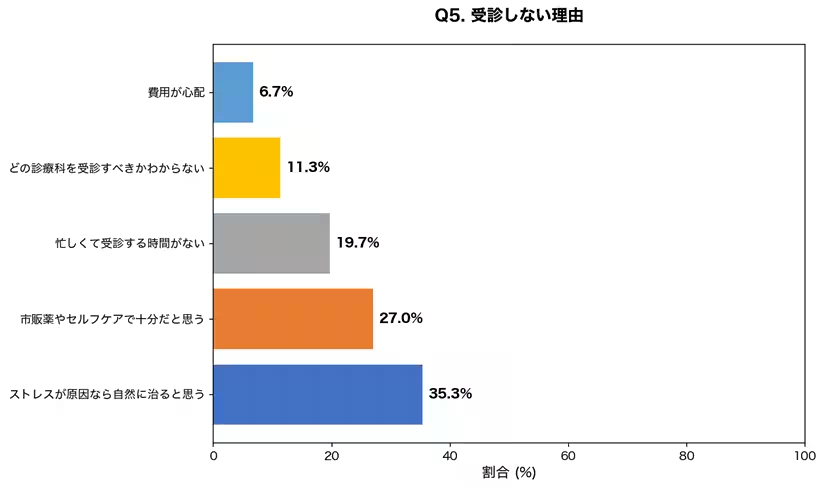
Despite the high rates of stress-related skin conditions, the survey revealed a surprising trend: the majority of respondents have not sought medical help. Many seem to believe their symptoms are not serious enough for consultation, with some mistakenly thinking that skin issues will resolve themselves given time.
The fact that 35.3% chose not to visit a professional because they believed their stress-induced skin issues would naturally heal highlights a critical misunderstanding. In reality, untreated skin conditions can become chronic, necessitating more extensive treatment down the line.
Importance of Early Consultation
The findings underscore the importance of recognizing and acting upon skin health as a potential indicator of overall wellbeing. Dermatology experts recommend seeking help when:
- - Symptoms persist for more than two weeks
- - Over-the-counter medications do not yield improvement
- - Skin issues disrupt daily life or sleep
- - Multiple or recurring symptoms are present
Doctor’s Commentary
Dr. Kouta Takakuwa, a dermatologist with over 15 years of clinical experience, notes that neglecting stress-related skin conditions poses the risk of exacerbation and chronicity. He emphasizes that, while stress management is essential, timely medical intervention is paramount to effectively mitigate these dermatological concerns.
Conclusion
As organizations continue to introduce new roles and responsibilities, it becomes increasingly necessary to address the psychological impacts that accompany such transitions. Encouraging individuals to recognize the link between stress and skin health—and to seek professional advice—could lead to better management of both mental wellbeing and dermatological issues. This proactive approach can help prevent the chronicization of conditions that could be easily managed with the right treatment. Don't let stress take control of your skin; consult a dermatologist for tailored care and strategies that accommodate both your mental and skin health needs.
By understanding the intricate relationship between our mind and body, we can take proactive steps toward solutions that promote both skin health and mental wellbeing.
Topics Health)

【About Using Articles】
You can freely use the title and article content by linking to the page where the article is posted.
※ Images cannot be used.
【About Links】
Links are free to use.