



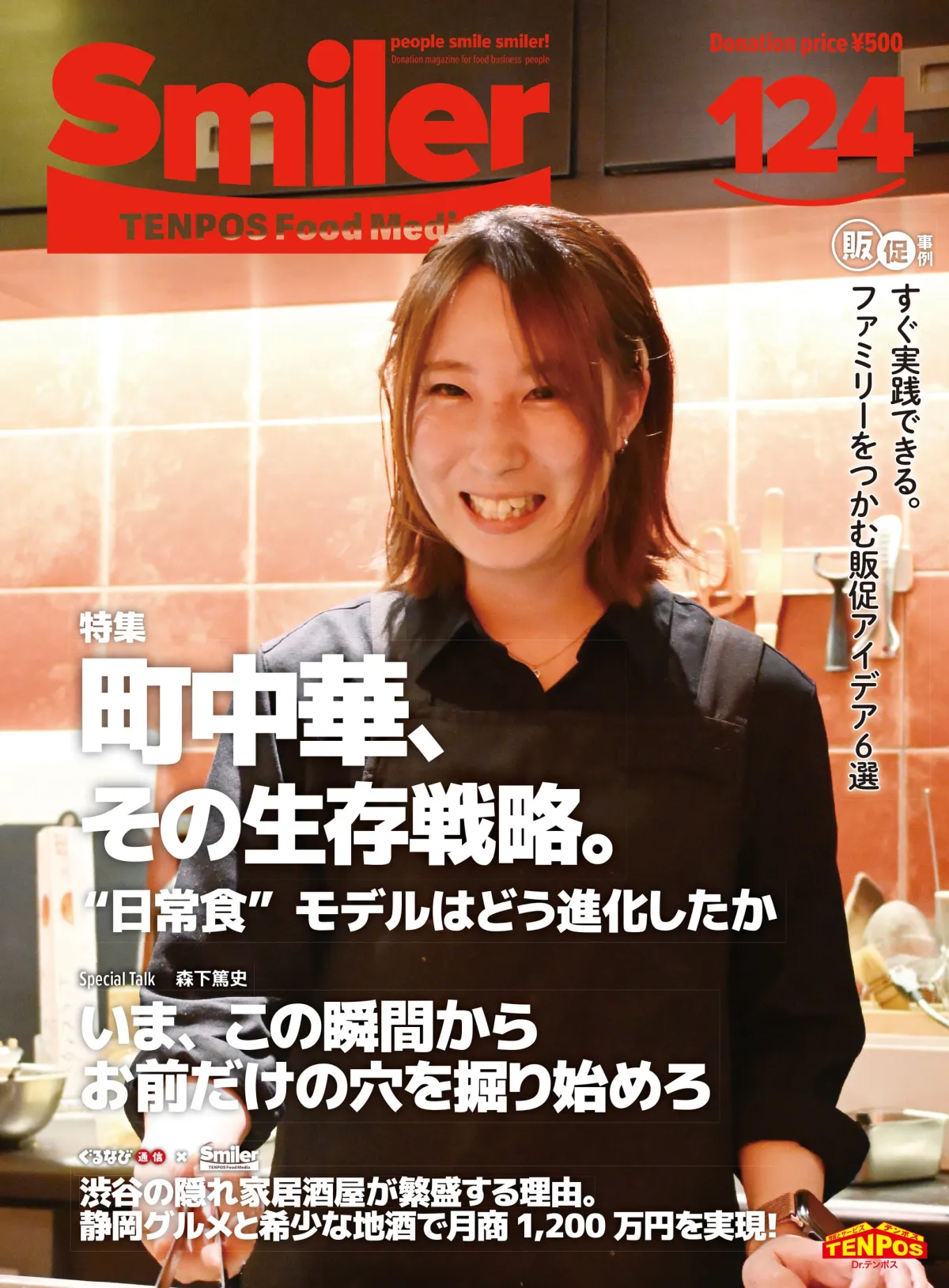
The Evolution of Town Chinese Cuisine: Strategies for Daily Dining in Japan
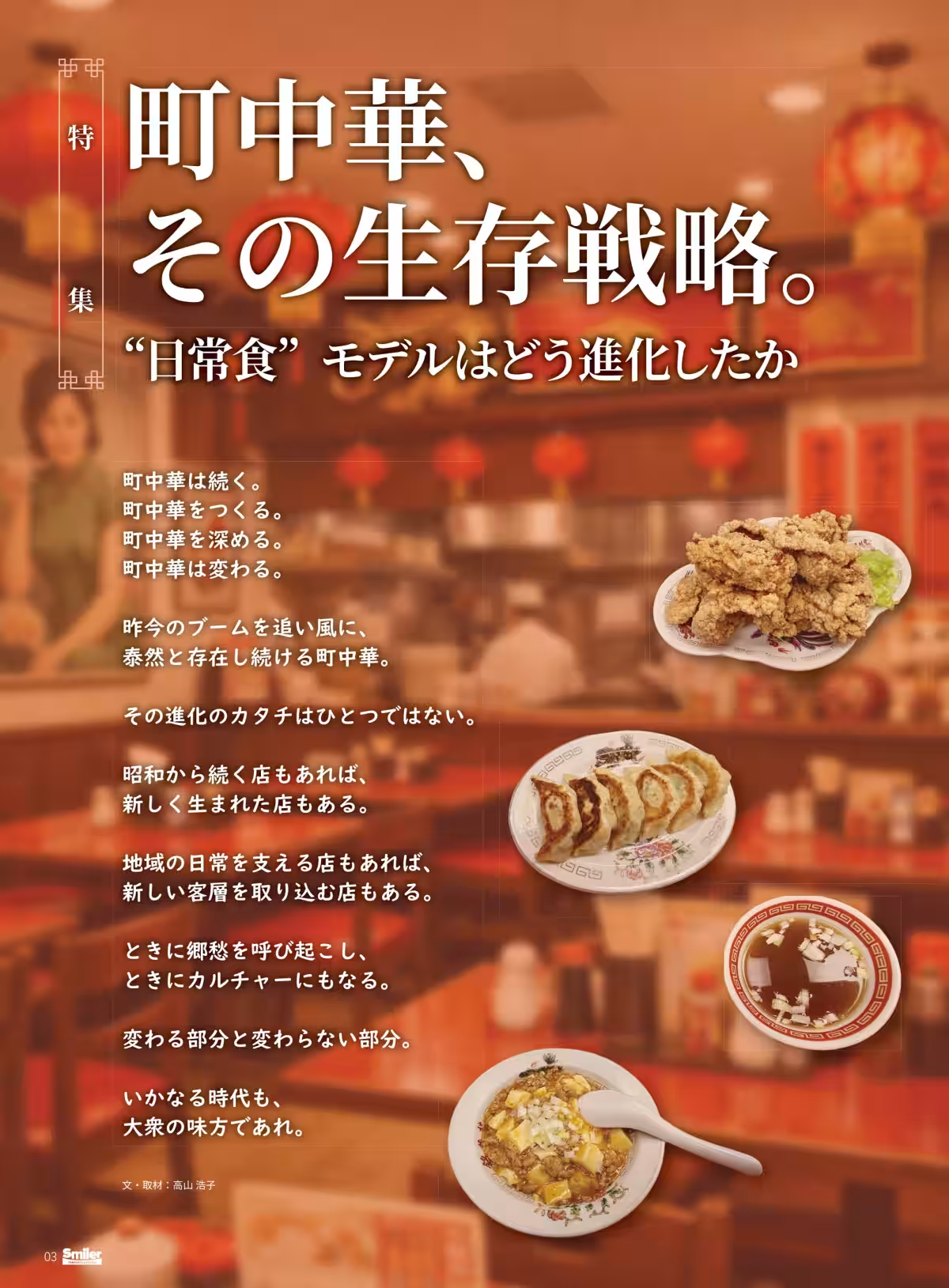
The Evolution of Town Chinese Cuisine
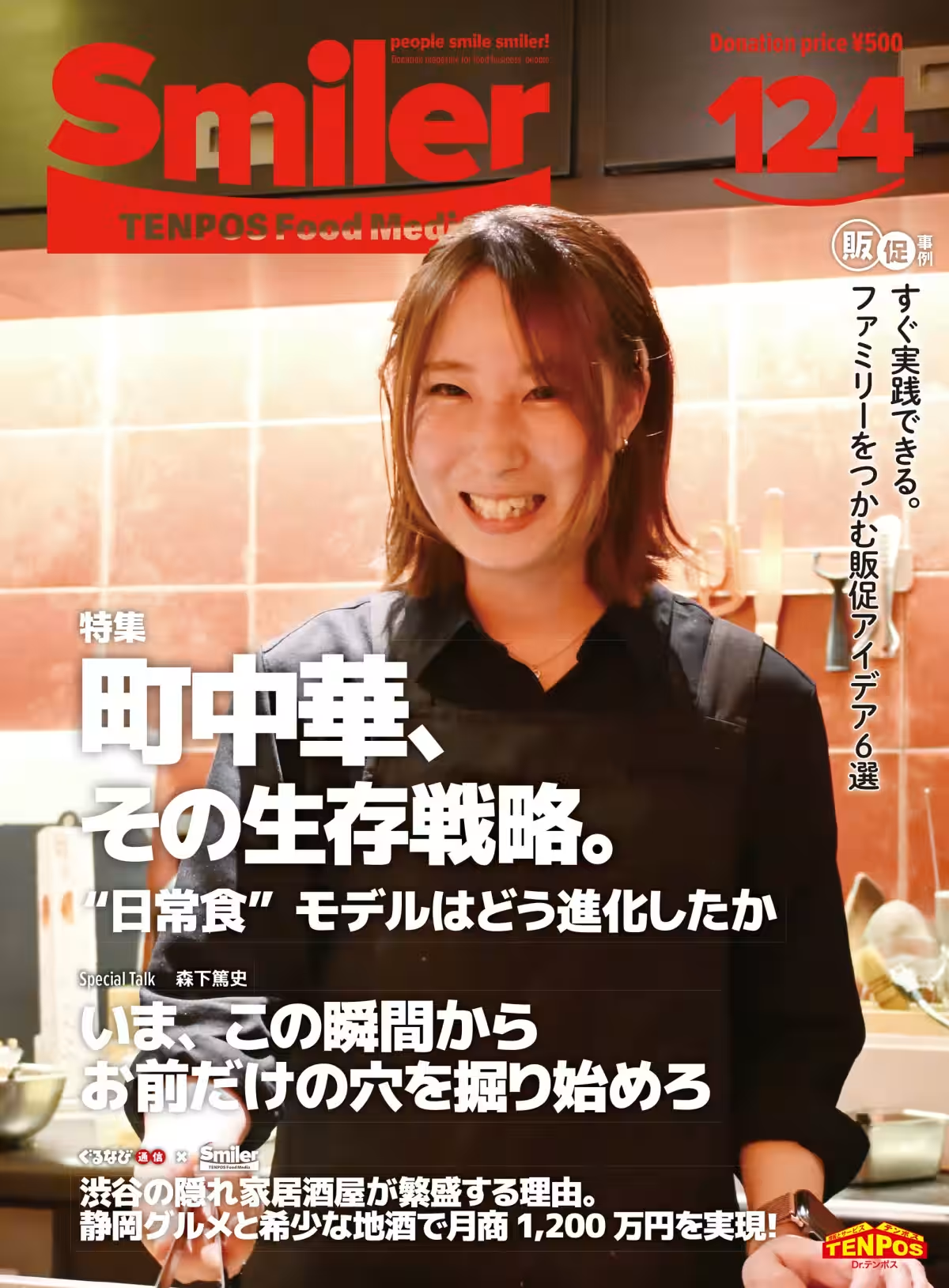
In recent years, Town Chinese eateries in Japan have displayed remarkable resilience and adaptability. As the culinary landscape shifts, these establishments look for innovative ways to thrive while preserving their heritage. The latest issue of the free magazine "Smiler" features a comprehensive exploration of this theme, showcasing how four distinct Town Chinese restaurants are navigating the complexities of modern dining.
A Glimpse into the Focus Restaurants
1. Kinkarou (Tokyo, Shinagawa Ward)
Established in 1931, this longtime Town Chinese restaurant has been serving customers in Togoshi Ginza Shopping Street for 95 years. The key to its sustainability lies in its ownership of the premises, which allows for lower fixed costs, helping maintain competitive prices and generous portion sizes despite rising ingredient costs. However, the business faces challenges with the lack of a successor, alongside a growing clientele of younger customers seeking a vintage dining experience.
2. AM:PM (Yokohama, Kanagawa)
Emerging as a modern Neoclassical Chinese izakaya, AM:PM combines a vibrant neon aesthetic with a casual dining atmosphere. By successfully attracting a younger demographic, the restaurant aims to transition from a one-time visit to becoming a staple for daily dining. Insights into their business adjustments and creative trials highlight the ongoing struggle to retain regular patrons.
3. Chuka Dining & Bar Eikubou (Tokyo, Meguro Ward)
This place, cherished by regulars for the past 25 years, focuses on offering everyday Chinese meals that cater to customer preferences. By adapting its menu to include an enhanced variety of beverages and full-course options, it continues to honor its roots in Town Chinese cuisine while evolving to meet modern demands.
4. Mikahan (Tokyo, Shinagawa Ward)
Launched in 1966, this establishment is now led by a second-generation couple who have embraced a new vision. By blending traditional Town Chinese elements with contemporary influences through events, art collaborations, and innovative dining concepts, they are redefining what Town Chinese can signify in today's culture.
Noteworthy Insights from Atsushi Morishita
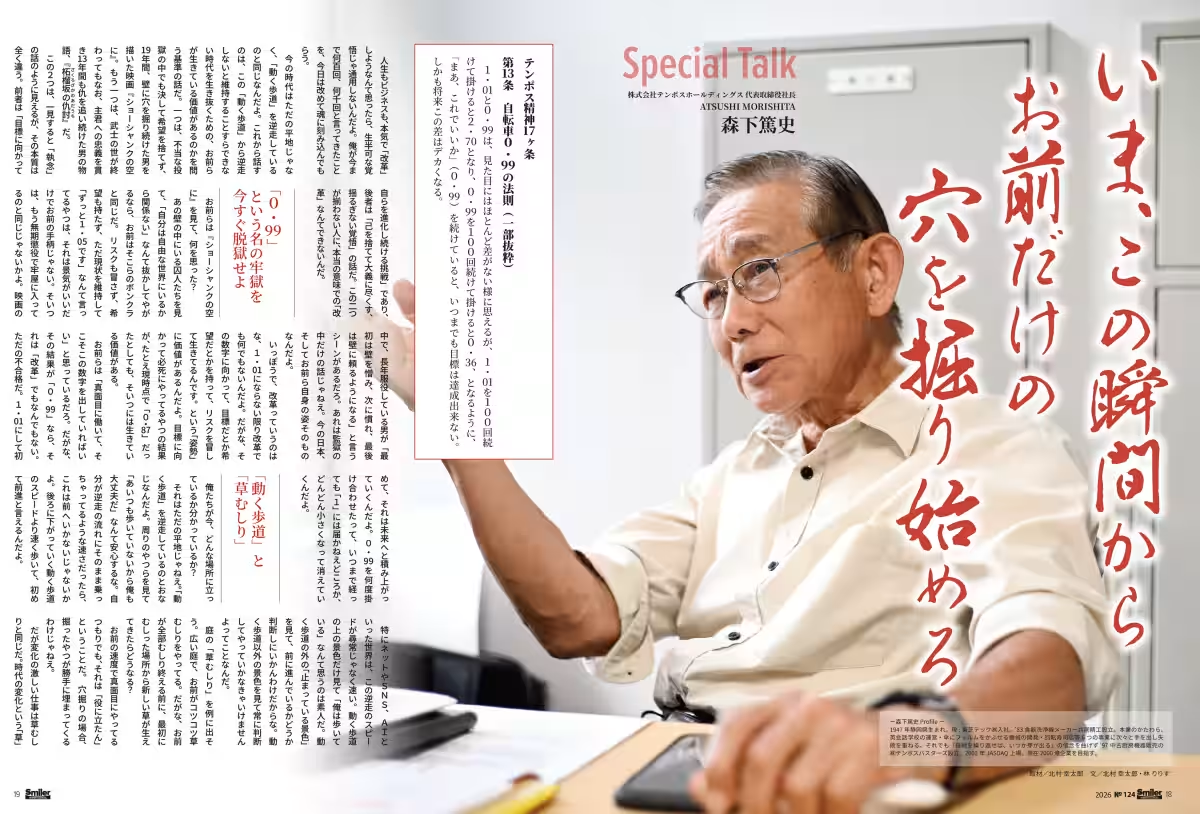
A pivotal part of this issue includes an interview with Atsushi Morishita, the CEO of Tenpos Holdings. He emphasizes the importance of active adaptation in a fast-paced environment, likening the need for continuous improvement to “digging your own hole.” In an era where complacency leads to regression, he discusses the blend of small, incremental improvements and bold reform needed for survival. His views are illustrated with references to films like “The Shawshank Redemption” and “The Betrayal at Tsutsugamori,” drawing parallels to the vital tenacity needed for restaurant operators today.
Innovative Ventures in Restaurant Business
This issue also spotlights five unique dining establishments that have taken innovative approaches in their operations:
- - IL FIORE (Tokyo, Taito Ward): An Italian restaurant launched by three culinary school classmates, leveraging teamwork to navigate the complexities of restaurant management.
- - Colombia Coffee House (Hyogo, Amagasaki City): Following a revival from previous closure, this coffee shop retains its legacy while modernizing to appeal to a new customer base.
- - Athlete Fermentation LAB MAO RINK DINING (Tokyo, Tachikawa City): This restaurant/café emphasizes health-conscious fermented foods, shaped by their connection with figure skater Mao Asada.
- - Kamakura Fukumitsu (Kanagawa, Kamakura City): A Japanese restaurant that integrates local elements into its dishes for a unique dining experience, consistently learning and evolving to maintain interest.
- - Thai Food Station (Tokyo, Minato Ward): A quaint eatery serving authentic Thai home-cooked meals, combining dine-in and take-out options effectively to optimize revenue.
Practical Marketing Tips for Family Engagement
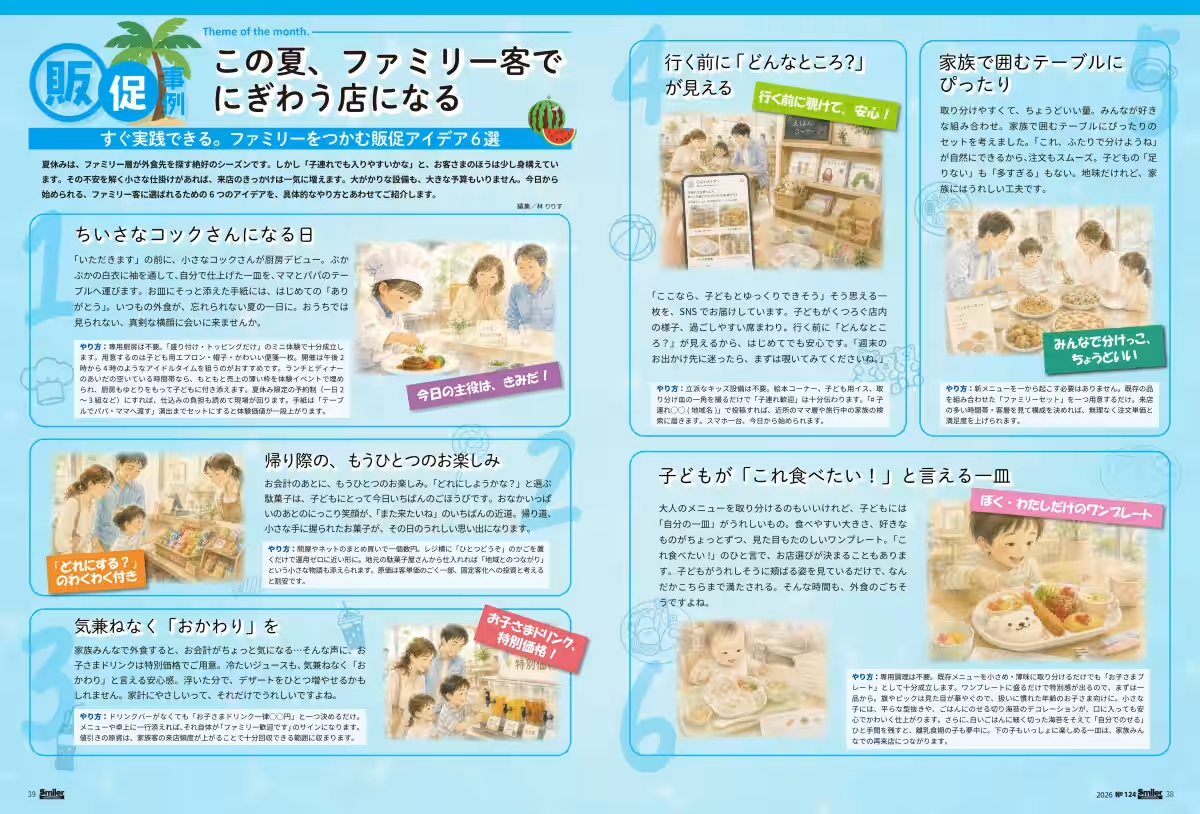
Summer vacation presents an excellent opportunity for restaurants to attract families. The issue includes a segment detailing six actionable promotional strategies that can be implemented without extensive resources, ensuring successful engagement with family customers.
What is “Smiler”?
"Smiler" is a free magazine published by Tenpos Holdings, aimed primarily at restaurant owners and managers. Each issue offers a wealth of insights into successful business practices, ranging from management strategies to marketing tips, ensuring the continued growth and success of restaurants across Japan.
Distribution of “Smiler”
This issue is distributed hand-to-hand by staff at Tenpos Busters to approximately 15,000 restaurant owners and managers throughout Japan, ensuring a broad reach across the culinary community. Additional distribution locations include certain financial institutions and prominent exhibition venues.
With Town Chinese cuisine evolving in tandem with community expectations and dining trends, these stories reveal an exciting future for this beloved category of dining in Japan.
Topics Consumer Products & Retail)









【About Using Articles】
You can freely use the title and article content by linking to the page where the article is posted.
※ Images cannot be used.
【About Links】
Links are free to use.