



The Changing Dynamics of Infidelity: Insights from 205 Private Investigators
Understanding the Evolving Landscape of Infidelity
Infidelity and cheating have been persistent issues over time, manifesting in various forms as societal norms and technologies evolve. A recent survey conducted by Daiichi Detective Agency, one of Japan's leading detective firms, encompassed insights from 205 private investigators regarding the current realities of infidelity investigations. The findings reveal the complexities and shifts in cheating behavior influenced by modern conveniences, including the rise of social media and dating apps, along with changes in work structures like remote working.
The Survey Overview
Between November 10 and 11, 2025, the Daiichi Detective Agency surveyed individuals who have worked in the detective field, focusing on their experiences and observations in infidelity investigations. Factors examined included the average duration required to gather evidence of cheating, frequency of contact with the suspects, and common excuses offered by individuals trying to justify their infidelities. The full report is available on the agency's column page.
Long-Term Infidelity Partners
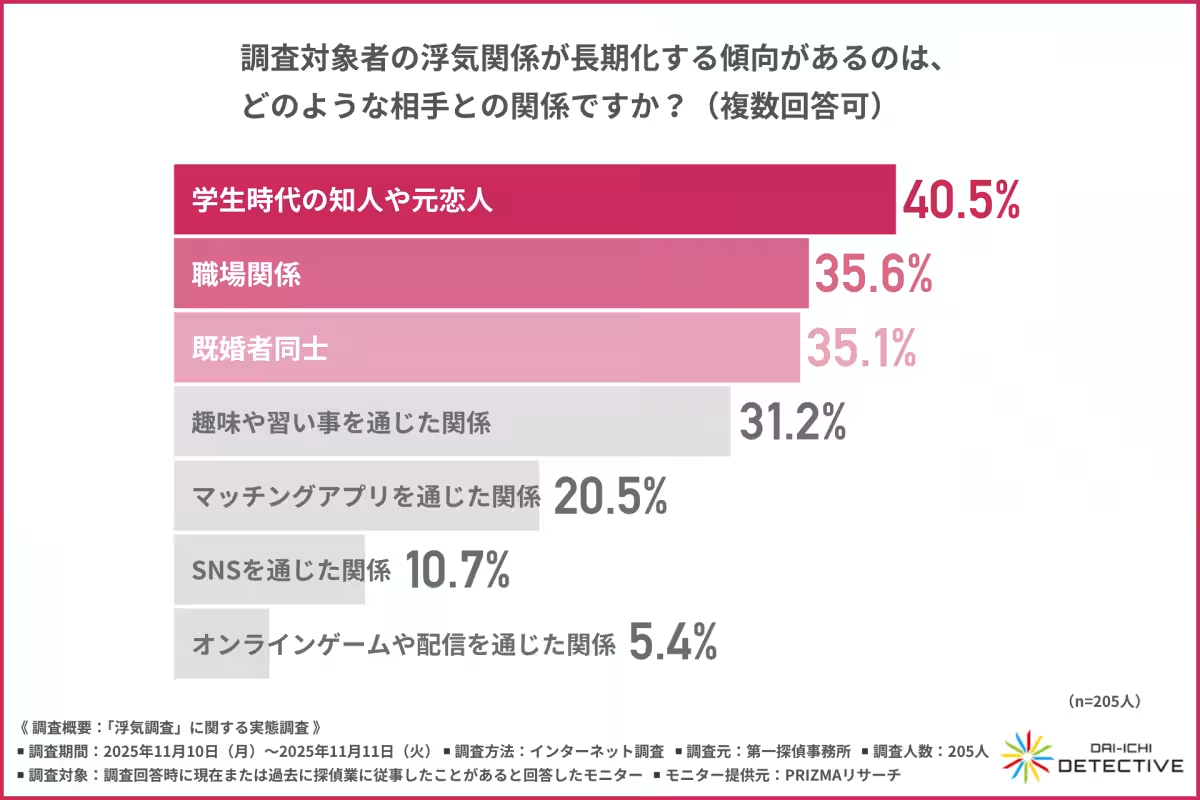
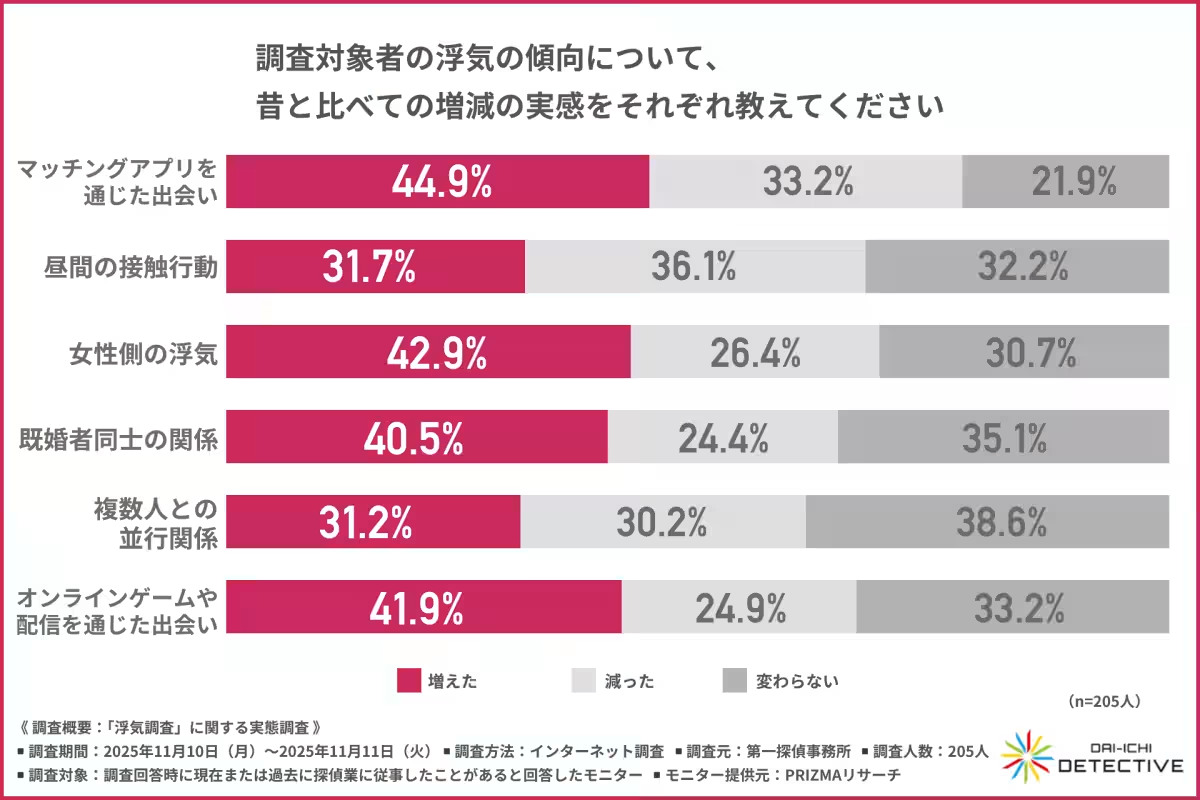
One striking finding was that infidelity often thrives in relationships with long-established emotional attachments, such as connections formed during school years or prior relationships. According to the survey, 40.5% of investigators noted that infidelity relationships typically lasted longer when the partners were acquaintances from school or former lovers. Other notable patterns included workplace relationships (35.6%) and affairs between married individuals (35.1%), both of which allowed for discretion and frequent interactions that hindered detection.
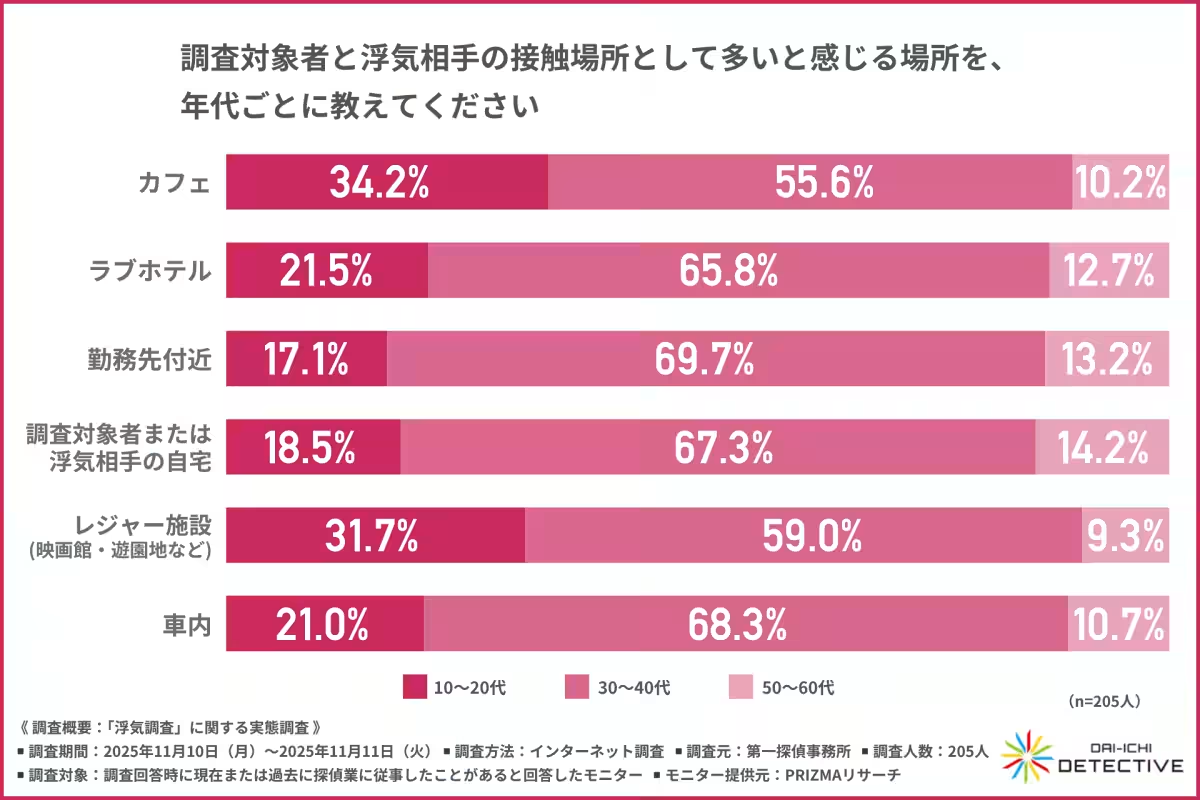
The survey examined the types of venues where these relationships are maintained, revealing contrasting patterns across age groups. Younger individuals in their 10s and 20s favored public places like cafes and recreational facilities for meetings, suggesting a more open and casual approach. In contrast, those in their 30s and 40s tended to seek more private locations such as near workplaces or personal residences, reflecting a more cautious approach to their clandestine affairs.
Gender Differences in Cheating Behavior
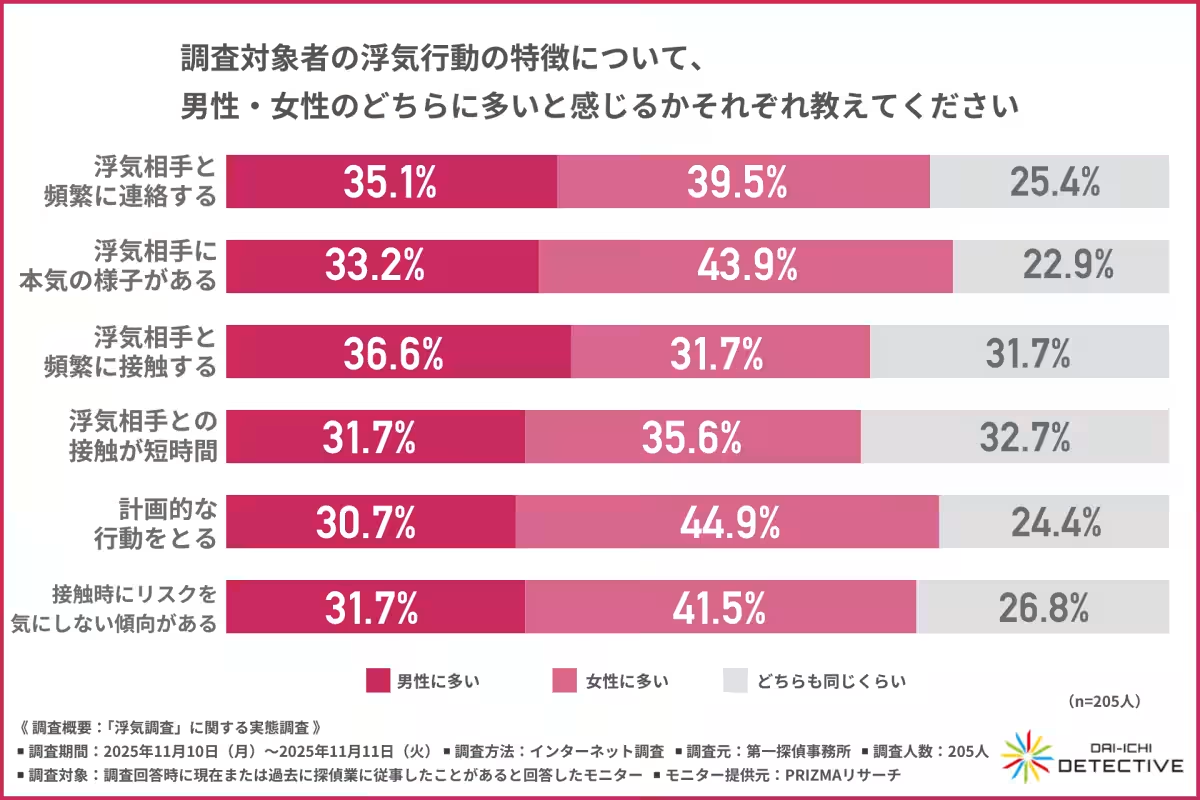
The investigation also highlighted significant differences in infidelity conduct between males and females. Female participants displayed a stronger emotional attachment to their partners and tended to be more strategic in their cheating, while males exhibited a tendency towards more frequent meetings with their affair partners. These findings illustrate the contrasting motivations and behaviors exhibited by genders in the context of infidelity.
Several memorable cases reported by participating investigators underscored the complexity and sometimes convoluted nature of infidelity. Examples included situations where clients were also cheating, leading to double affairs, and instances where familial relationships were entangled in extra-marital relationships.
The Rise of Digital Platforms for Connections
Another notable trend identified in the survey was the increasing reliance on digital platforms for initiating affairs. Many investigators expressed that encounters arranged through dating apps and online games had increased, reducing ethical reservations about such relationships due to the anonymity these platforms provide. The expansion of women's participation in the workforce and the normalization of social media interaction have also contributed to a more equal opportunity for infidelity, particularly among married individuals contemplating affairs with fellow spouses who share similar situations.
Challenges Faced by Investigators
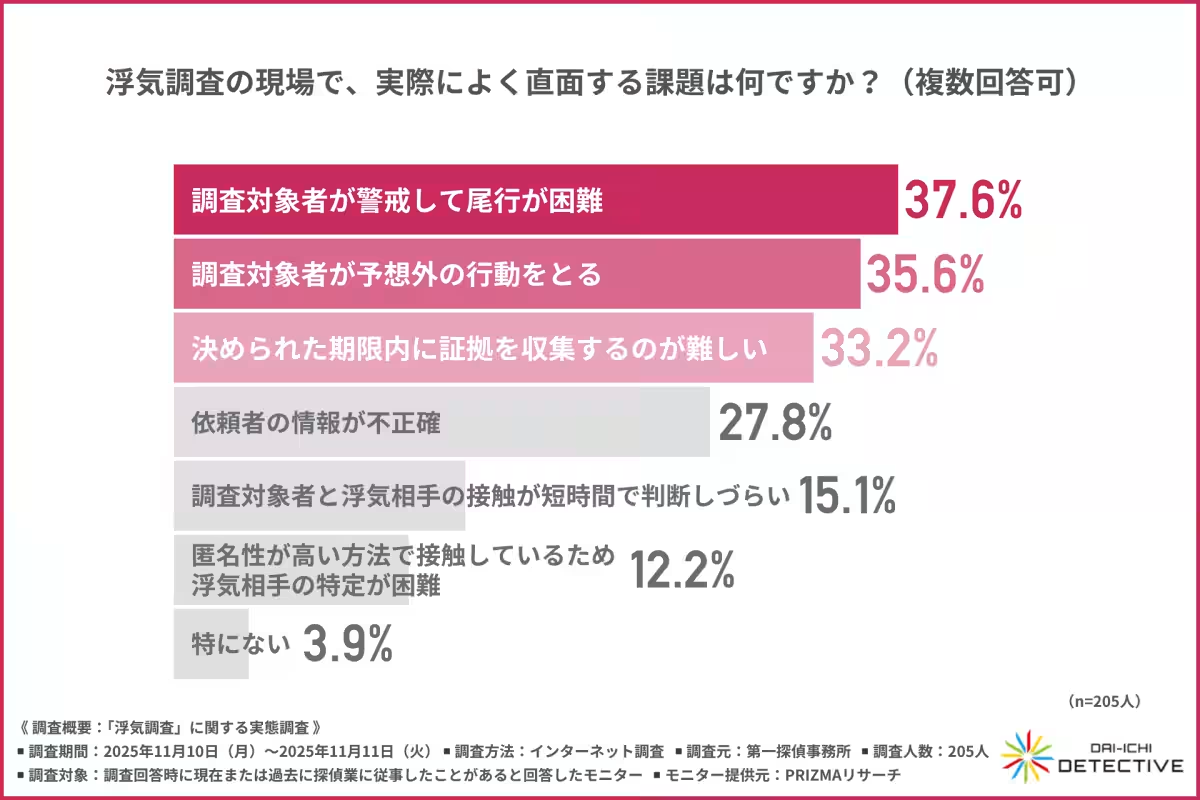
Despite the comprehensive data collected, the investigators indicated several challenges they frequently face. The most common hurdles include the heightened vigilance of individuals being investigated, unexpected actions taken by these subjects, and the pressure of collecting sufficient evidence within constrained time frames. Psychological factors appear to present more formidable challenges compared to the physical techniques of surveillance, revealing that handling unpredictable human behavior is a significant aspect of the investigative process.
Conclusion: Adapting to the New Normal in Infidelity
This survey highlighted the emerging trends in infidelity and the experiences of private investigators as they navigate these complex situations. Relationships with historical emotional ties, along with professional and shared marital ties, foster environments where infidelities can easily flourish. The differing venues for these encounters, and the gender-specific patterns in cheating behavior, paint a compelling picture of infidelity's modern landscape.
Furthermore, the increasing use of digital interactions to initiate romantic pursuits indicates an evolution in how individuals engage in infidelity. As societal norms continue to change, so too will the dynamics surrounding infidelity, creating a landscape that investigators must adapt to with advanced inquiry techniques and insights. Given this context, the importance of professional investigative services is evident as they help individuals uncover the truth behind suspicious behaviors in their relationships.
To view the full details of the survey, including the average time required to gather infidelity evidence and the justifications often provided, visit the Daiichi Detective Agency's column page.

Topics People & Culture)




【About Using Articles】
You can freely use the title and article content by linking to the page where the article is posted.
※ Images cannot be used.
【About Links】
Links are free to use.