



Innovative Approaches to Volcanic Disaster Management from Yamanashi's Collaboration
Report on Yamanashi's Volcanic Disaster Management Innovation Contest
In Yamanashi Prefecture, the Fuji Mountain Scientific Research Institute has embarked on an innovative journey to foster entrepreneurial endeavors in volcanic disaster management. On March 10, 2023, the results of the 'Yamanashi Volcanic Disaster Innovation Pitch Contest' were unveiled at a report meeting in the New Tokyo Building, Chiyoda Ward, Tokyo. This pioneering initiative marks Japan's first business contest specifically addressing volcanic disaster management, aiming to create a vibrant ecosystem where scholars and industry can collaborate effectively.
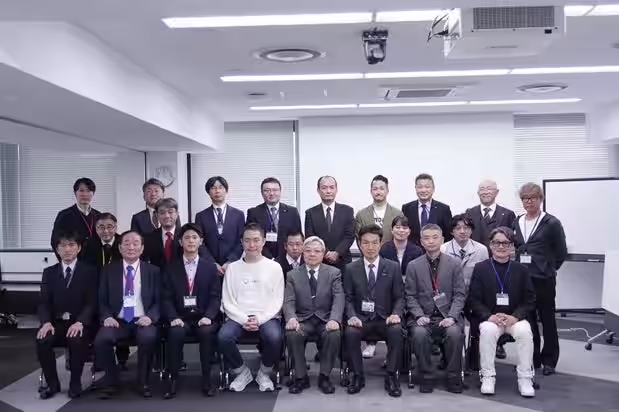
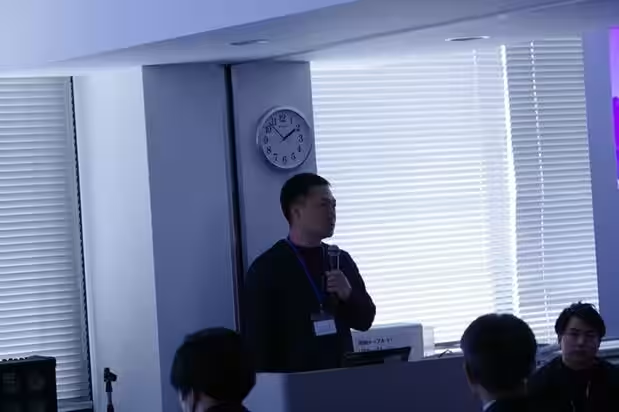
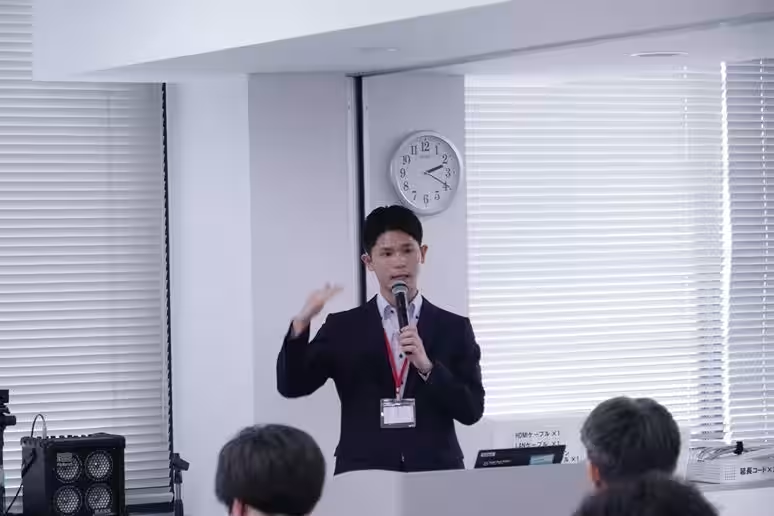
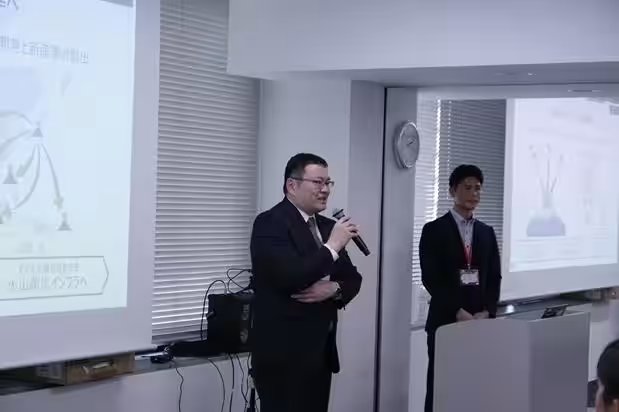
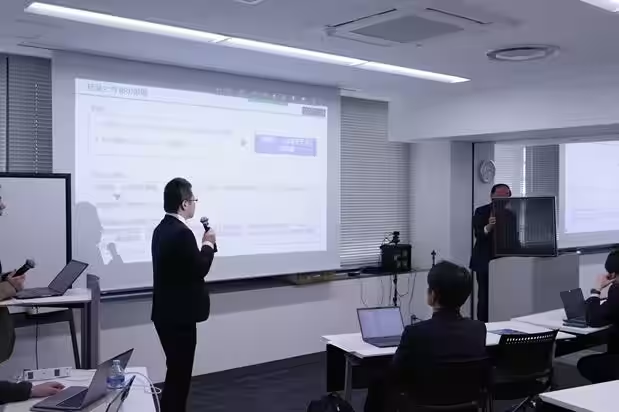
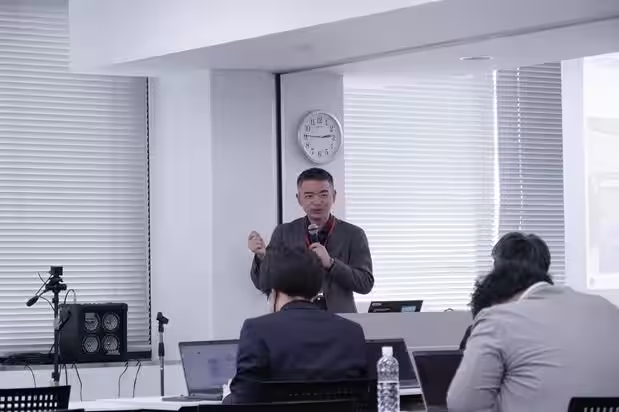
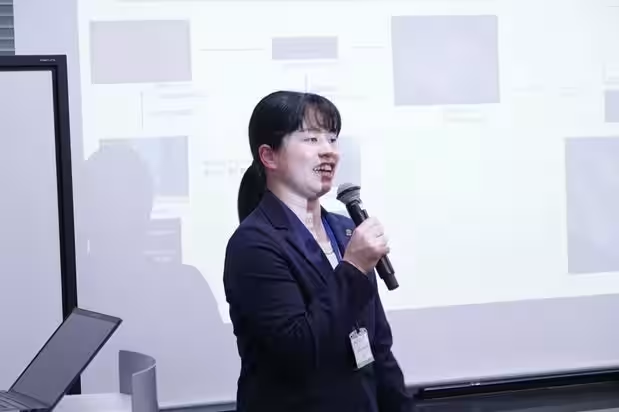
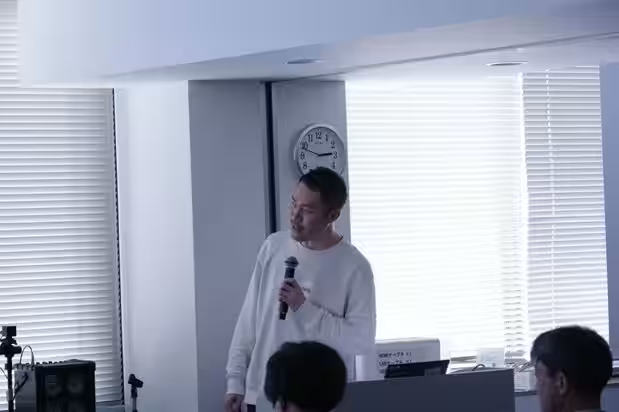
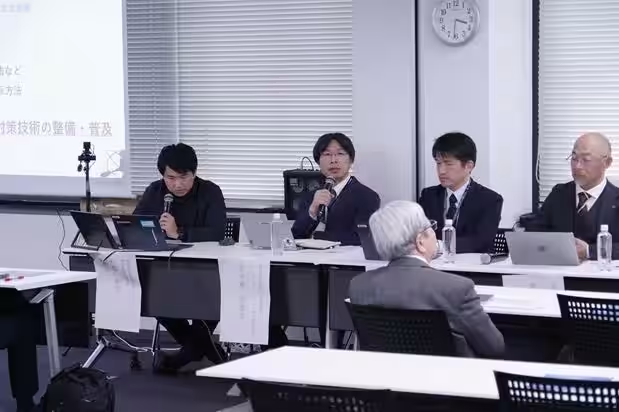
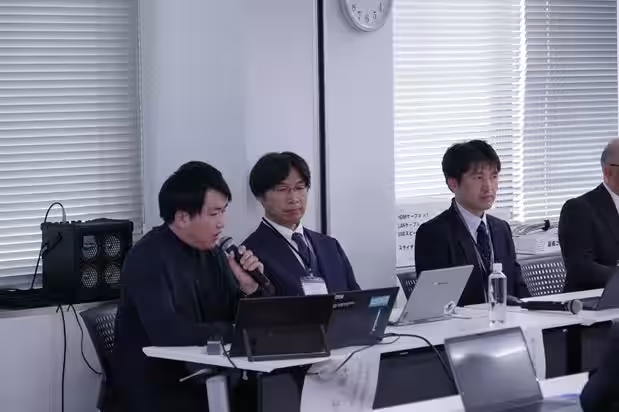
At the event, five companies that had received support from the contest presented their experimental results alongside the research staff from Fuji Mountain Scientific Research Institute. The gathering featured a dynamic panel discussion with volcanic disaster researchers, companies that were selected in the previous year, and officials from the upcoming Disaster Management Office, drawing a crowd of approximately 70 participants, both in person and online. Attendees were highly engaged, eagerly listening to the latest results and discussions on the future of volcanic disaster management from a collaborative perspective encompassing government, academia, and business.
Overview of the Yamanashi Volcanic Disaster Innovation Pitch Contest
Following the amendment of the Special Measures Law for Active Volcanoes in the fiscal year 2023, the Japanese government initiated a more coordinated approach to volcanic disaster management. Yamanashi Prefecture identified this as a unique opportunity for industrial development, leading to the launch of collaborative efforts to address challenges related to the Fuji Mountain volcanic environment. The contest provides participating companies access to the resources (knowledge and field experience) and funding from the Fuji Mountain Scientific Research Institute, which is based in Fujiyoshida City, Yamanashi, led by Professor Toshitsugu Fujii from the University of Tokyo. On June 13, 2023, five companies were selected during the contest to advance their projects.
Presentation of Experimental Outcomes by Selected Companies
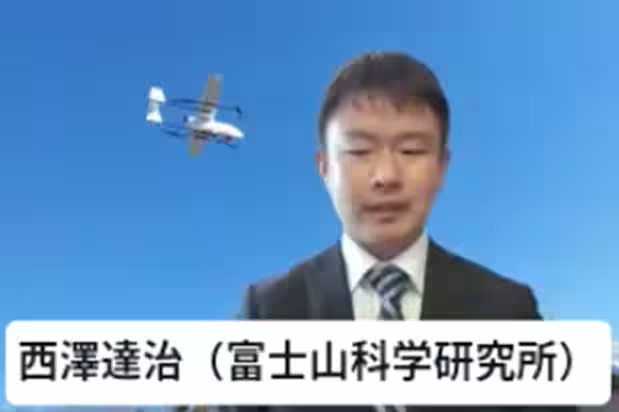
1. RtoS Co., Ltd.: Focused on 'Volcanic Remote Monitoring Using VTOL Aircraft', they implemented tests to explore the viability of engine-powered VTOLs in high-altitude conditions unique to Mount Fuji. Their findings demonstrated nearly real-time high-definition video capture up to elevations of 1,800 meters. Challenges related to operation and atmospheric conditions were also openly discussed.
2. ME-Lab Japan Co., Ltd.: Their examination of multi-band Synthetic Aperture Radar (SAR) focused on resilience to seasonal and environmental changes, laying groundwork for improved volcanic activity monitoring. They plan to share their findings at the European Space Agency's upcoming international conference.
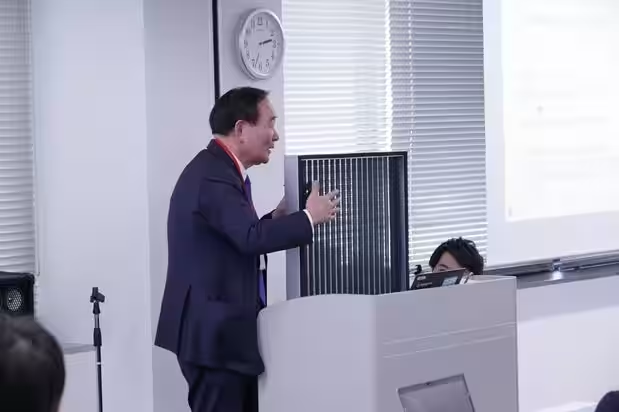
3. Unipack Co., Ltd.: Created a volcanic ash filtration system designed to protect against potential eruptions, achieving significant filtration efficiency while maintaining low pressure loss. They outlined plans to standardize their solution as a 'Yamanashi model' for various vital infrastructure facilities.
4. Kadinche Co., Ltd.: Developed a 3D simulator for Mount Fuji, enabling customizable viewing and simulation of volcanic events. Their innovative approach opens avenues for enhanced disaster education, hazard map digitization, and potential application to other volcanoes.
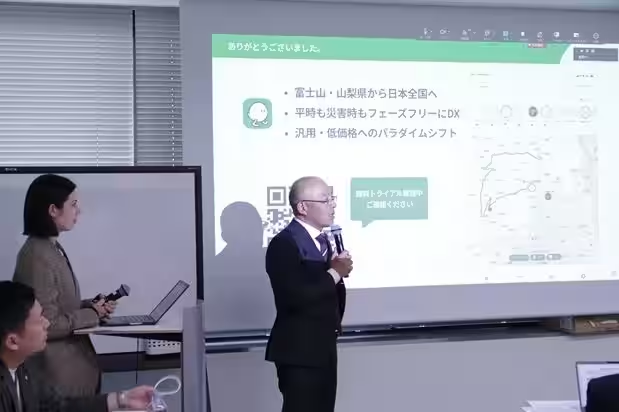
5. Hampo Saki Co., Ltd.: Launched 'LivMap', a shared mapping system for real-time situational awareness in disaster response settings, emphasizing a reduced reliance on traditional communication channels.
The presentations conveyed the tangible realities and challenges faced by these companies, leading to an engaged Q&A session highlighting a vibrant exchange of technical insights. It illustrated a multi-dimensional understanding of current volcanic disaster management.
Panel Discussion on the Future of Volcanic Disaster Management
In continuation of the event, a panel discussion was held featuring representatives from the government, private sector, and research community. The session commenced with government advisor, Mr. Takeshi Yamada, shedding light on the upcoming Disaster Management Office's strategies focused on preparatory disaster planning.
Mr. Nobuya Igarashi from Takenaka Corporation delivered insights from the corporate perspective, sharing real-world challenges related to business continuity planning in volcanic disaster scenarios. Additionally, Dr. Mitsuhiro Yoshimoto from the Fuji Mountain Scientific Research Institute discussed the integration of technology development with workforce training in the context of volcanic disaster management.
The moderator, Mr. Hirofumi Okuma from Deloitte Tohmatsu, skillfully steered discussions, further enhancing audience engagement as the panel explored diverse views on the future landscape of volcanic disaster management.
Advancements Through Collaborative Technological Development
Mr. Igarashi emphasized the critical need for collaboration among stakeholders to harness specialized knowledge, thereby expediting technology development and implementation. Dr. Yoshimoto reiterated the importance of collaborative frameworks governing intellectual property and data sharing.
Additionally, advisor Mr. Yamada stated the government's commitment to fostering a cohesive structure that intertwines research, talent development, and data exchange.
Emphasizing Workforce Development for Disaster Management
The discussion naturally progressed to the essential pursuit of workforce development. Mr. Yamada pointed out that the proposed Disaster Management Office's framework would center on preparatory measures alongside personnel training.
Mr. Igarashi highlighted the effectiveness of experiential learning in cultivating actionable skills within companies. Dr. Yoshimoto advocated for seamless collaboration amongst educational institutions, businesses, and research organizations, especially when leveraging early educational intervention.
Paving the Way for Industrialization and International Collaboration
Mr. Igarashi noted heightened corporate interest in tackling the operational realities of volcanic disaster management, emphasizing the need for standardized procedures and industry-wide dissemination of best practices. Mr. Yamada emphasized dual support for preemptive disaster management and industry development while emphasizing pathways to globally deploy Japanese technology.
Building a Framework for Sustained Piloting and Broader Application
In conclusion, moderator Mr. Okuma called for the necessity of establishing ongoing experimental platforms that can expand outcomes across different regions, reinforcing the importance of well-defined agreements among key stakeholders for effective implementation.
Summary
The report meeting for the Volcanic Disaster Innovation Pitch Contest showcased a prominent collaboration between industry stakeholders and researchers aimed at addressing daunting challenges in volcanic disaster preparedness. This event reaffirmed the pivotal role workforce development plays in enhancing disaster management capabilities, while highlighting the necessity for comprehensive educational and collaborative models. As Yamanashi moves forward, this innovative approach holds considerable promise for fostering new industry and robust talent development in volcanic disaster management.
Topics Policy & Public Interest)
【About Using Articles】
You can freely use the title and article content by linking to the page where the article is posted.
※ Images cannot be used.
【About Links】
Links are free to use.