



Okayama University Advances Social Change with J-PEAKS Initiative
Okayama University Drives Social Change Through J-PEAKS
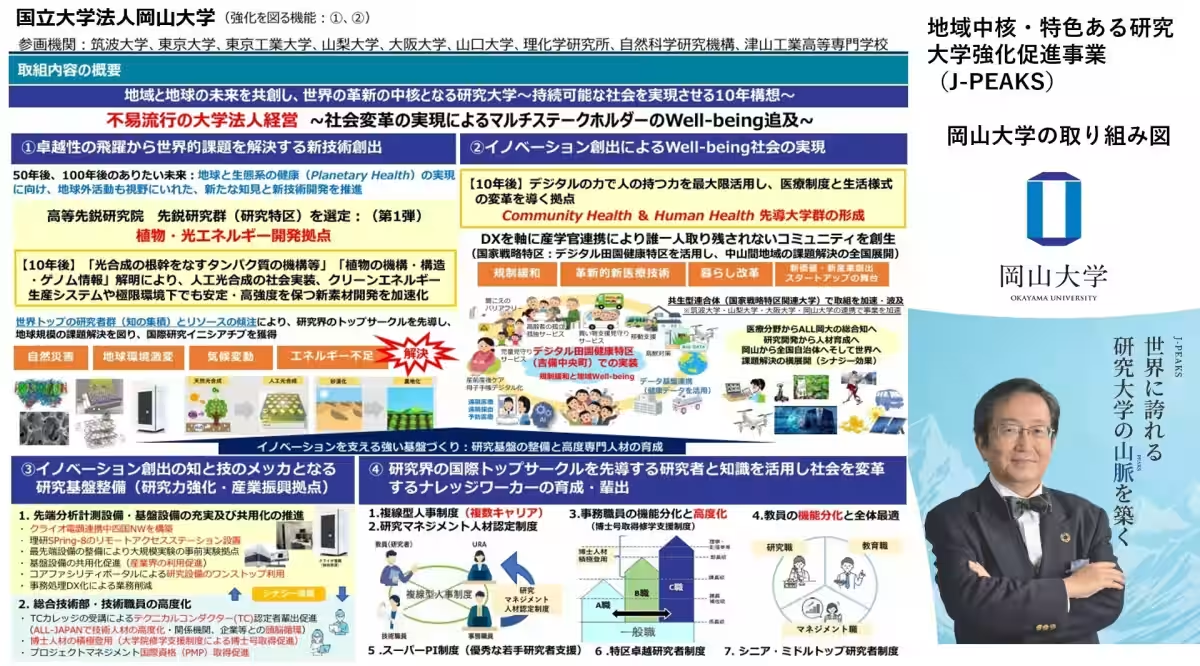
Okayama University, based in Okayama City, is making strides in social transformation with its recent initiatives under the J-PEAKS program. This program, launched by the Japan Society for the Promotion of Science (JSPS), represents a significant commitment, with over 5.5 billion yen allocated over five years for enhancing research capabilities of universities across Japan.
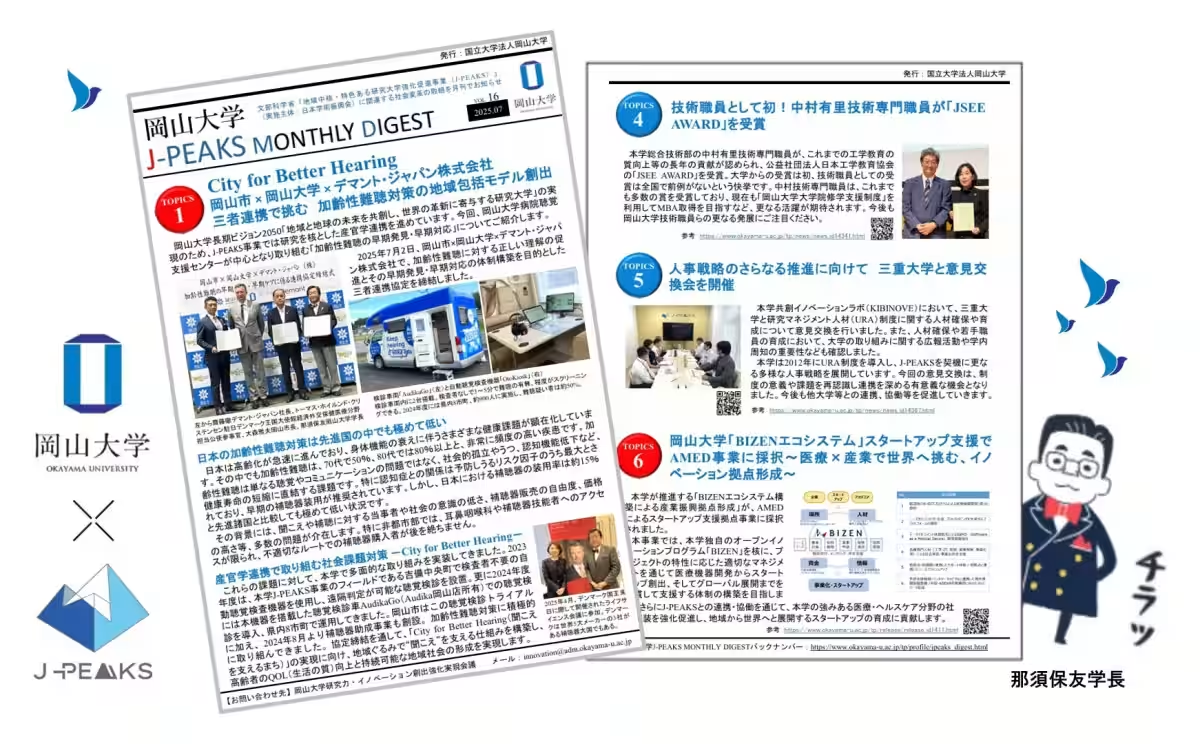
In the latest edition of the "Okayama University J-PEAKS Monthly Digest" released on August 18, 2025, the university delves into its efforts to align with its Long-Term Vision 2050. This vision emphasizes co-creating future prospects for local communities and the globe while contributing to global innovation. The publication not only shares ongoing activities but also reinforces the university’s role as a pivotal research institution in Japan.
This current issue continues the discussion on important topics related to J-PEAKS, with a special feature focusing on the "City for Better Hearing" initiative aimed at supporting the hearing-impaired community, particularly in an aging society. According to Yuuko Kataoka, Associate Professor and Deputy Director of the Okayama University Hospital's Hearing Support Center, this project strives to establish a sustainable support model for age-related hearing loss. The model emphasizes early detection and intervention, aiming to mitigate social isolation and cognitive decline associated with hearing impairments.
The project showcases collaboration between government, private sectors, and academic institutions, forming a framework for effective hearing screenings and device provision, especially in rural areas where access to healthcare is limited. By facilitating early intervention, the initiative seeks to not only enhance healthcare outcomes but also improve the Quality of Life (QOL) for residents.
The digest also highlights the shared goals and collaborative efforts of various stakeholders within the J-PEAKS framework, where organizational reforms are being pursued to ensure a holistic approach to enhancing research and innovation across university operations. Unlike past reforms that were often localized to certain departments, these changes reflect a commitment to a broad organizational shift, paving the way for a more integrated approach to university governance.
In addition to these highlights, the latest digest includes discussions on several key projects, including:
1. Helium Recycling Network: Aiming to establish a collaborative network for helium recycling in the Chugoku and Shikoku regions.
2. Creative Ecosystem for Startups: Okayama University’s BIZEN Ecosystem has been accepted into governmental support programs focusing on innovation in healthcare and industry.
3. Academic Achievements: Celebrating milestones like the first Japanese recipient of the NASA Coradini Award contributing to international scientific collaboration.
4. Synergistic Sessions: Ongoing collaborative discussions on shared challenges and successes among adopted universities under the J-PEAKS scheme.
The university expresses optimism for the future, envisioning a comprehensive network of research universities within Japan that not only push academic boundaries but also uplift local communities with innovative solutions. This intention aligns with their mission—building a world-class research university while firmly planting its roots in the local culture of Okayama.
The enriching insights and collaborative strategies detailed in this publication affirm Okayama University's dedication to becoming a pillar for research strength and innovation that contributes to both local and global advancements. The university invites the community to witness and engage in this ongoing evolution.
To explore further details, please visit the full digest here.


Topics Other)
【About Using Articles】
You can freely use the title and article content by linking to the page where the article is posted.
※ Images cannot be used.
【About Links】
Links are free to use.