


Exploring Credit Card Ownership and Approval Rates Among the Unemployed in Japan
Understanding Credit Card Ownership and Approval Rates for the Unemployed in Japan
In a recent survey conducted among unemployed individuals, significant insights were revealed regarding their credit card ownership, approval experiences, and the strategies they employ when facing challenges in gaining credit. This piece delves into the findings and explores the intricacies of credit card usage among this demographic.
Background of the Survey
Facing unemployment brings about various financial challenges, one of which is the anxiety surrounding credit card applications. With the lack of a steady income, many are apprehensive about whether they will qualify for credit cards. Factors such as annual fees and reward rates can influence card selection; however, individual priorities vary greatly.
To gather data, a survey was conducted targeting 80 individuals who are currently unemployed and have applied for credit cards. The participants shared their card ownership, experiences with credit approval, and how they dealt with any setbacks they encountered.
Survey Highlights
The survey unveiled several key findings:
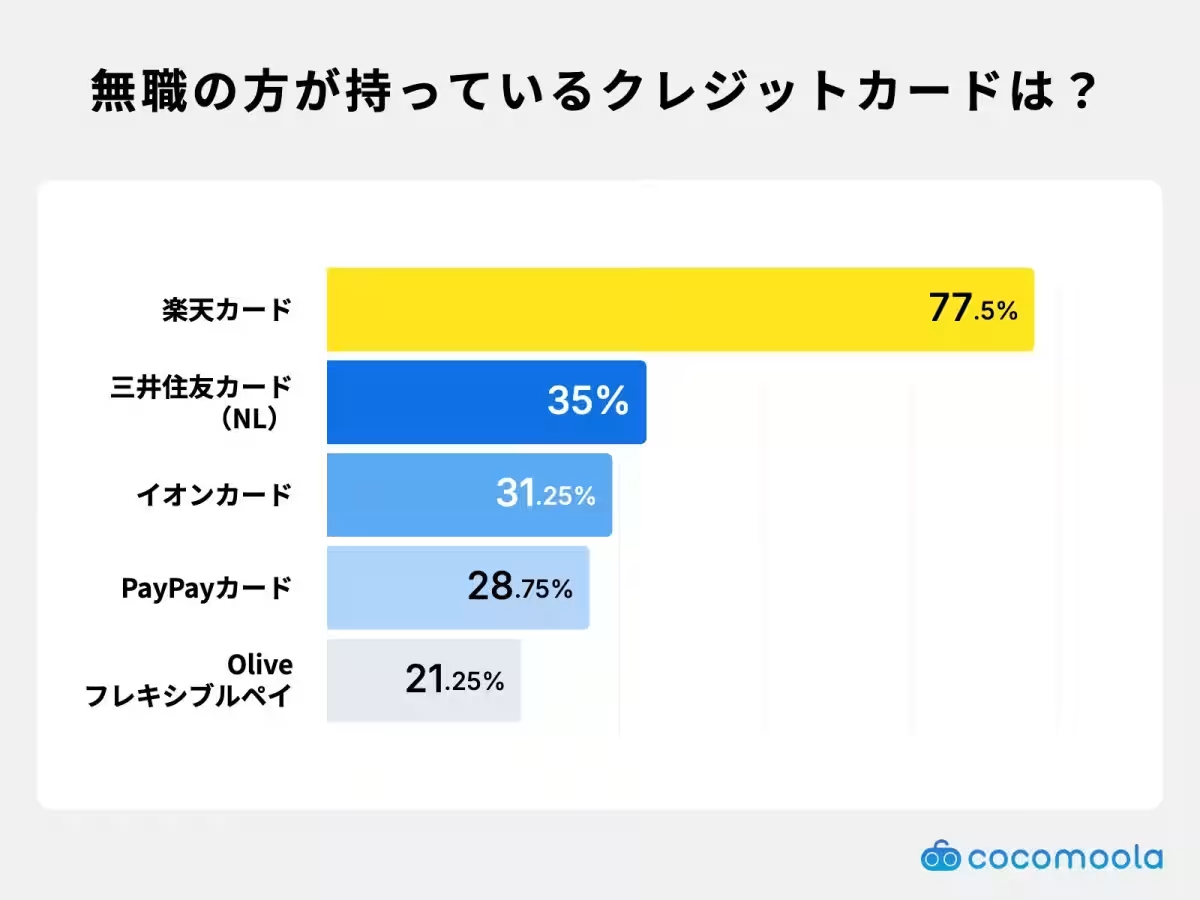
- - Credit Card Ownership: An overwhelming 77.5% reported owning a Rakuten Card, making it the most prevalent among respondents. Following it are the Mitsui Sumitomo Card (NL) at 35% and Aeon Card at 31.25%. This indicates a strong preference for cards that have no annual fees and high reward points, emphasizing a trend towards selecting low-maintenance financial products.
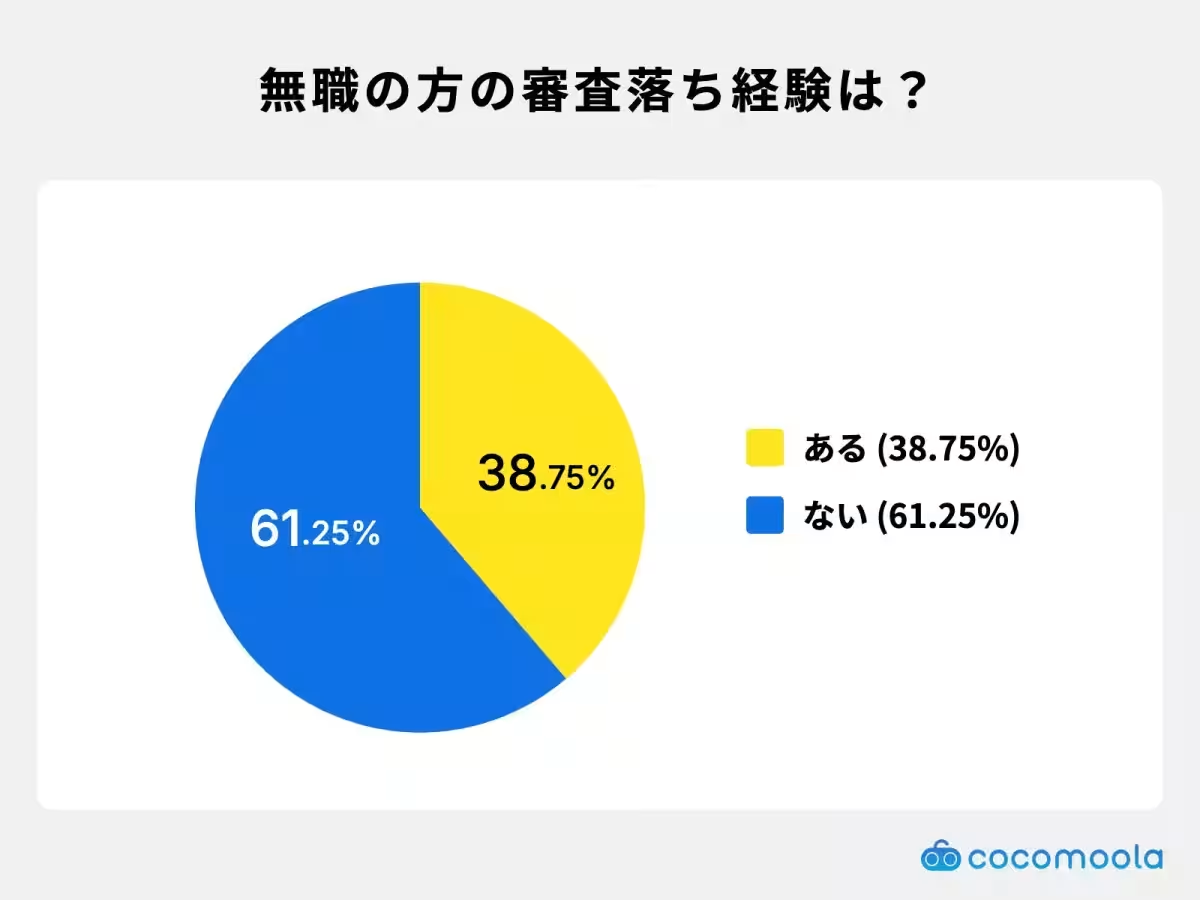
- - Approval Experiences: A concerning 38.75% of participants admitted to having been denied credit card approval in the past. This statistic reflects the challenges many face when their income stability is under question, resulting in rigorous credit assessments.
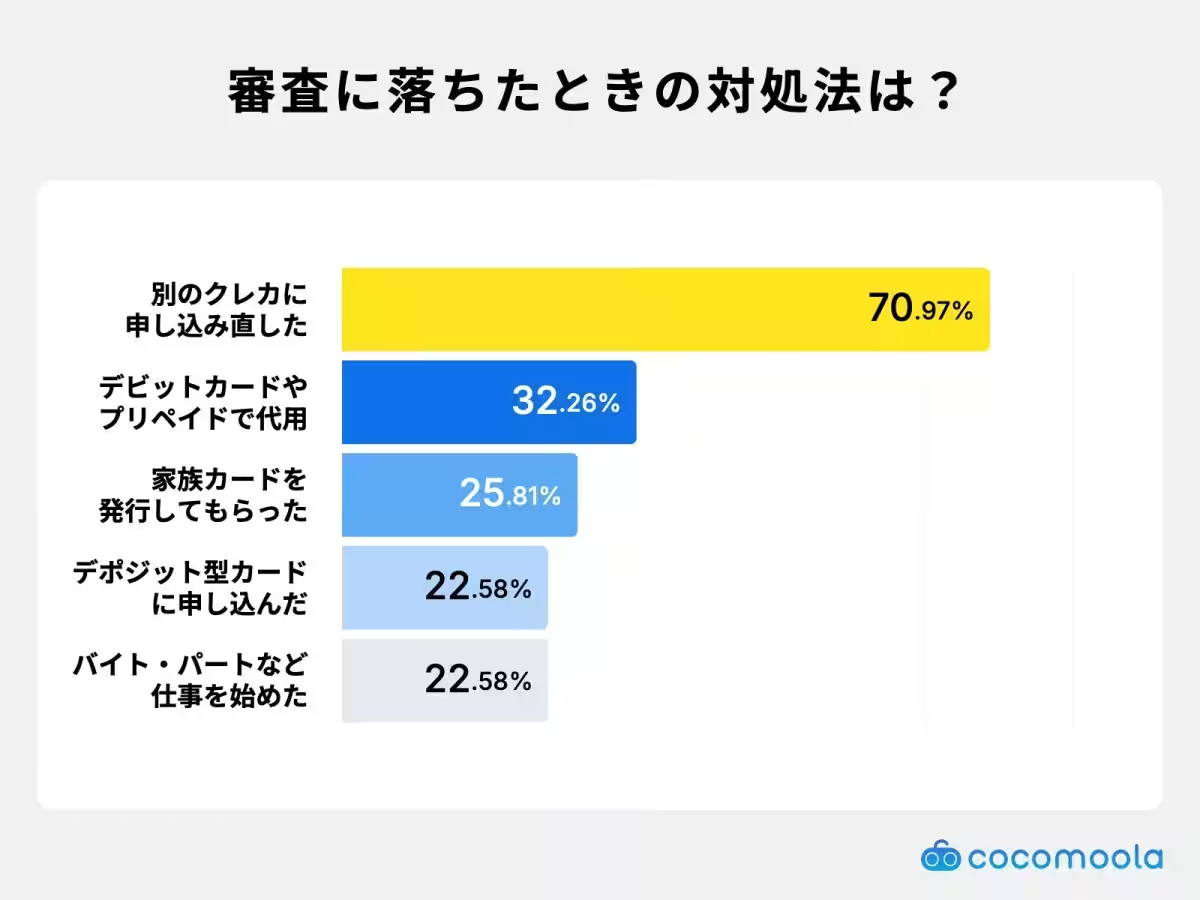
- - Dealing with Denials: Among those who faced rejection, a substantial 70.97% indicated that they responded by applying for a different credit card. This suggests that individuals often choose to persist, seeking alternatives even after an initial setback. Additionally, 32.26% of respondents turned to debit or prepaid cards as substitutes.
Key Data Insights
1. Current Credit Card Ownership
The predominant ownership of the Rakuten Card among the unemployed reflects a collective desire for financial products that offer ease of maintenance and favorable terms. Cards from retail and banking sectors lead the list primarily due to their zero annual fees and attractive reward rates.
2. Experience with Approval Processes
The significant number of individuals who have experienced credit card denials highlights the complexities associated with securing credit as an unemployed person. This demographic finds themselves scrutinized in a process that typically assesses ongoing income as a measure of creditworthiness.
3. Strategies for Overcoming Denials
Respondents shared their strategies following a denial. Most commonly, they opted to reapply for a different card, indicating a tendency to not lose hope after an initial refusal. The option to choose alternative financial instruments, such as debit cards, illustrates the adaptability individuals seek in their financial management.
Overview of the Survey
The survey was conducted through an online questionnaire, yielding valuable insights into the behaviors and decisions of unemployed individuals concerning credit card applications. The participants included:
- - Survey Name: Credit Card Utilization Among the Unemployed
- - Method: Internet-based survey (Freeasy)
- - Number of Responses: 80
- - Demographic: Currently unemployed individuals with credit card application experience
- - Region: Japan
- - Survey Period: September 2026
Questions posed included ownership status, key factors in selection, experience with approval, coping methods after a denial, reasons for applying, and any concerns regarding the application process.
In conclusion, understanding the credit card dynamics for the unemployed reveals the distinct financial challenges they face and the resilience they show in navigating such hurdles. As financial institutions evolve, awareness and support for this demographic may play a crucial role in their access to credit and economic stability.
Topics Financial Services & Investing)

【About Using Articles】
You can freely use the title and article content by linking to the page where the article is posted.
※ Images cannot be used.
【About Links】
Links are free to use.