




Transforming Search: The Impact of AI on Consumer Behavior and Decision-Making
Transforming Search: The Impact of AI on Consumer Behavior and Decision-Making
Introduction
In an era where information is exponentially growing, the consumer's journey of comparing and deciding on purchases is undergoing a significant transformation, primarily driven by AI search technology. Knowledge Holdings, based in Minato, Tokyo, conducted an extensive survey to delve into how AI search influences this process among diverse demographics in Japan, specifically targeting individuals aged 20 to 50. This report aims to highlight some key findings that can provide valuable insights for companies and marketers navigating this landscape.
Survey Overview
Target Audience
The survey focused on internet users nationwide, encompassing both males and females in their 20s to 50s.
Sample Size
- Survey A: 405 participants (examining the concurrent use of AI search and traditional search engines)
- Survey B: 307 participants (assessing the frequency of AI search usage and future predictions)
Survey Period
Conducted in May 2026.
Methodology
An online questionnaire was utilized to gather data from the participants.
Key Results
Topic 1: Majority Consider 2-3 Websites for Comparison
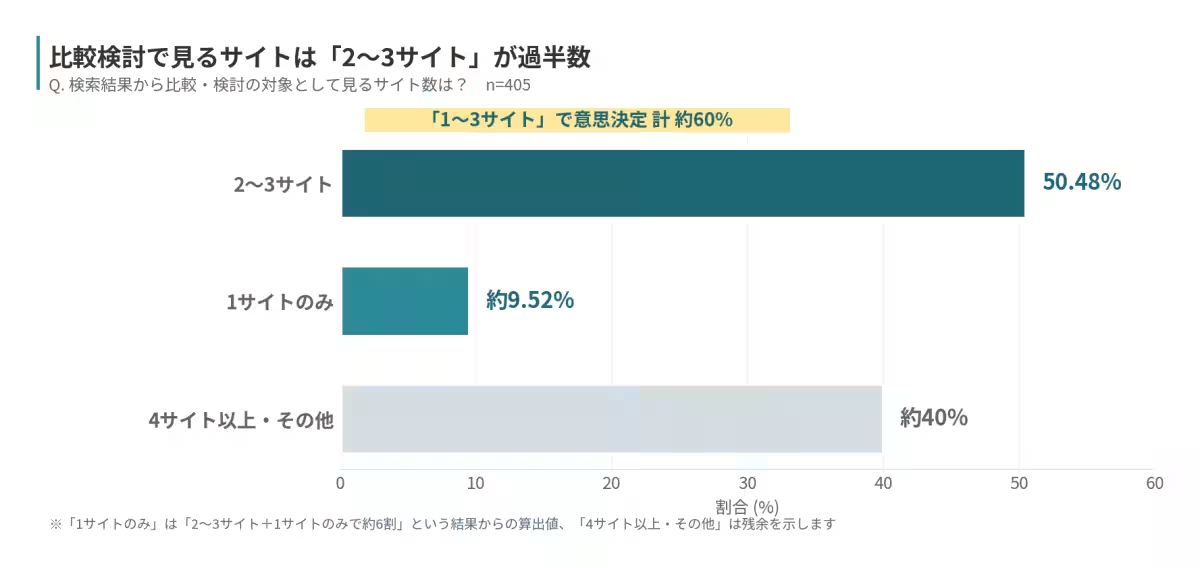
According to the survey, 50.48% of respondents indicated that they compare and consider 2-3 sites when making decisions based on search results. When combined with those looking at just one site, about 60% of users finalize their decisions based on the top 3-4 results presented. This highlights the enduring value of high rankings in search engine results, reaffirming that failing to appear in the top positions means losing visibility altogether.
Topic 2: Positive Impressions of Top Search Sites
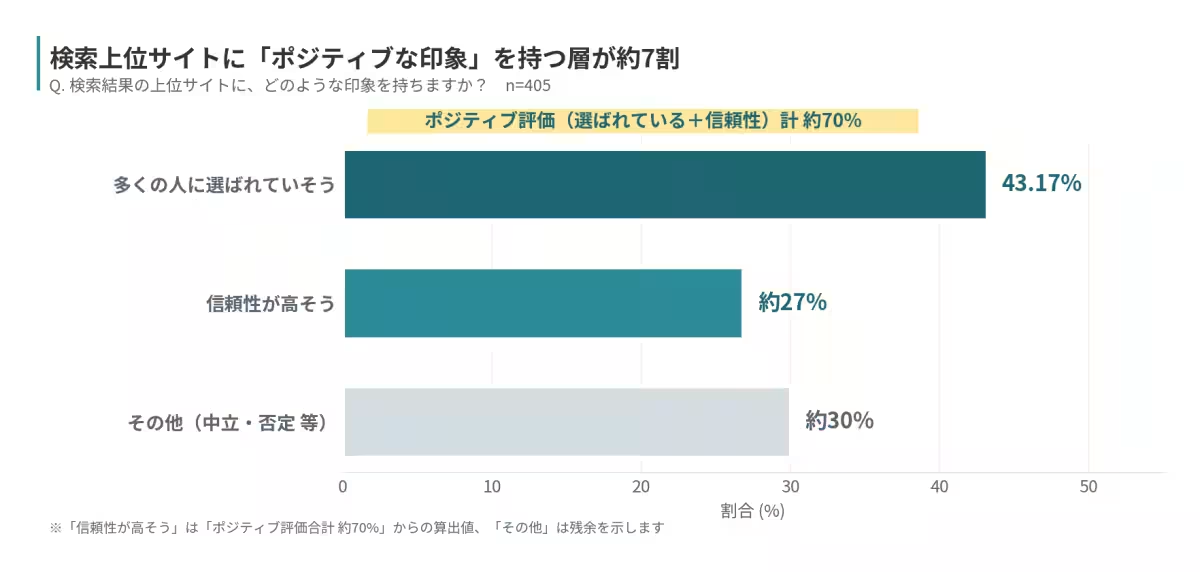
The data unveiled that 43.17% of users felt that top-ranking sites are ones that many people would likely choose. Furthermore, when asked about reliability, nearly 70% evaluated high-ranking sites positively. This indicates that search rankings act as a form of social proof before users engage with the actual content, suggesting that lower-ranked results face the risk of being disregarded, irrespective of their content quality.
Topic 3: Nearly Half Verify AI Responses
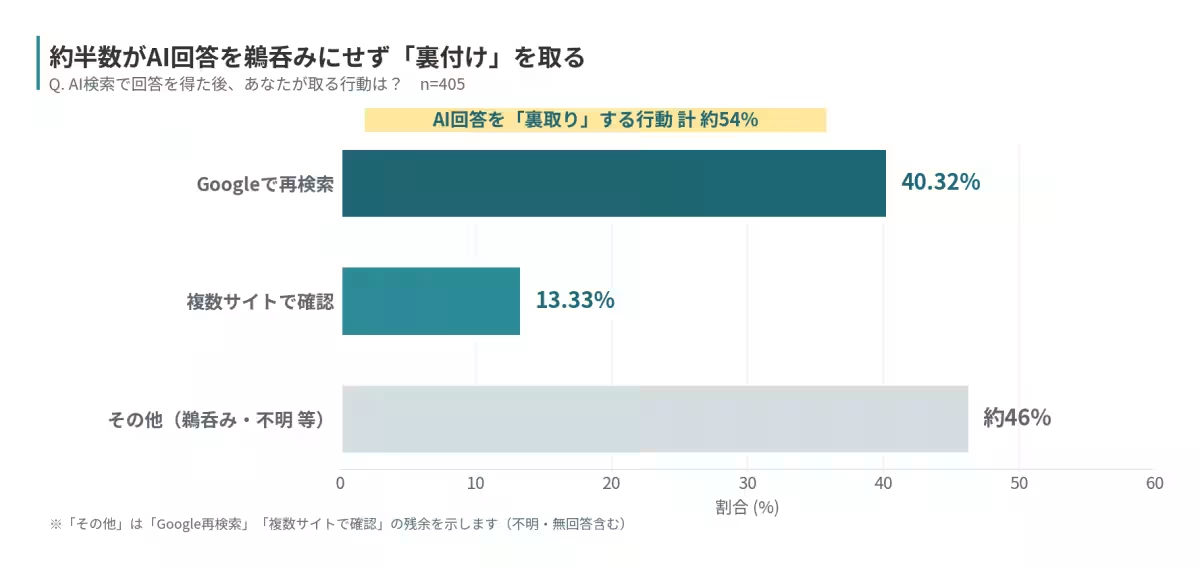
After obtaining answers through AI search, 40.32% of respondents opted to reconfirm information via Google, while 13.33% checked multiple sites. This data signifies that approximately half of the users seek additional validation for AI-generated responses. Although AI search is rapidly gaining acceptance as a decision-making shortcut, there remains a palpable concern regarding the accuracy of AI outputs, indicating a potential pathway for content creation focused on providing verified information.
Topic 4: Declining Search Result Engagement Post-AI Implementation
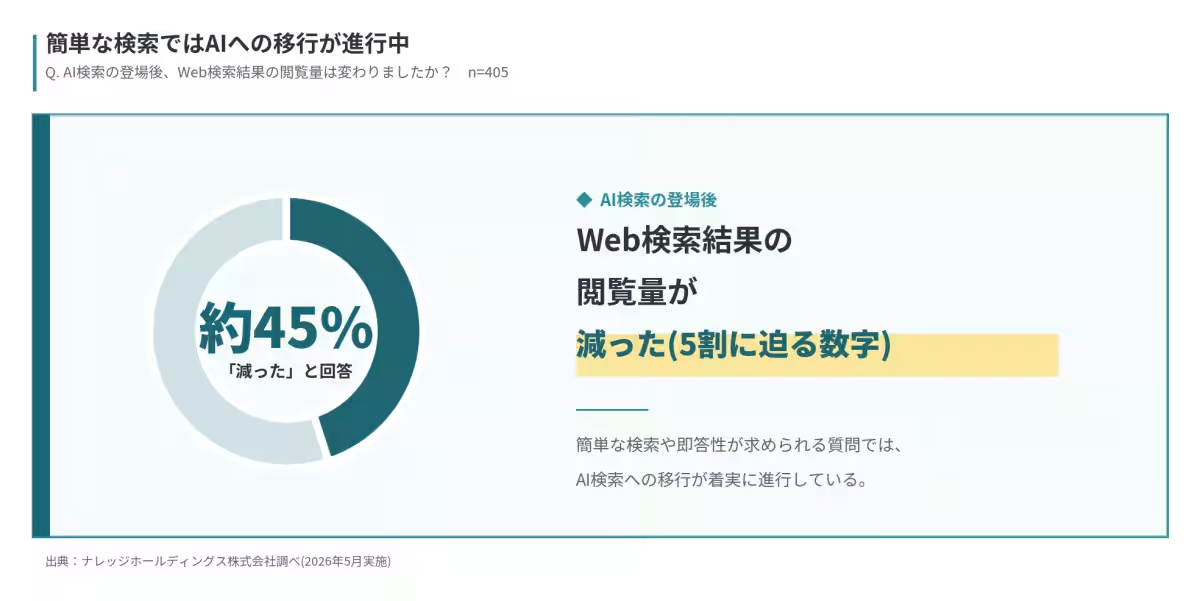
About 45% of users reported a decrease in the volume of search result engagements since the introduction of AI search tools. This trend marks a significant shift, especially for straightforward inquiries, indicating users' growing reliance on AI. This shift presents a foundational change for media dependent on organic traffic through SEO, as the relative value of in-depth, substantial content may rise, particularly for topics AI cannot adequately condense.
Topic 5: Time Sensitivity Among Users
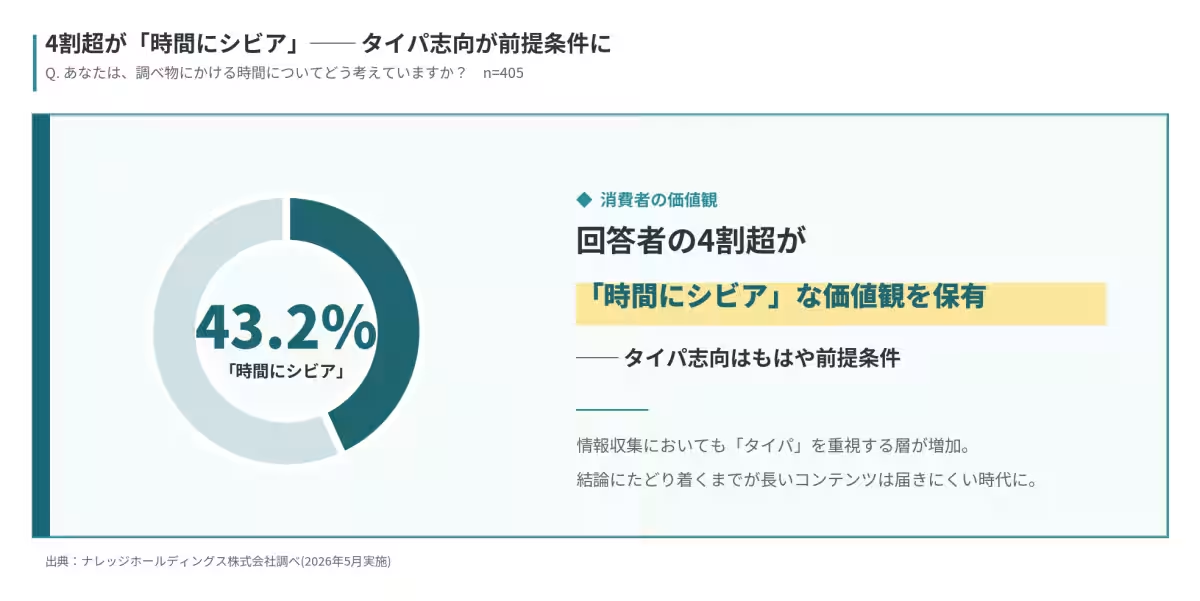
The survey found that 43.2% of respondents value time sensitivity. This 'time performance' (タイパ) focus is critical; consumers are increasingly inclined to prioritize quick retrieval of relevant information. The immediacy with which AI searches provide answers appeals strongly to this sentiment, implying that content requiring extensive reading or lengthy conclusions may struggle to engage users.
Conclusion: From SEO to AIO (AI Optimization)
The research underscores the dichotomy within user preferences; while high search engine rankings continue to be favorably regarded, users are beginning to incorporate AI search tools as viable alternatives for simple queries. Notably, the fact that nearly half the respondents verify AI-generated responses showcases the growing significance of trustworthy primary information and official content in the user decision-making process.
If businesses and media want to remain competitive, they need to pivot from focusing solely on achieving SEO to simultaneously considering how their information can effectively be cited and summarized by AI systems—setting the stage for a new marketing paradigm where

Topics Consumer Technology)

【About Using Articles】
You can freely use the title and article content by linking to the page where the article is posted.
※ Images cannot be used.
【About Links】
Links are free to use.