



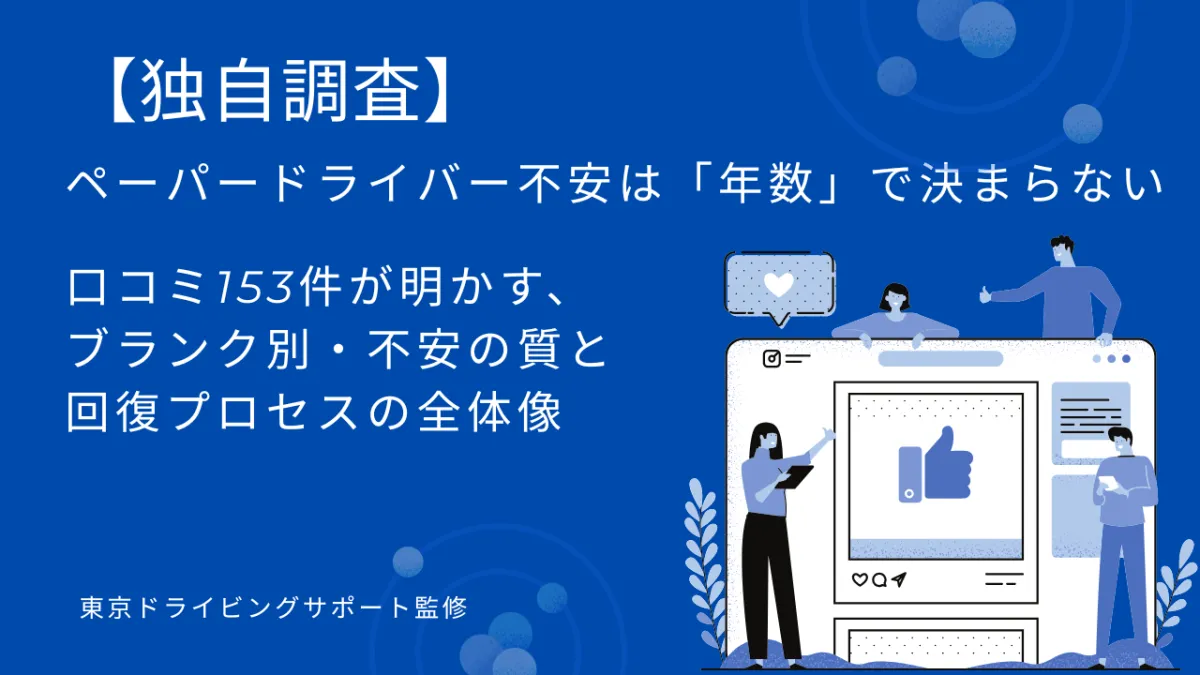
Unlocking the Psychological Barriers: Paper Driver's Road to Confidence Post-Hiatus
Understanding the Emotional Journey of Paper Drivers
In a recent comprehensive analysis by Tokyo Driving Support (TDS), insights from 153 Google reviews provided a detailed glimpse into the emotional landscape experienced by paper drivers. These drivers, often with a significant gap in their driving experience, showcase varying degrees of anxiety and need for support as they attempt to regain a lost skill.
The Emotional Charge Behind Reviews
The nature of the reviews gathered highlights a strong emotional component. Words like 'anxiety,' 'fear,' and 'tension' weren't just expressions of distress; they represented complex emotional backstories tied to personal lives and past experiences. By plumbing into these nuanced expressions, TDS aimed to foster transparency for prospective students and derive actionable insights to improve services.
Objective Analysis Process
The analysis employed a third-party methodology to ensure impartiality and objectivity. All 153 reviews were meticulously categorized and examined, facilitating a multifaceted understanding of the data. Utilizing tools such as Snowflake for data management and Sigma for visualization, analysts were able to dissect various aspects, including the duration of driving hiatuses and anxiety levels correlated with evaluations.
Key Findings of the Study
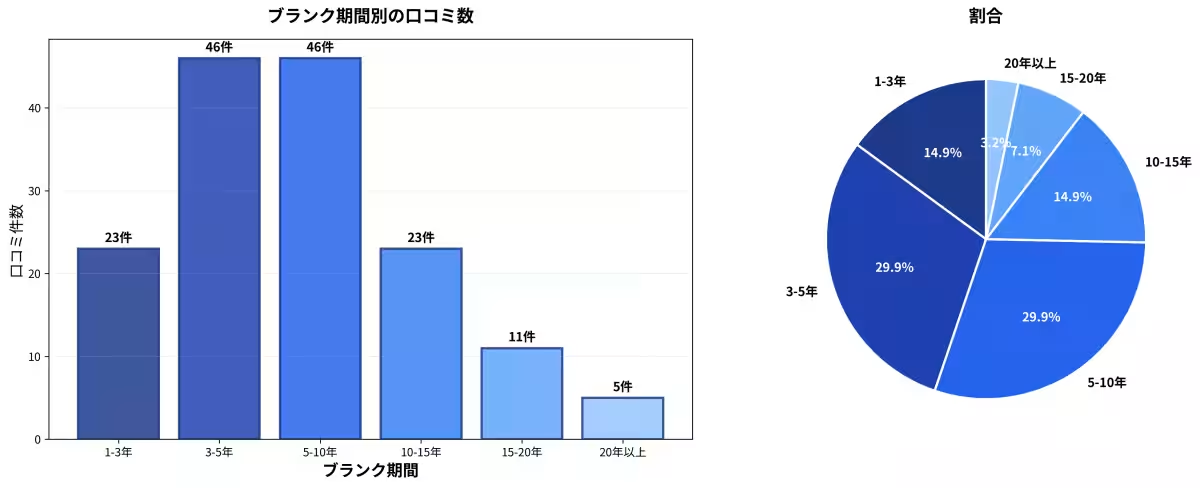
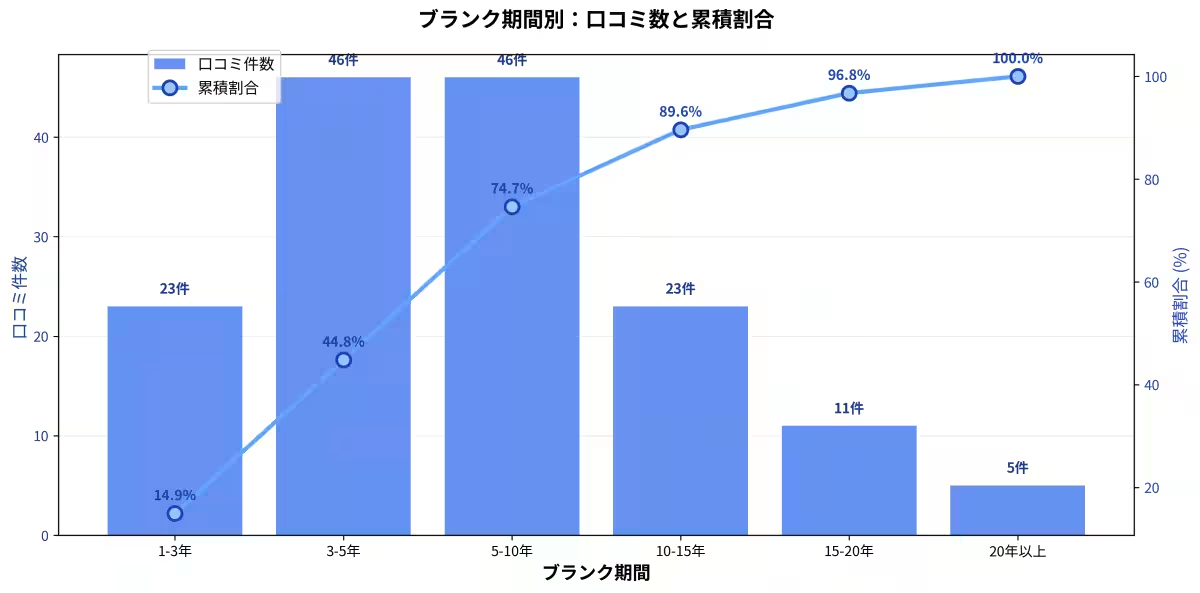
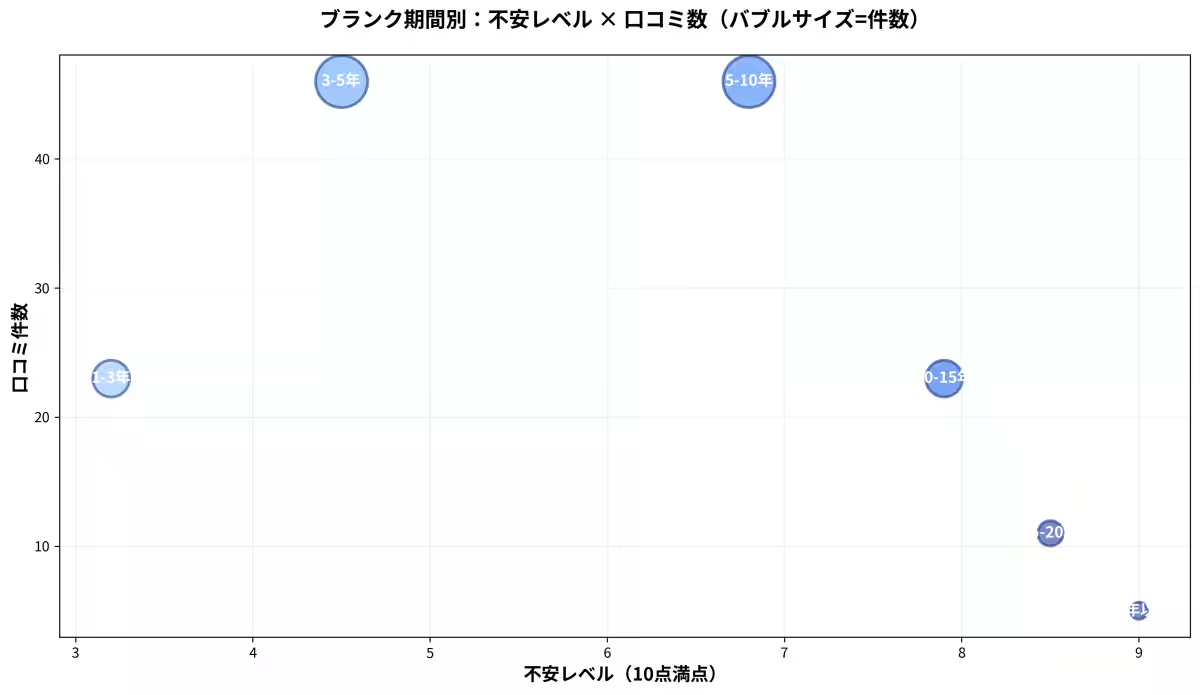
1. Duration of Driving Hiatus: Approximately 60% of individuals identified in the reviews had a break ranging from 3 to 10 years, marking the primary demographic that requires support.
Among the data, both the 3-5 year and 5-10 year segments were most prevalent, reinforcing the idea that these individuals are not novices but rather, experienced drivers who have developed apprehensions towards resuming driving.
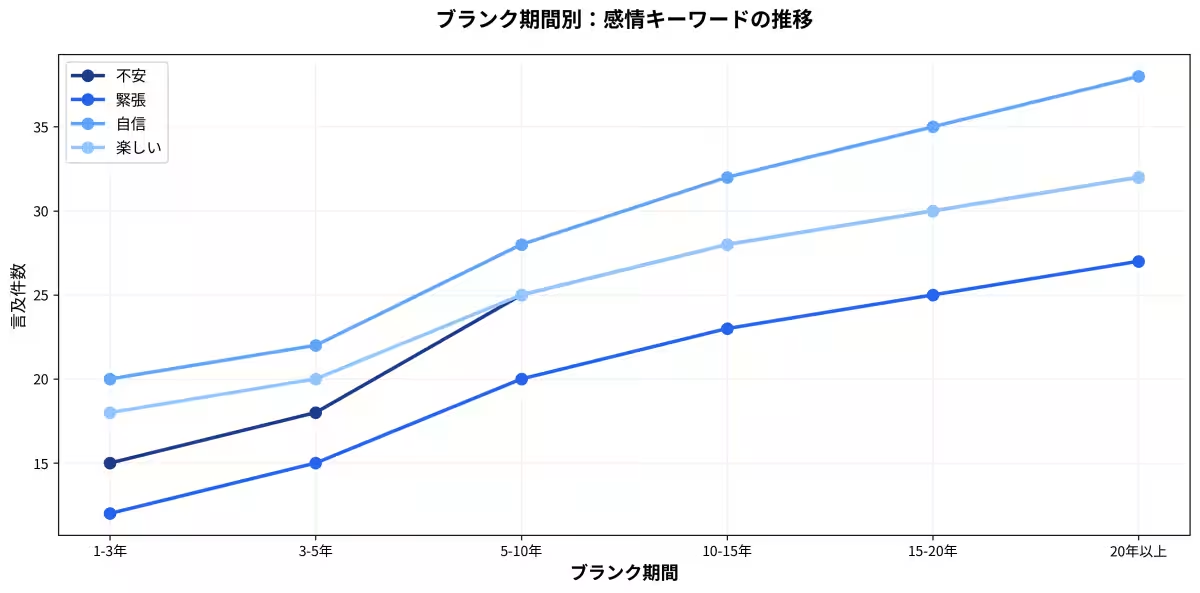
2. Cumulative Anxiety Trends: The analysis showed that anxiety manifests significantly after a gap of three years, becoming more pronounced by the 5-10 year mark before stabilizing beyond ten years. This indicates a structured evolution of anxiety from mere self-awareness to action-oriented behaviors over time.
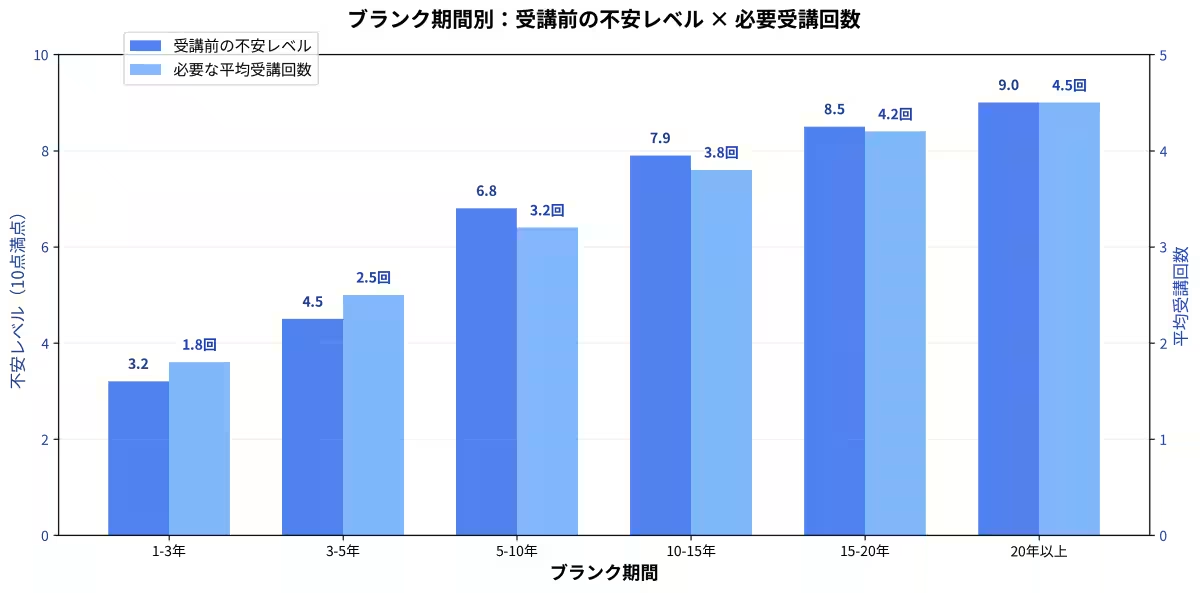
3. Anxiety Levels and Required Support: The study revealed a direct correlation between higher anxiety levels and an increased need for driving lessons. As the duration of absence from driving lengthens, so too does the necessity for intensive support.
Notably, individuals with a 5-10 year break typically require more frequent lessons, suggesting that their anxiety may strengthen, thus complicating the return process.
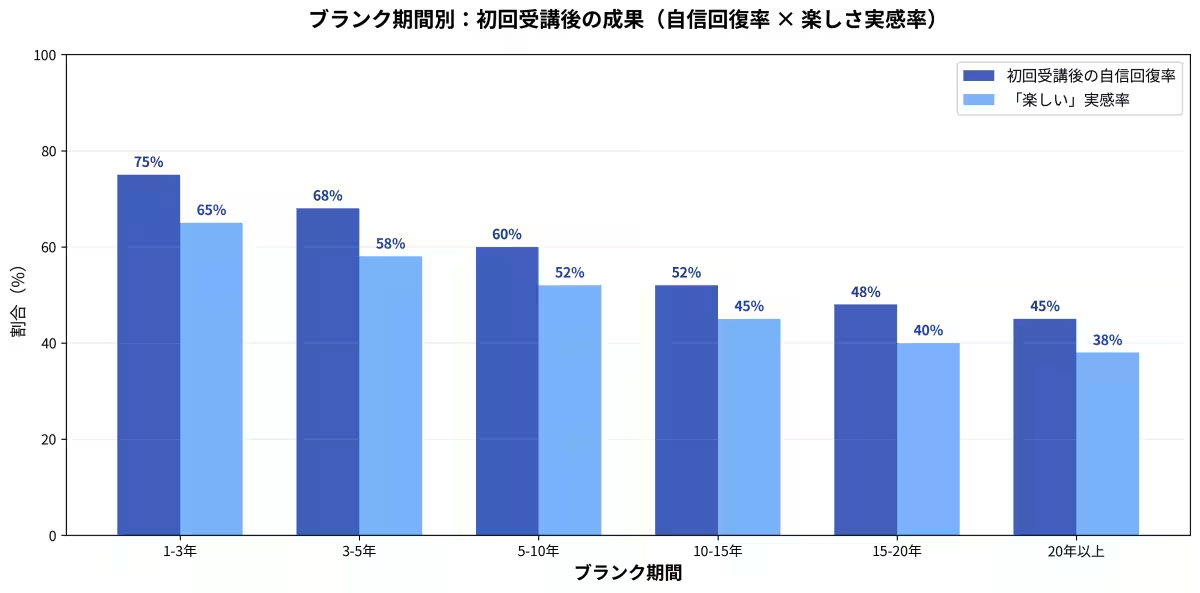
4. Initial Lesson Outcomes: Data indicated that after the first lesson, boosting confidence preceded the enjoyment of driving experience across all demographics. The longer the hiatus, the more significant the first lesson's role becomes as a confidence-building exercise.
5. Distinguishing Anxiety from Tension: While anxiety is primarily cognitive, tension tends to manifest as physical responses, reflecting a nuanced understanding of how both elements interplay in the anxious driver’s psyche. Special emphasis was noted on the significant spike of anxiety within the 5-10 year bracket.
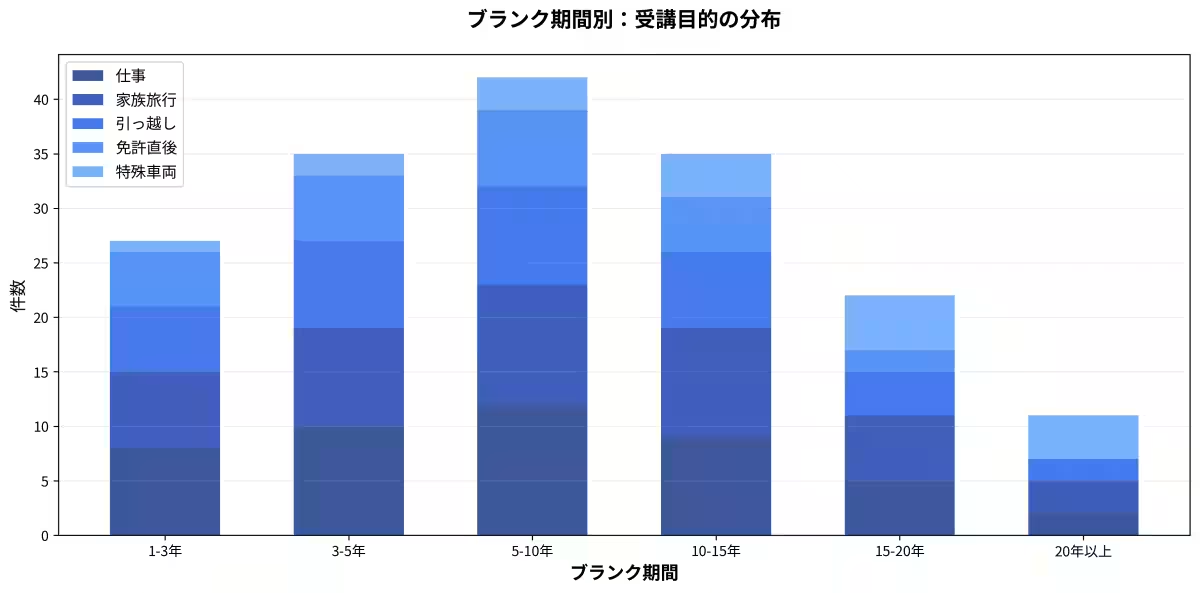
6. Shifting Goals Based on Hiatus Duration: The motivations for resuming driving change with the length of the hiatus. For instance, individuals with a shorter break may experience a renewed sense of urgency fueled by residual skills, whereas those with extended gaps require compelling life motivations such as job obligations or familial responsibilities.
7. Link Between Anxiety Levels and Review Activity: There exists a critical junction in the 3-10 year hiatus period where the interplay between anxiety and necessity spurs a higher volume of reviews, reflecting a pivotal transformation in the drivers’ mindset.
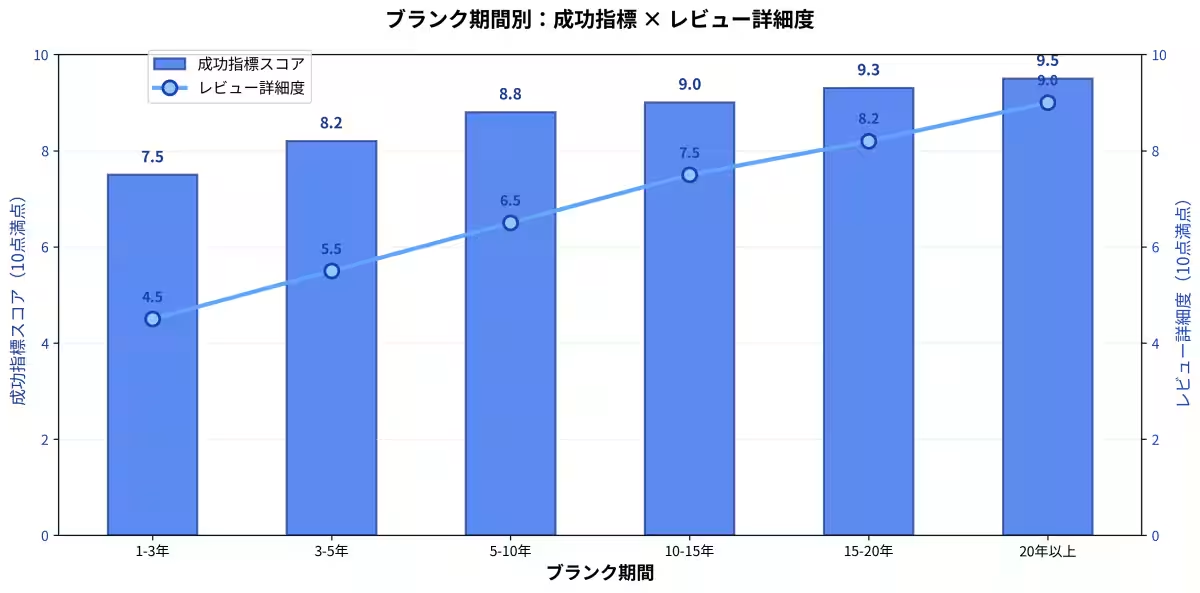
8. Quality of Success and Review Depth: Longer hiatuses contribute to richer reviews that articulate successful driving experiences, as opposed to succinct summaries in the shorter break segments. This deepening of reflection suggests that these returnees experience substantial life changes that they feel compelled to articulate more fully.
Conclusion
This analysis serves not just as a statistical representation but as a narrative arc that portrays the nuanced journey of reclaiming driving confidence. It underscores that the essence of support transcends mere technical instruction; rather, it involves crafting tailored experiences that resonate with personal motivations and emotional journeys for each individual. TDS aims to continuously refine its approach by integrating analytics with practical experiences to foster a supportive environment for future drivers, ensuring they feel equipped and empowered when back on the road.
Tokyo Driving Support: An Overview
Tokyo Driving Support specializes in comprehensive driving lessons tailored to the unique needs of paper drivers, including psychological counseling, safe driving checks for seniors, and specific programs for parents and foreign visitors. The focus is on creating a supportive, customized experience to aid in the seamless transition back into driving.
For more information, please reach out to our PR representative at [email protected] or call 0120-763-818. Additionally, our services have been featured in several media outlets, underscoring our commitment to transparent and effective driver support.
Topics Consumer Products & Retail)
【About Using Articles】
You can freely use the title and article content by linking to the page where the article is posted.
※ Images cannot be used.
【About Links】
Links are free to use.