



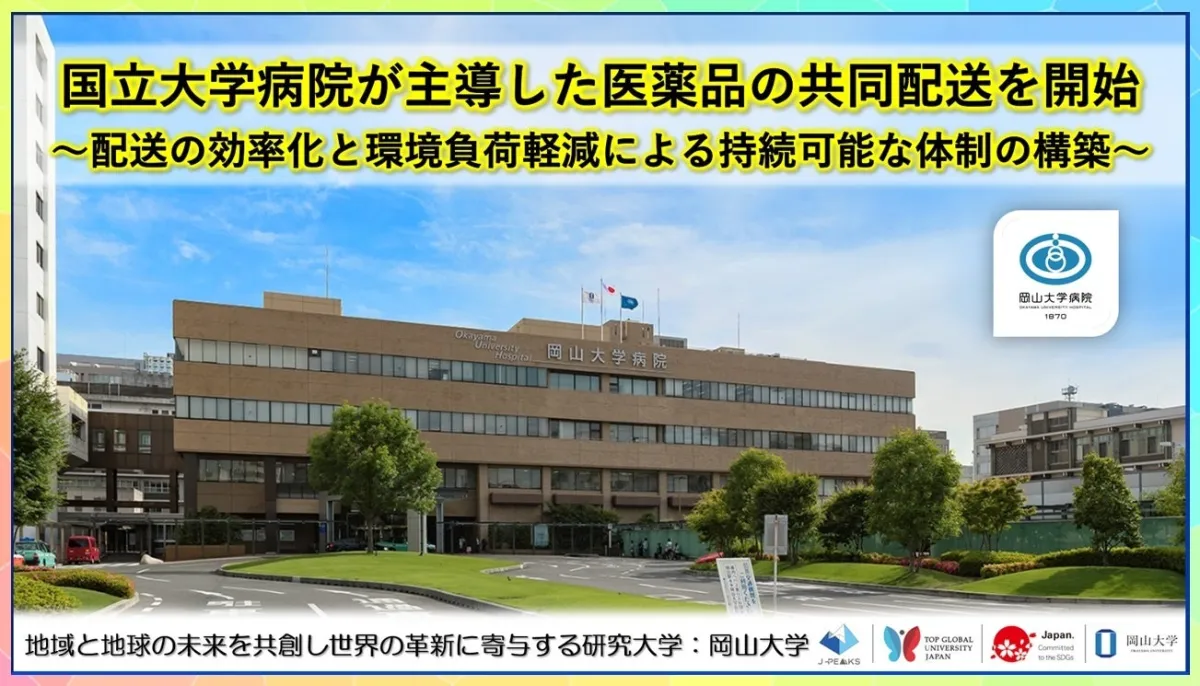
Okayama University and City Hospital Launch Collaboration for Sustainable Drug Delivery System
Innovative Drug Delivery System Launched in Okayama
In a groundbreaking move towards improving healthcare logistics, Okayama University and Okayama City Hospital have initiated a joint drug delivery system, commencing on June 1, 2026. This initiative marks the first collaboration of its kind between a national university hospital and a public hospital in Japan, showcasing a significant step towards streamlining drug supply chains and reducing environmental impacts.
Significance of the Initiative
This innovative approach aims to tackle several pressing challenges faced by the healthcare sector, particularly in drug logistics. Key concerns such as overlapping deliveries, increased transportation costs, and excessive vehicle usage have prompted a need for an efficient system. By collaborating, the two hospitals and their associated pharmaceutical wholesalers are setting a new standard in the industry.
The project's primary goals include:
1. Enhancing Efficiency and Stability: Streamlining drug delivery processes to ensure a steady supply of pharmaceuticals for both hospitals.
2. Standardizing Delivery Protocols: Creating uniform standards to simplify the receipt and handling of medications at each facility.
3. Reducing Environmental Footprint: Decreasing the number of delivery vehicles on the roads, thereby minimizing carbon emissions and other environmental impacts.
Collaborative Efforts
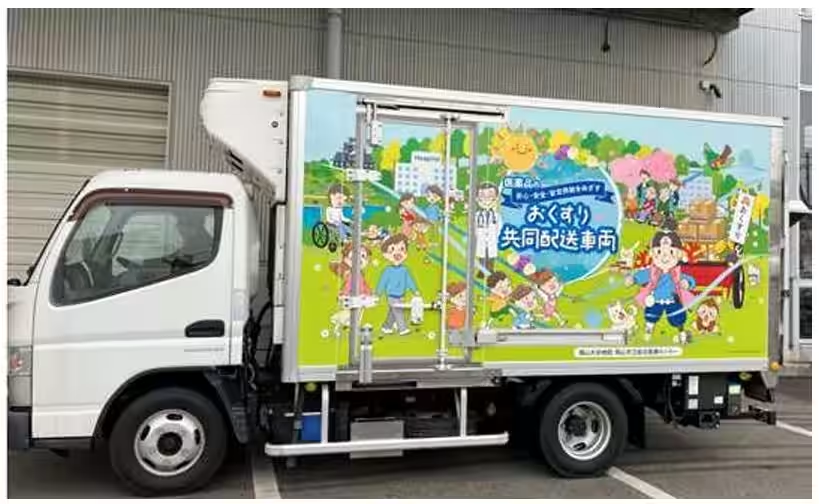
The new delivery system involves a single logistics company that consolidates shipments from multiple drug wholesalers. This not only optimizes the delivery schedule but also reduces the overall workload on hospital staff and logistical resources. To facilitate this, specially wrapped trucks will collect drugs twice daily from various wholesaler locations, ensuring efficient and coordinated deliveries to both hospitals.
This initiative is also in line with the guidelines established for improving the distribution of medical products, which highlight the importance of a reliable supply chain in healthcare settings. By working together, Okayama University and Okayama City Hospital are setting a precedent for similar future collaborations across the country.
Broader Implications
The launch of this joint drug delivery system reflects a comprehensive approach to healthcare logistics, emphasizing collaboration among various stakeholders, including hospitals, distributors, and logistics providers. By addressing the inherent challenges in drug supply, this partnership not only benefits the institutions involved but also enhances the overall healthcare infrastructure in the region.
The collaborative model serves as an illustration of how healthcare facilities can innovate and adapt to meet changing demands while promoting sustainability. As healthcare systems worldwide increasingly prioritize environmental responsibility, initiatives like this highlight the potential for significant advancements in operational efficiency.
Conclusion
In conclusion, the joint drug delivery system established by Okayama University Hospital and Okayama City Hospital stands as a pioneering effort towards sustainable healthcare logistics in Japan. With the flexibility and innovation inherent in this new approach, both institutions are poised to improve patient care outcomes while actively contributing to environmental sustainability. This initiative sets an inspiring example for healthcare systems across the globe, encouraging them to seek collaborative solutions to meet today's pressing challenges.

Topics Health)
【About Using Articles】
You can freely use the title and article content by linking to the page where the article is posted.
※ Images cannot be used.
【About Links】
Links are free to use.