



Okinawa Children Engage with History Through Gaming at Teravit Event
Empowering Okinawa's Youth Through Gaming
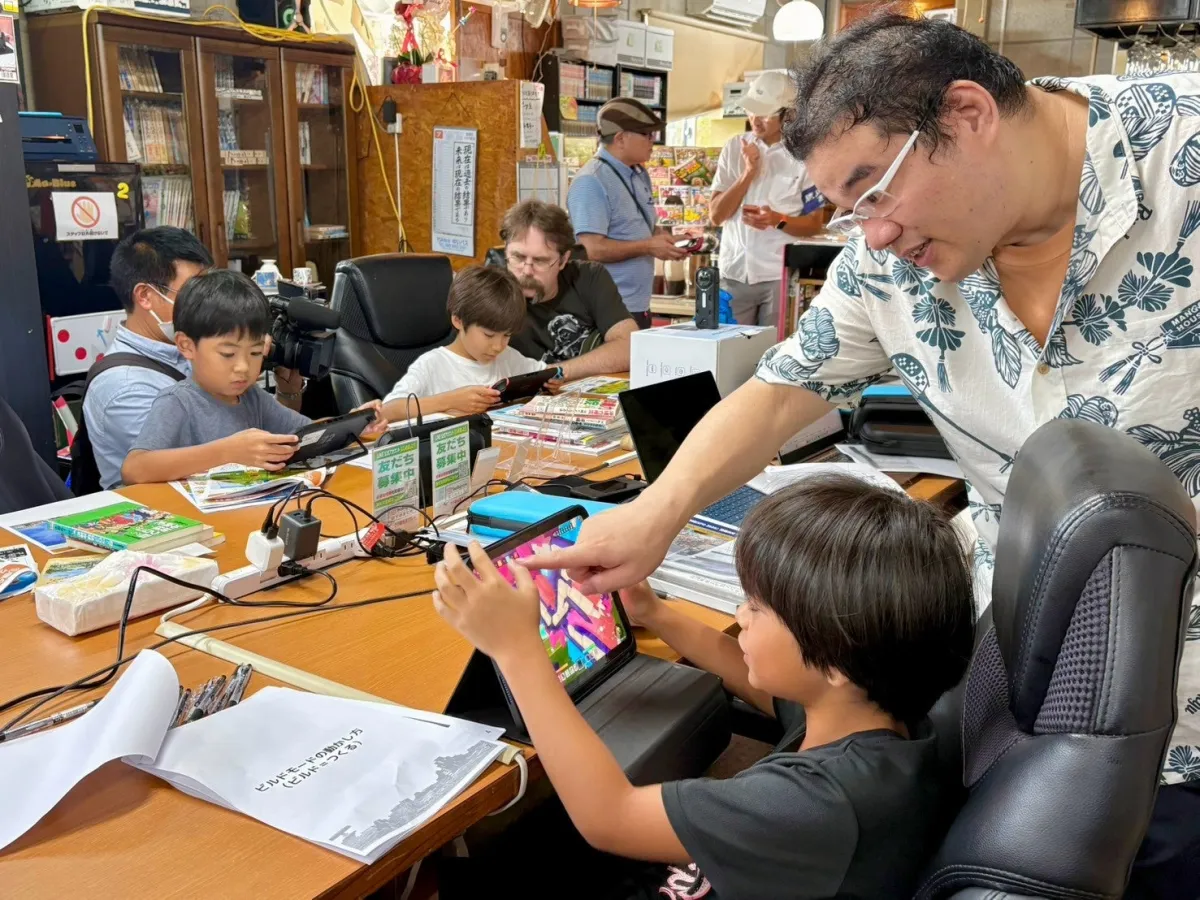
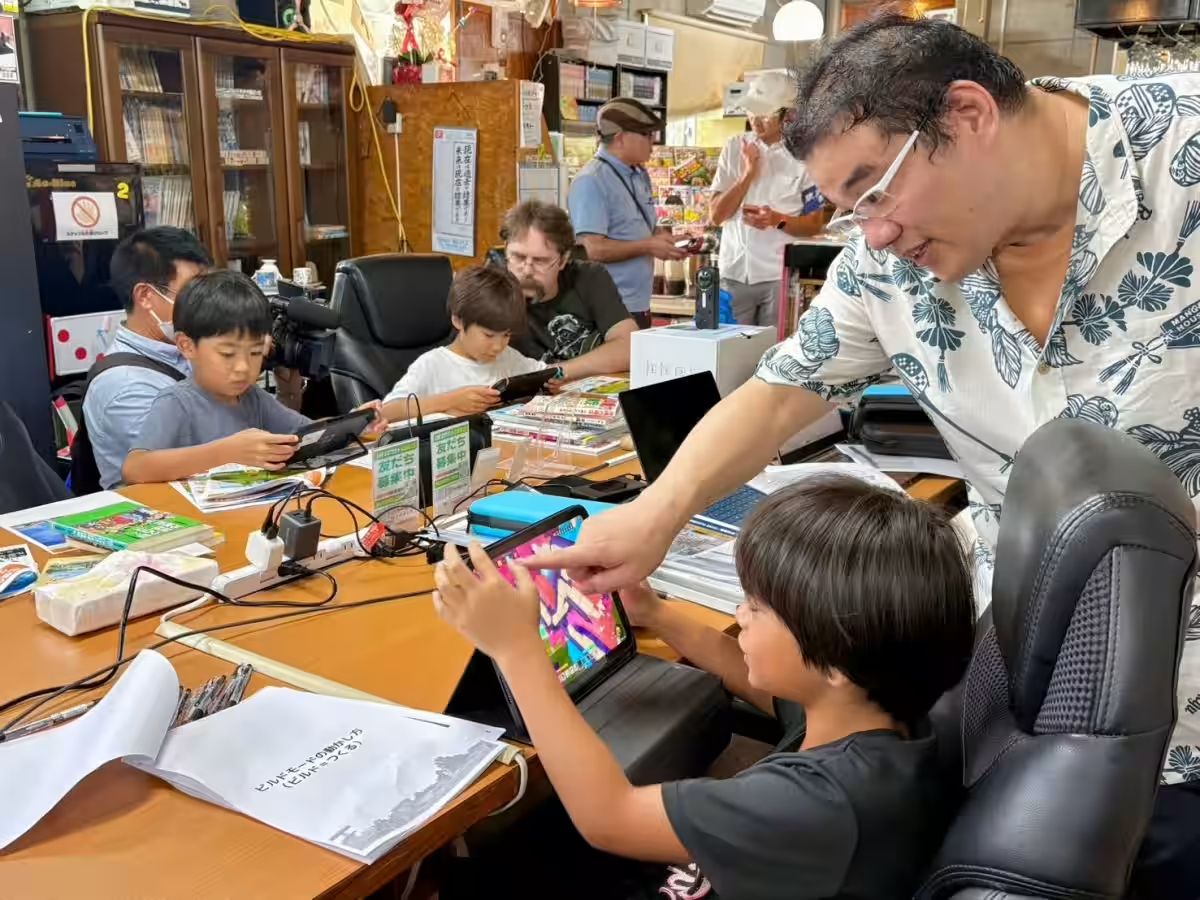
In late July, CyberStep Inc. held an exciting series of game development events in Okinawa, aiming to combine creativity, critical thinking, and local history through their sandbox game, Teravit. The events took place in two locations, the Sansu Cafe in Kitnaka Okinawa Village and the Eiraku Community Center in Okinawa City, on July 30 and 31, 2026. This initiative is part of their larger community outreach program, the "Smile Step Project," aimed at nurturing children and young individuals in Okinawa.
Discovering Questions at Sansu Cafe
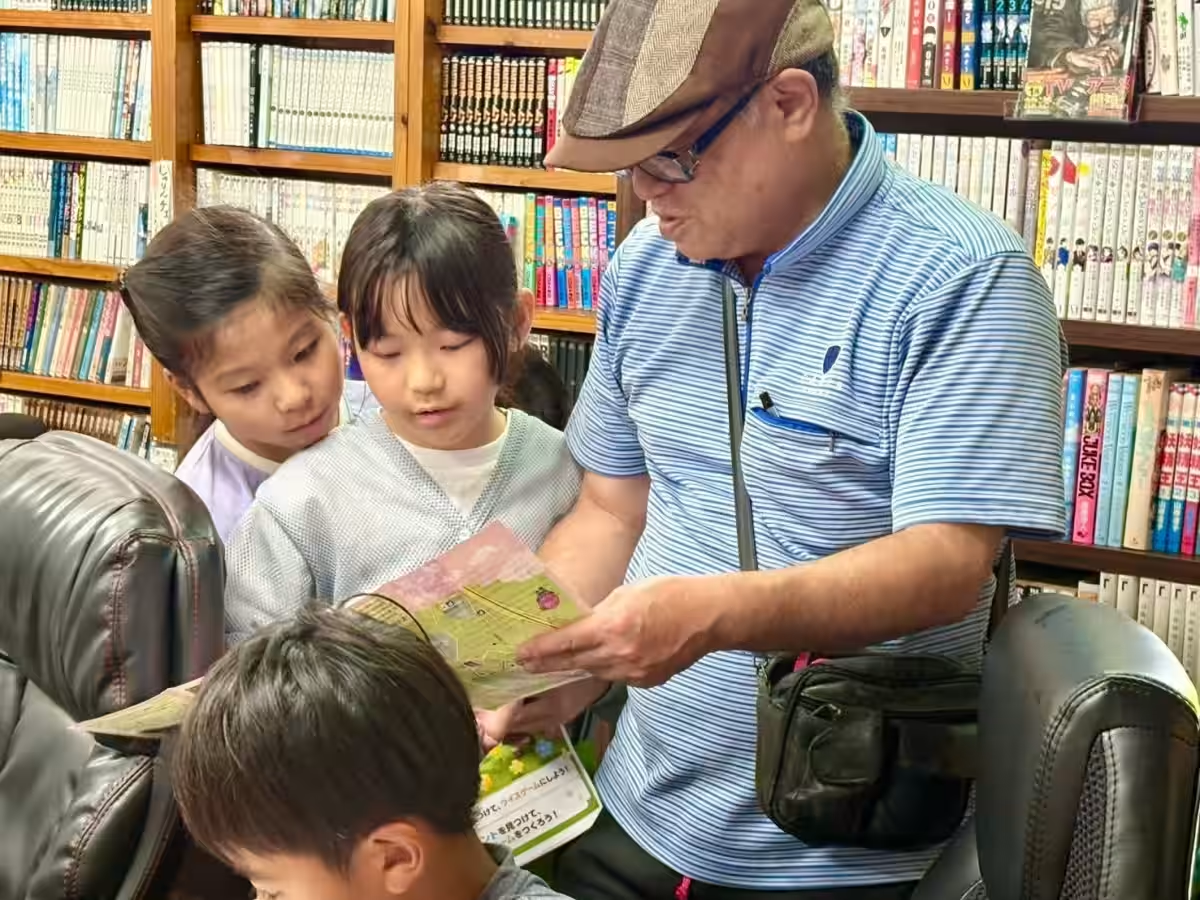
On the first day at the Sansu Cafe, a cozy venue filled with books and various playful elements, approximately 15 children participated in an engaging program designed to turn their everyday wonders into quiz questions. Facilitated by the cafe's owner, Izumi, the children wandered through the cafe, looking for intriguing topics to formulate into quiz games. They examined clocks, comics, and reference materials, each question serving as both a personal inquiry and a potential theme for their summer research projects.
With Izumi's guidance, the children transformed their curiosities—"Why is the clock shaped like that?" or "How many comic books are here?"—into clear, structured questions that they would later use to create interactive quizzes within the Teravit game environment. This exercise emphasized the learning process, encouraging kids to notice and question their surroundings. Ultimately, their quiz games would serve a dual purpose, also feeding into their independent summer research pursuits.
The Eiraku Community Center Project
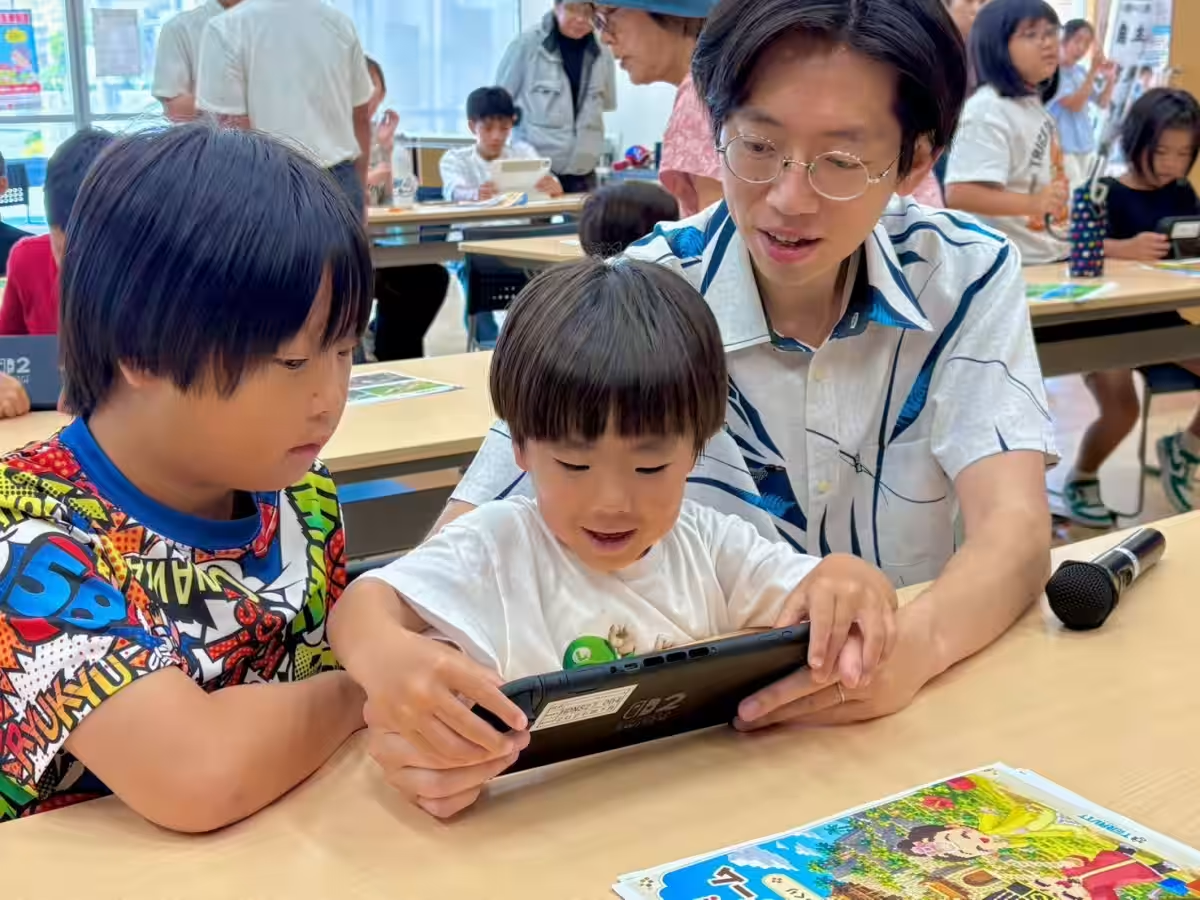
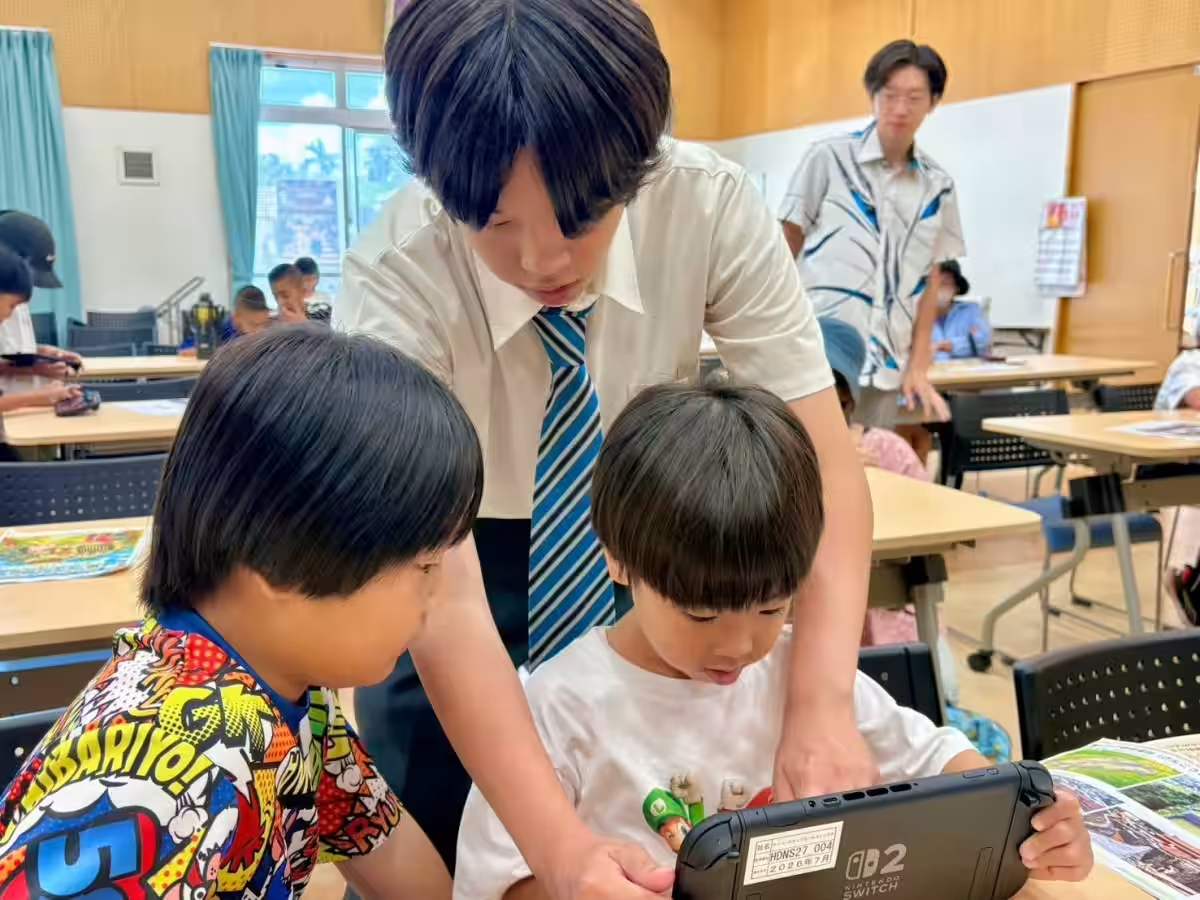
The following day at the Eiraku Community Center, the focus shifted towards local history. Children began working on the "Eiraku Castle Reconstruction Project," aiming to digitally recreate the historical site of Eiraku Castle within Teravit. CyberStep provided a foundational game world to facilitate the reconstruction efforts. Approximately 30 children teamed up, with support from student volunteers from the local Misaki Technical High School, who assisted in helping them navigate the game's functionalities as they meticulously rebuilt their historical heritage together.
This initiative infused historical education into a hands-on creative environment. It was more than just about recreating a structure—it was about fostering a strong connection between the children and their community's heritage. The children engaged in teamwork, discussing the significance of Eiraku Castle while making decisions about the digital representation of historical elements. Their creations are set to be showcased at the "2026 Okinawa City Welfare Festival" in November, allowing them to share their hard work and research with the broader community.
Nurturing Curious Thinkers
While one venue focused on individual inquiry through quiz creation, the other emphasized collaborative efforts in historical preservation. Such differentiation catered to the interests and needs of the children in each community.
Beyond simply playing Teravit, CyberStep aims to empower young people to think critically, create, and generate discourse about their surroundings through various creative opportunities. By adapting the themes and experiences based on local context and participants' interests, CyberStep effectively fosters inquiry-based learning that resonates with children’s lives and communities.
Continuing the Journey
CyberStep envisions leveraging the unique features of Teravit further in upcoming projects, encouraging children to uncover their inquiries, manifest their ideas, and communicate their own knowledge about their communities. Through ongoing collaborations with community organizations and educational sectors, they hope to expand the potential of these impactful experiences. The beauty of initiatives like these lies in their capacity to connect youth, engage them in culture, and inspire creativity and curiosity, which are foundational for personal and community growth.
In a world where gaming often gets a bad rap, CyberStep’s innovative approach demonstrates how video games can be a powerful tool for education and cultural preservation, especially in nurturing the bright minds of tomorrow in Okinawa.

Topics Entertainment & Media)


【About Using Articles】
You can freely use the title and article content by linking to the page where the article is posted.
※ Images cannot be used.
【About Links】
Links are free to use.