



CRRA Raises 100 Million Yen for Innovative CO2 Capture Technology
CRRA's Groundbreaking Fundraising for CO2 Capture Technology
In a remarkable stride towards combating climate change, the Carbon Recovering Research Agency (CRRA), under the leadership of 25-year-old chemical engineer Fumi Muraki, has successfully raised over 100 million yen. This funding marks a significant milestone as CRRA aims to commercialize Japan's first medium-sized Direct Air Capture (DAC) technology, a revolutionary approach to carbon capture that directly filters CO2 from the atmosphere.
The capital was raised through a combination of equity financing (including J-KISS type stock acquisition rights) and debt financing. Among the over 70 contributors to this funding round were individual and corporate investors, including the publicly traded Tokai Rika Co., Ltd. This diverse investment reflects the growing interest and importance of CO2 reduction technologies in today's business landscape.
CRRA stands out as the first independent research organization in Japan focused solely on the technology of CO2 capture. It has achieved the unique integration of developing, mass-producing, and socially implementing small-scale DAC technologies. Utilizing its globally competitive, compact DAC technology, CRRA plans to accelerate the implementation of its newly developed next-generation CO2 absorbents from the CX series and the world's first cost-effective industrial medium-sized DAC module, dubbed “Hiyasshi Papa.”
Understanding DAC Technology
At CRRA, DAC refers specifically to Direct Air Capture, a technology designed to directly capture CO2 from the atmosphere. This approach excludes CO2 capture from emissions generated by industrial processes or combustion, which are classified under 'point source' technologies. Thus, independent membrane technologies or business models based on these sources are considered distinct from DAC.
A Look Back at CRRA's Foundation
Originally established in 2020 as a general incorporated association, the CRRA organization shifted to a profit-oriented entity while maintaining its focus on DAC technology. At its inception, CRRA was the only organization in Japan dedicated to the commercial application of DAC technologies, highlighting its pioneering role in the sector.
The Vision of Small-Scale DAC
To effectively address climate change, introducing negative emission technologies that can significantly reduce CO2 emissions is crucial. Among these, DAC stands out as the only method capable of directly extracting CO2 from the atmosphere. Fumi Muraki, CRRA's director, began research in this area in 2010, coinciding with the early development of DAC technologies worldwide, and has spent nearly a decade advancing foundational technology.
Traditional DAC systems have relied heavily on large-scale plants, which have hindered widespread adoption. Recognizing the limitations of these larger systems, CRRA has embarked on a mission to develop DAC technologies suitable for everyday environments. This commitment has culminated in the creation of the suitcase-sized CO2 capture device, “Hiyasshi,” positioning CRRA as a leader in the development, mass production, and implementation of small DAC systems in Japan.
Small-scale DAC technology serves as CRRA's core concept. While the CO2 capture capacity of these smaller devices is less than that of large-scale systems, deploying multiple parallel units allows for scalability to equal capacities of larger installations. Moreover, having compact devices that can be placed directly within living spaces offers unique benefits, such as improving air quality and creating educational opportunities, fostering a greater societal awareness of CO2 capture.
Introduction of Hiyasshi Papa
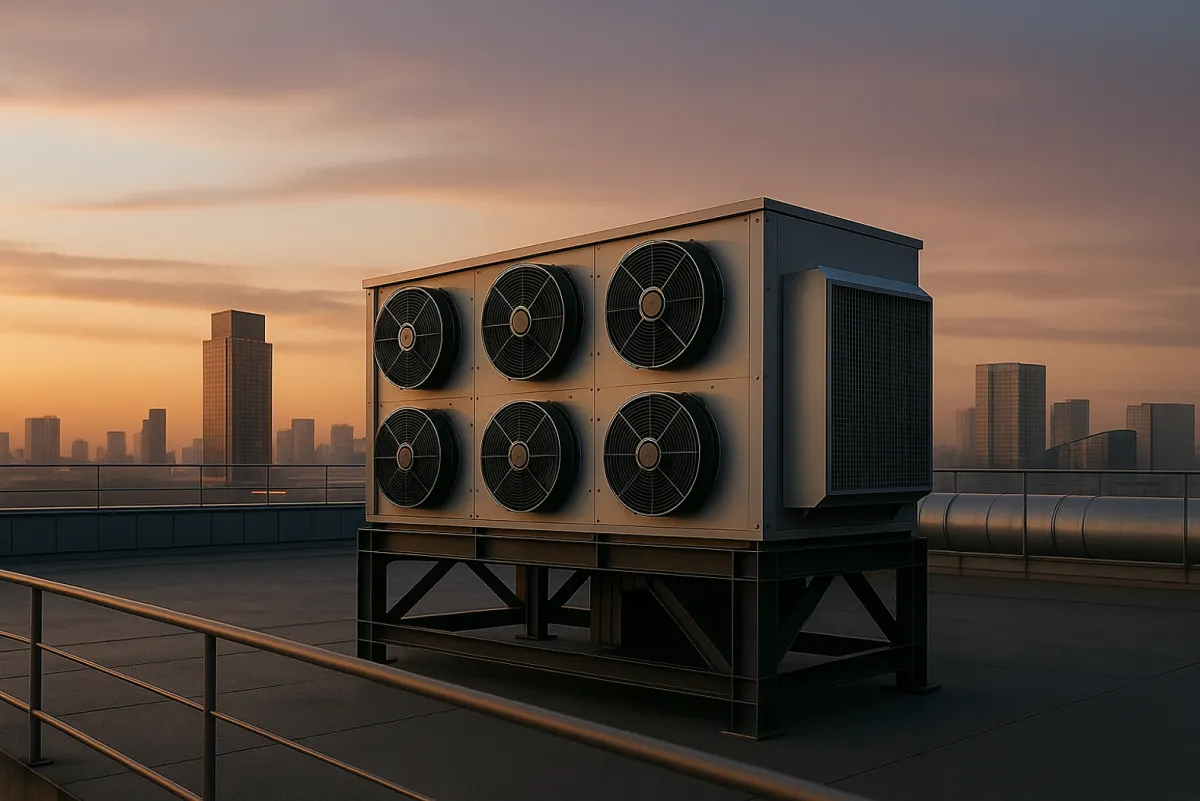
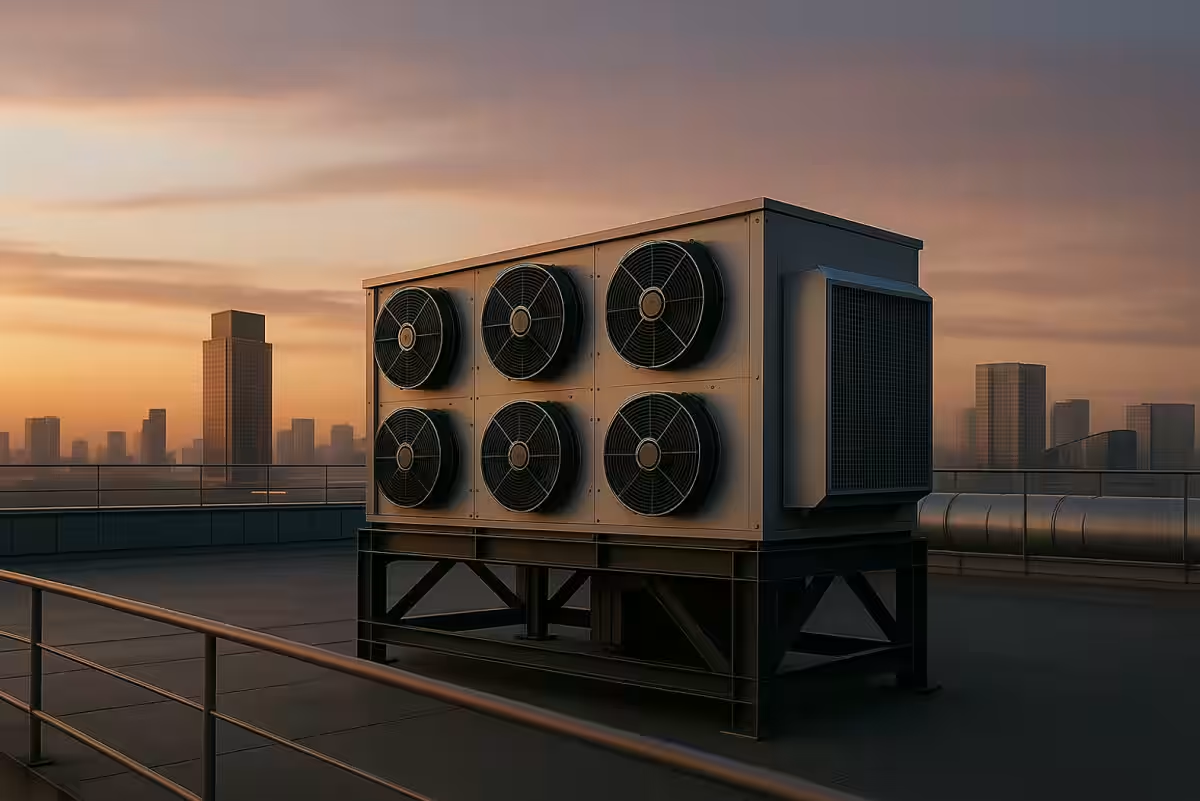
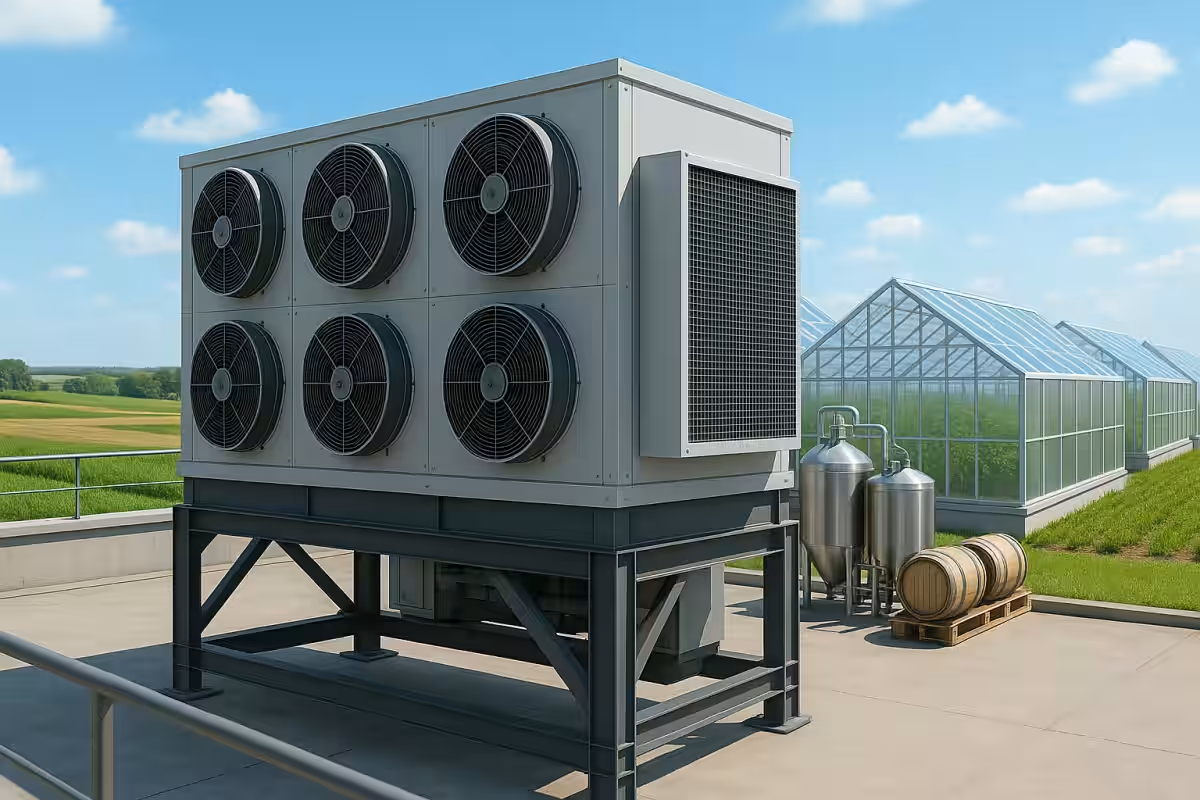
Building upon the design philosophy of the compact Hiyasshi, the new business-use DAC unit, Hiyasshi Papa, expands CO2 capture capabilities significantly. Despite this increase in capacity, the physical footprint remains considerably smaller compared to traditional DAC units, embodying CRRA's commitment to the decentralization of CO2 capture technology.
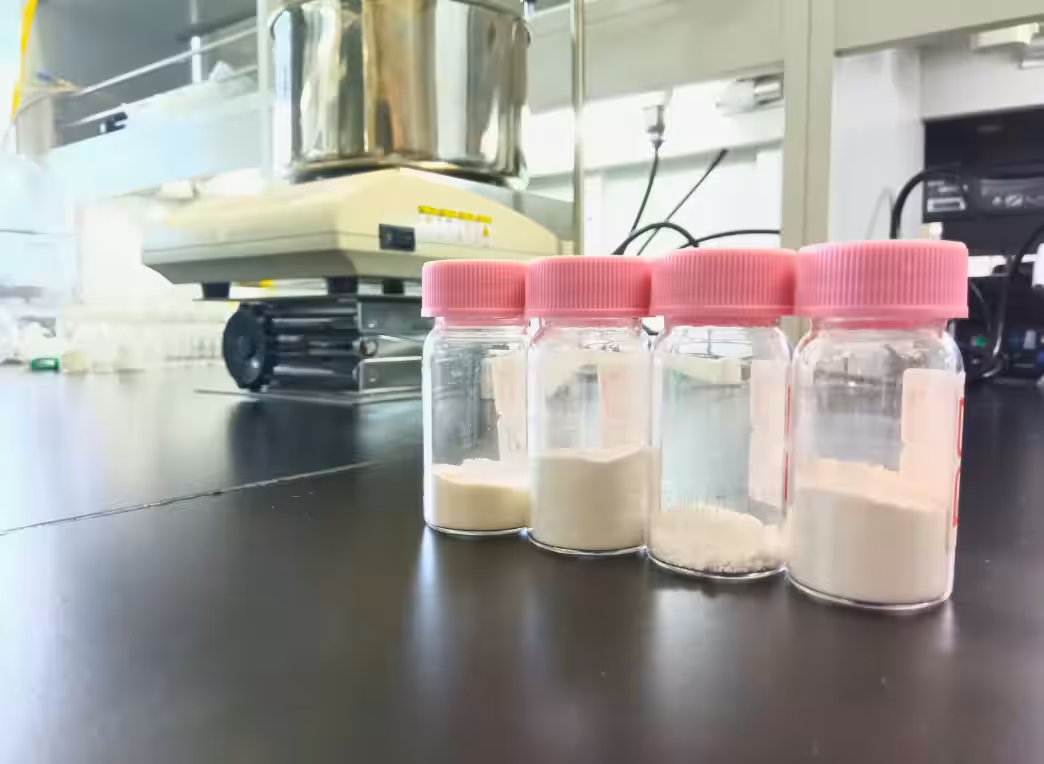
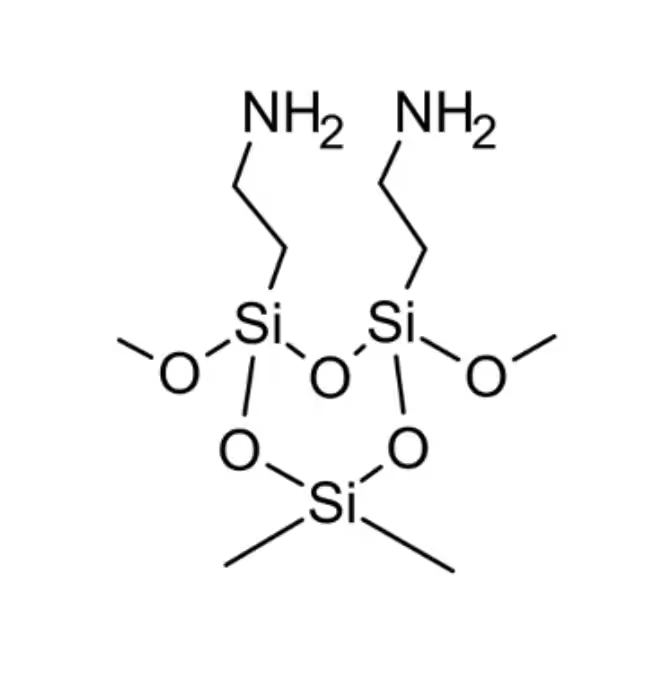
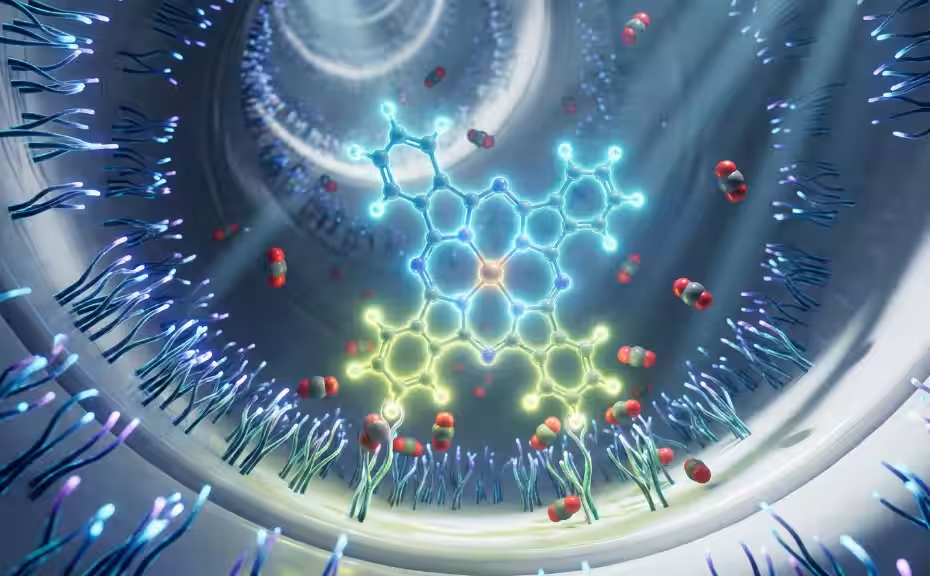
The core of Hiyasshi Papa's performance lies in CRRA’s proprietary next-generation CO2 absorbent – amine-modified mesoporous silica. This advanced material features a highly ordered porous structure which enables efficient and selective CO2 adsorption while ensuring durability over time. By optimizing the structure of the functional groups, CRRA has improved selectivity and addressed challenges associated with water co-adsorption that previously affected liquid amine absorbents.
Currently, CRRA is preparing an international patent application for this innovative material, with detailed information set to be released in stages.
The synthesis of porous materials has often involved complex and high-temperature processes, but CRRA has achieved an environmentally conscious low-temperature one-pot synthesis method. This allows for a streamlined process that reduces energy consumption while considering CO2 emissions at the synthesis phase.
Hiyasshi Papa Specifications
- - CO2 Capture Volume: Approximately 30 tons of CO2 per unit annually
- - Dimensions: Width 3m × Depth 2m × Height 2.5m (outdoor compatible)
- - Price: Please inquire further for details
Competitive Advantages of Hiyasshi Papa
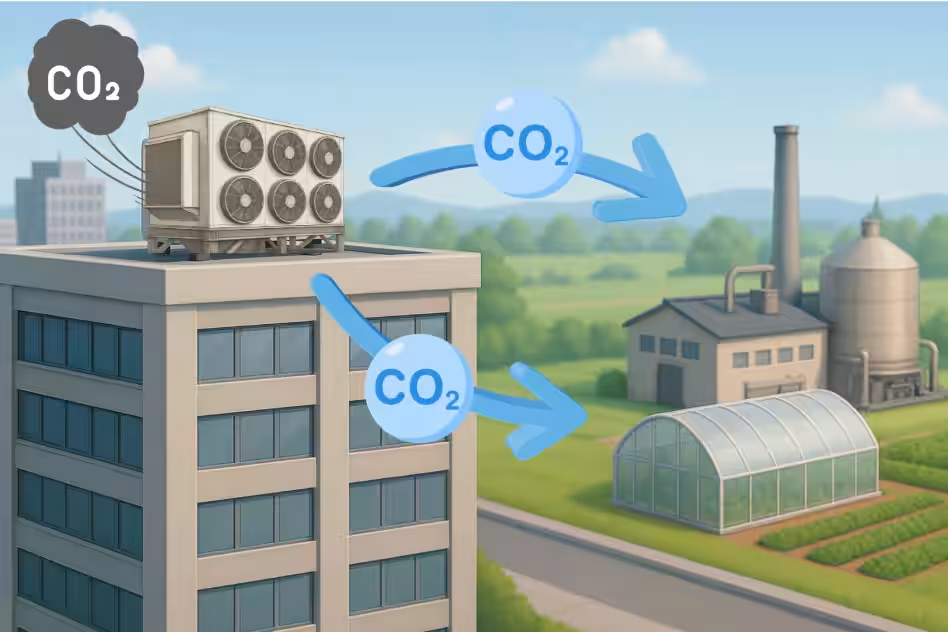
1. Dual Value Creation: The captured CO2 can be utilized internally or sold, creating new economic opportunities for companies through the “selling carbon” model. This approach turns the traditional assumption of decarbonization as a cost into a marketable asset.
2. High Efficiency: Utilizing the unique amine-modified mesoporous silica absorbent allows for CO2 desorption at a low temperature of 60 degrees Celsius, thus promising a high-efficiency, low-cost CO2 capture process.
3. Targeting Unexplored Markets: While competitors focus on large-scale plants, CRRA targets the untapped small DAC market, primarily aiming at industries with CO2 needs, such as beverages and horticulture.
Future Developments
With this new funding, CRRA is transitioning into the post-seed phase, aiming to manufacture the first Hiyasshi Papa unit and conduct proof of concept (PoC) tests. Plans for a significant fundraising round of approximately 250 million yen are underway, while discussions with both domestic and international investors are ongoing. Future objectives include synthesizing ethylene from captured CO2 and developing a “CO2 economy” that rewards participants based on capture volume.
In conclusion, CRRA, driven by its passionate team, continues to innovate in CO2 capture technology, aiming for a future where every community plays a role in addressing climate change. The company looks forward to welcoming new partners and investors who share this vision, fostering a collaborative effort towards a cleaner, more sustainable planet.
For inquiries, please contact:
- - CRRA Communications Division: [email protected]
Company Overview
- - Name: CRRA (Carbon Recovering Research Agency)
- - Founded: October 5, 2017
- - Incorporated: April 7, 2020
- - Establishment: May 7, 2024
- - Location: 135-0064 Tokyo, Koto-ku, Aomi 2-7-4
- - Capital: 50,000,000 yen
- - Main Activities: Development and sale of DAC devices, research and commercialization of CO2 absorbents, and sale of clean CO2.


Topics Environment)
【About Using Articles】
You can freely use the title and article content by linking to the page where the article is posted.
※ Images cannot be used.
【About Links】
Links are free to use.