



Bridging the Nutrition Gap: Kodomo Furusato Delivery Donates Rice to Children in Need
Bridging the Nutrition Gap: Kodomo Furusato Delivery Donates Rice to Children in Need
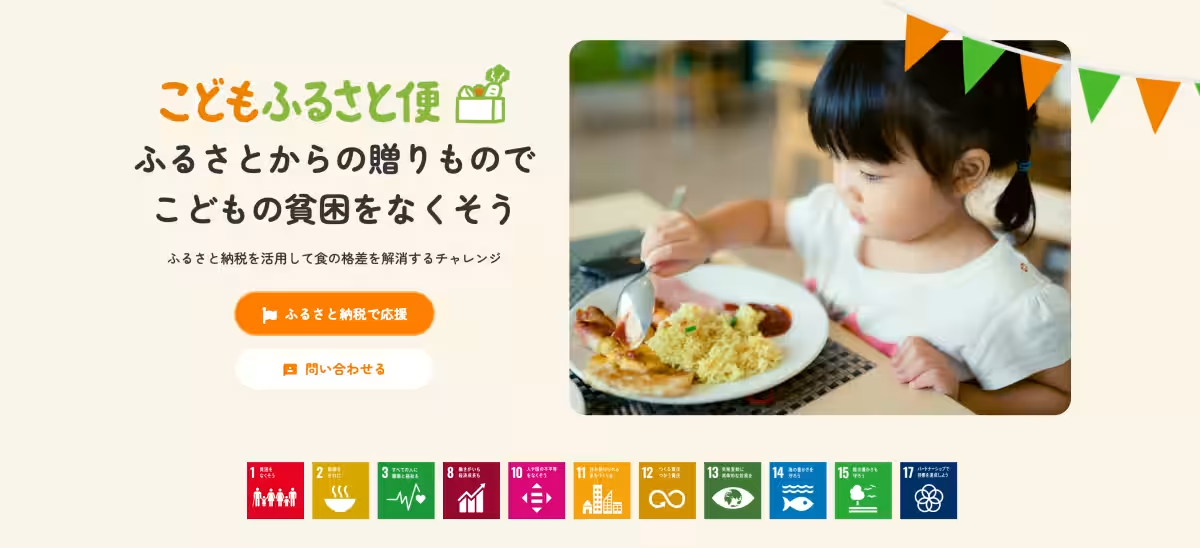
In recent times, the disparity in children’s access to food has become an alarming issue across Japan. In a commendable initiative aimed at addressing these challenges, Nessuu Inc., based in Setagaya, Tokyo, has launched the "Kodomo Furusato Delivery" program. This initiative utilizes local produce funded through the hometown tax donation scheme to support children's cafeterias and single-parent households.
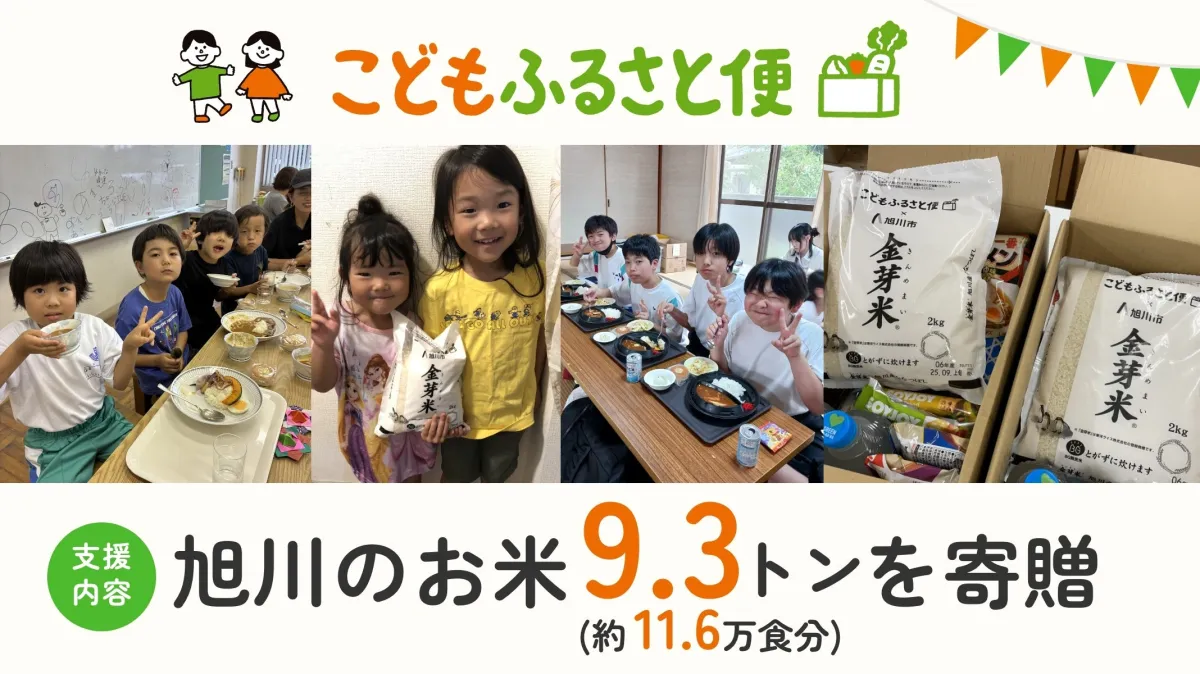
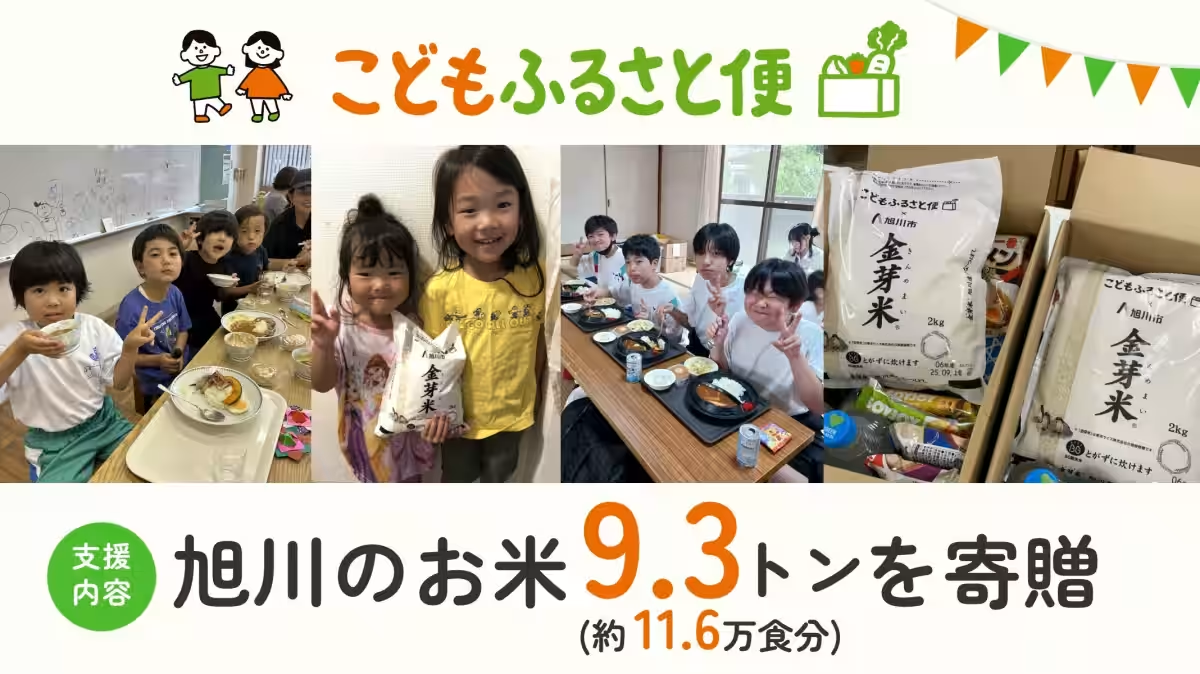
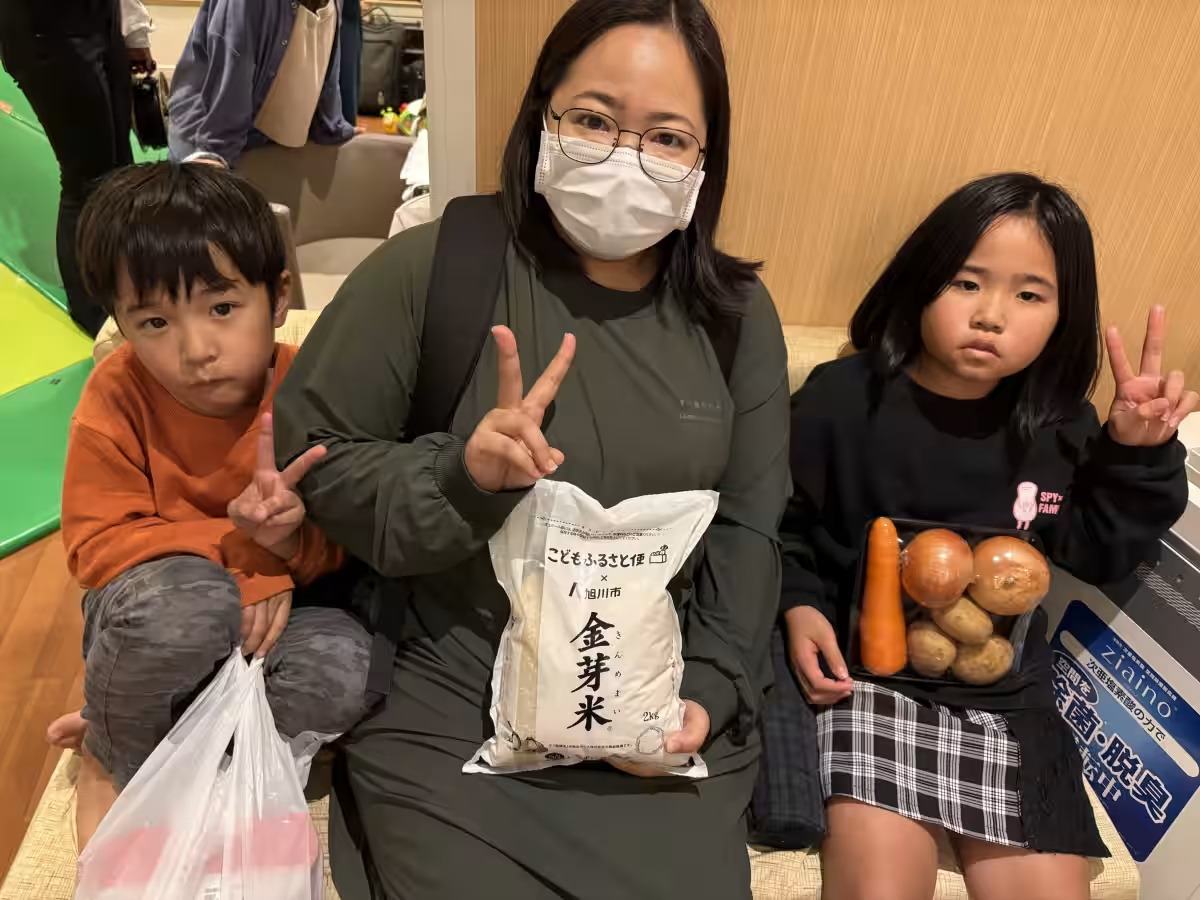
In a recent collaborative project with the city of Asahikawa, Nessuu successfully donated a remarkable 9.3 tons of rice—equivalent to approximately 116,000 meals—to children's support groups, NPOs, and welfare facilities across the country. With a vision of donating a cumulative total of 100 tons in the future, the project aims to make substantial strides in supporting those in need.
What is Kodomo Furusato Delivery?
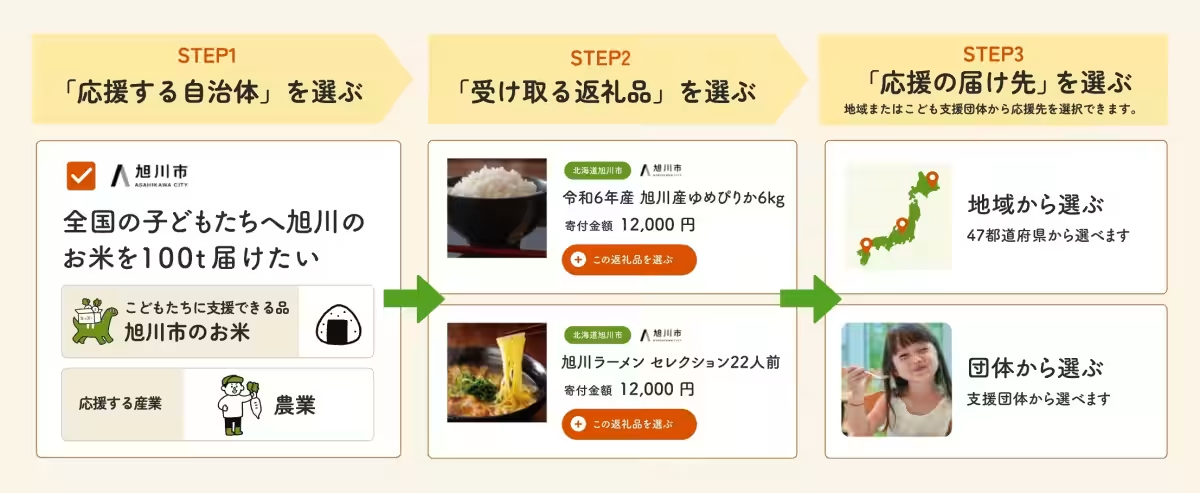
The "Kodomo Furusato Delivery" program is a new food bank model that works by partnering with regional producers, agricultural cooperatives, fishing cooperatives, and food manufacturers. These partners provide local products that are distributed as "support goods" to children's cafeterias and families in challenging circumstances. Essentially, it allows donors to participate in social contribution efforts without any loss—while also receiving local specialty items in return.
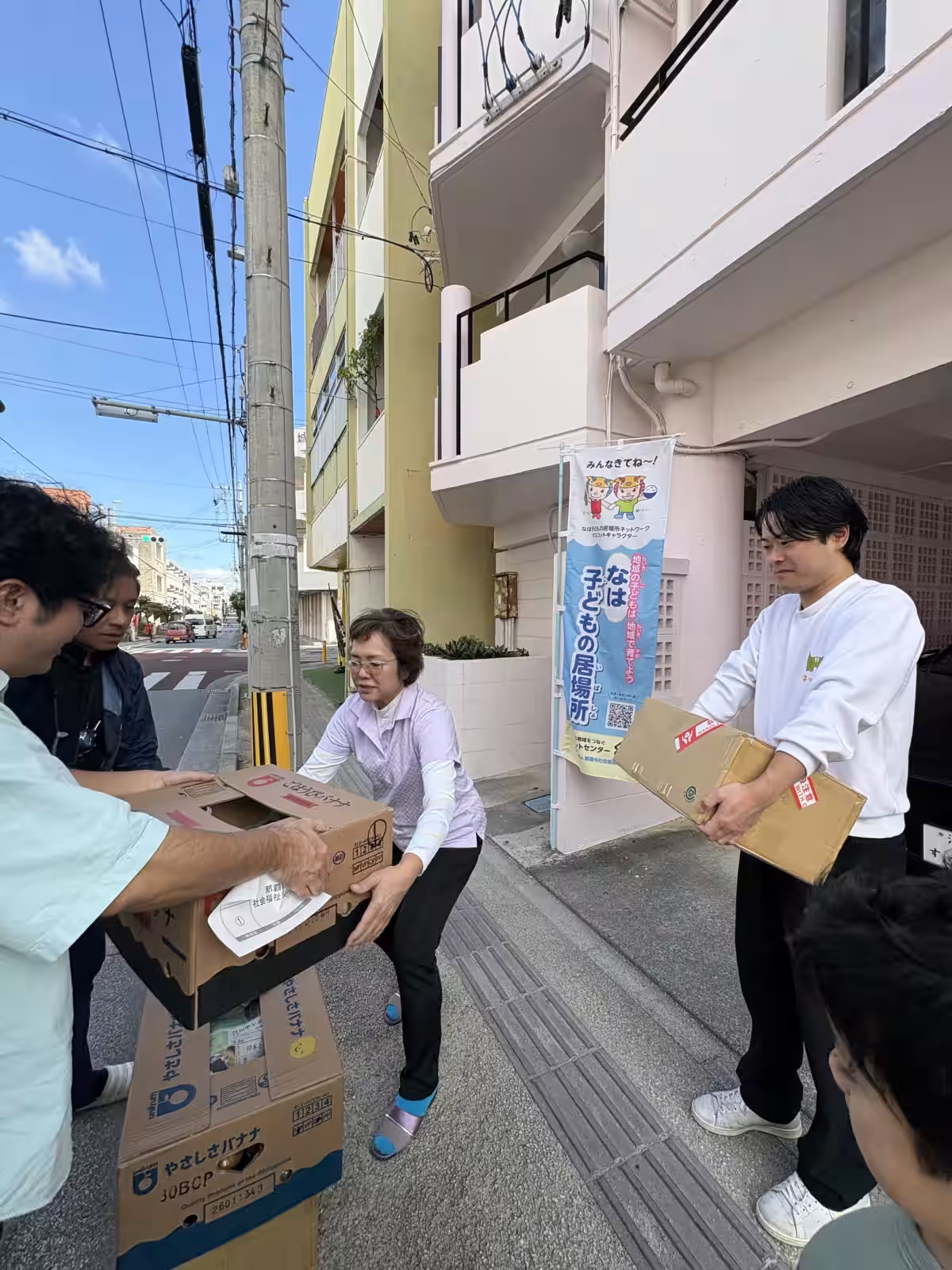
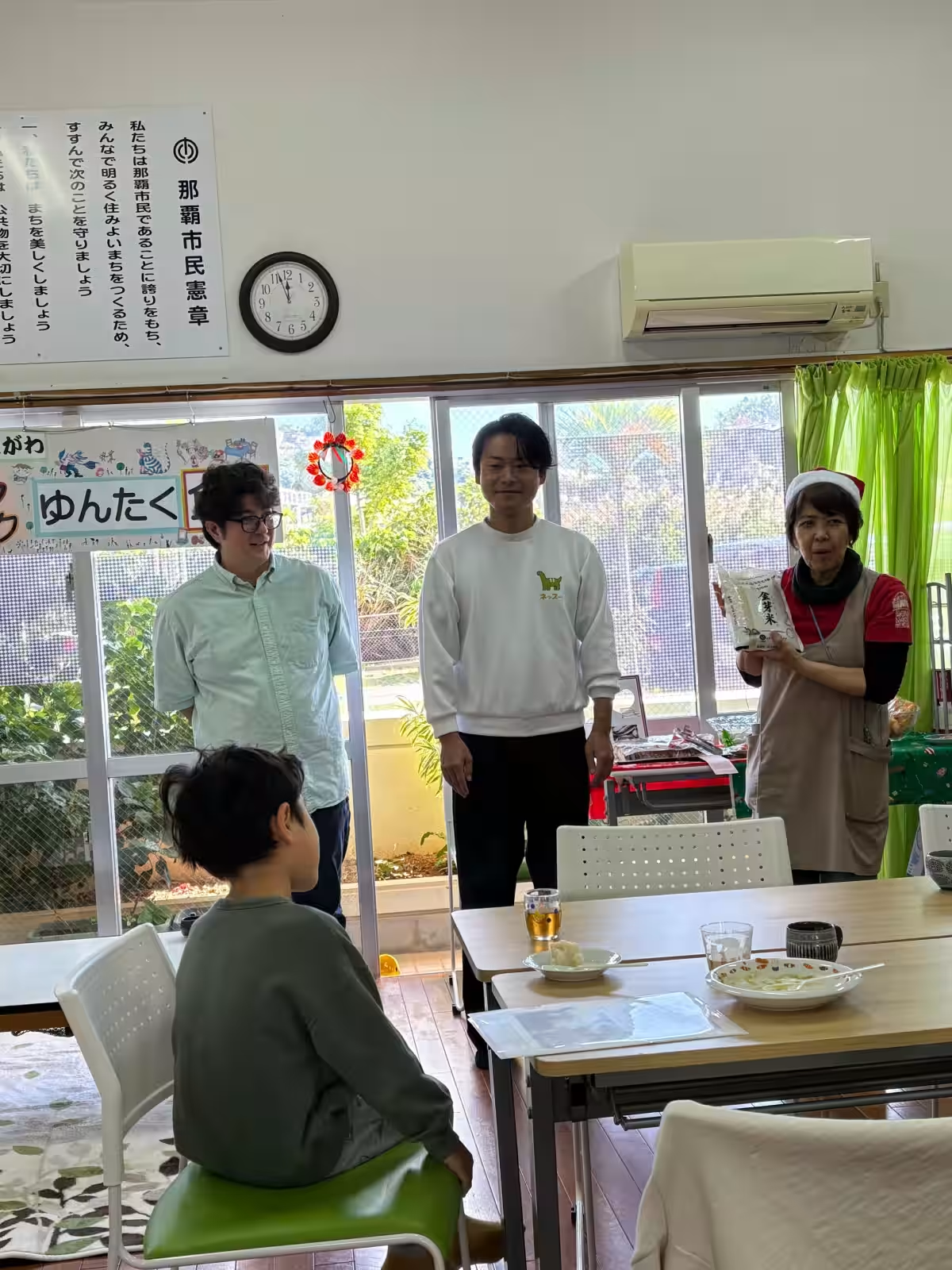
Starting in 2024, Asahikawa City will actively participate in the program. Last year, the city contributed around 3 tons of rice (about 37,000 meals), and this year alone, approximately 6.3 tons (around 79,000 meals) will be provided. The collective donation thus far amounts to 9.3 tons, positively impacting various children’s facilities across urban areas such as Tokyo, Kanagawa, Saitama, Chiba, Osaka, and Aichi, as well as rural locations including Hokkaido, Aomori, Akita, Fukushima, Nagasaki, and Okinawa.
The Importance of Sustained Support
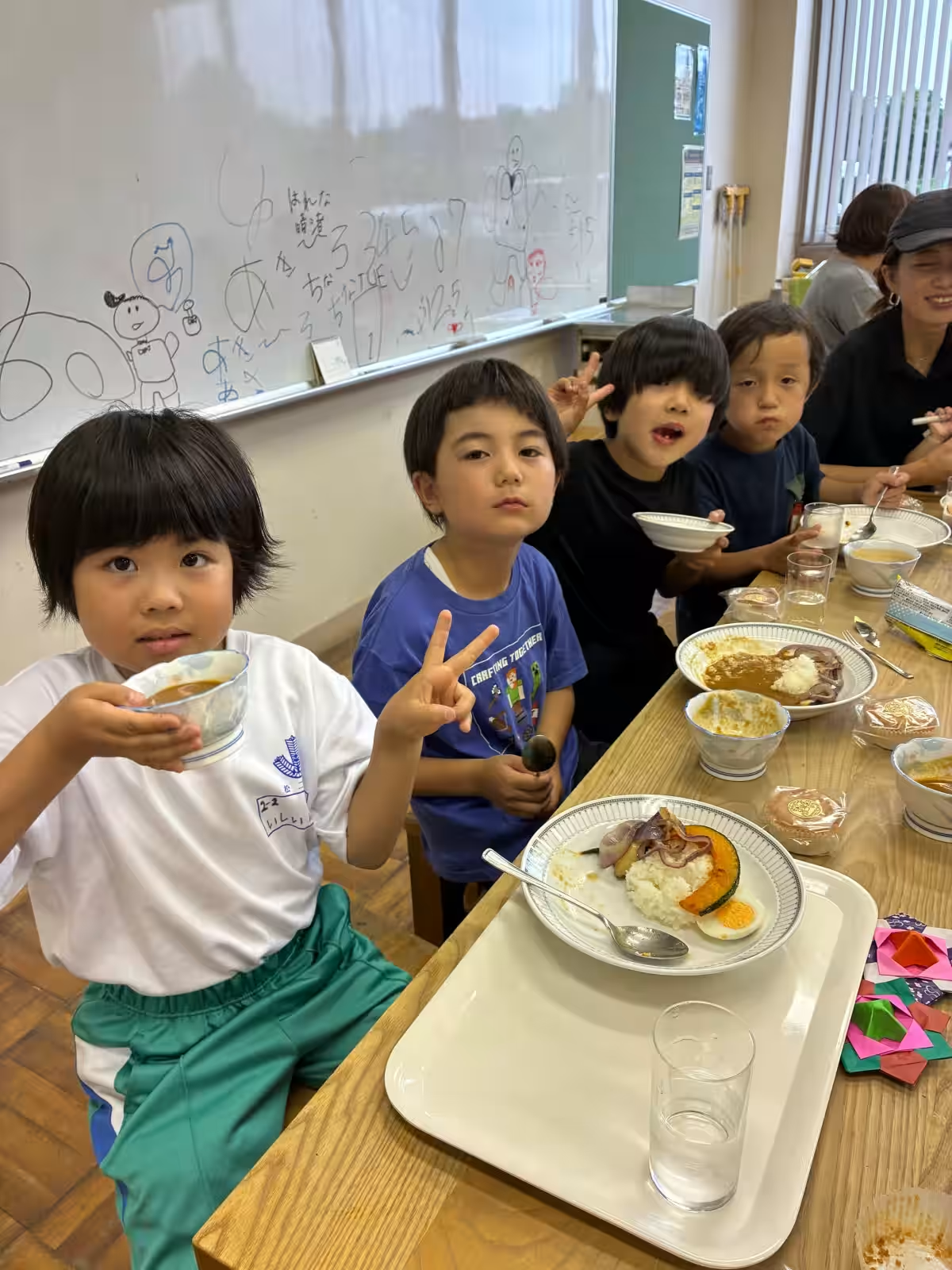
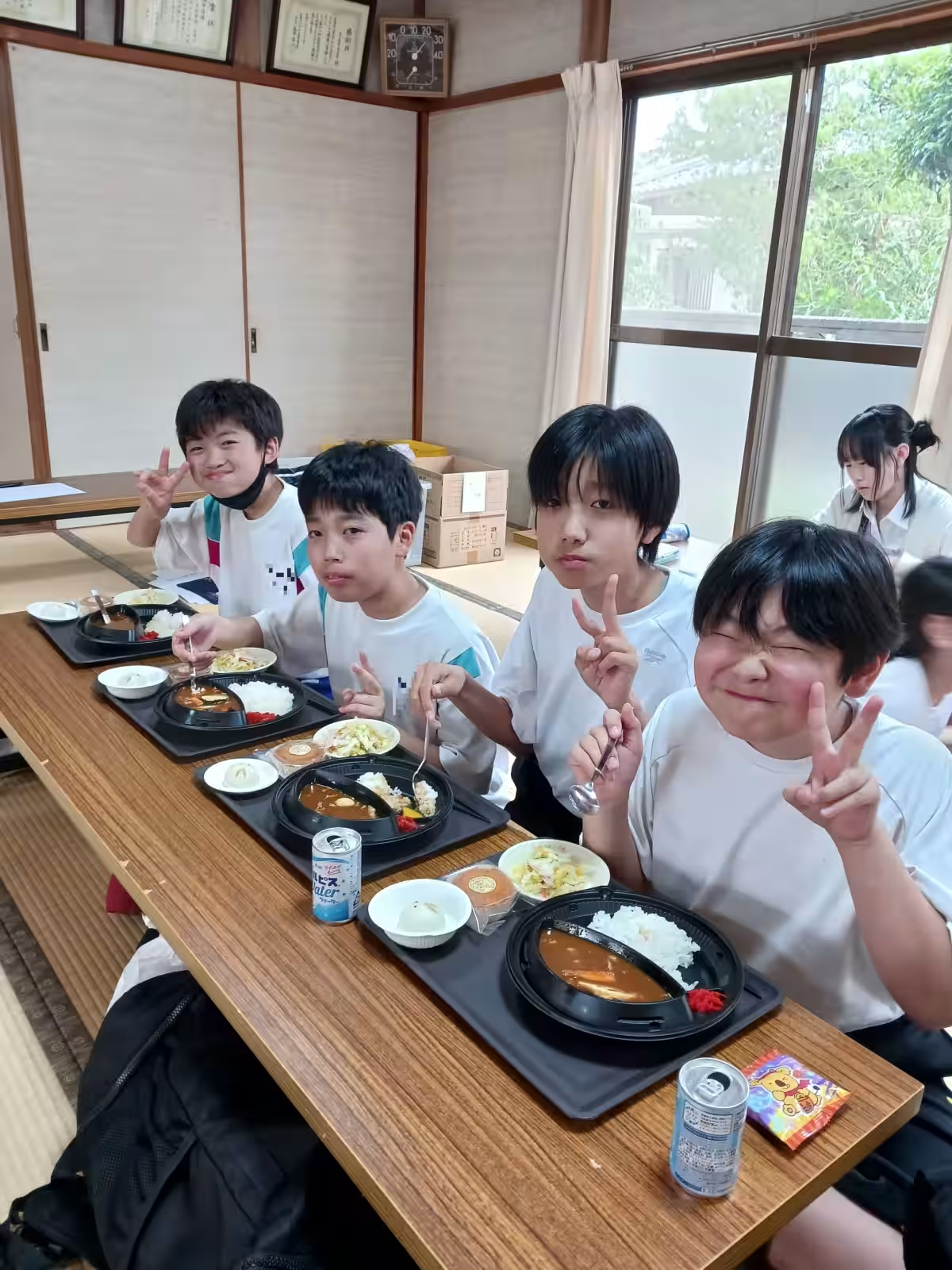
The rice donated has been utilized in various food programs, from providing meals at children’s cafeterias to supplying food banks. Throughout the distribution, many children expressed their delight when they learned the rice was from Asahikawa, sparking conversations about the quality of Hokkaido rice. A parent shared, "Hearing the children say, 'Wow, Hokkaido rice is so delicious!' brings hope and joy."
With the rise in living costs, more households are requiring food assistance. However, there's been a concerning decline in food donations. Children’s cafeterias often face shortages, making it crucial for organizations like Kodomo Furusato to ensure a steady supply of essentials like rice. As the call for assistance grows louder each year, Nessuu is committed to expanding its reach to meet these needs.
Continuing to Connect Donors and Children
As part of its objectives, Nessuu plans to enhance its collaboration with local governments to effectively support children’s access to food. In addition to donations, the organization promotes the growth of a community of donors dedicated to fighting food disparities. As they move forward, they hope to create a sustainable cycle of giving and receiving, ensuring children nationwide have adequate access to nutritious meals.
More details about the project can be found at the Kodomo Furusato Delivery official website.
A Future-Focused Initiative
Nessuu has ambitious plans for growth: by 2025, the aim is to expand its reach to 10-20 regions across Japan. This initiative allows donors to channel their contributions directly toward helping children, bolstering regional economies while also reducing food waste. As the project evolves, a dedicated portal site is set to launch in October 2025, enabling donors to specify recipients for their contributions more clearly.
The Leadership Behind the Effort
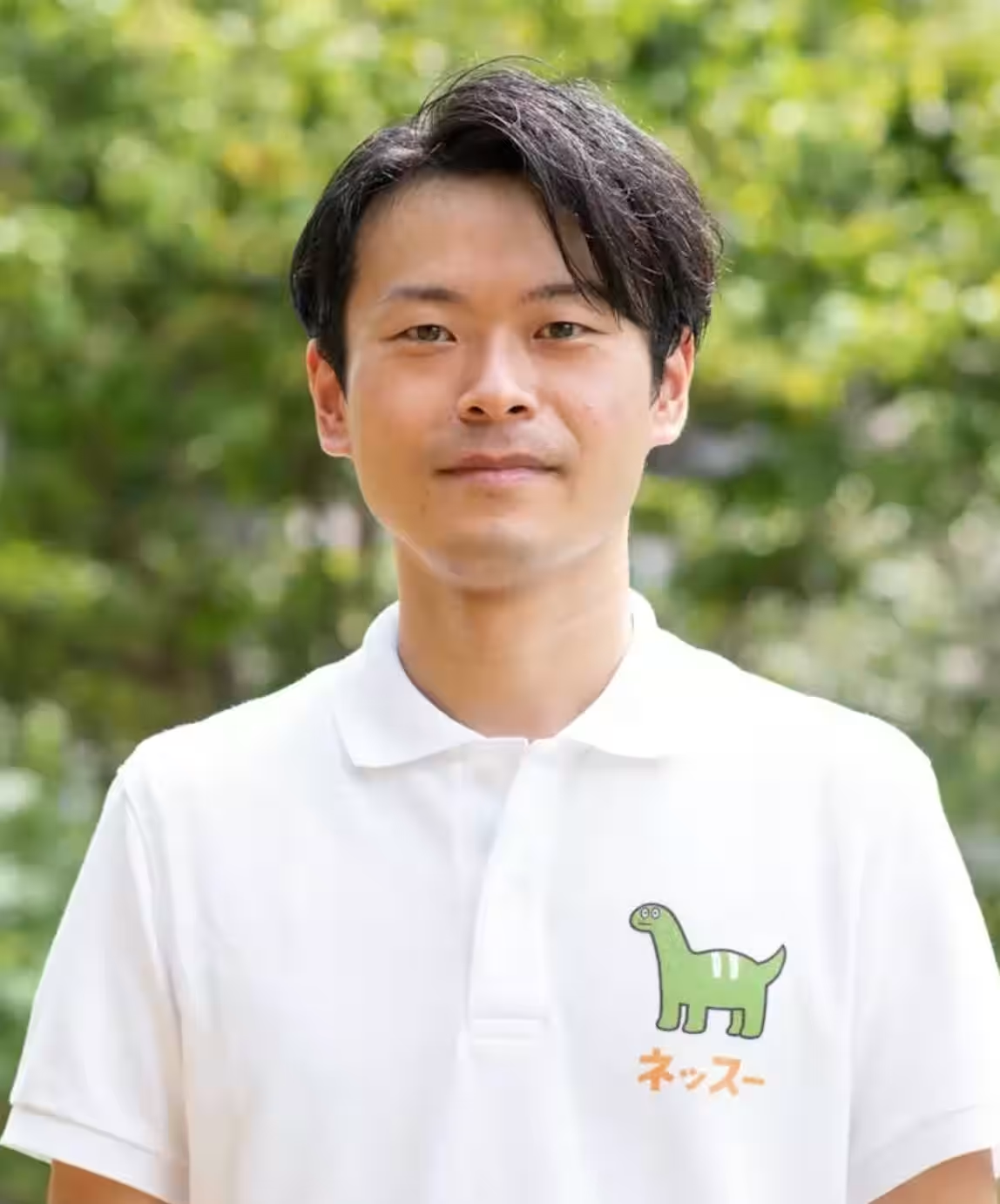
Yuki Kido, the CEO of Nessuu, has a rich background in addressing social disparities, particularly those affecting children. With a passion to create an equitable society where environmental circumstances don’t dictate opportunities, he founded the company in response to the alarming rise in food insecurity among children during the COVID-19 pandemic. Kido's story, rooted in his understanding of these disparities, fuels the company's mission.
In conclusion, initiatives like Kodomo Furusato Delivery are vital in bridging the gap for children in need across Japan, showcasing how community collaboration and innovative funding methods can lead to effective solutions in addressing food security. The movement toward healthier, happier futures for children necessitates collective action and continuous support from generous donors willing to make a difference in their lives.

Topics People & Culture)



【About Using Articles】
You can freely use the title and article content by linking to the page where the article is posted.
※ Images cannot be used.
【About Links】
Links are free to use.