



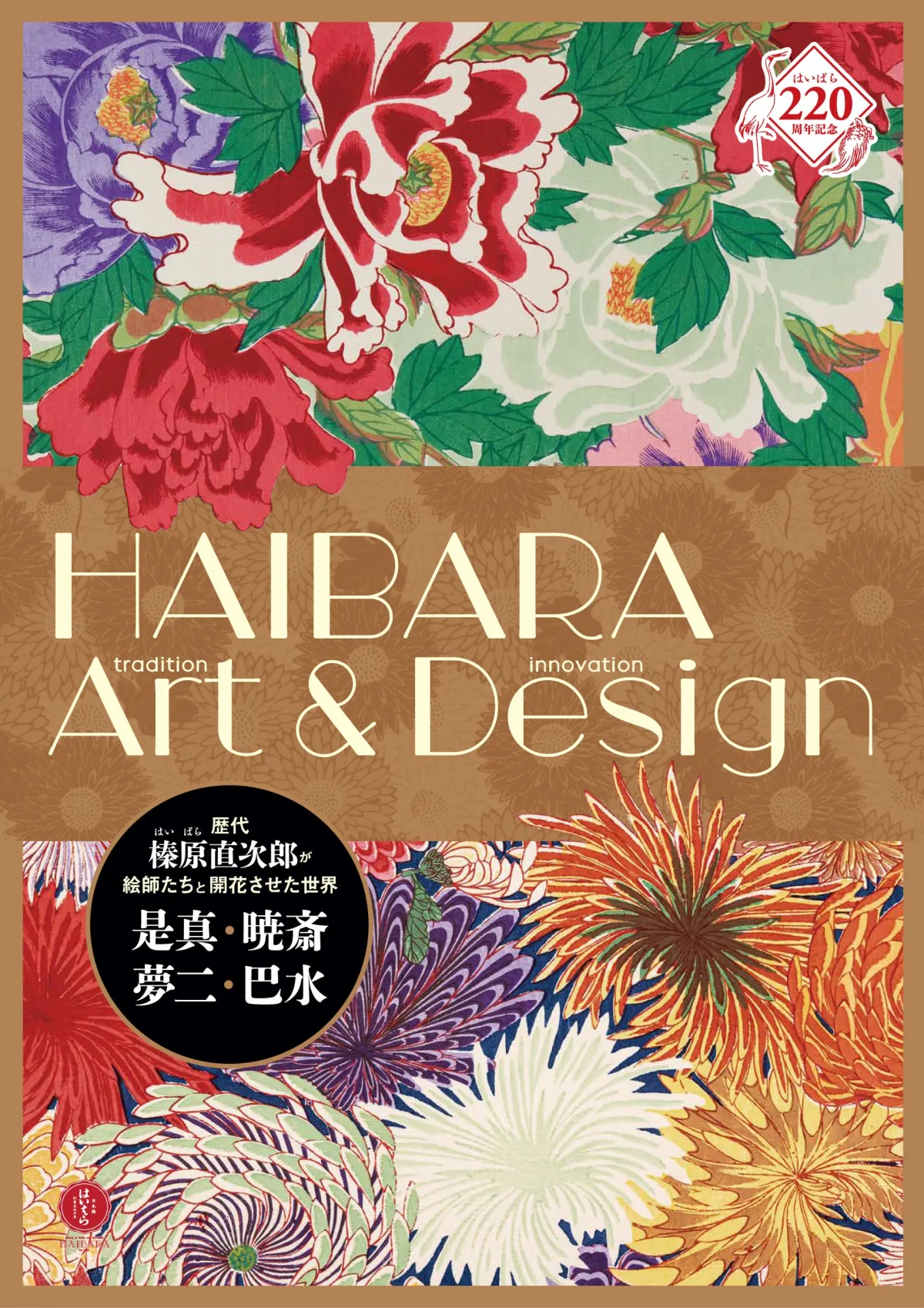
220 Years of Haibara: A Celebration of Traditional Japanese Paper Arts
The Legacy of Haibara: 220 Years in Japanese Paper Craft
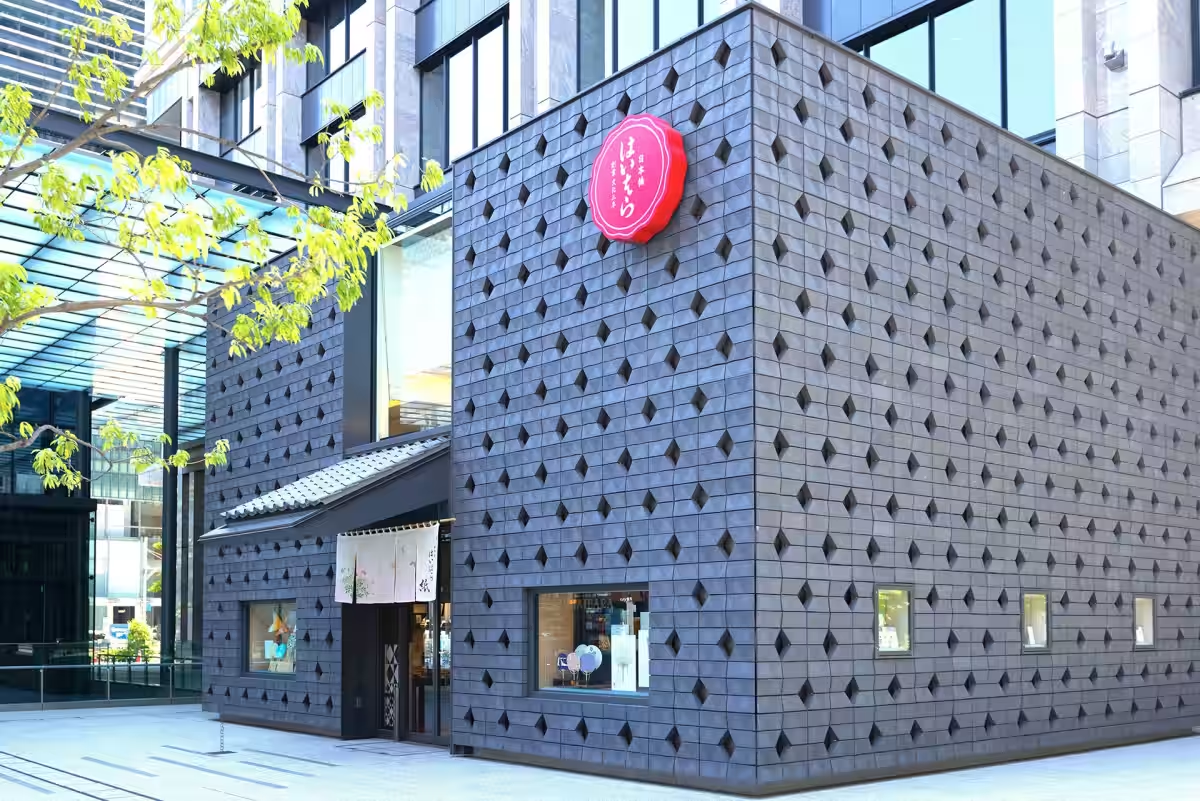
Haibara, a distinguished washi paper store located in Nihonbashi, Tokyo, has been crafting high-quality traditional Japanese paper since its establishment in 1806. As part of its 220th-anniversary celebration, Haibara is organizing a series of traveling exhibitions across various art museums, highlighting its rich history and connection with notable Japanese artists from the Meiji to the Showa periods.
A Glimpse into History
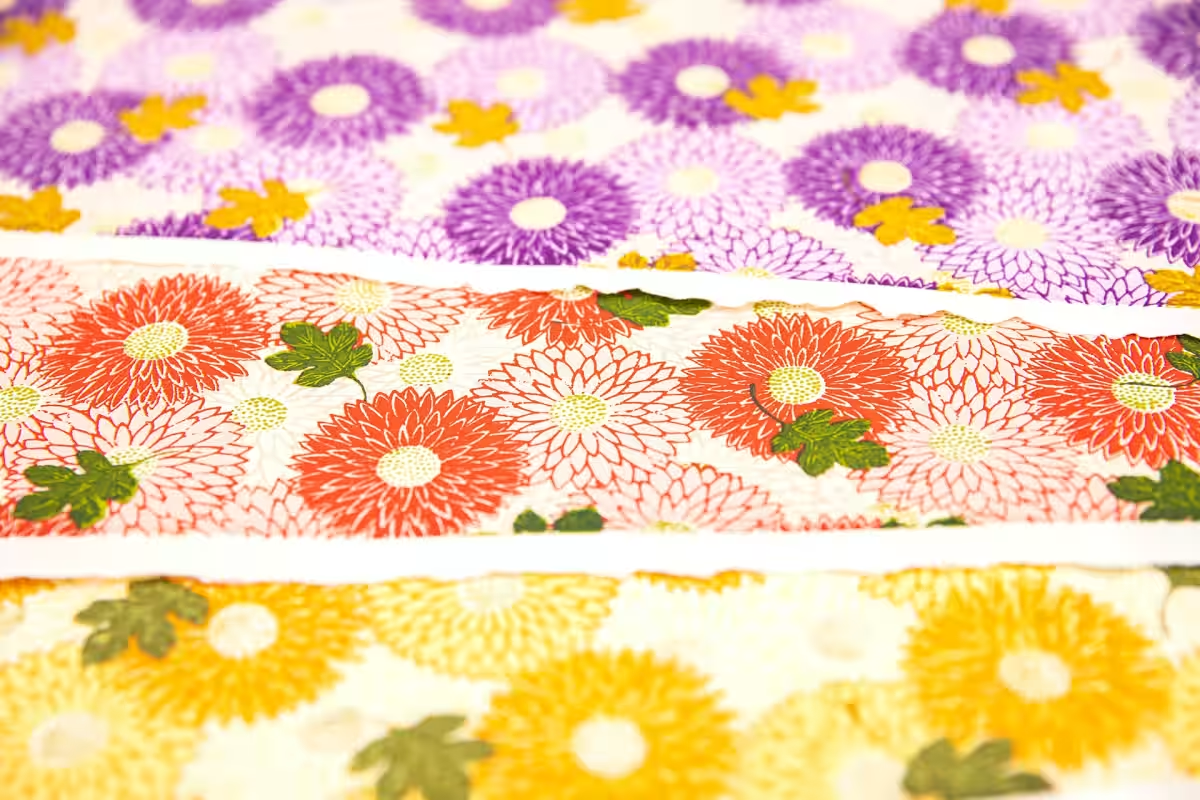
Throughout its history, Haibara has played an important role in the Japanese art scene. Initially known for producing wasan (traditional Japanese paper), it quickly garnered a reputation for its exceptional quality, particularly its gampi paper, made from the bark of the diploma tree during the Edo period. As Japan transitioned from the late Edo to the Meiji era, Haibara further enhanced its offerings by creating stunning woodblock printed paper products, which became highly sought after by art connoisseurs.
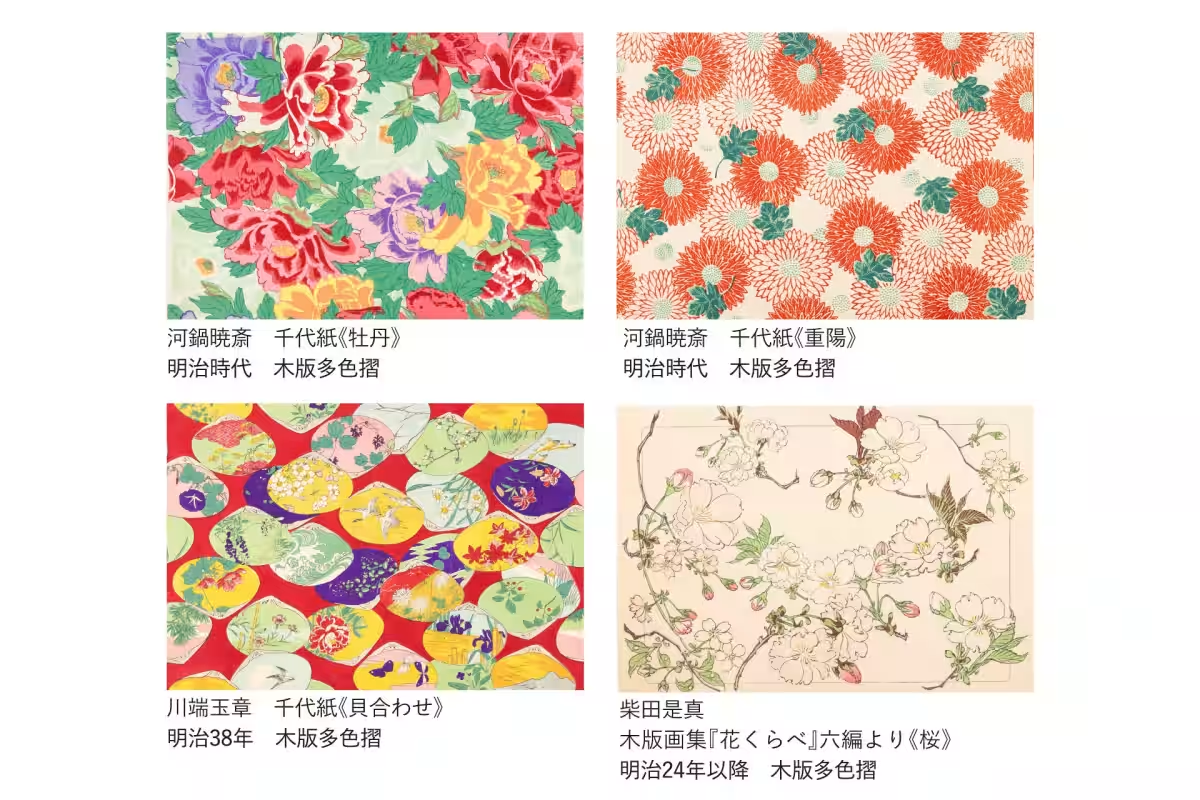
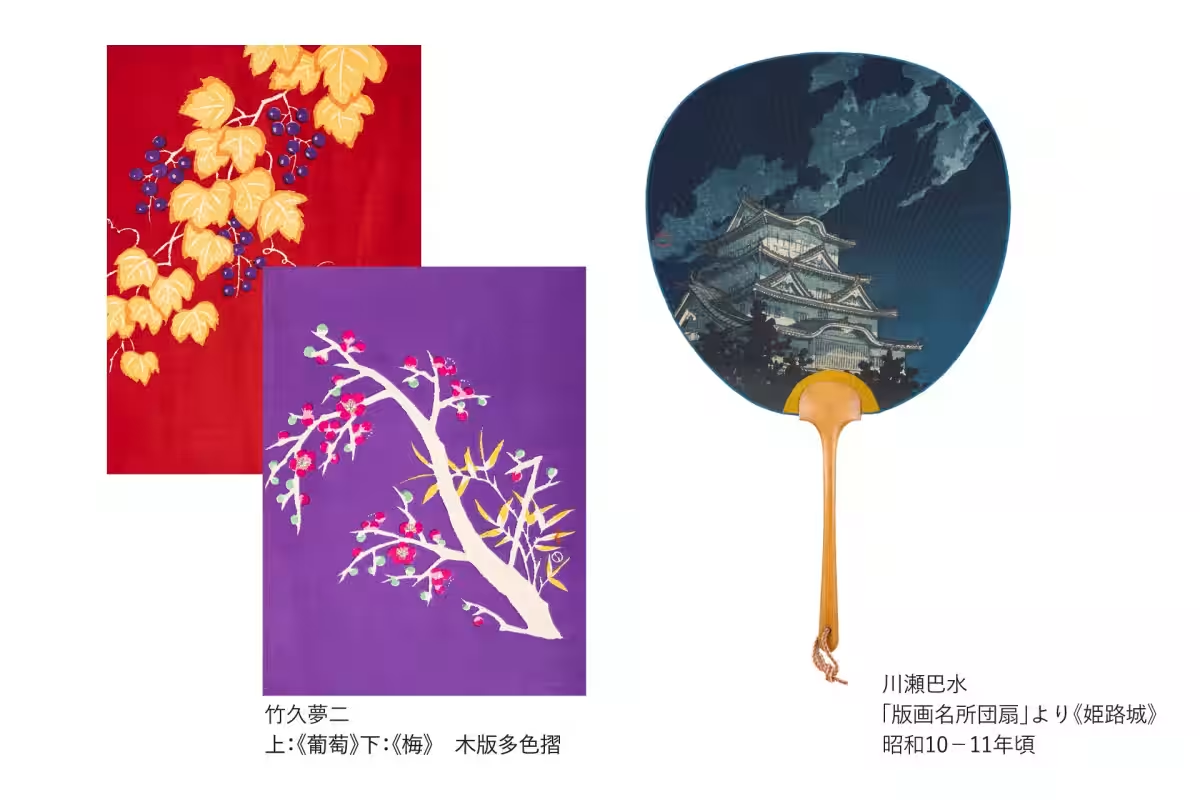
One of the most notable figures in Haibara's history is Hajime Naokazu (1846-1910), who actively participated in the revival of traditional Japanese arts and crafts. Naokazu was also one of the founding members of the Ryuchikai, an association formed with the aim of promoting Japanese art. His deep connections with prominent artists such as Shibata Zeshin, Kawase Hasui, and Kawanabe Kyosai enabled him to create a wealth of exquisite designs that would become synonymous with the Haibara brand.
The legacy continued with his successor, Naokazu (1880-1963), who collaborated with influential artists such as Takehisa Yumeji and Kawase Hasui, laying the groundwork for Haibara's sophisticated design approach that continues to resonate today.
The Upcoming Exhibition
The latest exhibition will focus on the unique relationship between Haibara and the artists it collaborated with, showcasing over 300 pieces of washi goods produced mainly between the Meiji and early Showa eras. Visitors can expect to see award-winning items that have been recognized in international exhibitions, including luxurious chiyogami (decorative paper). The collection will also feature painted drafts by artists, rare historical materials, and six precious original paintings by Kawase Hasui, which will be unveiled for the first time at this exhibition. Due to preservation concerns, only two pieces will be displayed at each venue.
This enthralling experience allows audiences to appreciate the intricate world of washi paper, which has captivated figures like Steve Jobs and continues to attract a global following.
The exhibition invites visitors to enjoy the harmony of craftsmanship and artistry, reflecting the philosophy of Haibara, which strives to enhance people's lives with exquisite beauty. Attendees can also find various products featuring Haibara's designs available for purchase at museum shops, showcasing a legacy that stretches back to the Edo period.
Schedule for the Traveling Exhibition
In 2026, the exhibition is scheduled to visit several venues:
- - April 4 - May 31 at the Paramita Museum in Komono, Mie Prefecture - “The Beauty of Haibara Washi: The World Created by Naokazu and Artists”
- - August 8 - September 13 at the Ishikawa Prefectural Museum of Art in Kanazawa - “The Beauty of Wasan: Influences of Haibara”
- - September 19 - December 6 at the Ueda City Museum in Nagano - “The Art of Washi: Collaborations with Naokazu and Artists”
Additional exhibitions will follow across multiple venues nationwide in 2027 and beyond.
About Haibara Co., Ltd.
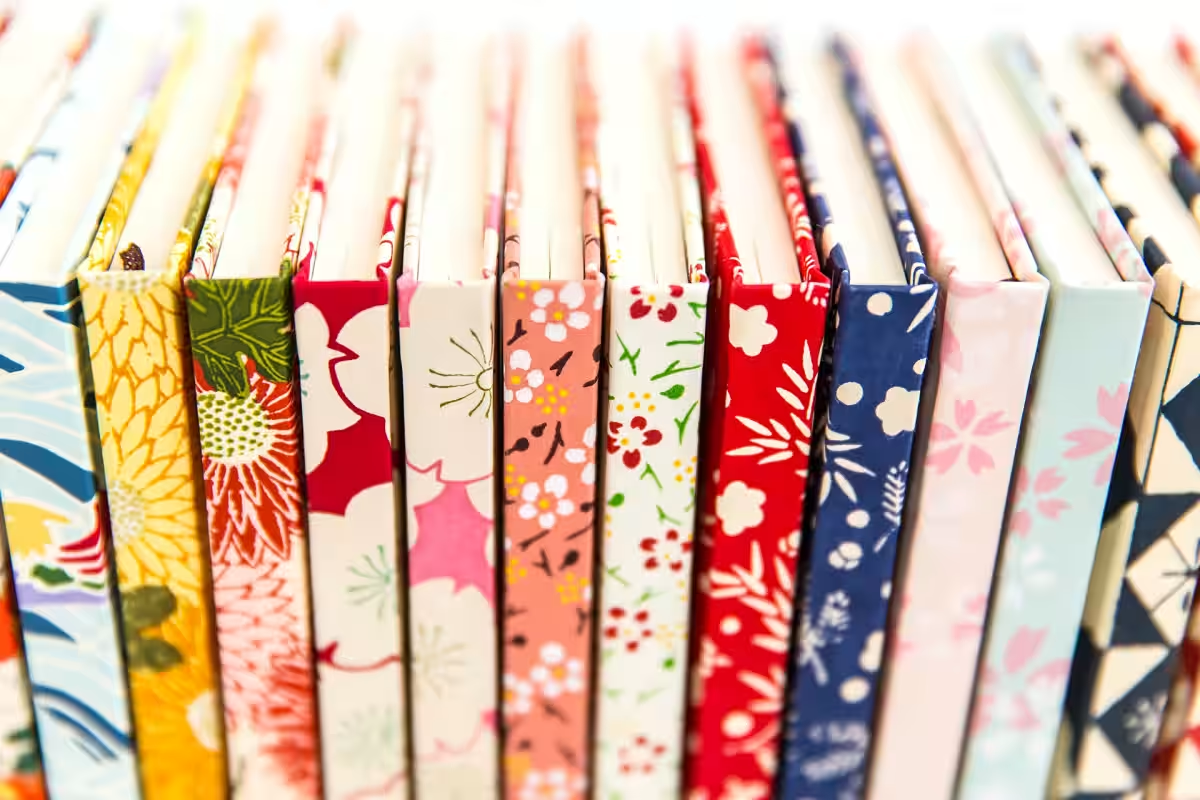
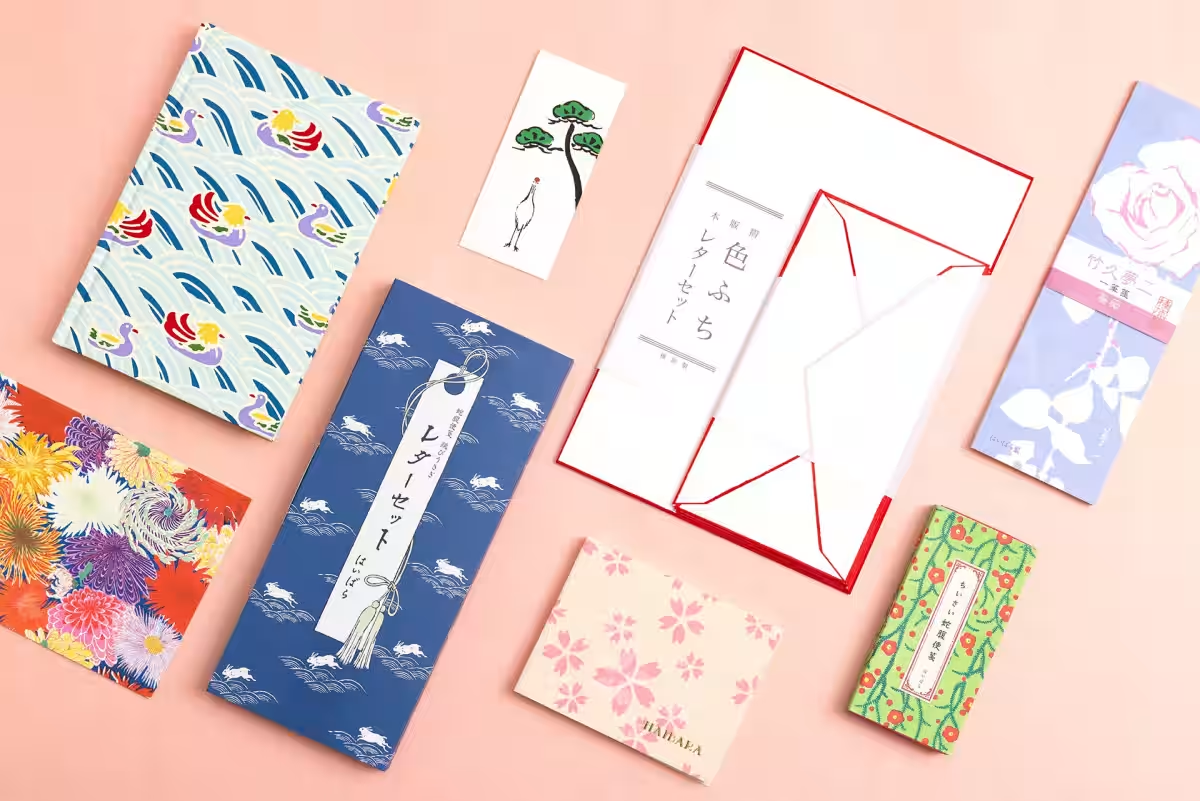
Founded in 1806, Haibara has stood the test of time as Tokyo's premier washi paper store. The company prides itself on producing high-quality, handmade washi paper products, alongside original designs, including chiyogami, ceremonial envelopes, stationery, and notebooks. The contributions of Haibara to the modern Japanese art scene are significant, showcasing art designed by masters including Shibata Zeshin and Kawase Hasui, and receiving international accolades at exhibitions such as the Vienna World Expo and Paris World's Fair.
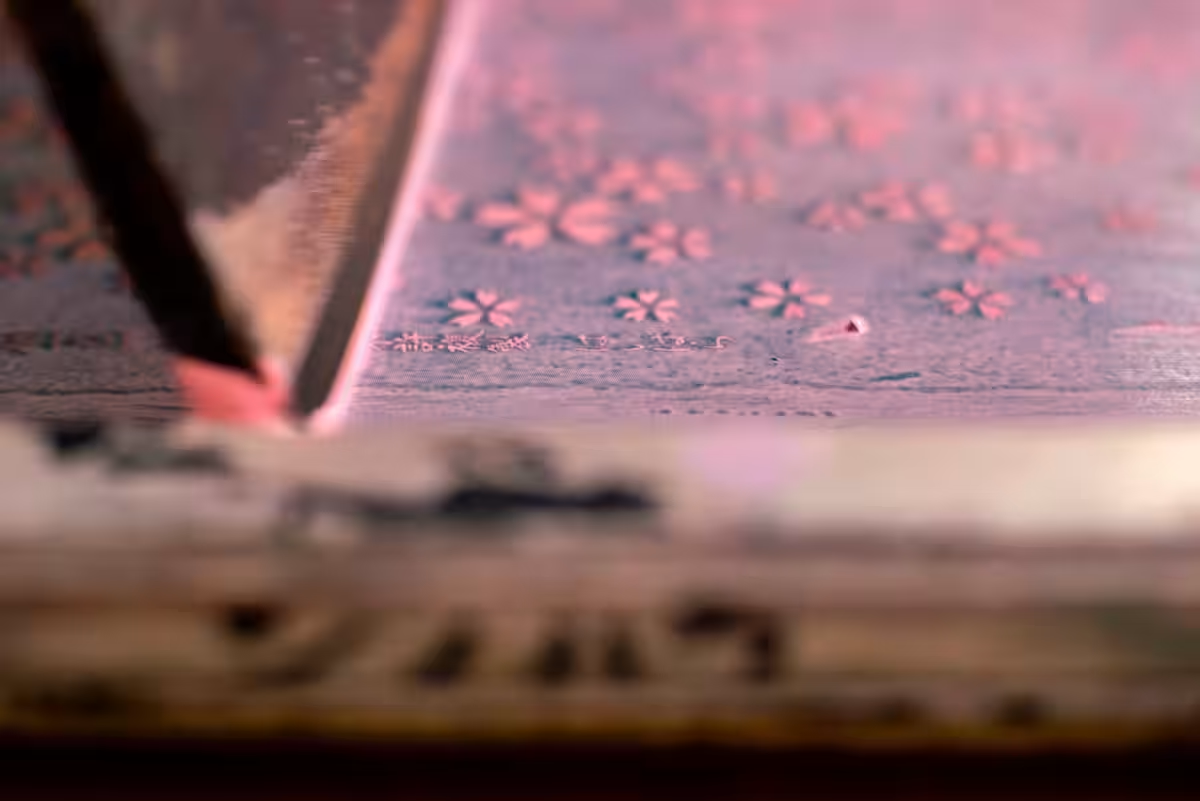
In recent years, Haibara has adapted to contemporary needs by enhancing traditional woodblock printing techniques to create high-quality measuring record papers, even used by NASA for Apollo 11 mission data. With a proud history of innovation, Haibara continues to license its unique designs, preserving its heritage while embracing the future.
For more inquiries, please visit the Haibara website: Haibara Official Site and the Haibara Online Museum.
Topics Consumer Products & Retail)
【About Using Articles】
You can freely use the title and article content by linking to the page where the article is posted.
※ Images cannot be used.
【About Links】
Links are free to use.