



Understanding Air Conditioner Cleaning Practices in Allergy Households: A Survey Insight
Insights into Air Conditioner Cleaning Practices Among Allergy Households
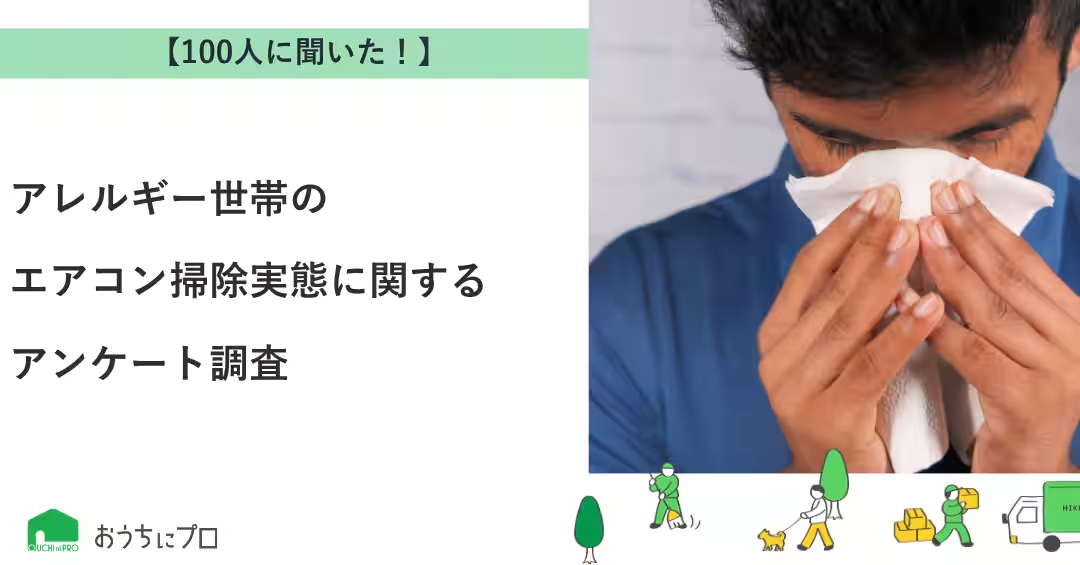
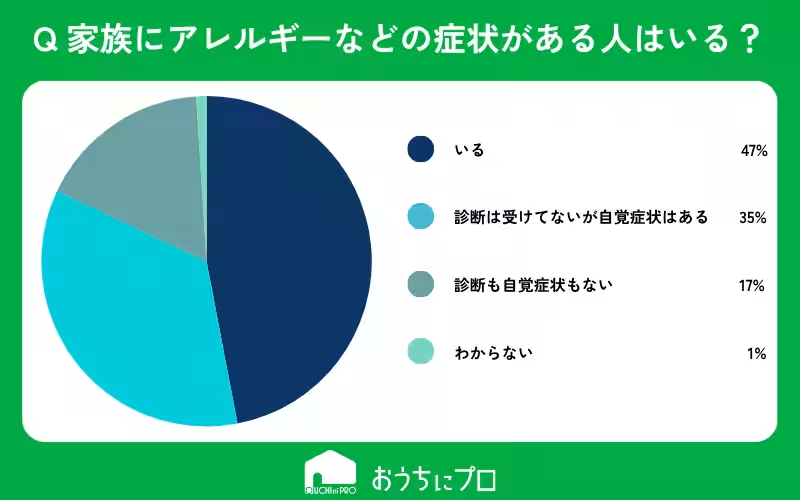
Air conditioners play a crucial role in modern households, especially during the changing seasons. However, for families dealing with allergies, proper maintenance of these appliances becomes a critical concern. A recent survey conducted by the home services platform, Ouchi ni Pro, sheds light on the current practices regarding air conditioner cleaning in households where allergy symptoms are prevalent.
Survey Overview
The survey was designed to understand how often families with allergy sufferers clean their air conditioners, especially at the beginning of the operational season. Conducted in September 2026, it included 100 participants, comprising 45 men and 53 women, reflecting a wide age range from 20s to above 60. Through CrowdWorks, respondents shared their experiences, providing valuable insights into the intersection of air conditioning use and allergy management.
Key Findings
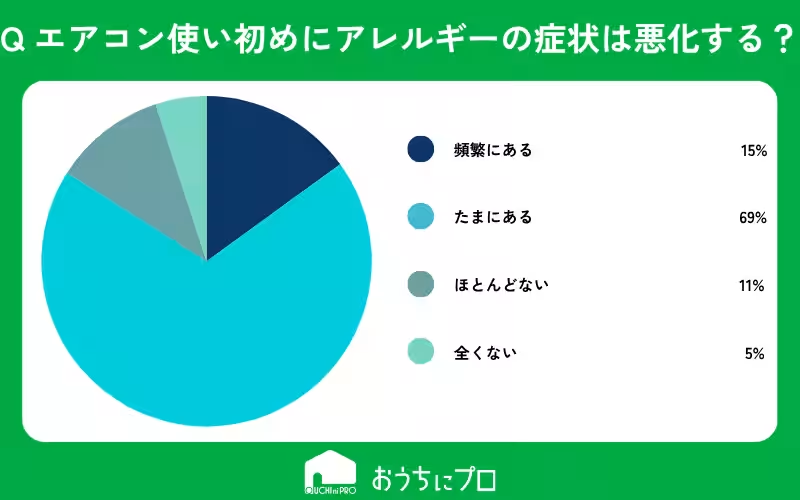
1. Allergy Symptoms and Air Conditioning: An overwhelming 84% of respondents noted that the onset of air conditioning usage often correlates with a rise or worsening of allergic symptoms, including coughs, sneezing, and itchy eyes. This statistic emphasizes the need for regular cleaning practices to alleviate such discomfort.
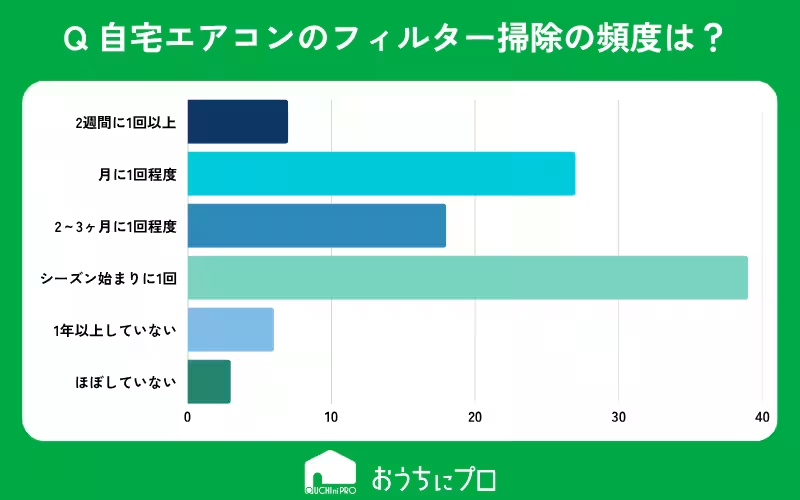
2. Cleaning Frequency: Surprisingly, even among households with allergy sufferers, the cleaning of air conditioner filters was commonly performed just once at the beginning of the summer or winter season. This infrequent cleaning routine raises concerns about the effectiveness of air conditioning units in maintaining a healthy indoor environment.
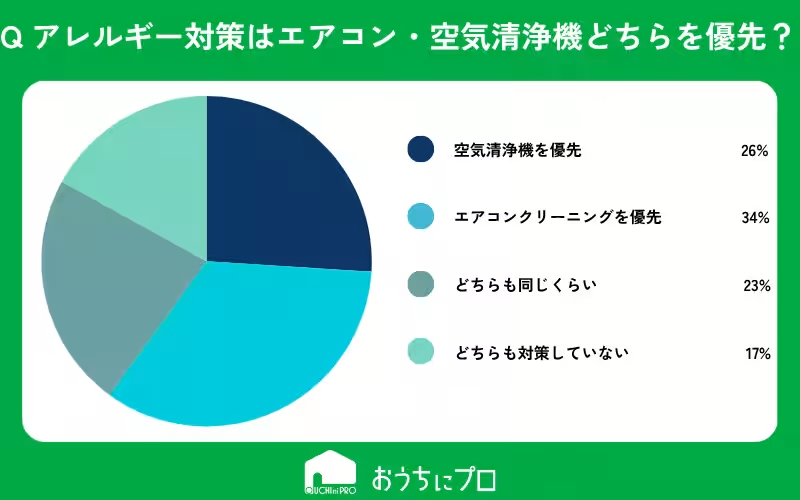
3. Air Purifiers vs. Air Conditioner Cleaning: The survey also explored preferences for allergy management tools. Respondents showed nearly equal inclination towards air purifiers and air conditioner cleaning services, indicating that both are considered essential in mitigating allergy symptoms.
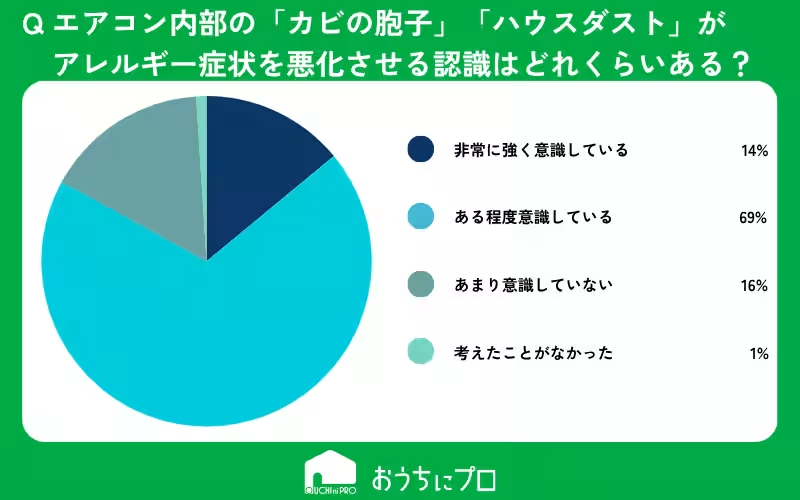
4. Awareness of Allergens: Many participants demonstrated some level of awareness regarding the detrimental effects of mold and dust mites that can thrive within air conditioning systems. However, 16% of respondents admitted they were not very conscious of these issues, while another 1% had never considered them at all.
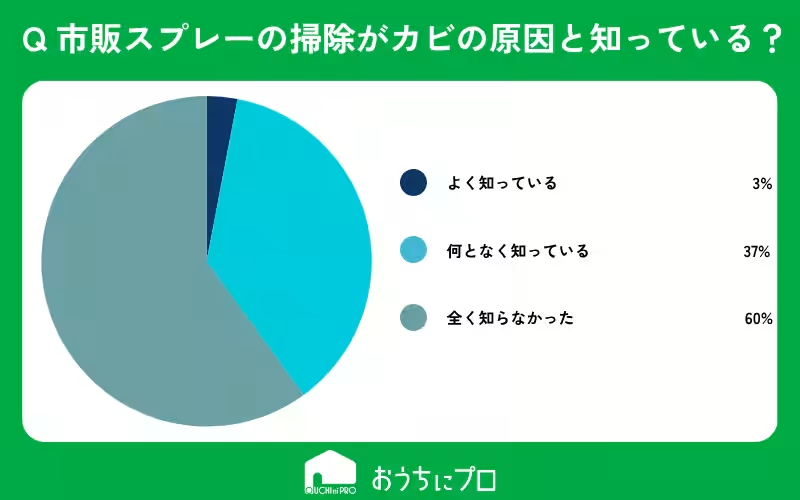
5. Cleaning Practices and Knowledge: Regarding the frequency of air conditioning filter cleaning, most indicated a seasonal cleaning habit, while some admitted to not cleaning at all for over a year. Alarmingly, 60% of respondents were unaware that certain cleaning sprays could inadvertently increase mold growth.
6. Air Purifier Priority: When asked which method they prioritize for allergy management, slightly more respondents favored air purifier use over air conditioner cleaning, though a significant number equally value both.
Practical Steps Forward
The insights gained from this survey can guide families in improving their indoor air quality through better cleaning practices. Here are some recommendations:
- - Regular Cleaning: Households with allergy sufferers should aim for more frequent air conditioner cleaning, ideally once every month during heavy-use seasons, to reduce allergen accumulation.
- - Educate: Awareness campaigns regarding the potential risks of unclean air conditioning units and the correct use of cleaning products can help families better manage allergies.
- - Balanced Approach: Utilizing both air purifiers and regularly cleaning air conditioning systems can provide a comprehensive solution for allergy sufferers.
Conclusion
The survey results reveal a gap between the awareness of air conditioning maintenance and actual cleaning practices in allergy households. By emphasizing the importance of regular cleaning and providing educational resources, platforms like Ouchi ni Pro can significantly improve living conditions for families affected by allergies. Maintaining a clean home environment is not just about comfort but is essential for health and well-being.
Topics Health)


【About Using Articles】
You can freely use the title and article content by linking to the page where the article is posted.
※ Images cannot be used.
【About Links】
Links are free to use.