



New Research Reveals Middle-Aged Oral Care Needs Based on Awareness of Bad Breath Causes
Understanding Bad Breath Concerns Among the Middle-Aged
Recent findings by Aogumi Co., based in Suginami, Tokyo, delve into the increasing awareness around bad breath among adults aged 40 to 50. As face-to-face communications become more common again, many individuals are starting to voice their discomfort regarding personal breath odor, a concern that often arises during close interactions.
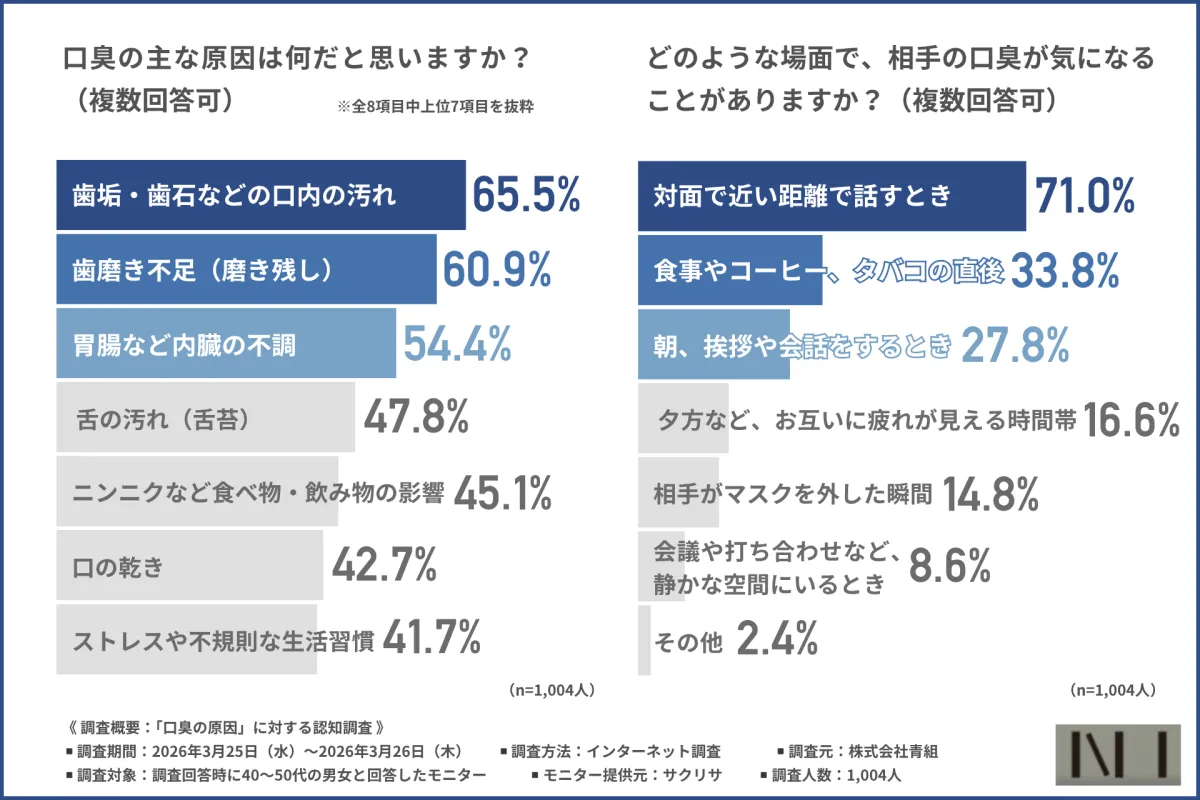
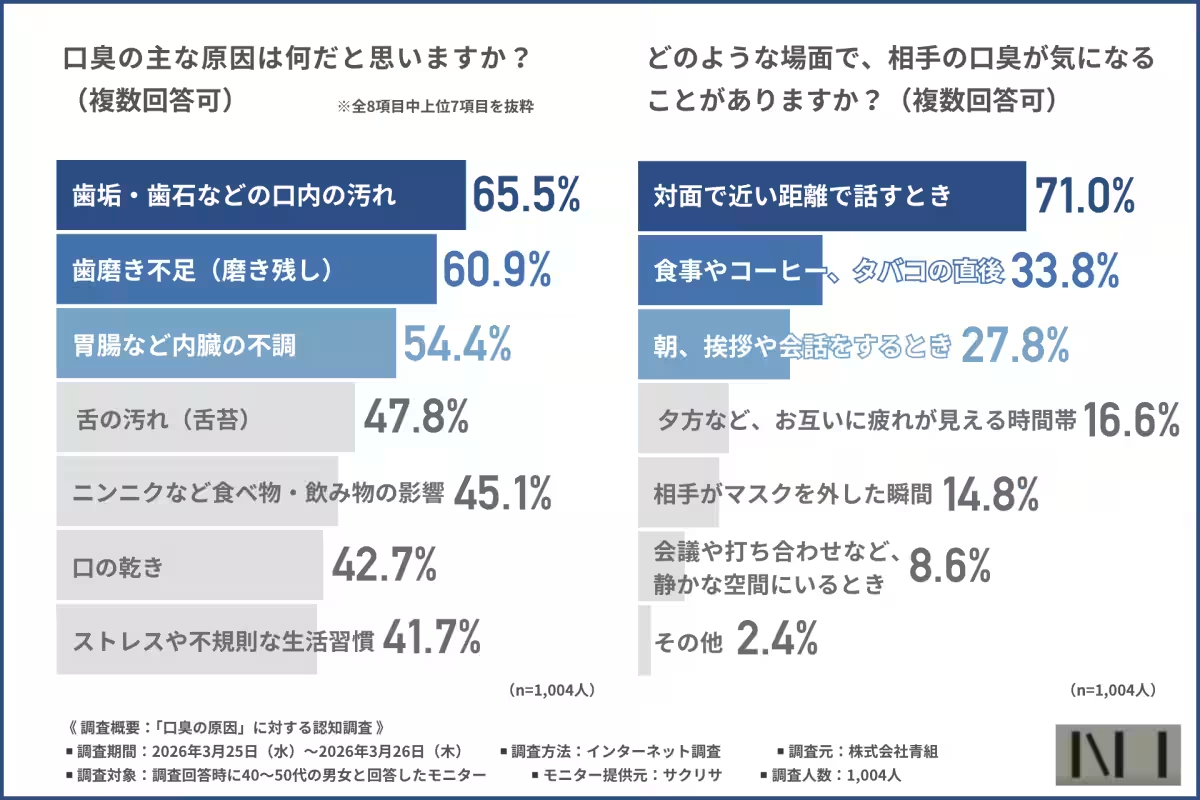
The primary culprit contributing to bad breath for many is often perceived as oral cleanliness issues. In a survey that included 1,004 participants, around 65.5% identified plaque and calculus as key culprits, while 60.9% pointed to insufficient brushing and 54.4% believed gastrointestinal issues contribute to halitosis. Interestingly, however, nearly half of the respondents acknowledged that "dry mouth," an issue often overlooked, could significantly exacerbate breath issues.
The Role of Dry Mouth
As individuals age, bodily changes manifest, leading to factors like decreasing salivation which can further contribute to oral dryness—a significant factor in bad breath. To effectively combat such problems, it’s essential to identify the fundamental issues rather than relying solely on temporary solutions.
Aogumi introduced solutions such as the NI ORAL MIST, designed to target the bacteria responsible for bad breath. This product arrived at a crucial moment as the aging population begins to realize that long-lasting oral hygiene involves more than just masking odors.
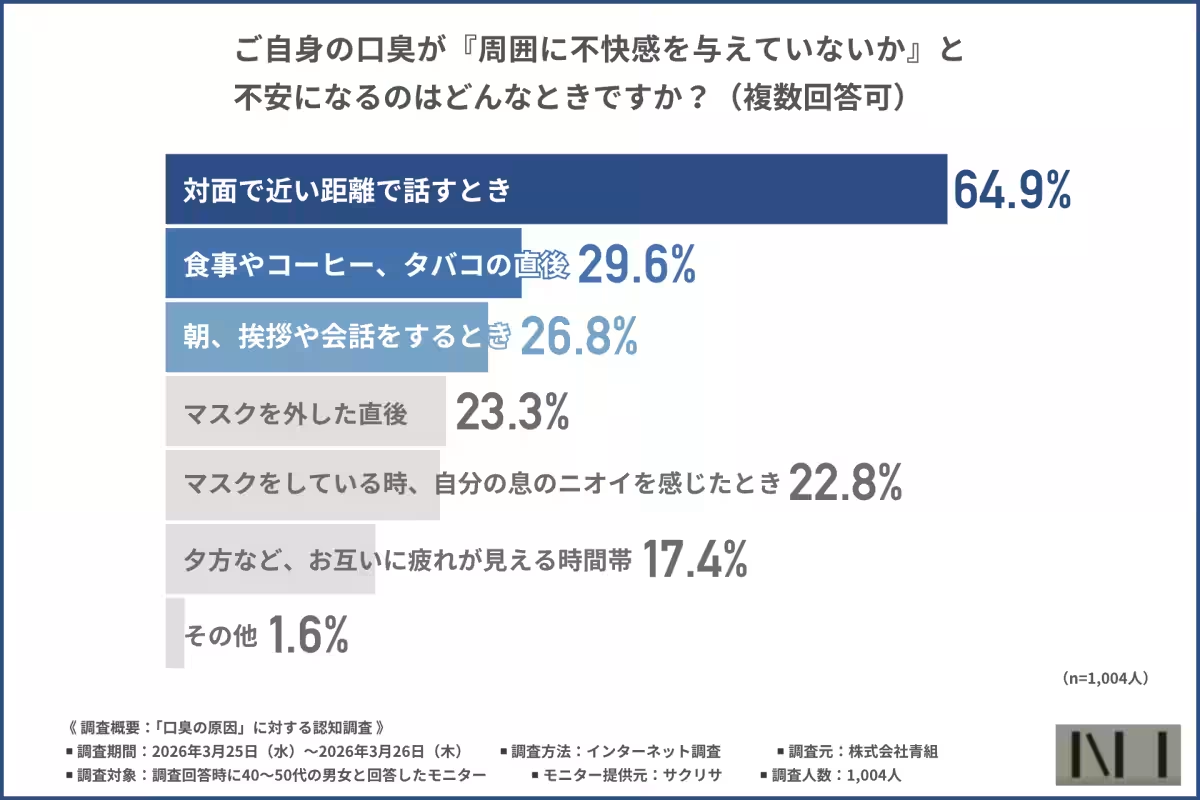
In terms of situational triggers of bad breath, survey results indicated that approximately 71% are particularly sensitive to breath odor when engaging in face-to-face conversations. Other moments of concern included post-meal interactions or after enjoying coffee or tobacco, with 33.8% citing these occurrences. Furthermore, feelings of self-consciousness around one's own breath were reflected in the same situations, highlighting a common anxiety among respondents.
Managing Oral Health on the Go
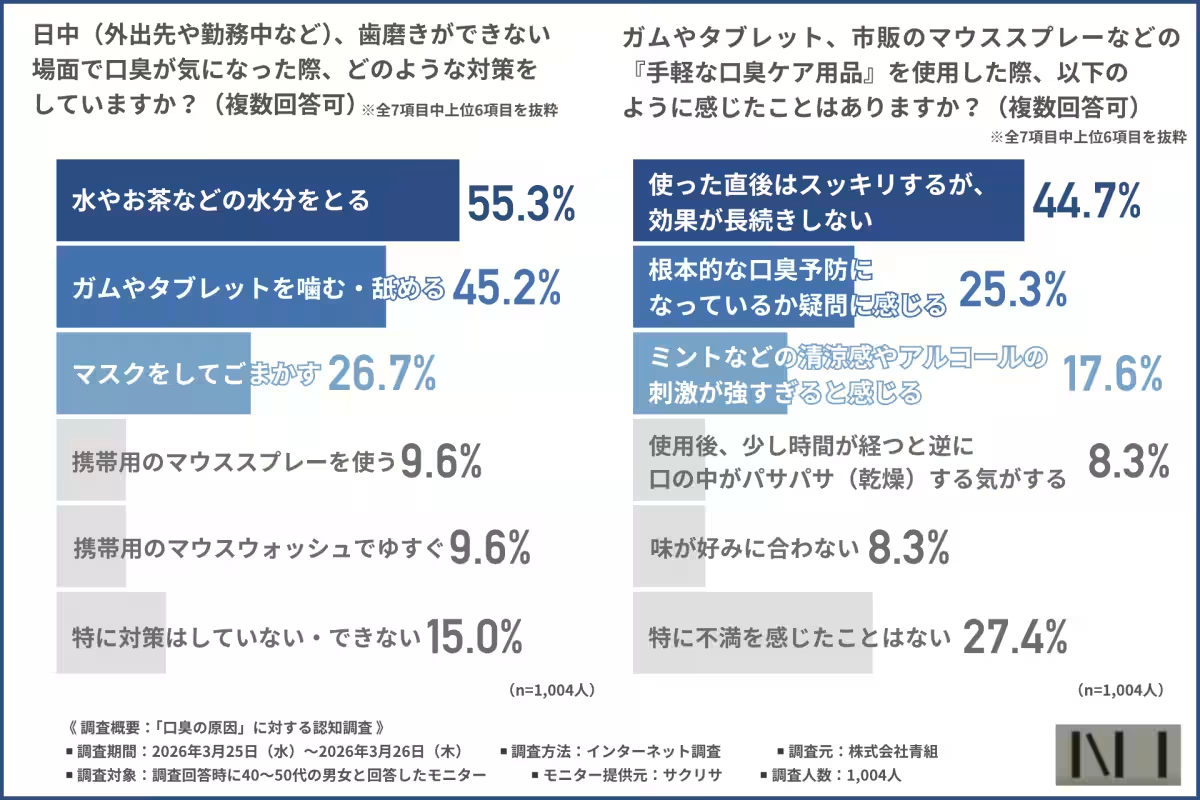
During encounters where brushing isn’t an option, many have resorted to simple methods to manage breath, predominantly hydrating with water or tea (55.3%), chewing gum or mints (45.2%), and some even chose to mask their breath with a face mask (26.7%). While readily available solutions provide a temporary fix, many individuals expressed dissatisfaction, especially with short-lived freshness and questioning the root causes of their concerns.
Surveys revealed that after experiencing these quick-fixes, a notable number voice concerns about their transient effectiveness; over 44.7% reported a refreshing sensation immediately after but lamented that it didn’t last long. This frustration indicates a critical gap in the availability of effective, sustainable oral health products.
The Impact of Aging on Perceived Oral Health
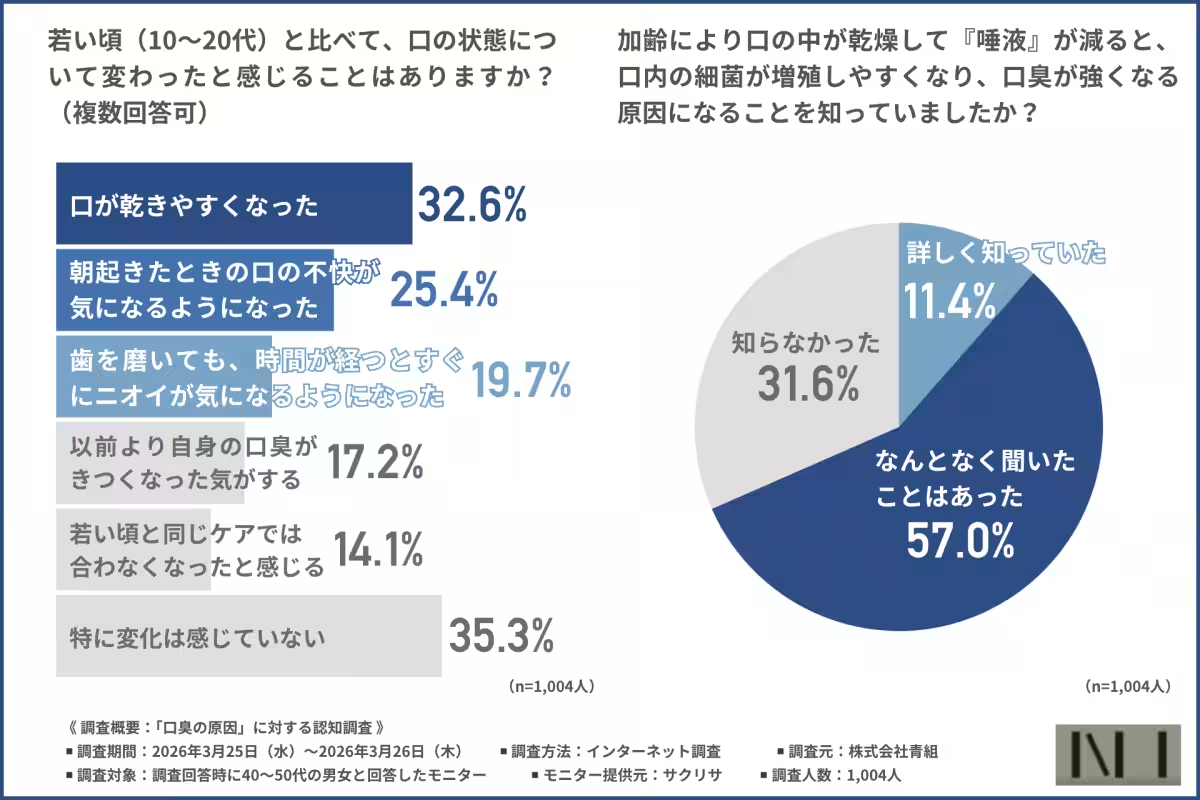
As participants reflected on changes in their oral state since their younger years, many reported an increase in oral dryness (32.6%). This was closely followed by complaints of morning discomfort and a returning odor post-brushing. It’s evident that challenges unique to mid-life individuals require tailored solutions—indicating that what may have worked in youth might not suffice now.
When asked about their understanding of the relationship between salivary reduction, dryness, and bad breath, only about 11.4% considered themselves well-informed. The majority had a vague awareness but lacked a solid grasp on how these factors interplay. This presents an opportunity for further education on the importance of hydration in maintaining oral health as one ages.
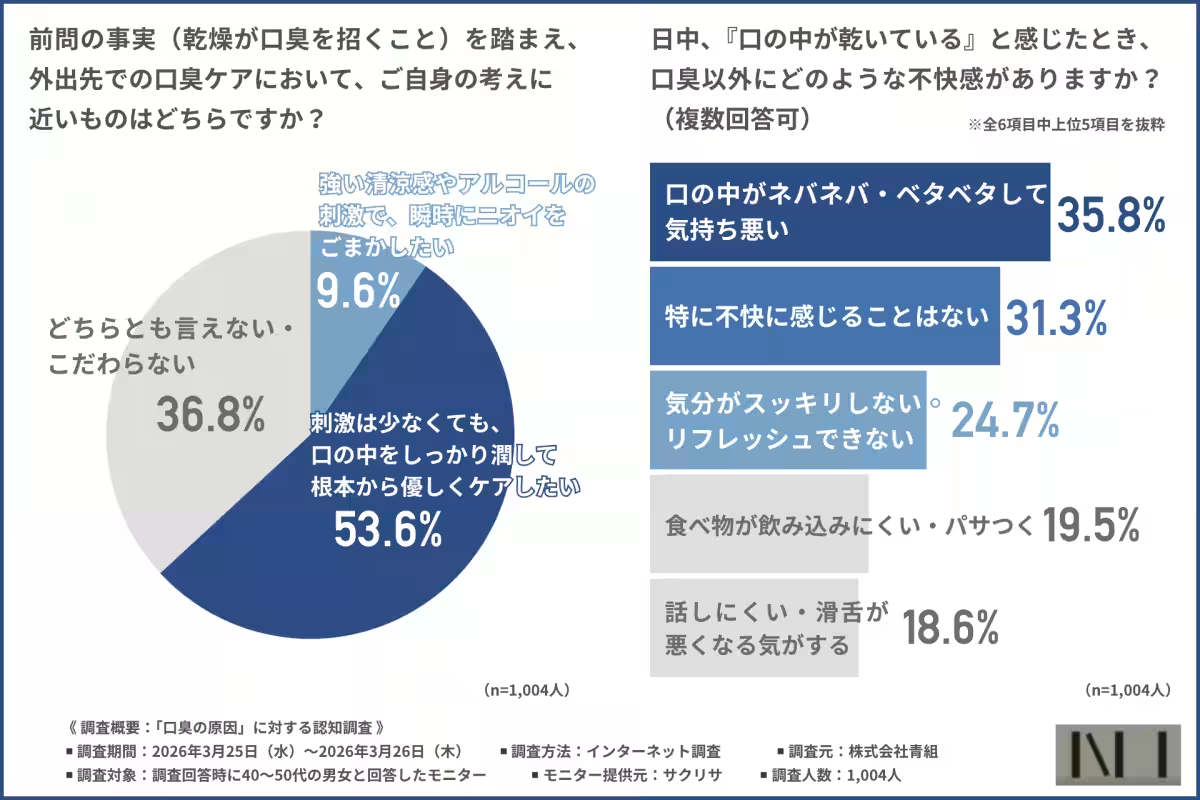
Upon discovering the link between dryness and bad breath, the sentiment shifted among respondents. An encouraging 53.6% expressed a desire for gentle, hydrating solutions over intense breath fresheners. This shift in perspective reflects the desire for smarter, holistic products that uphold oral health rather than just masking the problem.
Ideal Conditions for Effective Oral Care
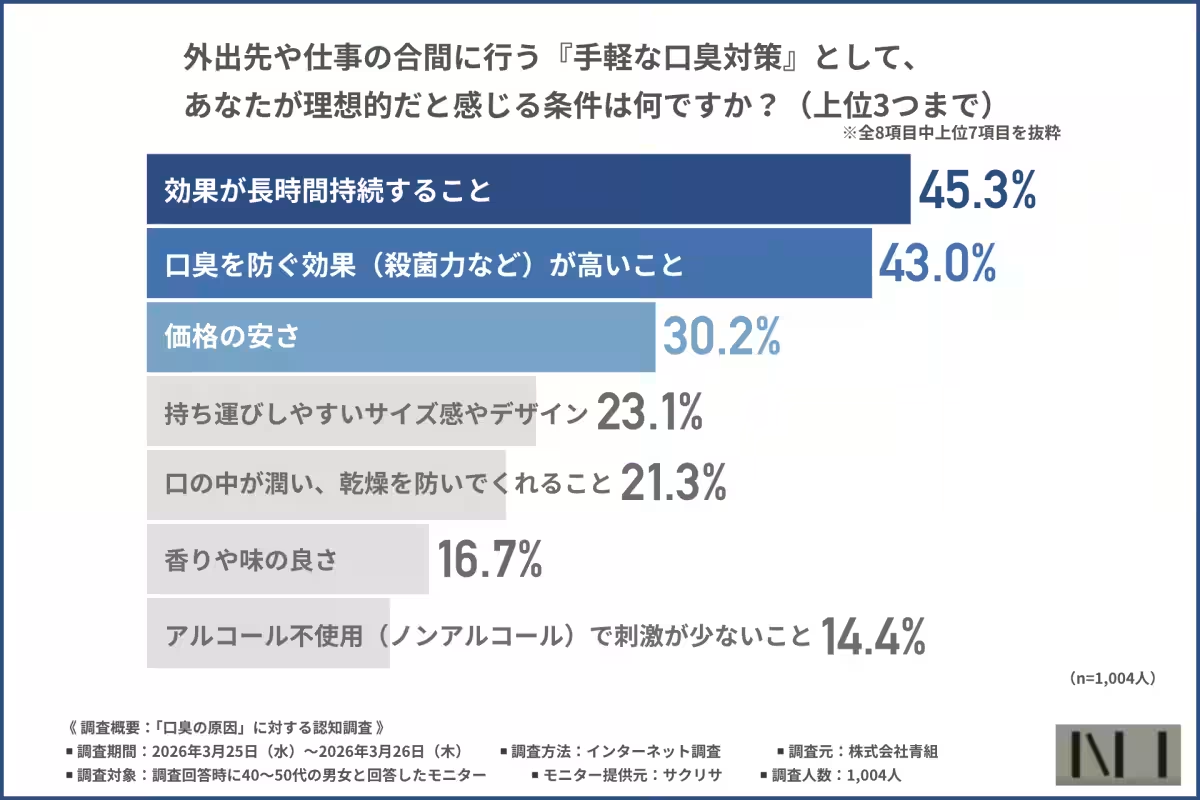
Participants were also questioned about their ideal conditions for casual oral care products. The overwhelming consensus indicated a preference for options with long-lasting effects and robust protective qualities rather than just low prices.
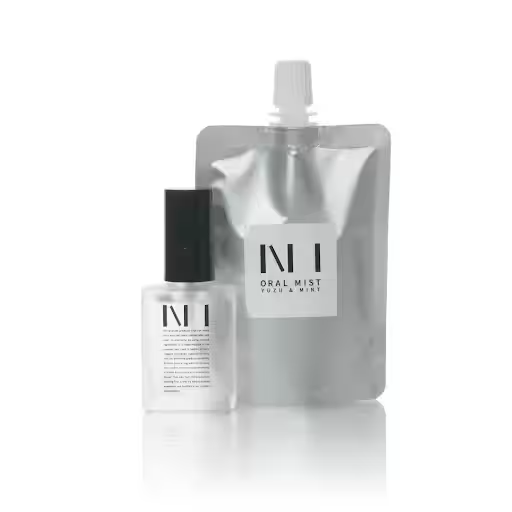
As a response to these rising concerns and needs, NI ORAL MIST (Yuzu & Mint) has emerged as an innovative option. This product is designed to address the unique challenges faced by the middle-aged population, featuring alcohol-free formulas and beneficial natural ingredients to maintain moisture, tackle foul bacteria, and prevent plaque adhesion.
The combination of yuzu and mint offers a refreshing alternative that’s suitable for daily use. Retail price for the 20ml bottle is 1,980 yen, and the 100ml refill pouch is 3,300 yen, available through the company's official website and select retailers.
As people move towards understanding the mechanics behind oral health, there's a noticeable shift from temporary breath solutions to effective care that genuinely benefits long-term oral hygiene. The goal is clear: establishing fresh breath without compromising health, paving the way for rejuvenated confidence in communication and social interactions for the growing middle-aged demographic.
Topics Consumer Products & Retail)

【About Using Articles】
You can freely use the title and article content by linking to the page where the article is posted.
※ Images cannot be used.
【About Links】
Links are free to use.