



Reflecting on Fukushima's Energy Future 14 Years Post-Disaster
Exploring Fukushima's Energy Landscape
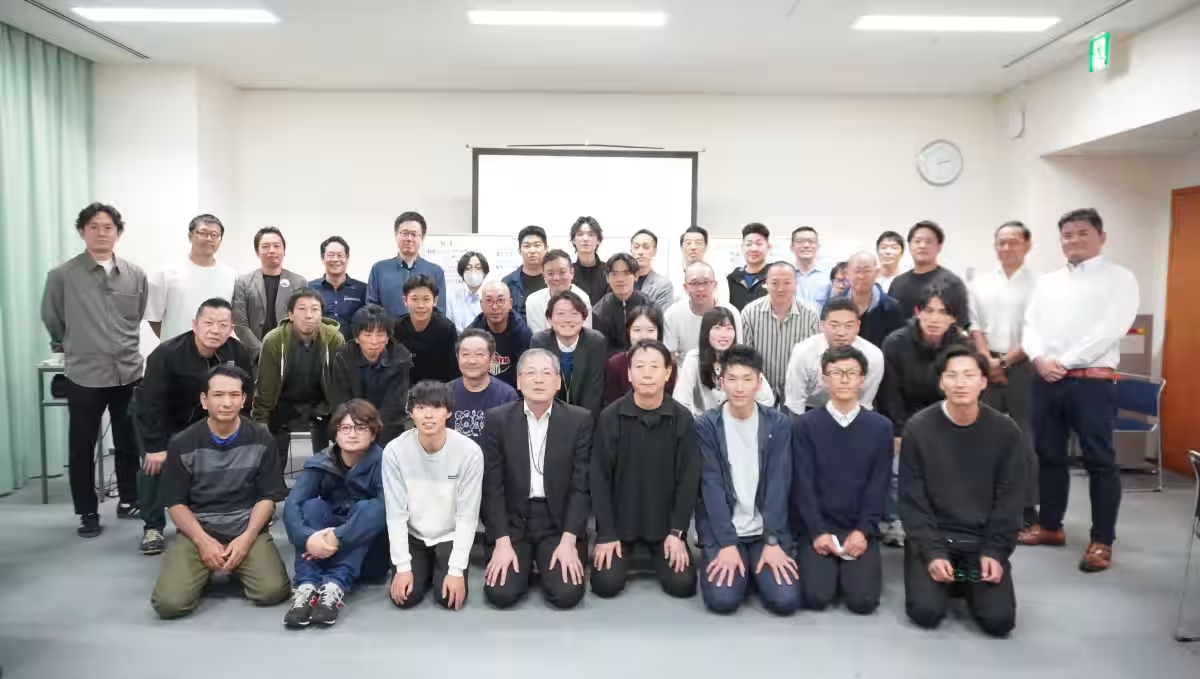
On the weekend of May 31 and June 1, employees of Palsystem Tokyo, led by President Satoru Ooyasu and local partner Iitate Electric, visited Fukushima to investigate the long-term effects of the 2011 nuclear disaster. With 39 staff members participating from 17 distribution centers, the tour aimed to deepen understanding of safety in both food and energy production-related to the ongoing repercussions of the Fukushima Daiichi nuclear disaster.
A Harrowing Legacy of Disaster
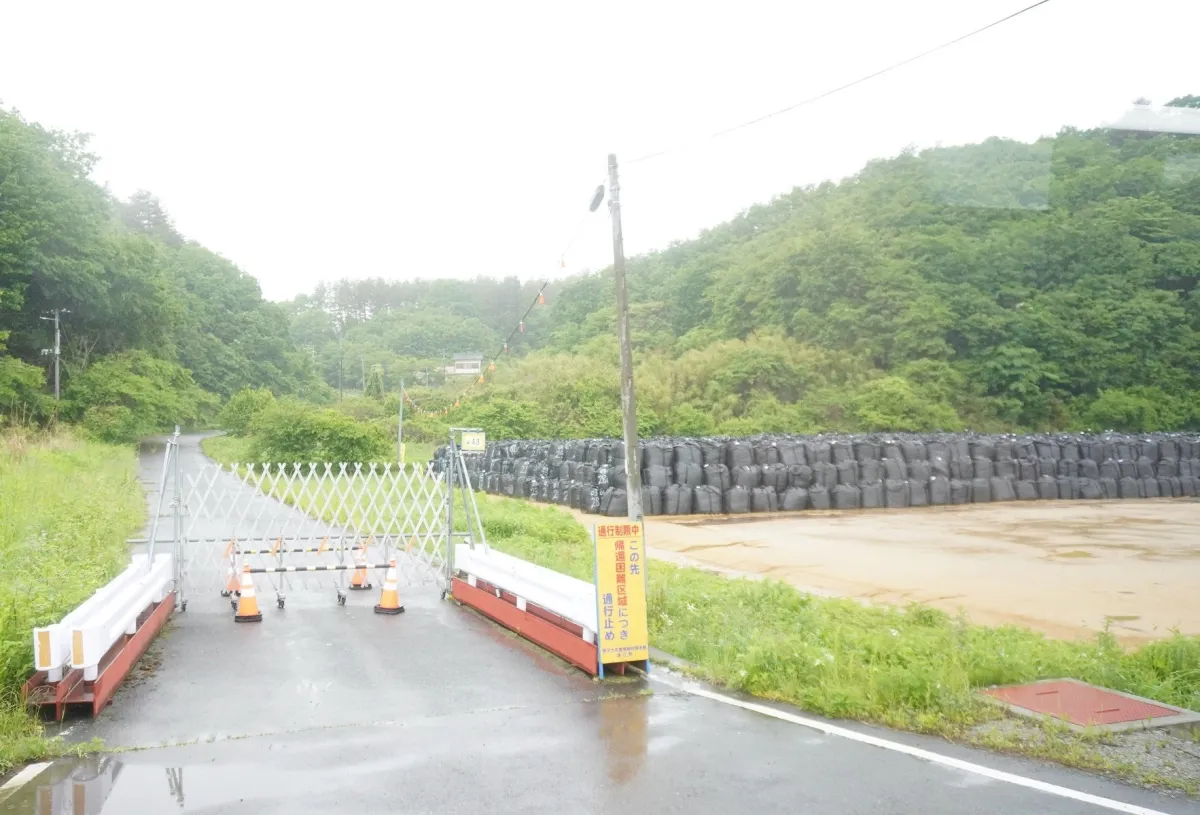
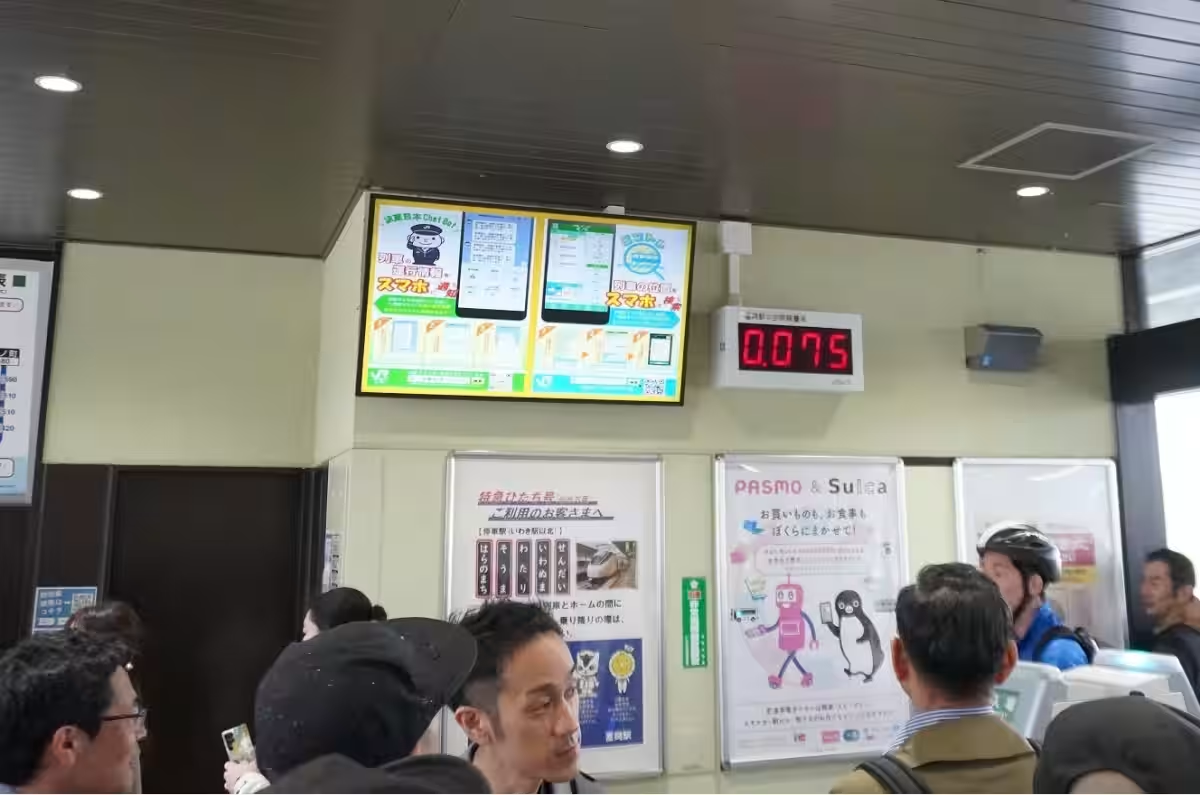
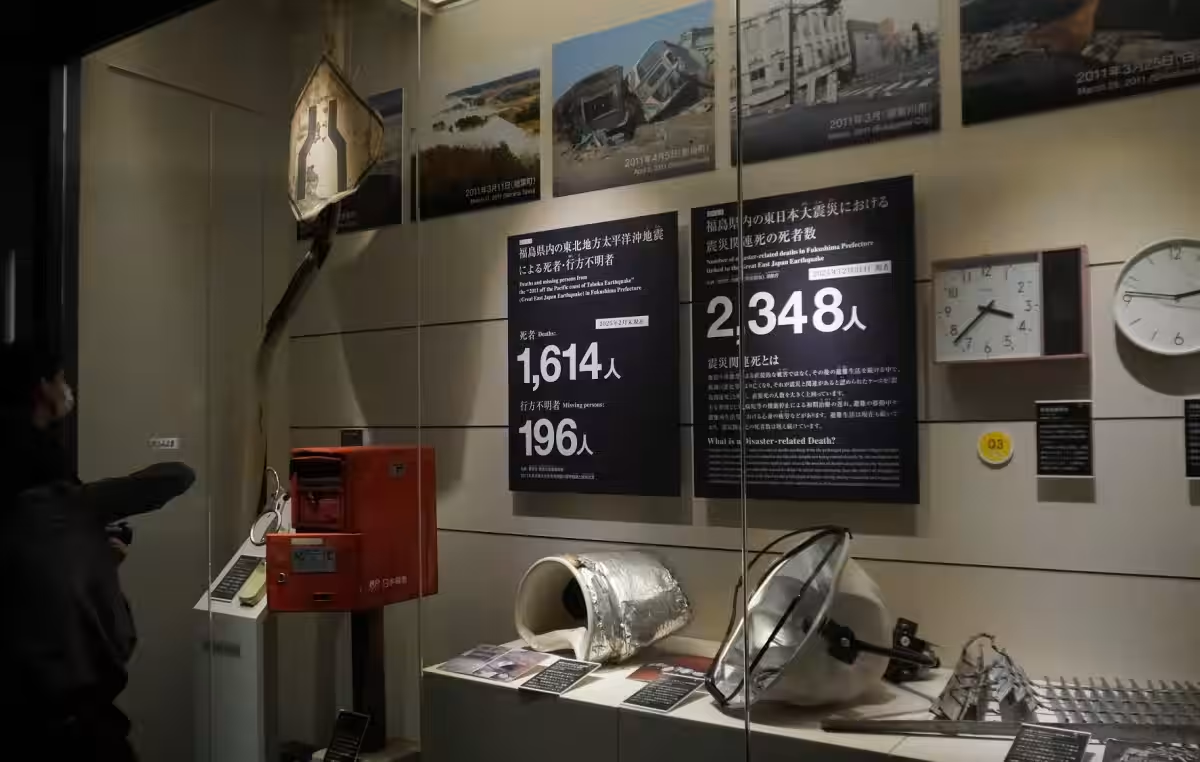
Upon arriving at Tomioka Station, which had reopened in 2020 after the evacuation orders in the wake of the disaster, attendees noted the radiation measuring devices situated throughout the station. With the backdrop of ongoing restricted zones in view, they reflected on the purpose of their visit, which included a stop at the East Japan Great Earthquake and Nuclear Disaster Memorial Museum in Futaba Town.
Inside the museum, visitors engaged with exhibits detailing the devastation caused by the earthquake, tsunami, and nuclear accident. The numbers were stark: the overall casualties from the Great East Japan Earthquake totaled 3,808, with Fukushima alone accounting for 2,348 disaster-related deaths, largely due to mental and physical stress from evacuation and displacement.
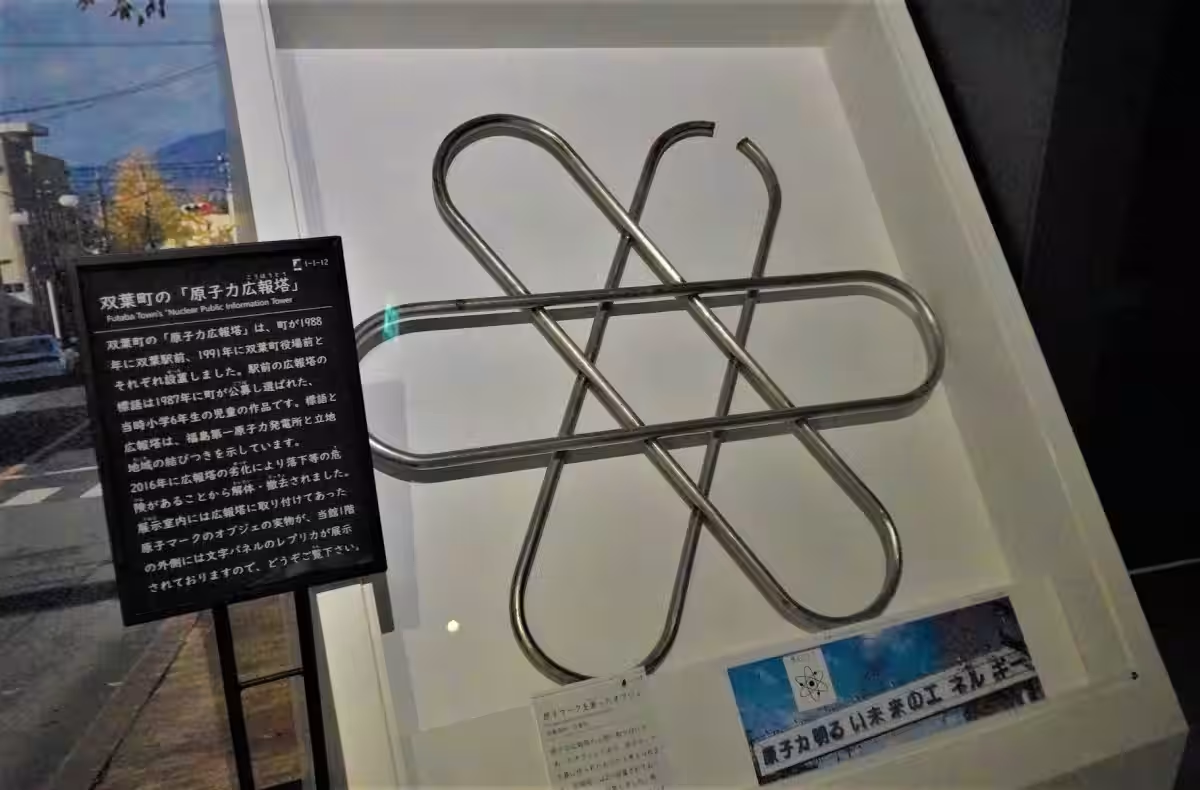
Among the exhibits were poignant accounts from children expressing the harsh realities of being uprooted from their homes and the unkind words faced in temporary shelters. In contrast, some displays featured hopeful slogans crafted by kids proclaiming, "Nuclear power is the energy of a bright future," highlighting the ambivalence felt by the local population. One employee remarked, "It really struck my heart."
Importance of Community Connection
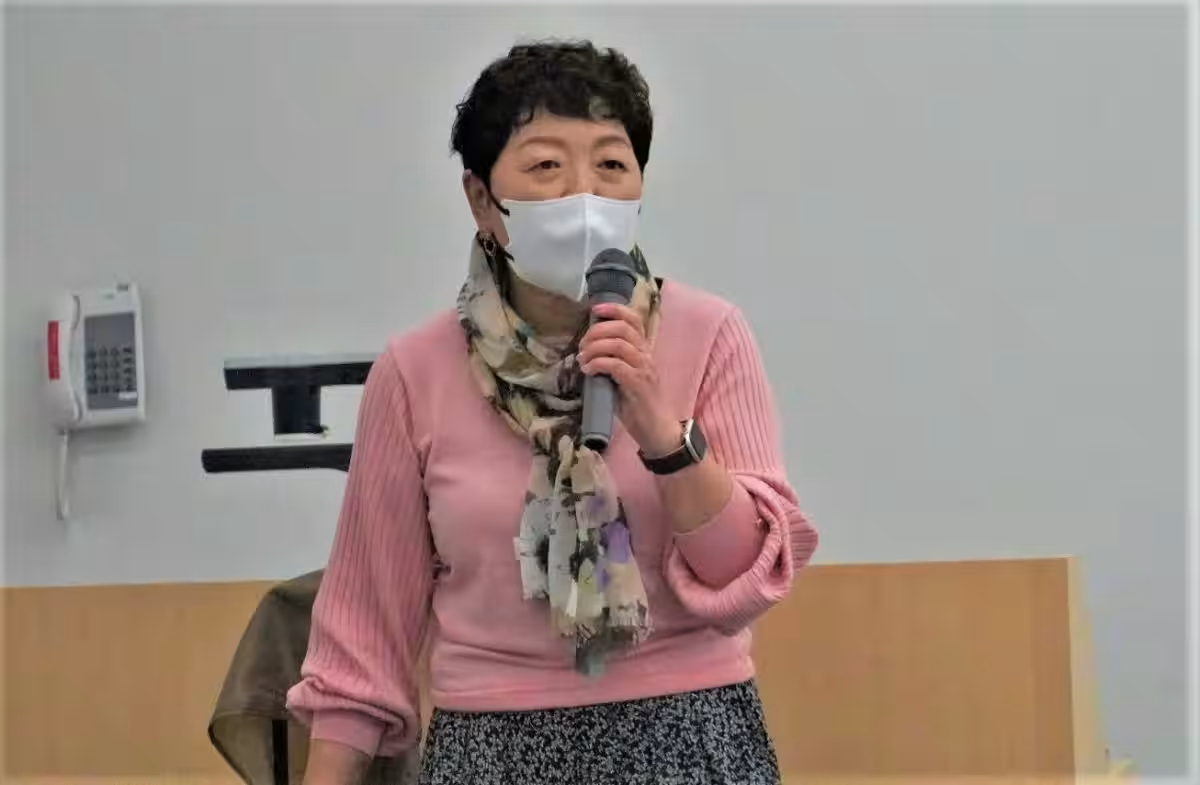
After the museum visit, the group relocated to a cultural exchange center where Keiko Yoshida of the Tomioka Plus Corporation shared experiences from the evacuation. She recounted how, within just hours of the initial evacuation orders, people found themselves on the road — some in only the clothes they wore, guided by police in protective gear over a grueling five hour drive to safety in Kawauchi Town.
In the Big Palette Fukushima evacuation center, home to over 3,000 evacuees, Yoshida and others worked to foster communication amongst displaced individuals to avoid conflicts. With support from NPOs, they organized community-building activities like weeding and even established spaces for coffee, clinics, and police stations to facilitate social interaction and address individual needs within the crowded shelter.
Even after moving to temporary housing, aid efforts persisted with the establishment of "Odagaisama Center," which aimed to support a sense of normalcy and joy. Over the years, these initiatives saw participation from over 10,000 individuals annually, promoting community spirit through collaborative activities. Their network expanded to include creation of a phone directory for evacuees scattered across the nation and radio broadcasts in local dialect, reinforcing the fabric of community integration and psychological recovery.
Palsystem's Commitment to Sustainable Energy
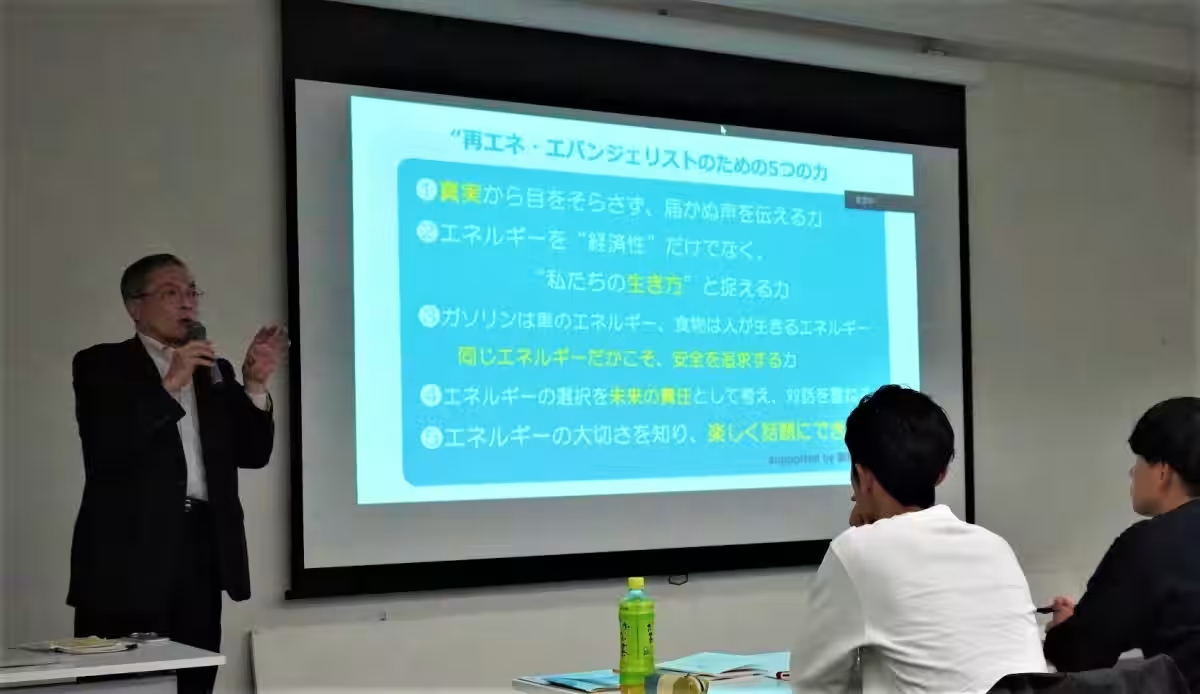
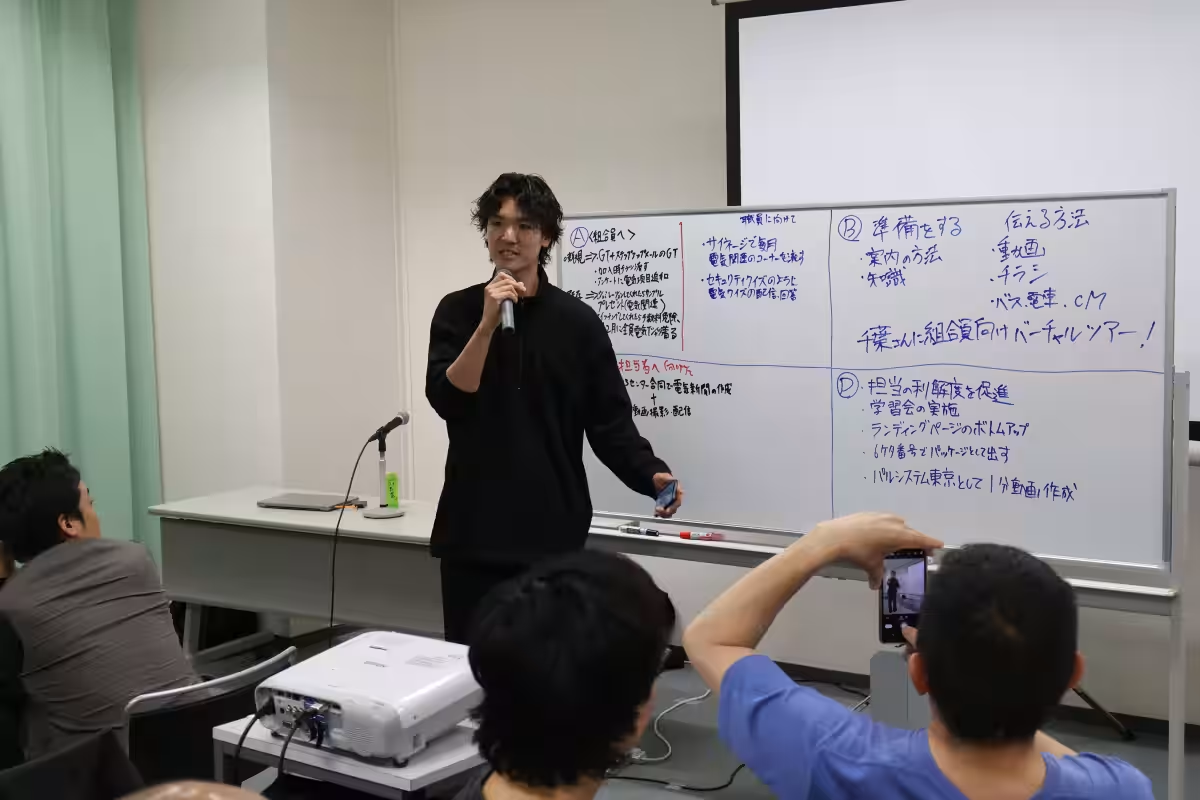
米澤一造 and 千葉訓道 from Iitate Electric, the provider for Palsystem, also shared vital insights on promoting renewable energy. Historically, Fukushima has been a cornerstone for energy supply in the Tokyo area, marked by coal mining and dam construction from the Meiji era to the establishment of nuclear power plants post-World War II.
In the wake of the Fukushima nuclear crisis, Iitate became a designated evacuation zone. The company repurposes the land, focusing on solar energy initiatives, channeling profits into training and community rejuvenation efforts grounded in the lessons learned from the disaster. Palsystem employees frequently visit the affected areas, cultivating awareness about the significance of renewable energy solutions. Since the onset of the pandemic, virtual tours have allowed for continued engagement and education about energy transitions and their many advantages.
Chiba emphasized the importance of staff being equipped with a set of five capabilities when communicating the virtues of choosing Palsystem energy:
1. The capacity to confront uncomfortable truths and share unheard voices.
2. The perspective to understand energy not just as a commodity, but a part of human existence.
3. A shared pursuit of safety across all forms of energy, viewing gasoline and food as life-giving resources.
4. The ability to engage in discussions about energy choices responsibly for future generations.
5. Foster a joyful conversation around the significance of energy.
He articulated the simple yet powerful message on renewable energy: "It's universal, it's sustainable, and it doesn't produce carbon dioxide."
The Path Forward to a Sustainable Region
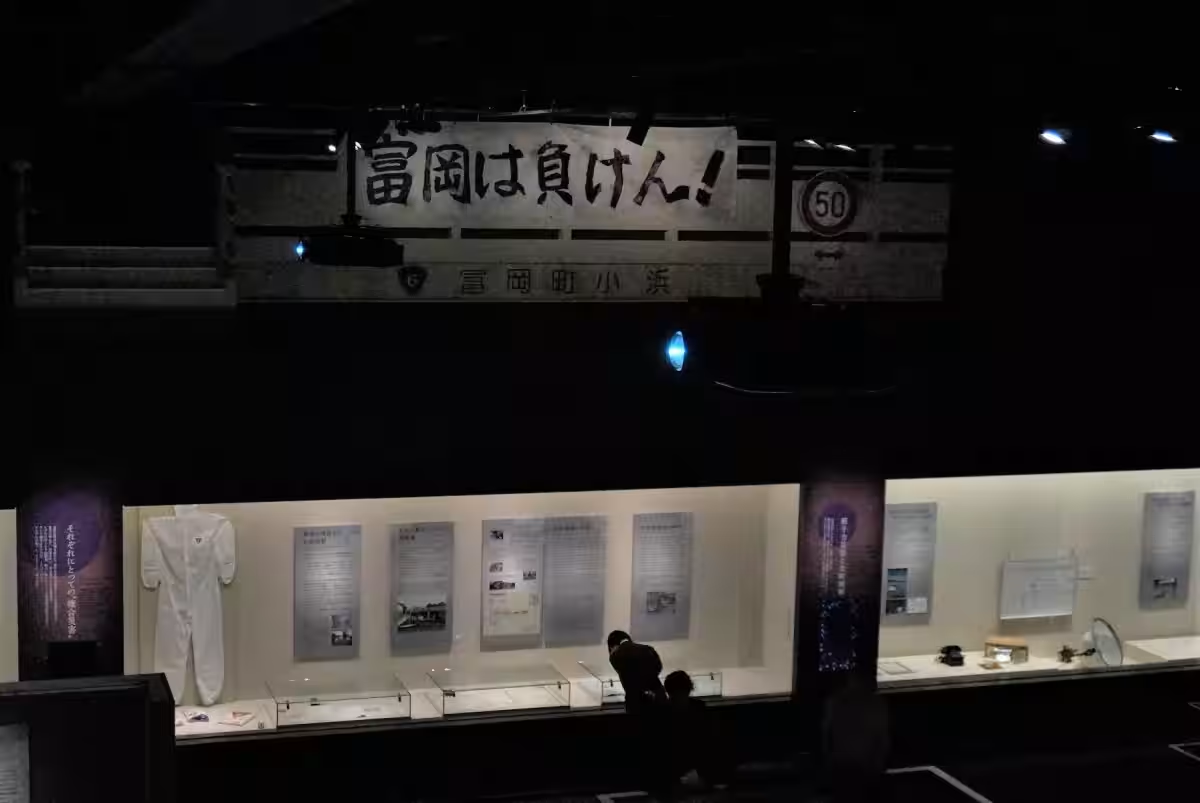
On the second day, the tour included a visit to the Tomioka Archive Museum, which showcases historical artifacts reflecting the region’s culture disrupted by the nuclear accident. The powerful message of resilience echoed through banners that read, "Tomioka will not lose!" prompting an emotional response from the visiting staff.
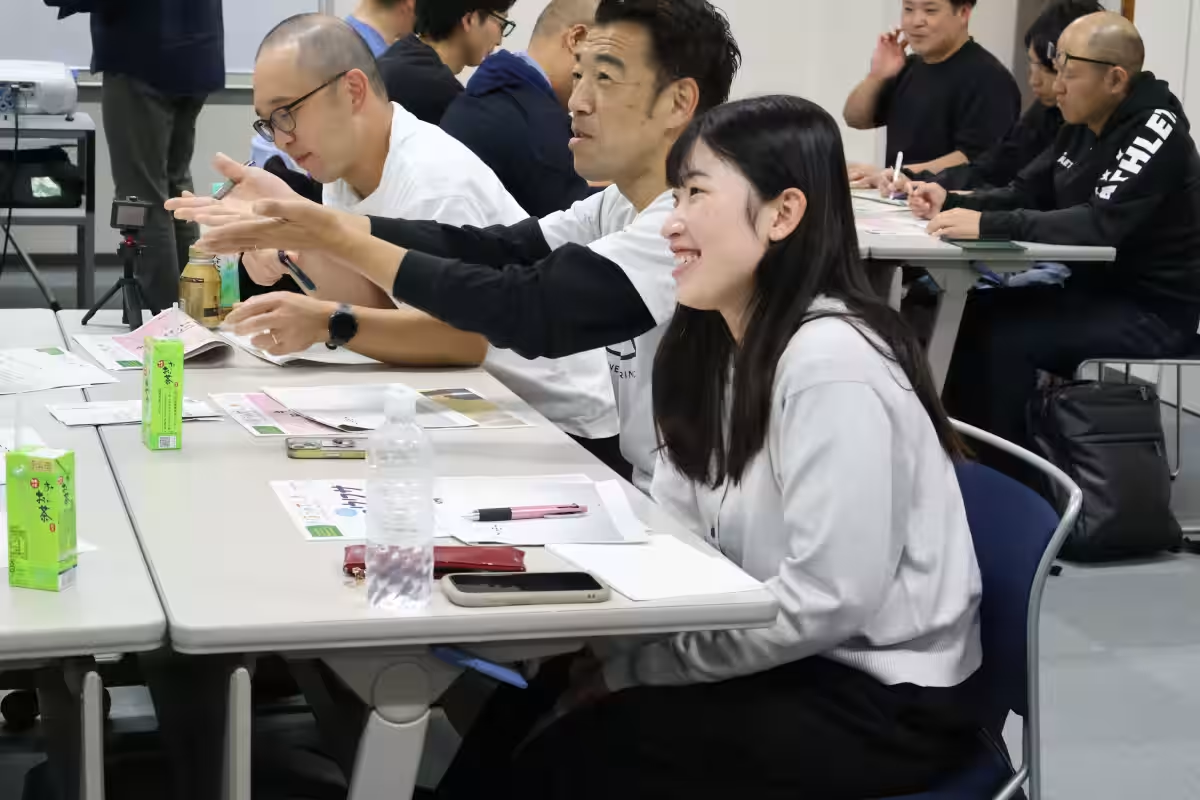
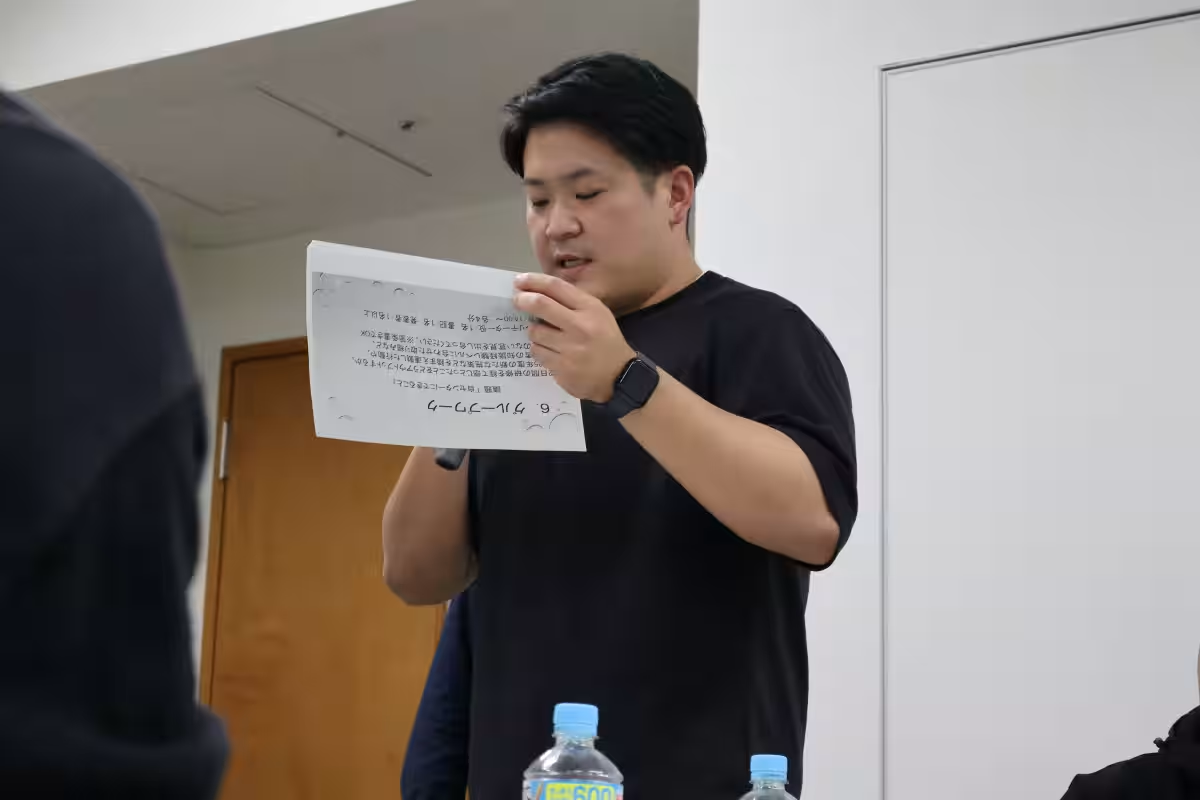
Concluding their tour, the team engaged in workshops to discuss methods of sharing their newfound knowledge back at their respective centers. Ongoing discussions highlighted the need for employee education on Palsystem’s energy services, the significance of sharing renewable energy narratives, and the vision for replacing nuclear energy dependency with sustainable alternatives.
Palsystem Tokyo is committed to nurturing relationships with various community stakeholders and will continue to prioritize both food and energy security for a sustainable future.

Topics Energy)
【About Using Articles】
You can freely use the title and article content by linking to the page where the article is posted.
※ Images cannot be used.
【About Links】
Links are free to use.