



Ending the 'One-Stop Sale' Cycle of Eternal Memorial Graves: A Closer Look at Satisfaction Rates Over Time
A New Chapter for Eternal Memorial Graves
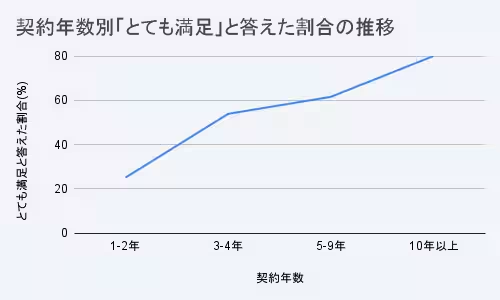
The traditional practice of eternal memorial graves often suffers from a detrimental cycle known as 'one-and-done.' However, Seizan Co., based in Shinagawa, Tokyo, has developed a pioneering approach that ensures high user satisfaction even years after the initial contract. The research conducted at the Jissouji Aoyama Cemetery revealed astonishing results: not a single complaint among users who had contracts for over six years, with 80% of users with contracts exceeding a decade rating their experiences as excellent.
The Crux of User Satisfaction
What drives these impressive satisfaction levels? The survey pointed to not just the facility's physical attributes, but rather the intangible elements: staff interaction and a developed habit of regular visitation. Approximately 84.9% of respondents credited their satisfaction to the warm and responsive nature of the staff, while 71.7% noted that the regularity of their visits significantly enhanced their experience. This phenomenon is described as 'year-on-year optimization' by Seizan, which underscores the importance of maintaining user relationships long after the sale.
Understanding the Structural Risks of Eternal Memorial Graves
The increasing number of graves transferred due to mismanagement—highlighted in a report by the Ministry of Health, Labour and Welfare—indicates a larger trend of dissatisfaction within the field. In 2022, the count reached a historic high of over 150,000 transfers, doubling in the last 25 years due to issues like inability to manage distant graves or lack of successors.
These challenges highlight a critical need in the industry where promises of eternal care are often unfulfilled. Instances of management failures and neglect are widespread. For example, certain facilities have been criticized for deteriorating conditions shortly after contracts are signed, revealing a flaw in the industry's operational resources.
A Shift from 'Once Sold, Always Sold'
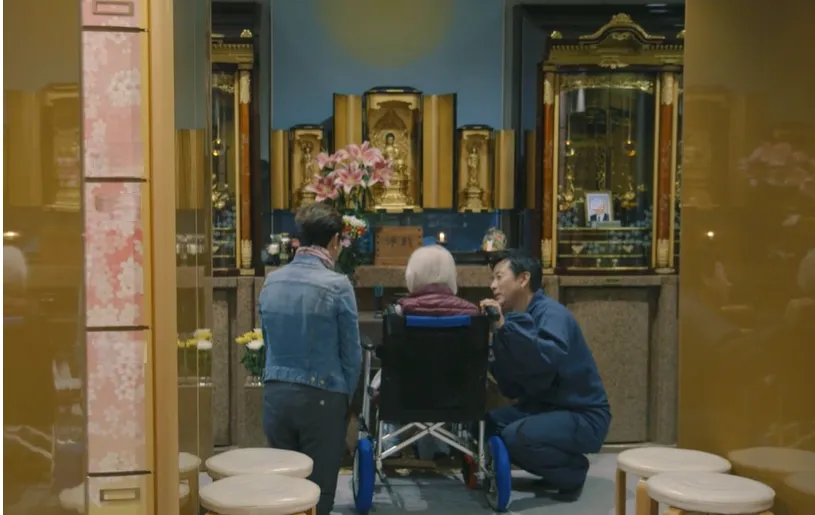
The conventional business model that sees 'eternal memorial graves' as merely a transaction creates a disconnect post-contract, leaving users feeling abandoned. Seizan’s initiative aims to break this cycle completely. The cherished model from Nichiren Buddhist temple Myokyoji, known for its Annonbō, effectively illustrates seeking ongoing relationships rather than one-off appointments, focusing on maintaining trust and satisfaction as the years pass.
The survey found not just an absence of complaints, but a deepening satisfaction as the years went by. Over a decade-long engagement resulted in over 80% of users rating their experience as exceptional. Respondents consistently expressed appreciation for emotional support received during challenging times, a testament to the nurturing relationships cultivated through Seizan’s model.
Insights from the Survey
The survey conducted involved 53 participants who were actively engaged with the Aoyama Cemetery. This study utilized questionnaires to unearth trends related to satisfaction over contracts of varying durations. Notable trends emerged:
- - Zero dissatisfaction: None of the respondents reported dissatisfaction, showcasing a dramatic shift from the typical expectations in the industry.
- - High response rate of 58.2%: Reflecting the strong bond between users and the cemetery, many wanted to ensure their voices were heard.
Furthermore, the longer users stayed engaged, the better their satisfaction ratings, hinting at a promising trend where quality increases over time, contrary to traditional expectations in many service industries.
The Five Foundations Supporting Year-on-Year Optimization
The impressive results at the Jissouji Aoyama Cemetery are not mere coincidence, but the outcome of deliberate operational design spearheaded by Seizan. Their approach revolves around five core elements:
1. Merging Hospitality with Tradition: Exceptional service from staff is vital to user satisfaction. By prioritizing a human touch during visits, they foster deep emotional connections.
2. Systemizing Kindness: Staff are trained to provide personalized experiences, demonstrating that warmth in interactions isn't just a one-off occurrence but a systematic approach.
3. Facilitating a Habit of Visiting: The environment must be inviting and well-maintained, encouraging families to return regularly, thus enhancing their connection to their loved ones.
4. Utilizing Data: Innovative technological methods, like their Dan Shintokarte™, allow personalized experiences and ongoing relational support between the users and the staff.
5. Setting Up Continuous Feedback Loops: Regular analysis of user feedback ensures that the burial practices are continuously improved and refined, underscoring the commitment to quality over mere transactions.
The survey’s findings herald a change in how businesses in the memorial industry can operate sustainably while keeping user satisfaction at the forefront, contrasting sharply against the backdrop of systemic issues facing many traditional eternal memorial facilities.
Conclusion
Seizan Co. demonstrates how reorienting focus from short-term profit to lifelong relationships can lead to success in the sensitive arena of eternal memorials, setting a benchmark for others to emulate. It calls for a collective effort to improve the industry, ensuring that the places where we remember the deceased become sanctuaries, not just locations of neglect. By prioritizing community, compassion, and quality management, we can ensure that every farewell remains a cherished and respected tradition for generations to come.











Topics Consumer Products & Retail)




【About Using Articles】
You can freely use the title and article content by linking to the page where the article is posted.
※ Images cannot be used.
【About Links】
Links are free to use.