



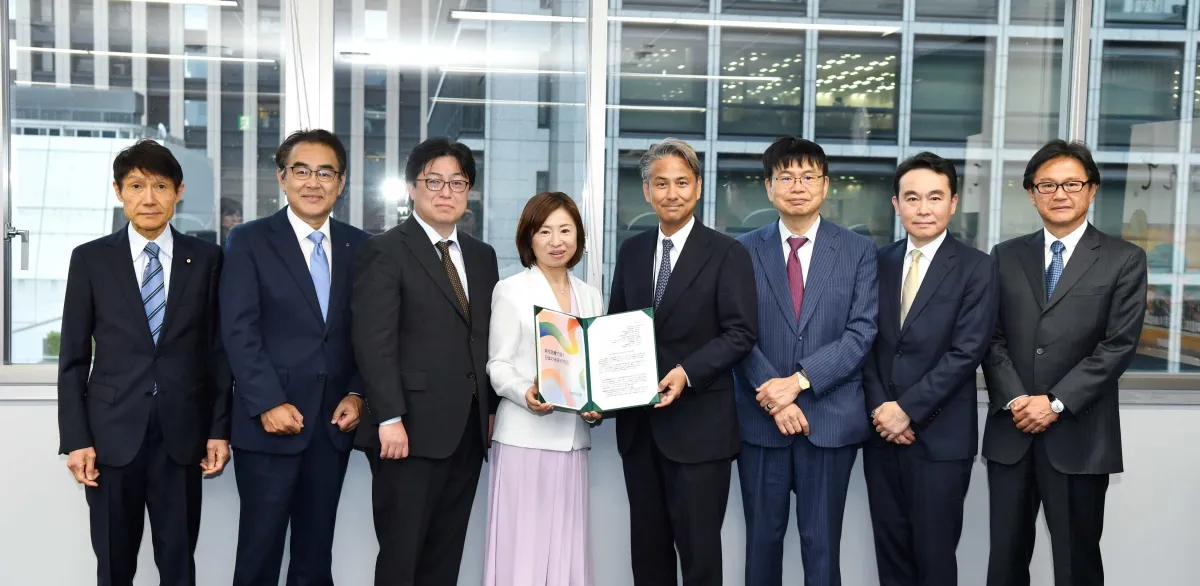
Future of Regenerative Medicine in Japan: Key Proposals Submitted to the Ministry of Economy, Trade and Industry
Future of Regenerative Medicine in Japan
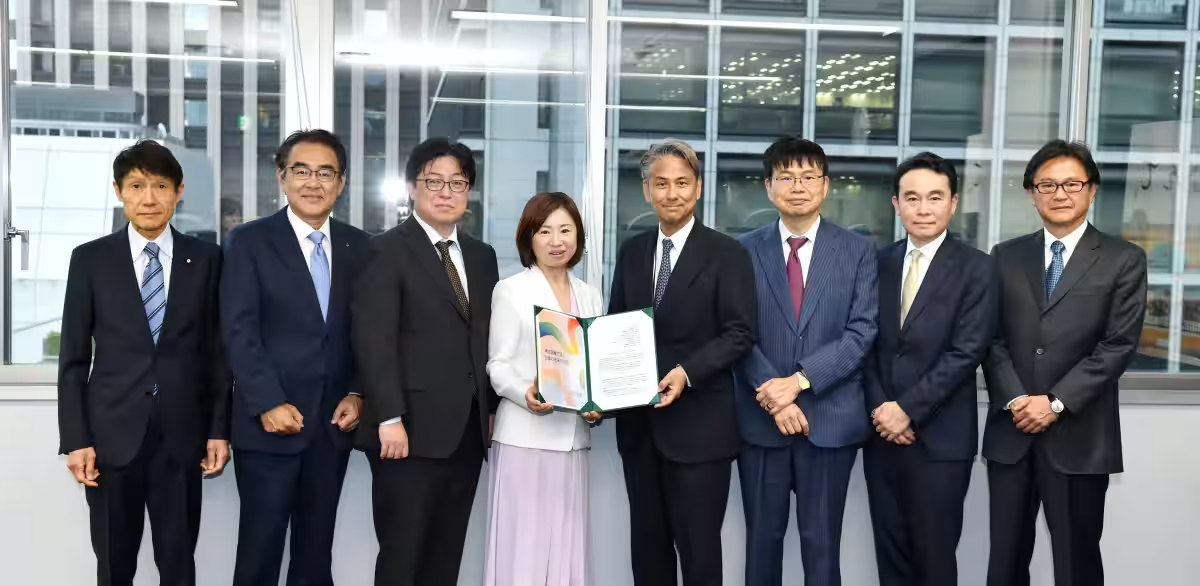
The Future of Regenerative Medicine Research Group, established as a collaborative initiative among academics, businesses, and government, submitted a comprehensive proposal to Japan's Ministry of Economy, Trade and Industry on May 14, 2026. This groundbreaking meeting included notable participants such as Risa Tanaka, the president of the Graduate School of Project Design, and Hiroshi Inoue, the Director for Commerce and Services at the ministry.
The group addresses the growing importance of regenerative medicine in enhancing Japan's international competitiveness and extending the healthy lifespan of its citizens. However, innovations in this field face challenges due to the lengthy and costly nature of clinical development, mainly because it is a relatively new area of healthcare.
Background of the Future of Regenerative Medicine Research Group
The focus of the group is to foster a sustainable and robust development of regenerative medicine in Japan that can transform into a viable export industry. Since 2023, the group has held discussions on the theme of “Future Directions for the Next Decade”, aiming to accelerate innovation, improve clinical evaluations of regenerative medicines, and enhance public understanding of medical insurance finances. The proposals presented serve as a culmination of the research findings from the current fiscal year.
Key Proposals Presented
On May 14, 2026, the group officially submitted their proposals, which address crucial issues of innovation acceleration, clinical evaluation of regenerative medicine products, and enhancing public understanding about healthcare financing. The following points were made in the proposal:
1. Improvement of the operating system for conditional approvals under the Pharmaceuticals and Medical Devices Act – A need to create more robust guidelines that enhance the effectiveness of the system, utilizing registry data for efficacy evaluation in diseases with a limited patient base.
2. Development of a medical insurance system that reflects the characteristics of regenerative medicine products – Proposals for pricing mechanisms that take the distinct value of regenerative products into account, enabling sustainable provision via medical fee systems.
3. Promotion of regenerative medicine under safety assurance laws – Advocacy for a shift towards verification-based medical practices and leveraging private insurance within treatment systems.
4. Support for domestic manufacturing and advancement of production technologies – Recommendations to strengthen Japan's manufacturing base by harnessing its strengths in AI and robotics.
5. Development of human resources in regenerative medicine – Emphasizing the need for more foundational researchers, fostering collaborations between basic and applied research, and promoting workforce mobility.
6. Enhancement of public understanding and citizen participation – Suggesting initiatives to improve health literacy through increased dissemination of information.
These strategic proposals underline the commitment to creating a robust infrastructure for regenerative medicine in Japan, as well as addressing the imperative need for skilled personnel in this evolving field.
Composition of the Research Group
The advisory team included prominent individuals such as Senator Toshiro Furukawa, International Society for Stem Cell Research President Yoshiyuki Okano, Professor Akira Goto from Keio University, and several other notable figures in the academic and corporate sectors.
About the Graduate School of Project Design
Founded in April 2012 in Minato, Tokyo, the Graduate School of Project Design offers a unique curriculum aimed at social professionals seeking to develop and implement business concepts. It has graduated a significant number of professionals who go on to innovate in various industries. Currently, it operates across five campuses in Japan, emphasizing practical research and project-based education for its students.
For more detailed information about the proposals and the Future of Regenerative Medicine Research Group, visit here.
Topics Health)






【About Using Articles】
You can freely use the title and article content by linking to the page where the article is posted.
※ Images cannot be used.
【About Links】
Links are free to use.