



Exploring New Travel Trends: The Rise of Community Engagement in Japan
Exploring New Travel Trends: The Rise of Community Engagement in Japan
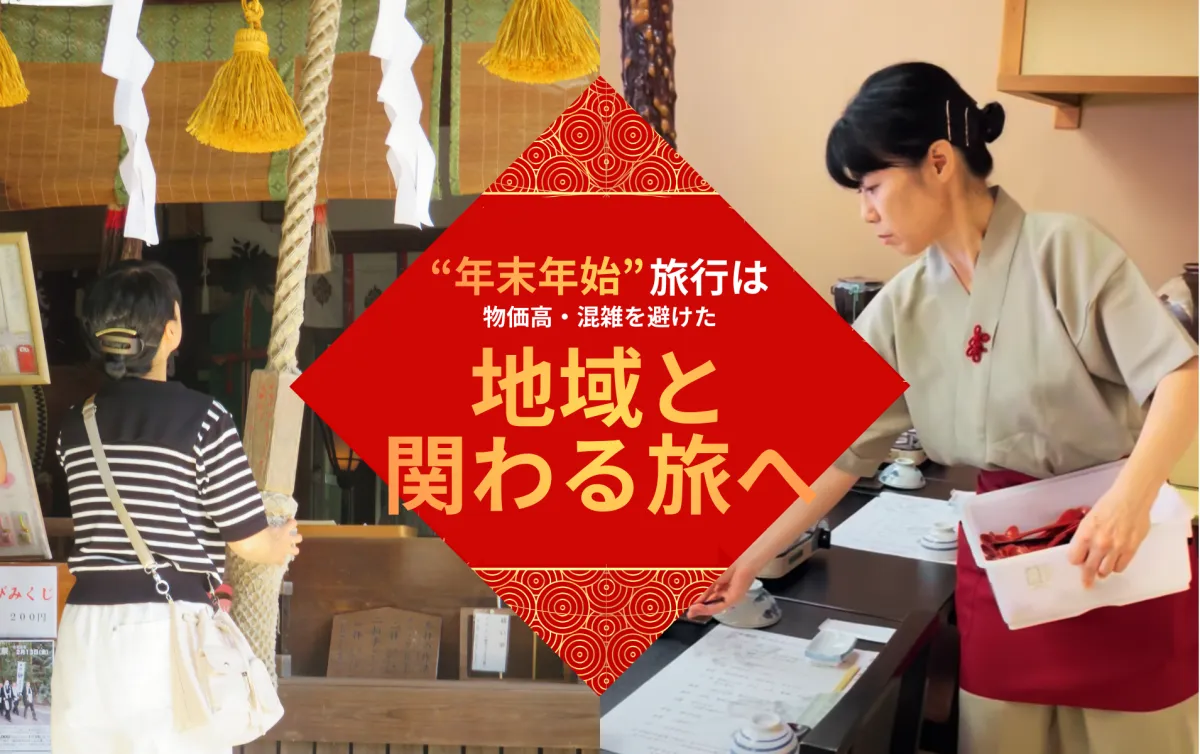
In a recent survey conducted by Otetabi, a unique platform that connects travelers with local opportunities, significant insights into the evolving landscape of travel preferences during the year-end holiday period were revealed. The findings indicate a clear desire among Japanese travelers to engage more deeply with local communities while navigating challenges posed by rising costs and overcrowding in popular tourist destinations.
Survey Context
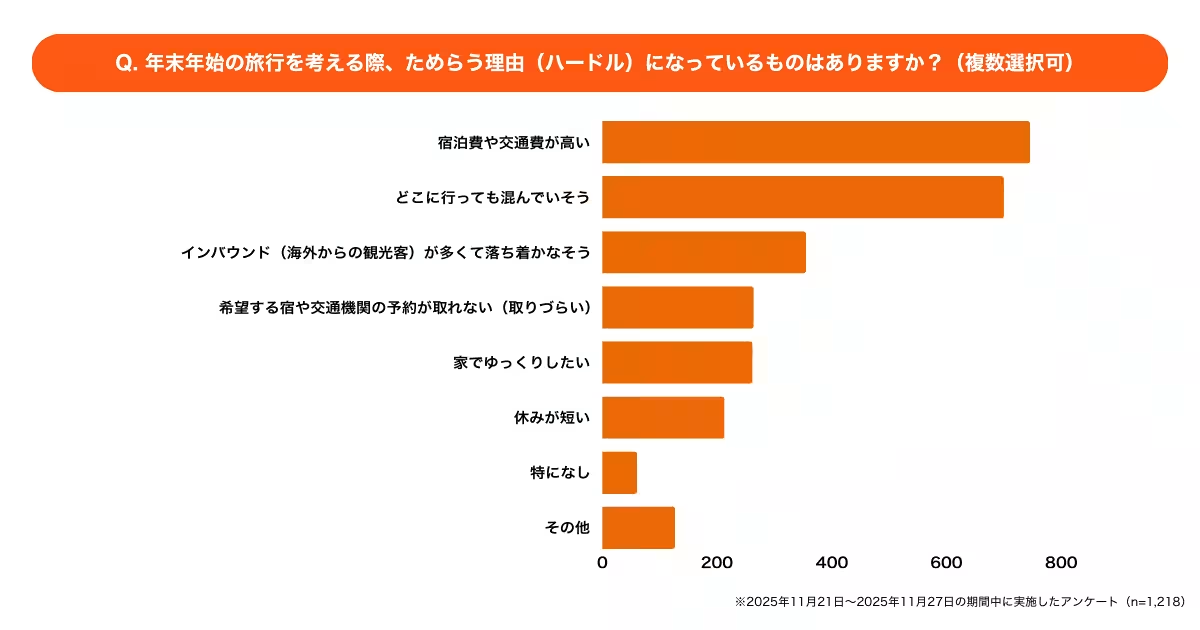
The backdrop for this study involves a substantial increase in inbound tourism and spiraling accommodation and transportation costs. According to the Japan National Tourism Organization (JNTO), tourism has seen a remarkable resurgence, with projections indicating about 3.89 million visitors to Japan in October 2025. However, alongside this revival, the affordability and accessibility of travel have become pressing concerns, with accommodation prices in some areas increasing by 50% to 100% compared to pre-pandemic rates. Furthermore, famous tourist sites are witnessing consistent overcrowding, leading to what is now commonly referred to as overtourism.
To better understand how these factors are influencing traveler intentions and preferences, Otetabi targeted its registered users in a survey, focusing on the issues surrounding rising costs and congestion during the busy year-end travel period.
Key Findings
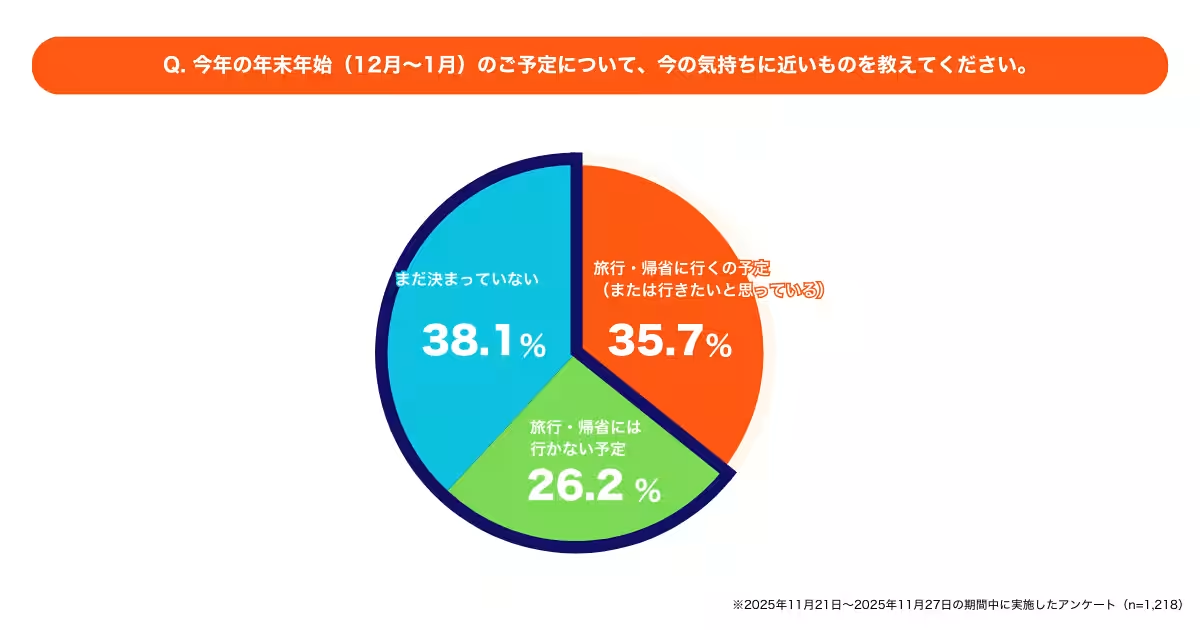
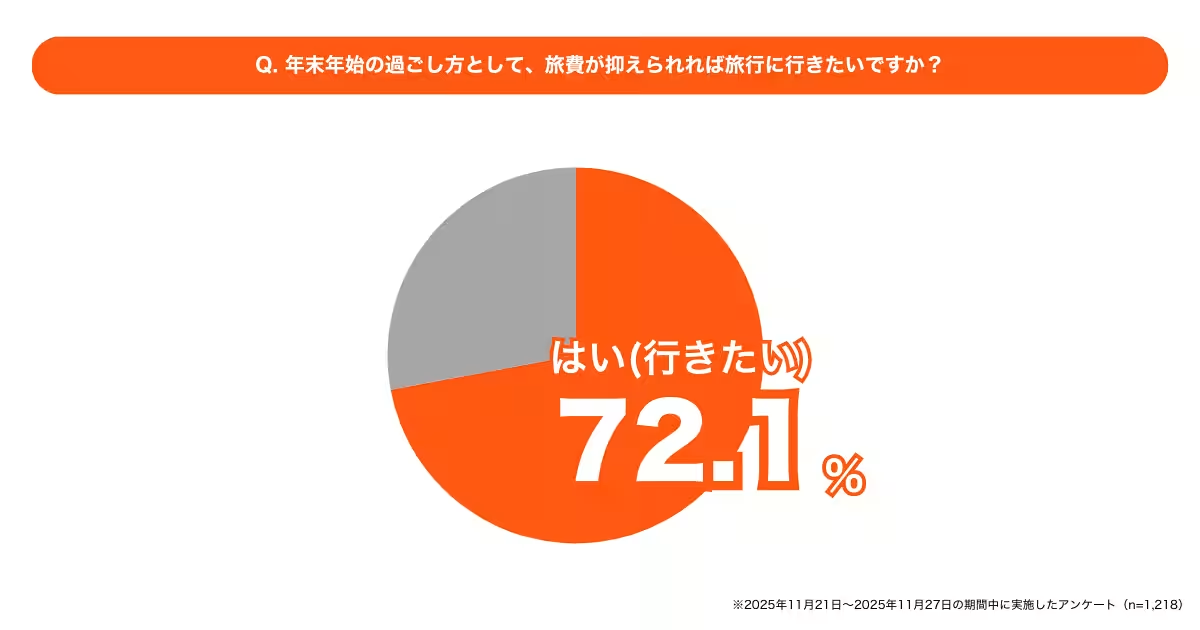
1. Travel Intentions: A notable 64.3% of respondents indicated they were uncertain or unwilling to travel during this period. Conversely, when asked if they would consider traveling if costs were lower, an overwhelming 72.1% expressed interest. This highlights a notable discrepancy where potential travelers are limited by financial and logistical barriers.
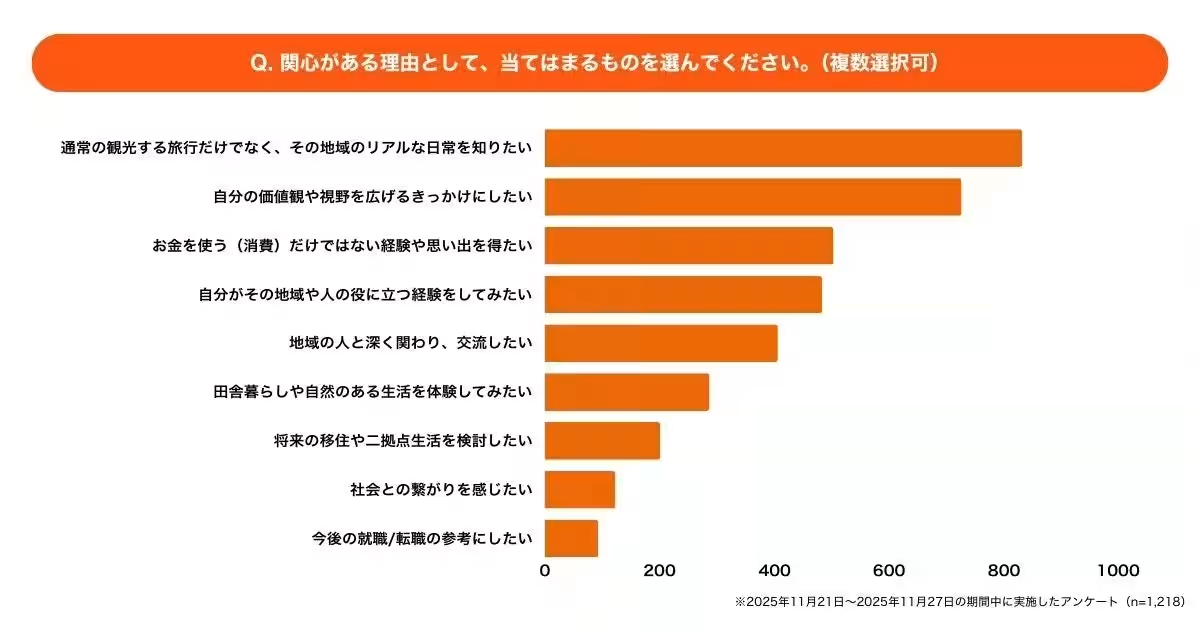
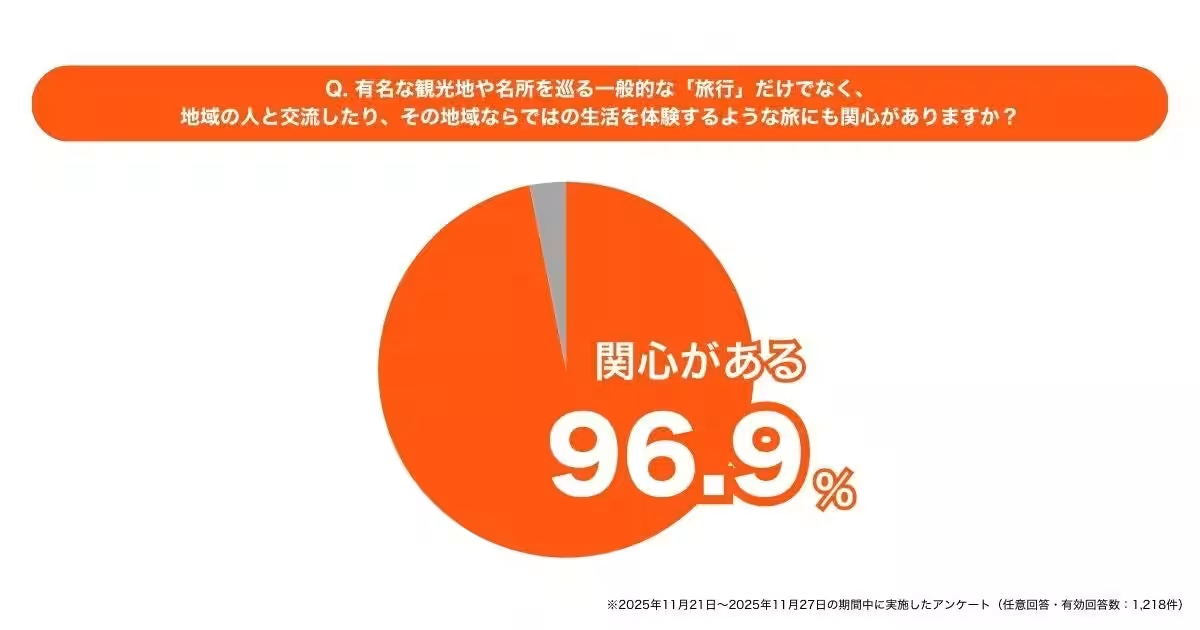
2. Value of Community-Centric Travel: An impressive 96.9% of participants showed interest in engaging with local communities beyond mere sightseeing. This reflects a substantial shift in values where travelers increasingly seek authentic experiences. Key motivations for interest in community engagement included a desire to learn about the region's everyday life (70.5%) and to expand one’s personal perspectives (61.5%).
The Shift Towards Community Engagement
Given the rising costs and excessive crowds, many individuals are reconsidering what travel means to them. Traditional travel, focused on popular attractions, is now competing with emerging preferences for deeper engagement with local cultures and communities. The survey illustrates a clear demand for what Otetabi refers to as “community-based travel”. This trend champions interactions that offer more than just a visit; it seeks to create meaningful connections with local residents, enriching the travel experience.
Redefining Travel through Otetabi
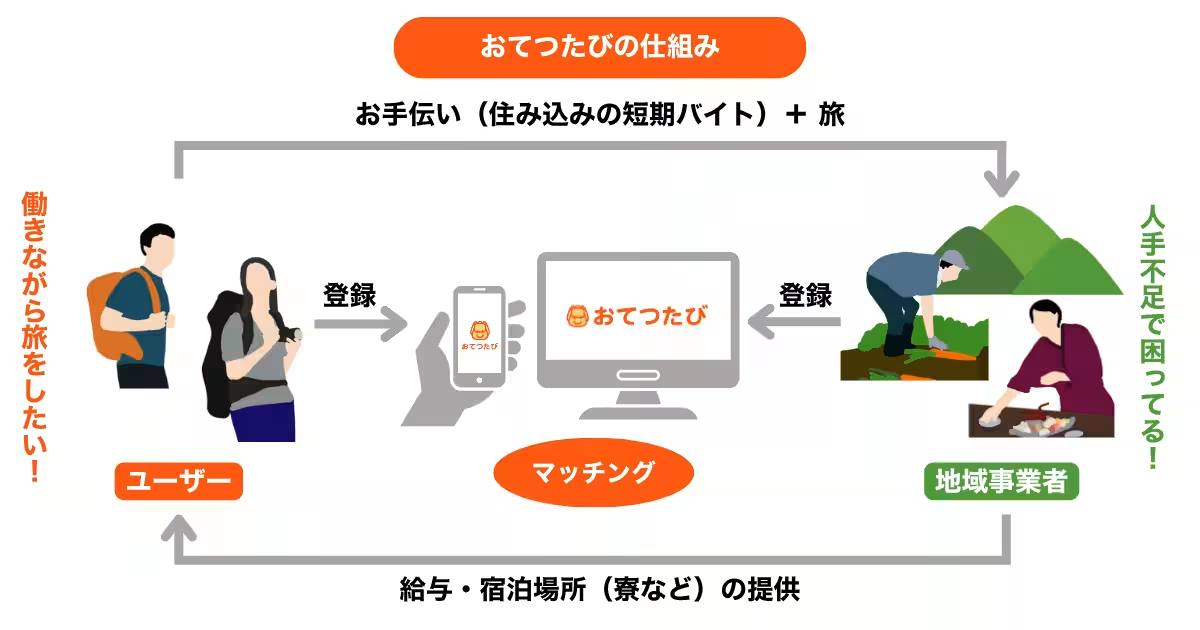
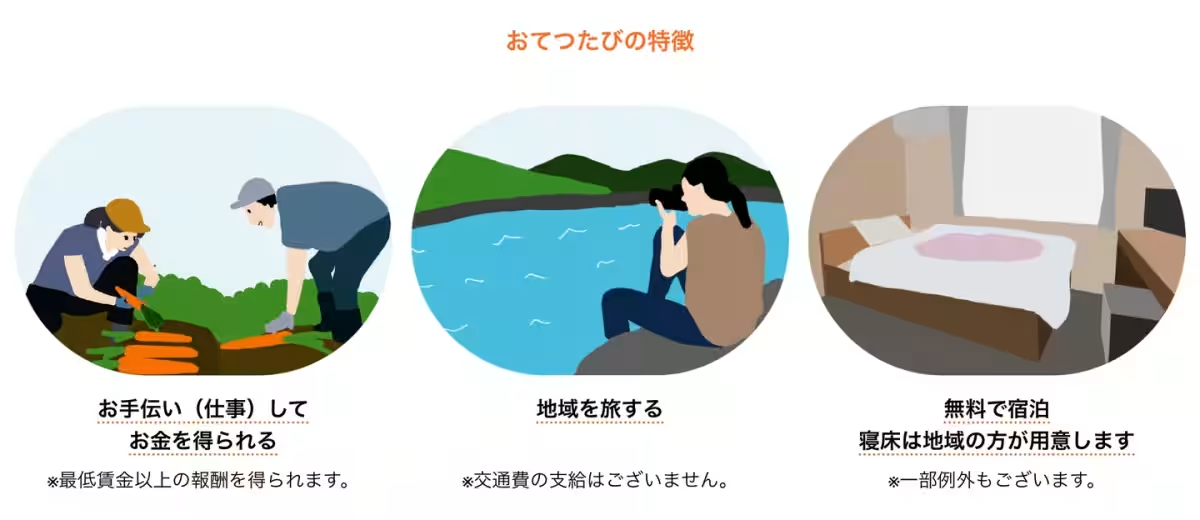
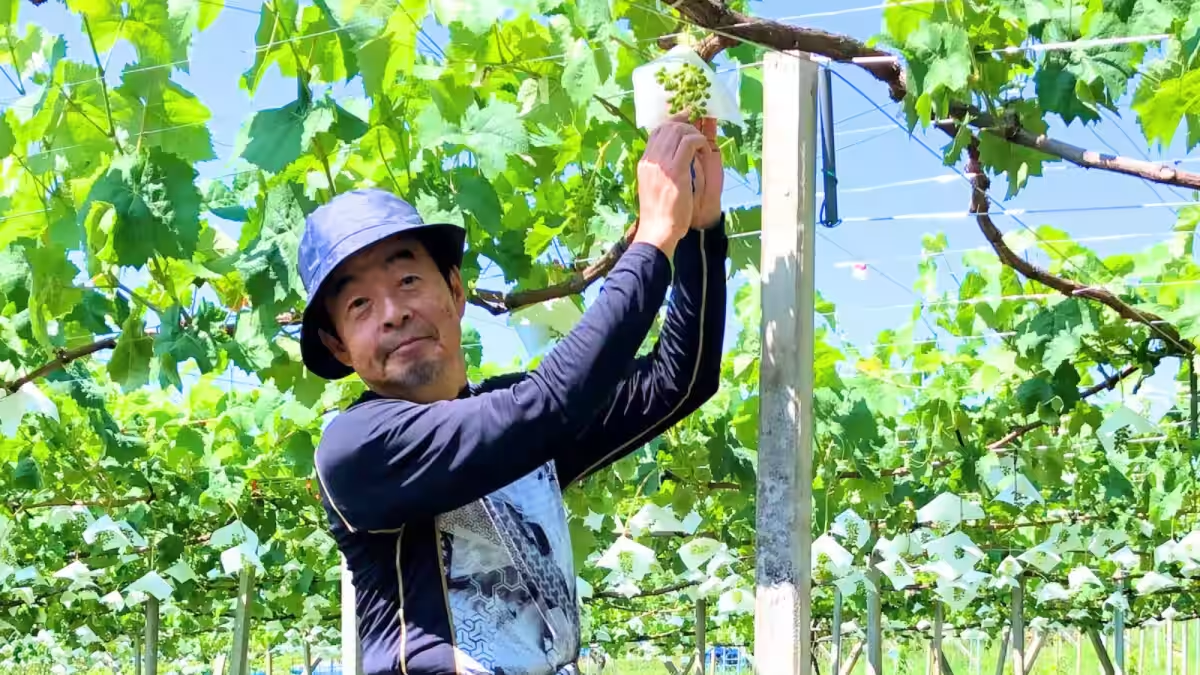
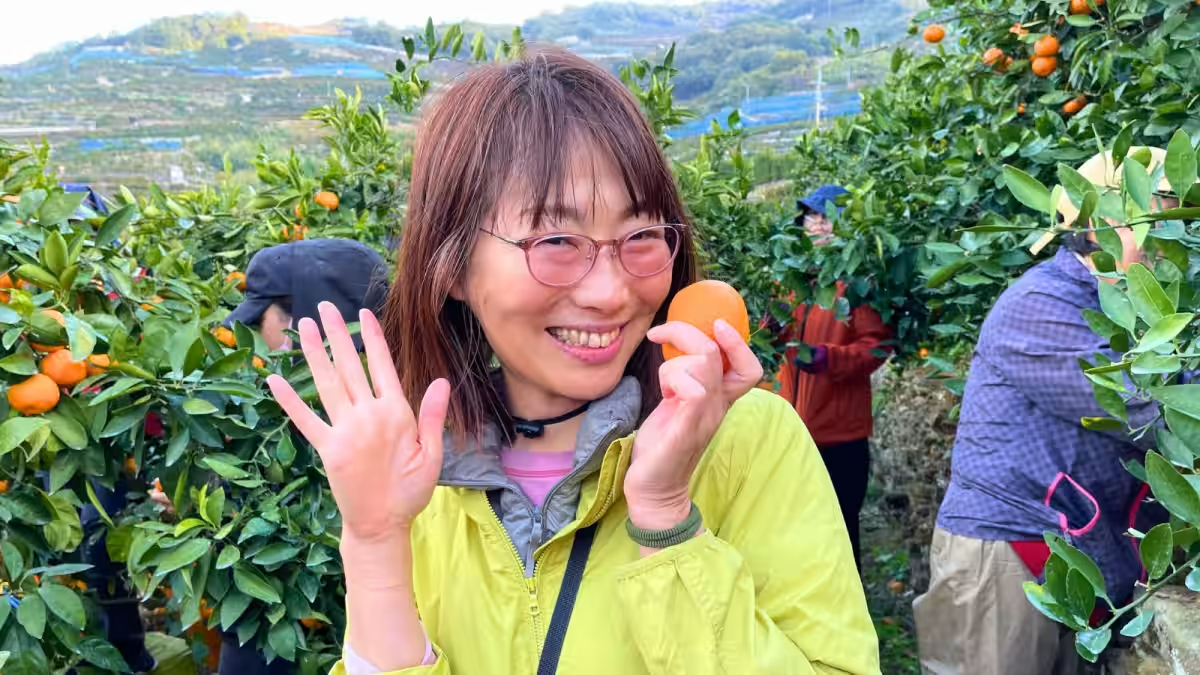
Otetabi seeks to facilitate this shift towards community engagement by enabling travelers to participate in short-term work opportunities as part of their journey. This not only allows individuals to lower their travel expenses through earned income but also fosters genuine interactions with locals, making the experience more impactful. The company matches travelers with regions facing labor shortages, particularly in less-traveled but culturally rich areas, helping to alleviate overcrowding in conventional hotspots.
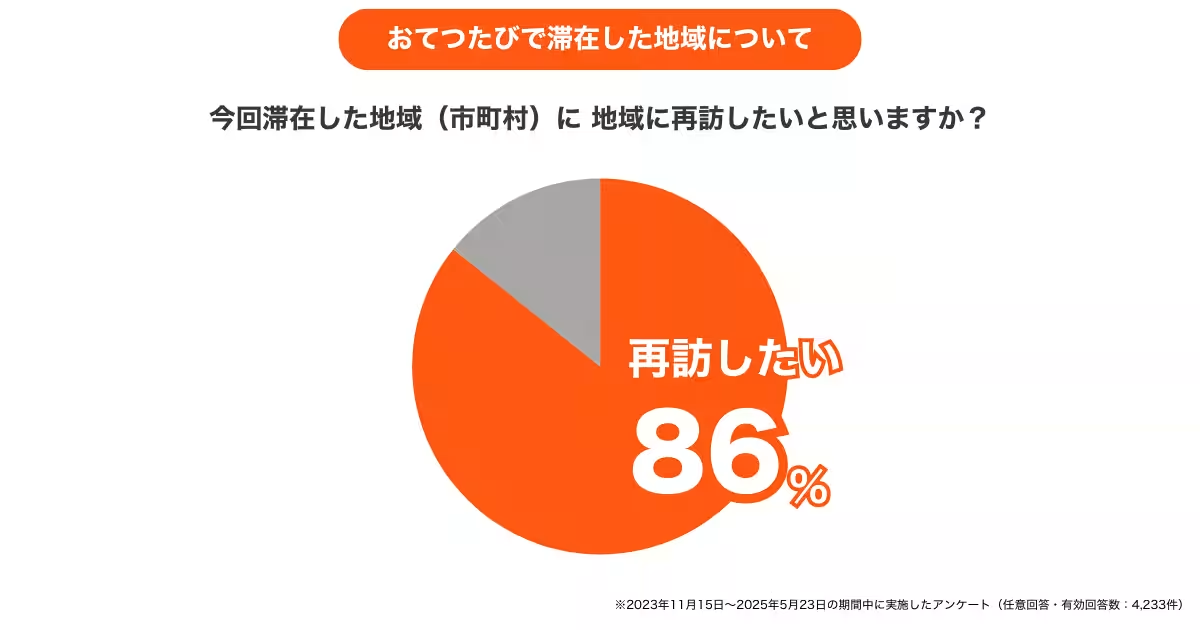
Research shows that 86% of Otetabi participants express a desire to revisit the regions they've worked in, indicating that community-based travel fosters sustainable relationships and connections that transcend the typical tourist experience.
Testimonials from Participants
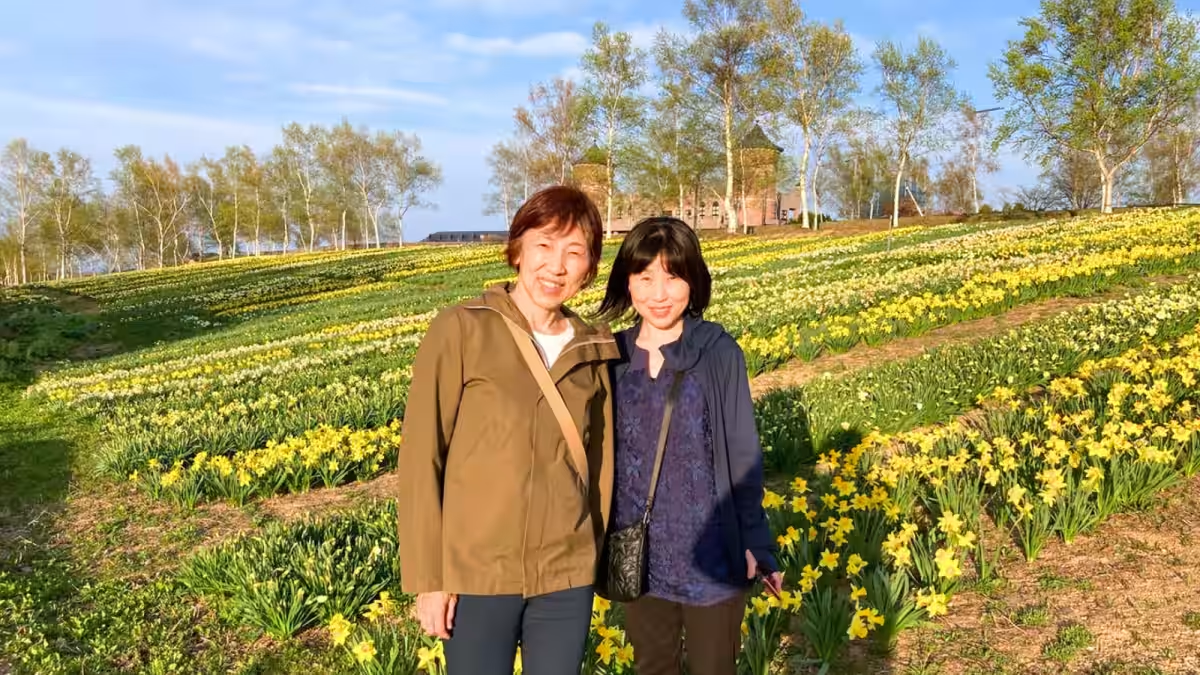
Feedback from individuals who used Otetabi underscores the profound impact of these experiences. Stories of warm connections with locals, ongoing friendships, and a sense of belonging are common among participants. One 50-year-old shared that their experience resulted in a lasting relationship with a local innkeeper, illustrating how community engagement leads to valuable, ongoing ties. Such narratives reinforce that Otetabi is more than just a service; it's a platform for life-changing travel experiences.
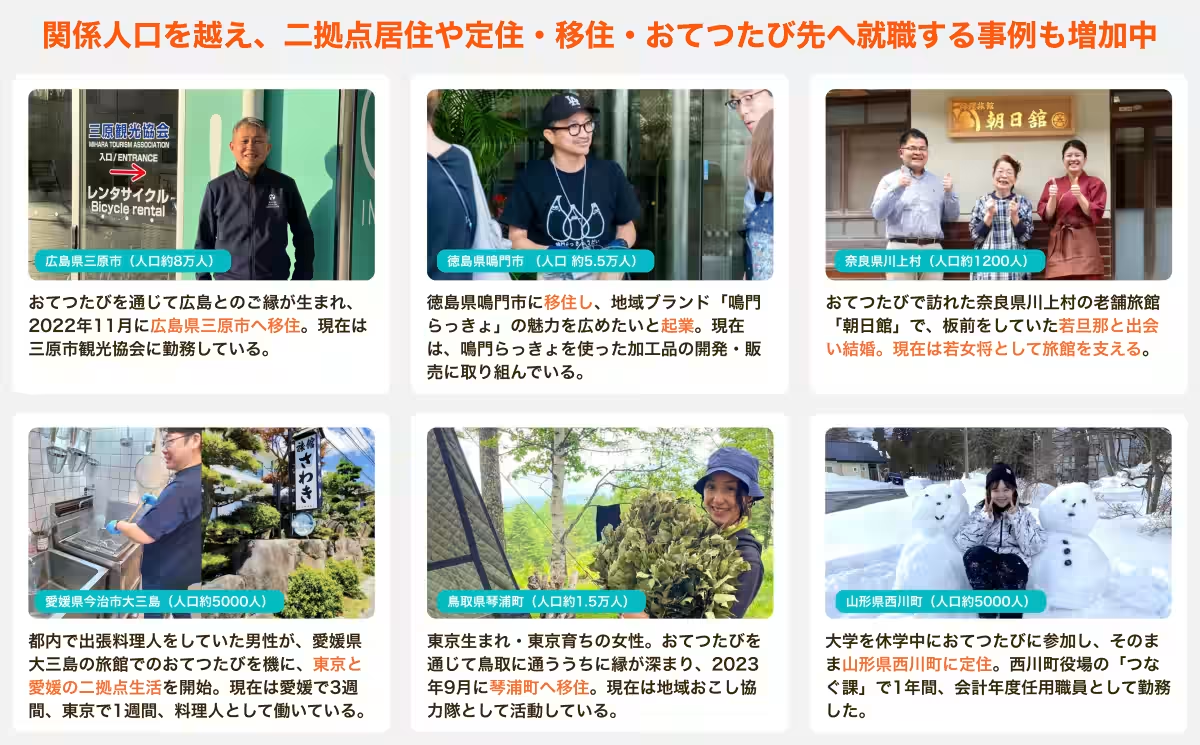
Meanwhile, examples of participants transitioning from visitors to residents—through relocation or marriage—further demonstrate the deep-seated changes attributed to community-focused travel. Otetabi is not only redefining how travel is perceived but is also nurturing a new lifestyle choice that many find enriching.
By blending work and travel, Otetabi is helping to create extraordinary stories beyond conventional tourism, impacting participants’ lives significantly by making them integral parts of the communities they visit. In doing so, Otetabi is paving the way for a new kind of travel that embraces local engagement, sustainability, and lasting human connections.
Conclusion
As travelers continue to seek meaningful, affordable, and engaging experiences, the importance of community-centric travel is only set to rise. Otetabi encapsulates this trend, representing a fresh approach to exploring Japan's diverse regions while simultaneously addressing the challenges of modern tourism. The company's growth and popularity illustrate a promising future for community-based travel experiences, indicating a shift that places the globe's rich cultural tapestries firmly in the hands of the next generation of travelers.

Topics Travel)
【About Using Articles】
You can freely use the title and article content by linking to the page where the article is posted.
※ Images cannot be used.
【About Links】
Links are free to use.