



Innovative Solutions for Severe Intellectual Disabilities and Behavioral Challenges
Addressing the Need for Support in Severe Intellectual Disabilities
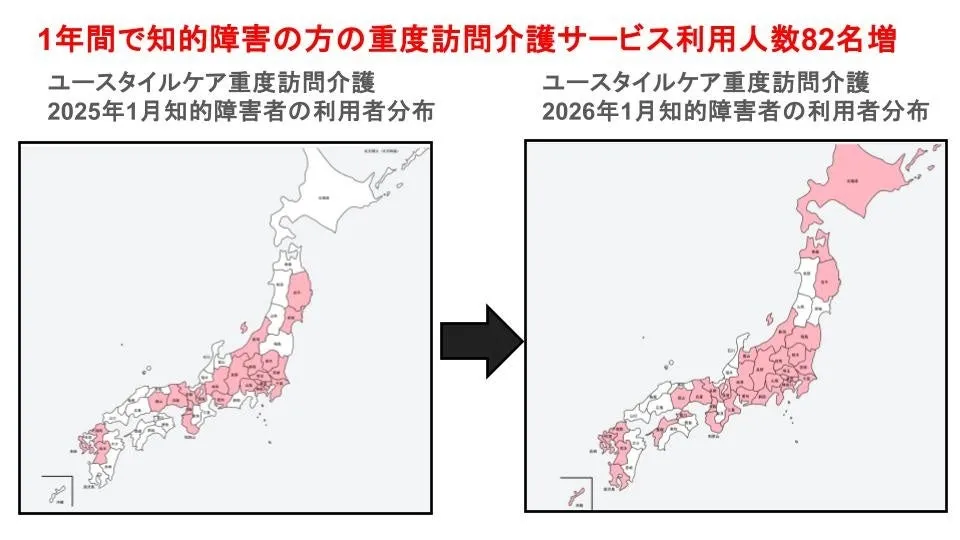
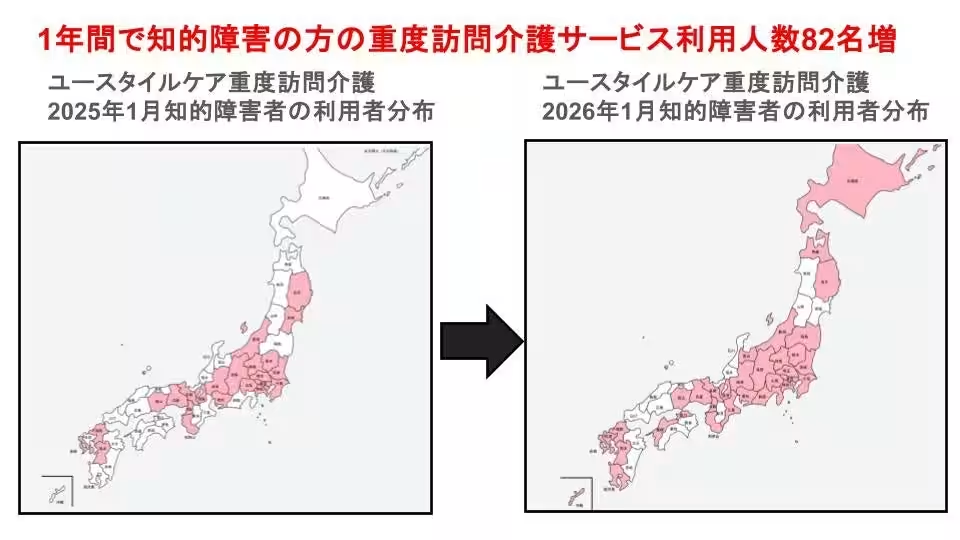
In today's society, individuals with severe intellectual disabilities often face a lack of appropriate support, especially those dealing with intense behavioral challenges. Eustyle Laboratory, based in Nakano, Tokyo, has stepped up to bridge this gap through innovative severe in-home care services and daytime support group homes. In the past year, the percentage of intellectual disability clients using Eustyle’s severe in-home care services increased 1.94 times, demonstrating that with proper environmental adjustments, individuals can live independently in their communities, even with severe behavioral issues.
The Challenge of Acceptance for Individuals with Severe Behavioral Challenges
Although the government has been advocating for the community integration of disabled individuals, many face the daunting barrier of rejection from group homes due to severe behavioral issues that include self-harm or harm to others. This often results in isolation and deteriorating mental and physical stability for both the individuals and their families. Eustyle Laboratory recognizes this urgent need and is committed to developing viable solutions.
Breaking Stereotypes About Severe In-Home Care
Traditionally perceived as a service for individuals with physical disabilities, the severe in-home care program was expanded in 2014 to encompass those with severe intellectual disabilities or mental health disorders requiring constant care due to intense behavioral challenges. This change has allowed for flexible and tailored support options:
1. 24/7 One-on-One Monitoring: Individualized care enables clients to live at their own pace, significantly improving quality of life.
2. Reduced Environmental Stimuli: Clients often show reduced behavioral outbursts when cared for in a tailored home environment rather than in group settings where they might feel panicked.
3. Complementary Support: Some clients benefit from a combination of group home living and severe in-home care, allowing for a more integrated support approach.
Eustyle's Success in Supporting Individuals with Intellectual Disabilities
This past year, Eustyle has ramped up its outreach, finding a marked increase in requests for services from families and social workers dealing with individuals with severe behavioral challenges. For instance, as of January 2026, the percentage of intellectual disability clients utilizing the service has increased to about 6.8% from 3.5% a year prior. The number of service users has also grown to 169, spread across 41 service offices in 33 prefectures across Japan.
Practical Examples of Successful Support
1. Case Study of R (26, Male): Previously unable to communicate verbally and had to leave a group home due to violent outbursts towards staff, R now enjoys stability through 24/7 one-on-one support. Weekly schedules and communication tools were simplified, resulting in markedly reduced stress and peaceful living conditions.
2. Case Study of T (28, Male): His mother suffered frequent injuries leading to police involvement. With two dedicated in-home caregivers, T now engages safely without provoking incidents, allowing his mother some respite and improvement in her quality of life.
3. Case Study of Y (18, Male): Following serious behavioral issues towards family members that led to recommendations to cease cohabitation, Y now lives in Eustyle’s foster home while receiving daytime support. His progress has been notable, allowing him to engage with others and participate in community events.
These success stories underscore the possibilities when individuals receive the appropriate support tailored to their unique needs.
Expanding Knowledge on Severe Behavioral Challenges
According to estimates, about 80,000 individuals in Japan require support specific to severe behavioral challenges. Eustyle Laboratory’s welfare training program, Eustyle College, has begun a monthly training course focusing on these challenges, aiming to enhance the skills of care providers. Currently, over 700 participants have completed the foundational training, ensuring that all Eustyle Home staff are well-prepared to adequately support these unique needs.
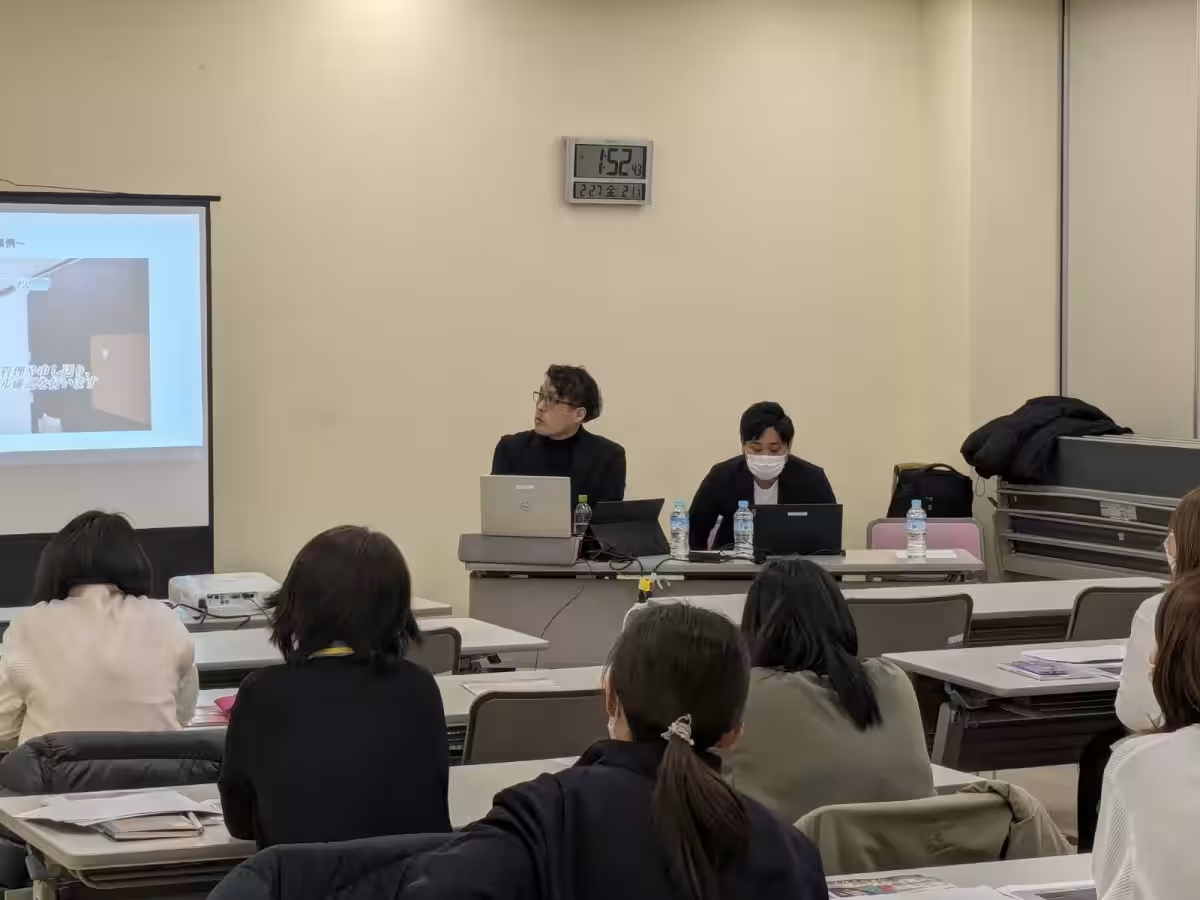
Additionally, Eustyle actively holds workshops to address the information gaps highlighted by care managers and social workers, aiming to better equip the community with relevant knowledge and practical strategies for assisting individuals with severe behavioral issues.
Conclusion
Eustyle Laboratory stands at the forefront of providing comprehensive support to individuals with severe disabilities. With a mission to ensure that all individuals receive the essential care they need, Eustyle is expanding its services throughout Japan. By offering a spectrum of support options and emphasizing community integration, Eustyle aims to foster an inclusive environment where those with severe intellectual disabilities can thrive. For more details, visit Eustyle Care and Eustyle Home.


Topics Health)
【About Using Articles】
You can freely use the title and article content by linking to the page where the article is posted.
※ Images cannot be used.
【About Links】
Links are free to use.