



Reboot Launches Rental Service for iPhone 17 Series Devices to Promote Sustainability
Introduction to Reboot
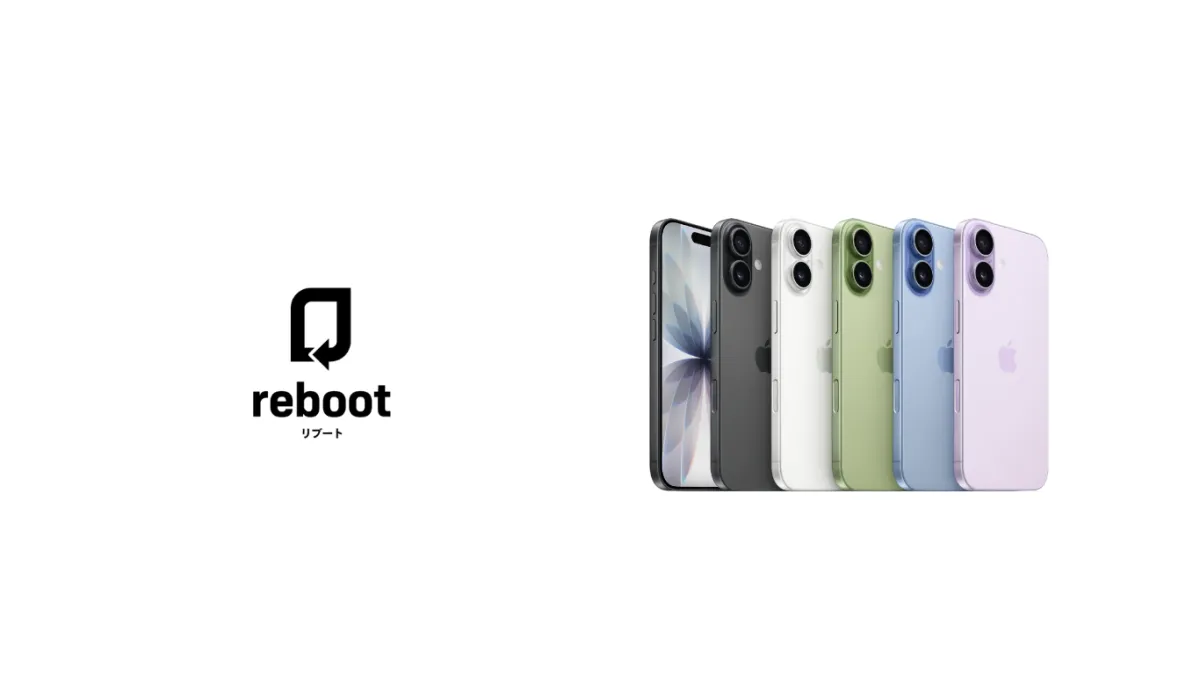
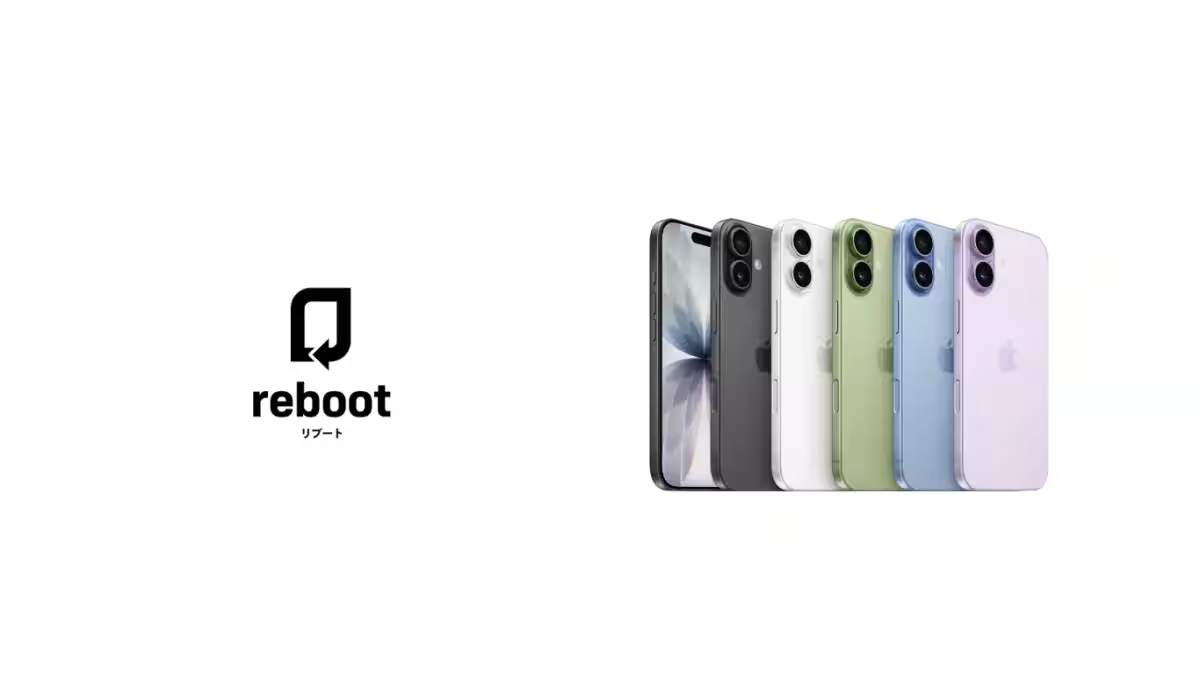
Reboot Inc., a tech subscription company based in Minato, Tokyo, is preparing to introduce Apple's latest iPhone 17 series within its rental offerings. Launching on September 19, this new service will allow users to rent the newest models of iPhones at competitive prices through subscription plans lasting 13, 18, or 24 months.
Expanding Rental Options
In an effort to enhance accessibility to cutting-edge technology, Reboot’s innovative subscription service provides users with an alternative to outright purchasing the newest iPhones. This strategy not only allows consumers to stay current with the latest tech but also aligns with Reboot's commitment to sustainability through device recycling.
Circular Device Utilization Model
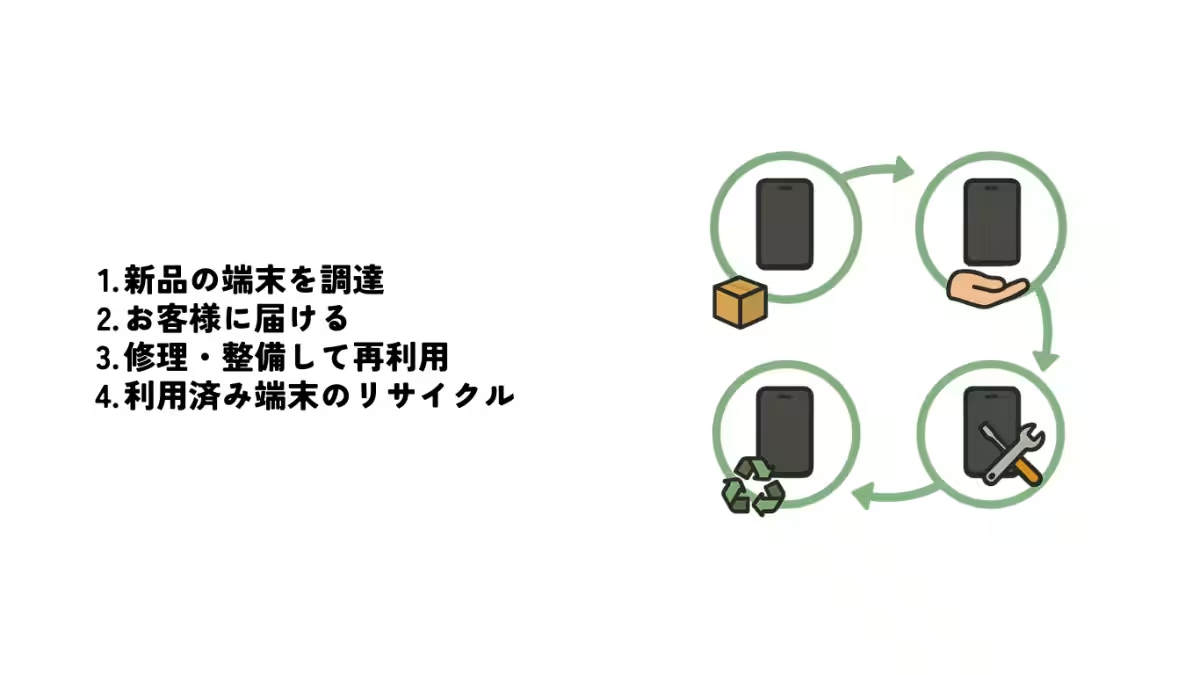
In a significant development, Reboot is launching a “circular device utilization model” that focuses on refurbished devices that meet strict inspection and maintenance standards. This initiative ensures that once rental devices come back to Reboot, they will undergo thorough data erasure and quality checks before being made available for rental again. Each device will pass through a detailed refurbishment process that includes visual inspection, functional testing, and necessary repairs to meet the brand-new quality standards. By processing the development and rental of devices in-house, Reboot guarantees the history and quality of each device.
This model speaks volumes about Reboot's mission to minimize electronic waste while contributing to a more sustainable future. By allowing multiple customers to rent the same device while ensuring it functions like new, Reboot aims to reduce both the number of electronics manufactured and the growing concern surrounding electronic waste disposal. The initiative also underlines Reboot’s dedication to promoting a circular economy model, which has been a fundamental principle since its inception.
The Refurbishment Process
The refurbishment process undertaken by Reboot consists of several key steps:
1. Data Erasure/Reset: Ensures that all personal data is completely wiped from the device.
2. Inspection: Comprehensive functionality checks are performed, including displays, cameras, and communication hardware.
3. Parts Replacement: Any defective components will be replaced using only original Apple parts.
4. Final Inspection: Detailed checks are conducted prior to relending to confirm the device's condition.
5. Condition Display: Clearly marking the device condition to inform customers of its state.
Due to this method, unlike products acquired from random second-hand markets, Reboot maintains a clear track record of each device's history, thus assuring a high standard of quality.
Understanding EPR and Its Importance
In the context of Japan, the concept of Extended Producer Responsibility (EPR) mandates that producers take responsibility for their products throughout their lifecycle, including the end-of-use phase. This ensures the proper collection, recycling, and treatment of electronic waste. By adopting a proactive stance toward EPR, Reboot can work towards reducing the environmental impact of electronics and ensure that the community sees the value in recycling and refurbished products.
While Japan has established laws for large items like appliances and vehicles, the smartphone recycling framework largely relies on municipal efforts. There is, however, a significant gap in regulations that intersect with EPR objectives similar to those seen in the EU.
Reboot's Role in Sustainability
Reboot is stepping in to fill this gap by developing a business model that simultaneously provides affordable access to the latest devices while enabling sustainable circular usage. By managing the entire lifecycle of its devices—from collection and refurbishment to re-rental and responsible disposal—Reboot captures the spirit of EPR before the regulations catch up, ensuring that the responsibility is shared between the company and consumers.
By consistently tracking metrics like the number of devices recycled, the rate of reuse, and the overall reduction of waste and CO₂ emissions, Reboot empowers consumers to be part of the solution rather than relying solely on municipal systems.
Future Plans
The company plans to regularly update its stakeholders on its sustainability metrics and circular device utilization model through its official blog and other communication channels. This transparency not only builds trust but also encourages broader participation in creating a sustainable digital future.
CEO's Vision
Philip Liu, CEO and co-founder of Reboot, emphasizes that their subscription model aims to promote a shift from ownership to smart usage of technology. By offering flexibility and adaptability, the goal is to help consumers leverage the latest technology sustainably and intelligently.
Conclusion
As Reboot continues to innovate and refine its offerings, it stands as a model for how technology companies can operate within a sustainable framework while meeting consumer needs. With the launch of the iPhone 17 series in its rental portfolio, Reboot is poised to further its mission of reducing electronic waste and facilitating a more sustainable future.
For more details about Reboot, visit their official website: Reboot Japan.

Topics Consumer Products & Retail)
【About Using Articles】
You can freely use the title and article content by linking to the page where the article is posted.
※ Images cannot be used.
【About Links】
Links are free to use.