



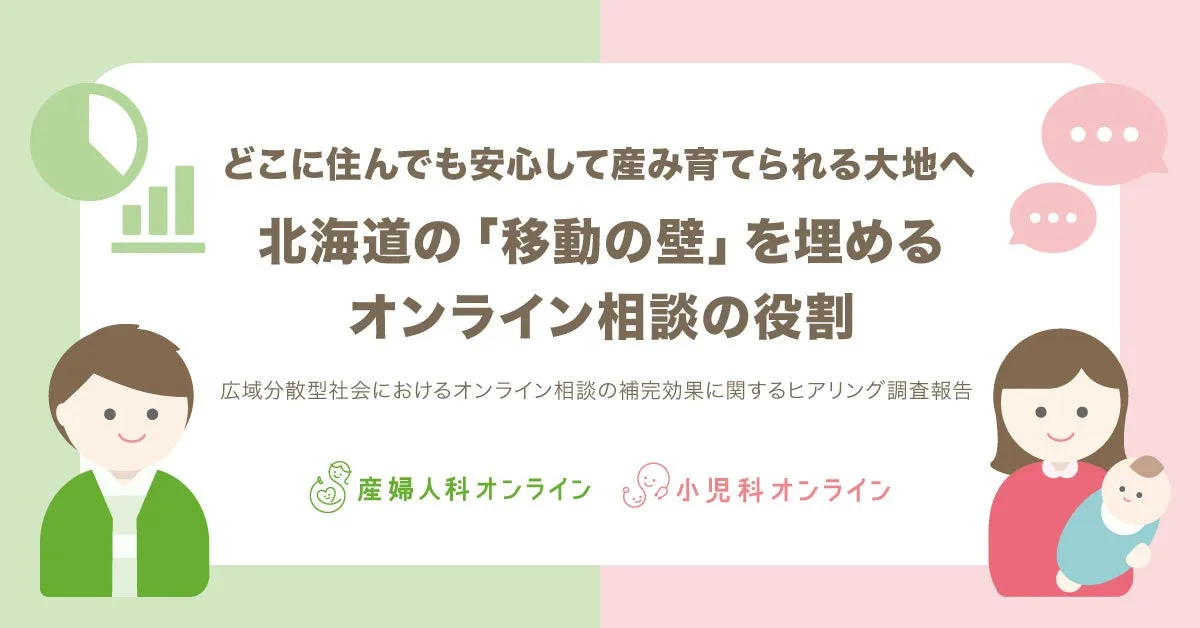
Eliminating Barriers to Maternal Health in Hokkaido through Online Support Services
A New Frontier for Maternal Health in Hokkaido
Hokkaido, Japan's northernmost island, is recognized for its vast landscape where population density is low and spread across remote regions. This geographical characteristic poses significant challenges, particularly in the context of maternal and child health. With the upcoming implementation of the 'Workstyle Reform for Physicians' set to go into effect in April 2024, concerns grow over the ability to maintain adequate maternal health services, especially at nighttime and during emergencies. The healthcare system faces a structural dilemma exacerbated by harsh weather conditions and a growing distance between patients and medical facilities.
A Period of Change
In response to these challenges, Kids Public, a Tokyo-based company, has conducted interviews with maternal healthcare professionals across various local governments in Hokkaido. This study aims to clarify the role of online consultations as an essential complement to regional healthcare efforts.
The Hearing Process
Conducted between February and March 2026, this study was designed to assess the realities of maternal health services in Hokkaido, especially concerning the utilization of online consultation services. Participants included healthcare officials from towns such as Erimo, Kuriyama, Samani, and Yukaribashi, all of whom shared valuable insights regarding local conditions and challenges faced by expectant and new parents.
Challenges Identified
Through these hearings, several systemic barriers detrimental to maternal health were highlighted:
1. Access Limitations Due to Geography and Weather
The large area of Hokkaido results in extended travel times to reach medical facilities, often exceeding an hour. During winter, snow can halt transportation altogether, complicating access further and leaving many mothers hesitant about whether to seek medical assistance. In specific cases like Mukasa Town, they reported that frequent snow-induced traffic jams severely limit the ability to attend appointments.
2. Shortage of Medical Resources
Under a physician-to-population ratio that lags behind the national average, rural areas face acute shortages in maternity and pediatric care. For instance, in towns like Kuriyama and Samani, a lack of obstetric services forces reliance on hospitals from neighboring municipalities, thereby heightening the risk during emergencies like childbirth with insufficient local resources.
3. Isolation in Smaller Municipalities
Social dynamics further complicate access to care. In small communities, residents often feel reluctant to discuss personal issues related to childcare or domestic violence with acquaintances or local health officials, fearing judgment or information leaks. This 'wall of consultation' prevents parents in distress from reaching out for help.
4. Overburdened Public Health Resources
The reliance on few health professionals, often stretched thin by high demand, accentuates the need for innovative solutions to fill gaps in maternal healthcare services.
Innovative Collaboration
Despite these challenges, municipalities are working together to devise collaborative solutions.
1. Multilayered Collaboration Across Medical Zones
Across Hokkaido, various healthcare committees now include multiple participants, fostering information-sharing among municipalities. For example, in the Hidaka region, focused meetings on maternal health bring together healthcare providers to ensure resources like specialists are equitably distributed and accessible.
2. Joint Resource Utilization
Cases of neighboring towns share costs for inviting specialized medical professionals via collaborative funding initiatives, ensuring that essential maternal health consultations are accessible even in less populated areas.
The Role of Online Consultations
Current efforts highlight how online consultations have emerged as invaluable tools in addressing maternal health challenges in Hokkaido. These services offer several functions:
- - 24/7 Accessibility for Consultations
- - Nighttime Support
- - Anonymity Encouraging Consultation
As a result, municipalities embracing these digital tools witness improvements in maternal health services and increased engagement from the community in seeking help. The collaborative approach to utilizing digital healthcare reflects an innovative response to longstanding issues endemic to Hokkaido’s unique landscape.
Future Directions
Moving forward, Kids Public aims to enhance the quality of maternal health support through advanced online systems which integrate local healthcare professionals. By bridging the gap between regional needs and digital resources, they aspire to create a sustainable model for maternal healthcare throughout Hokkaido, aligning with national health objectives to ensure quality healthcare accessibility for all residents.
In conclusion, the commitment of local healthcare providers and the strategic integration of online consultations hold the potential to reshape maternal health in Hokkaido, ensuring that every mother has access to necessary care regardless of geographical or social barriers.
Topics Health)

【About Using Articles】
You can freely use the title and article content by linking to the page where the article is posted.
※ Images cannot be used.
【About Links】
Links are free to use.